


Georgian Folk Art
Georgian folk art comprises vernacular objects and naive paintings shaped by regional hands, appealing to collectors who prize domestic history and honest craftsmanship.
Georgian Folk Art
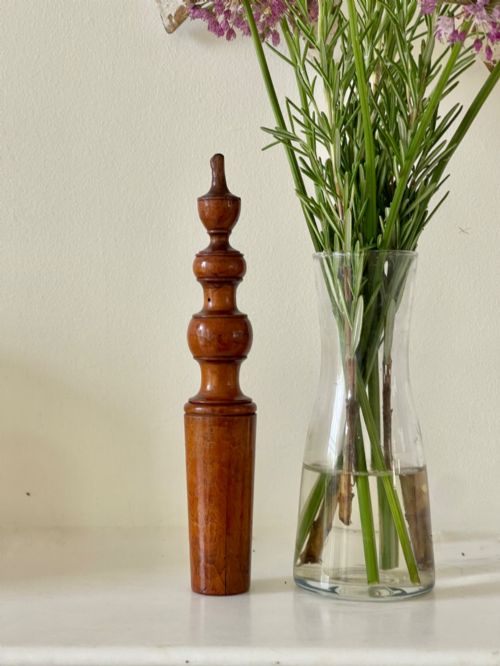
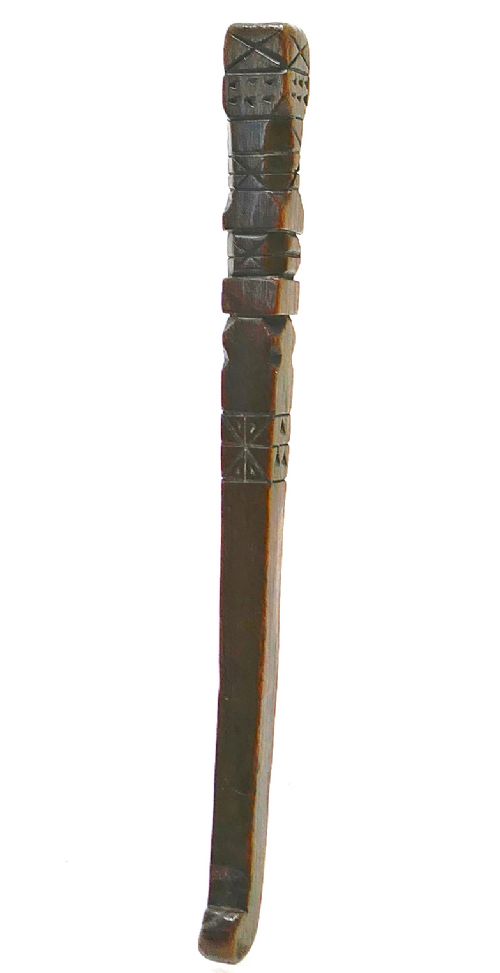
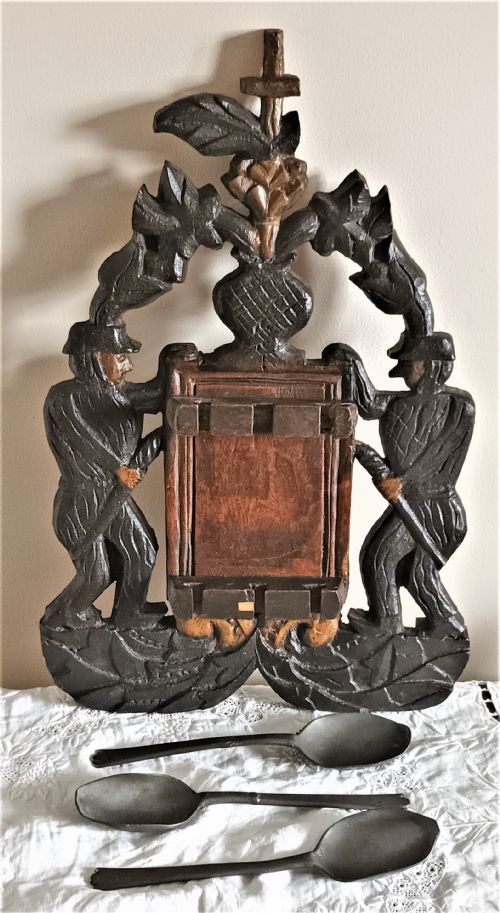
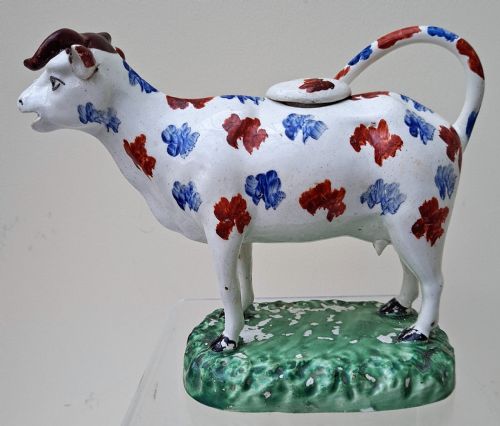
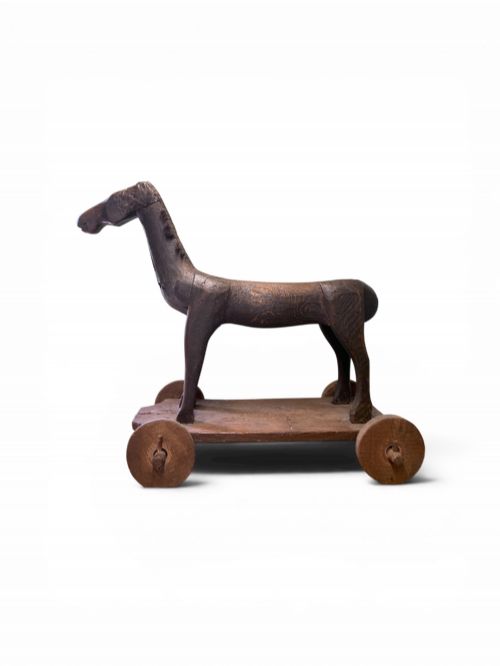
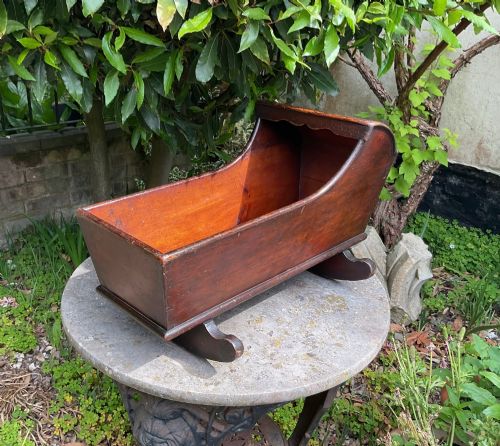
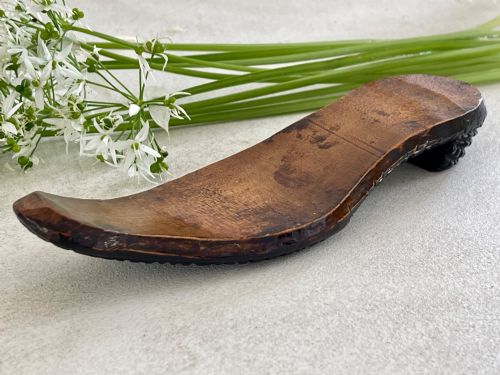
Makers fashioned objects for daily use within rural communities, ranging from knitting sheaths and spoon racks to dolls' cradles and snuff boxes. The category also includes decorative objects such as dummy boards and cast brass oil lamps. Many pieces retain traces of original paint or ink decoration, recording the aesthetic choices of provincial households and makers.
How they were made
Makers utilised locally available materials, predominantly turning to native hardwoods, fruitwoods, pine, and elm for carved and treen items. Working by hand with simple tools, artisans employed punchwork, incised lines, and carving to finish surfaces. Iron and brass served for utilitarian hardware and lighting, while boxwood and coquilla nut provided dense mediums for small personal containers.
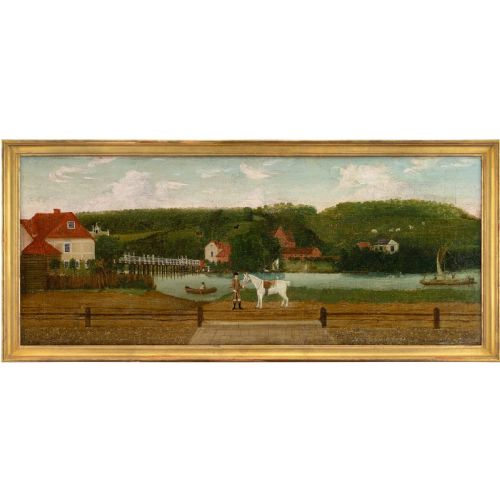
Painters applied oil to canvas, panel, and paper, producing naive portraits and topographical scenes without the formal perspective of academic art. Painted furniture and boxes received layers of pigment, sometimes incorporating lettering, slogans, or architectural motifs. Assembly relied on traditional joinery methods suited to domestic workshops rather than industrial production.
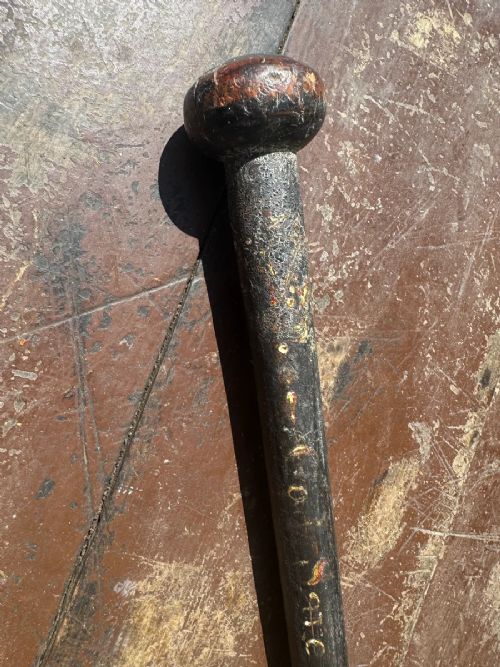
A cudgel engraved with God Save the King stands ready for royal disputes.
What varies in quality
Quality rests upon the strength of the naive execution and the survival of original surfaces such as early paint or patinated wax. Pieces that display confident, expressive carving or uninhibited brushwork in portraits stand apart from stiffer, routine examples. The relationship between the object's form and its decorative elements dictates the visual impact within the room.
The integrity of the material surfaces drives distinction across the range, particularly where handling has created a deep tactile patina on fruitwood or treen. Objects retaining their original decoration without extensive later intervention hold greater historical coherence. Proportion and the degree of inventive design in utilitarian forms separate ordinary vernacular items from exceptional ones.
G Cobb
The Georgian Folk Art Glossary
- Dummy Board
- A painted wooden figure cut out to life size and shaped to stand in a room as a silent companion. These objects date across the eighteenth and nineteenth centuries.
- Snuff Box
- A small container for holding dry powdered tobacco. Examples incorporate horn, coquilla nut, and pen work decoration by named makers.
- Mule Chest
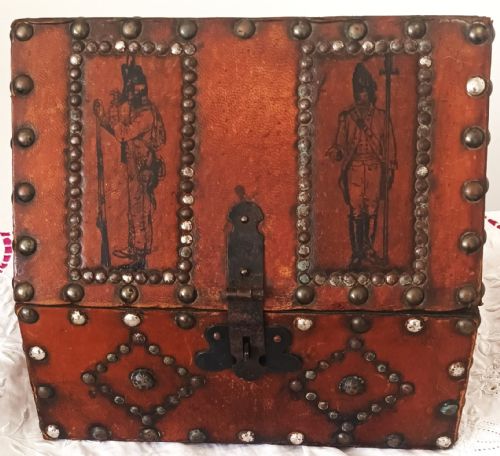
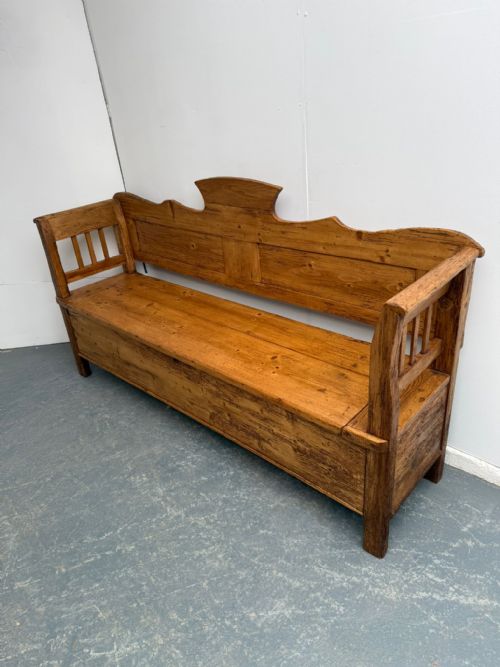
- A storage chest featuring one or more drawers beneath the main compartment. These vernacular pieces frequently display original painted finishes or panels.
- Bobbin Winder
- A mechanical device used in textile production for winding thread onto bobbins. These treen implements reflect rural cottage industries.
Georgian Folk Art: Frequently Asked Questions
What is georgian folk art?
Georgian folk art consists of utilitarian objects, naive paintings, and decorative pieces made by provincial craftsmen and amateur artists during the Georgian era and the nineteenth century.
These items reflect the domestic routines, rural industries, and aesthetic preferences of households removed from metropolitan academic centres.
How were treen items used?
Treen items served practical functions in domestic and rural life, ranging from food preparation tools like apple corers to textile implements such as knitting sheaths and bobbin winders.
People handled these wooden objects daily, which accounts for the smooth patinated surfaces found on surviving pieces today.
How do I live with folk art?
Living with folk art involves integrating painted chests, naive portraits, and small treen into contemporary or traditional interiors as focal points of texture and history.
Placing wooden boxes and small carved figures on surfaces allows their honest craftsmanship and original paint to contrast with clean architectural surroundings.
How do I spot original paint?
Original paint surfaces show natural wear, stable craquelure, and integration with the underlying wood that corresponds to the age of the piece.
Examining the edges and recesses helps reveal whether pigment layers date to the period of manufacture rather than later decoration.