
Georgian Flatware
Georgian flatware brings functional silver and steel to the table, offering practical utility and period design for daily use or display.
Georgian Flatware
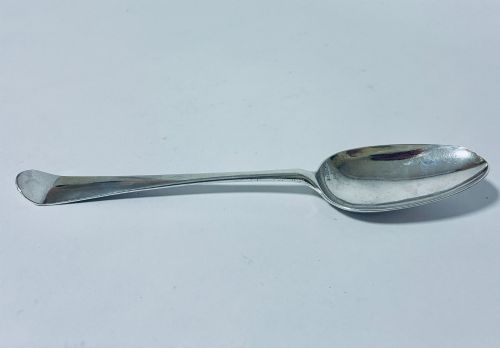
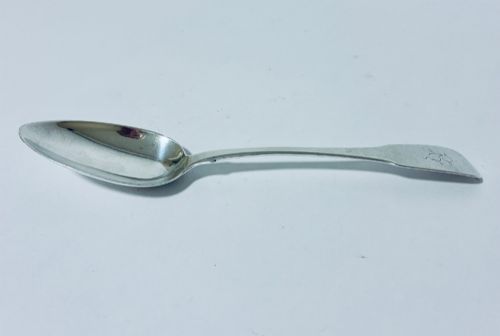
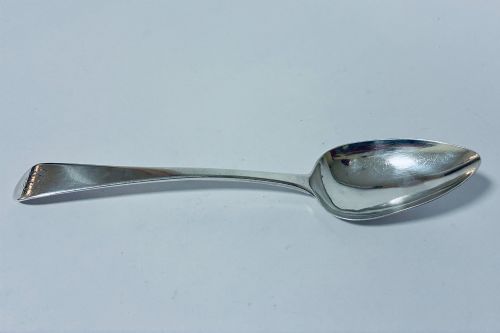
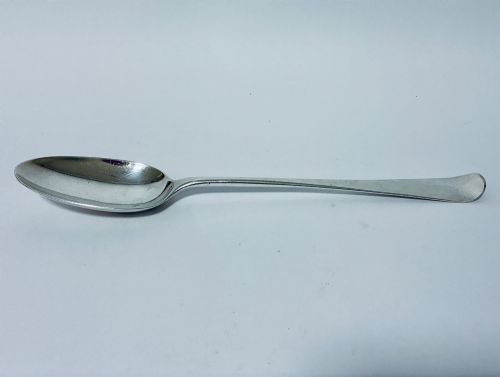
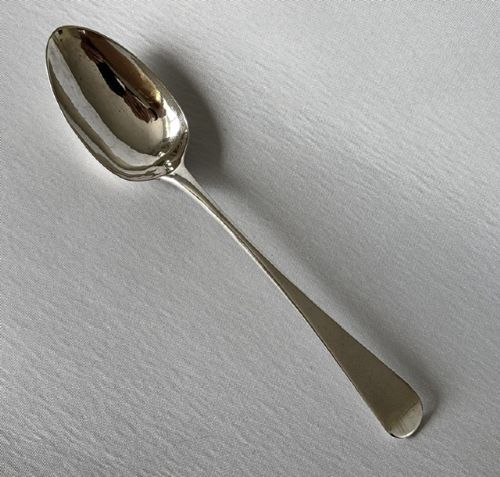
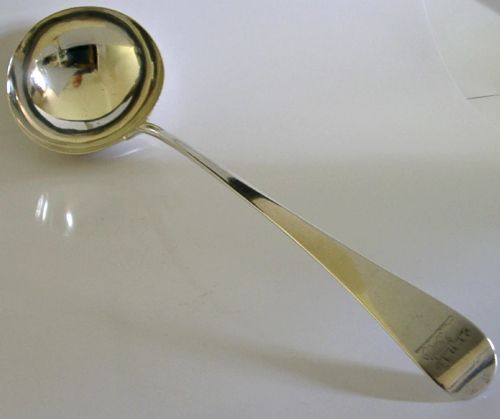
Georgian flatware comprises dining implements spanning the Georgian, Victorian, and Edwardian periods, including pieces dated from the eighteenth and nineteenth centuries. A buyer searching this phrase is looking at functional table service items, most commonly silver serving spoons, ladles, tablespoons, and sugar tongs.
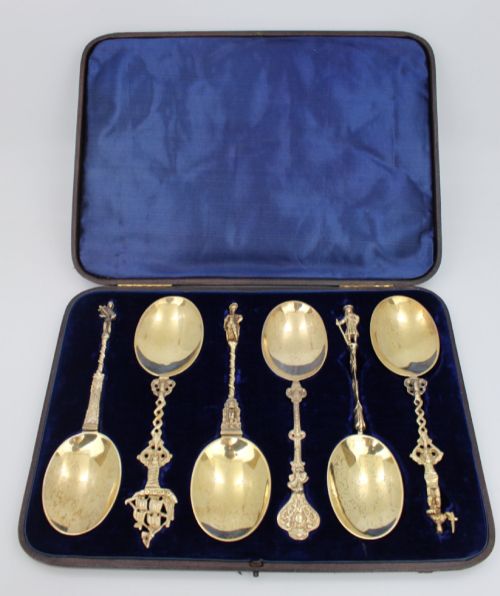
The selection on this page centres on sterling silver items alongside silver-gilt and silver plate variants, housed in cabinets or presented as individual utensils and cased sets. Regional British origins feature strongly, with London, Exeter, Newcastle, Dublin, and Edinburgh assay marks appearing across the inventory.
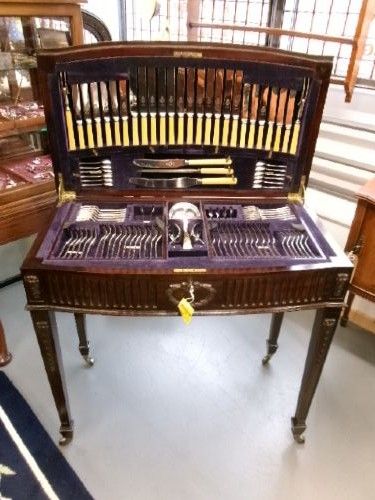
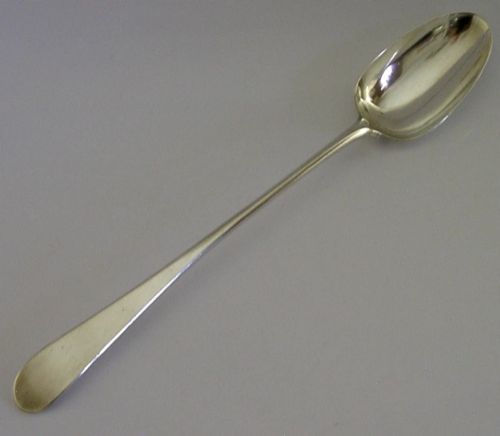
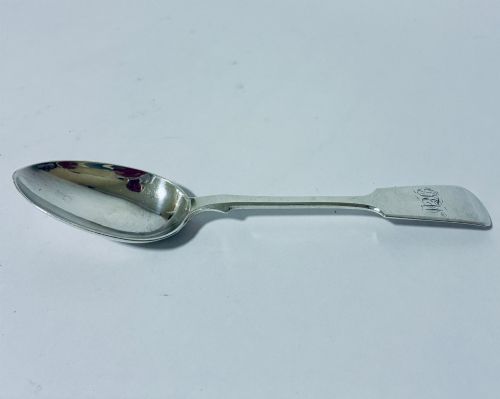
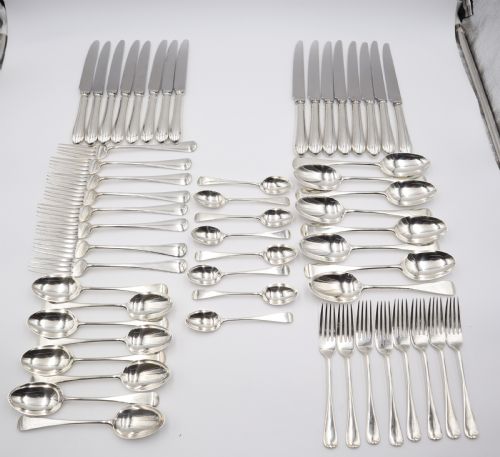
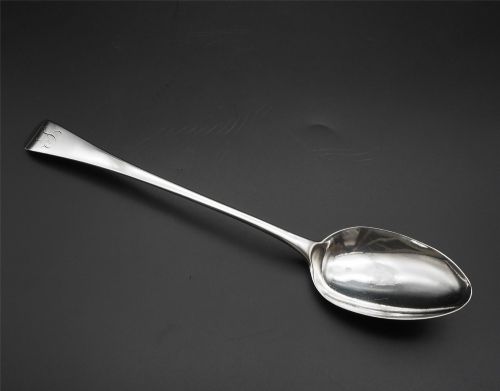
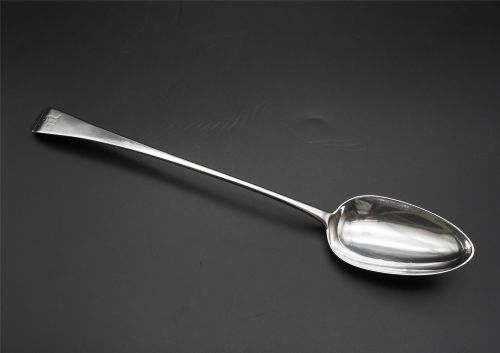
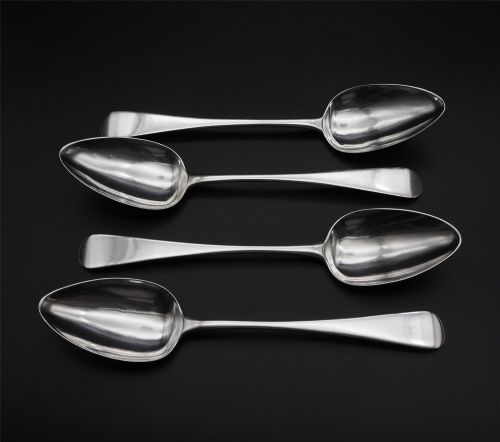
Serving pieces such as basting spoons, hash spoons, and marrow scoops represent the larger formats, while teaspoons and dessert spoons cover smaller table requirements. Canteens of cutlery in mahogany cabinets and fitted cases also represent the category.
Materials and Technique
Items in this category rely primarily on sterling silver and silver plate, shaped through casting, piercing, and hammering techniques. Silver-gilt appears on specific commemorative or decorative spoons, while steel is utilised for the working edges of canteens.
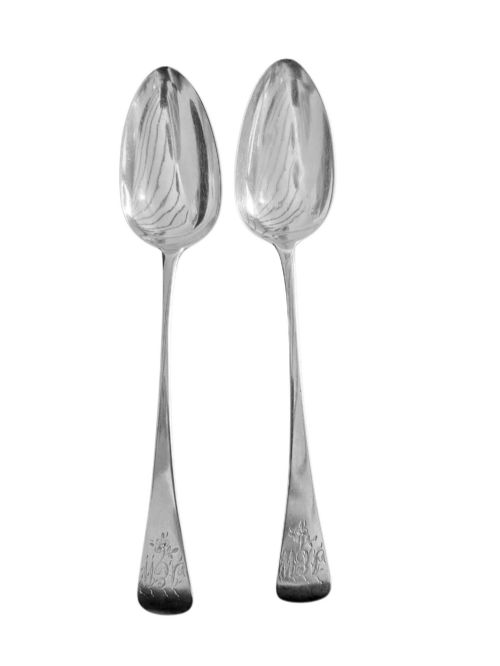
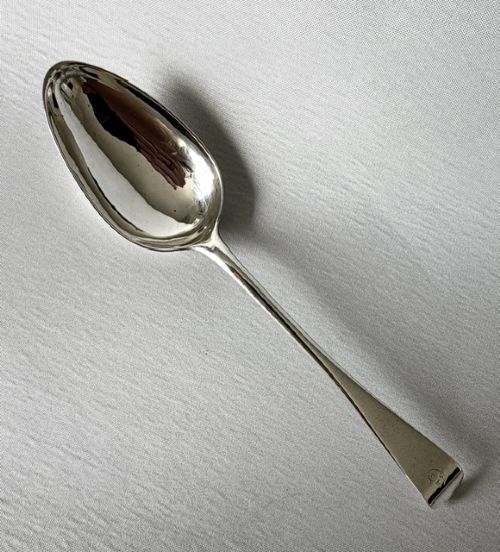
Makers applied specialised surface treatments including bright-cut engraving, incuse duty marks, and crest stampings to handle terminals. Enclosures utilise mahogany wood lined with velvet to protect the metal components during storage.
Design and Preservation
Quality separates through the crispness of cast detail, the clarity of maker and assay hallmarks, and the integrity of engraved crests. Pieces by notable makers or those retaining heavier gauge silver command greater interest among collectors.
Completeness within cased sets and matching pairs influences overall desirability, alongside the survival of original gilding and surface decoration.
John Lambe·Deakin & Francis·Peter & Jonathan Bateman·Hester Bateman·John Walton·Hamilton & Inches·Andrew Archer·John Pittar·Edward Power·Jonathan Hayne
The Georgian Flatware Glossary
- Hallmark
- Official stamps pressed into precious metals indicating the maker, assay office, standard of purity, and year of manufacture.
- Marrow scoop
- A narrow, double-ended spoon designed for extracting marrow from bones.
- Basting spoon
- A large utensil used in food preparation to spoon juices over roasting meat.
- Bright-cut
- An engraving technique utilising faceted cuts to create a sparkling, reflective pattern on the metal surface.
- Silver-gilt
- Sterling silver that has been coated with a thin layer of gold, providing a rich yellow lustre.
Georgian Flatware: Frequently Asked Questions
What is included in Georgian flatware?
This category includes spoons, ladles, tongs, scoops, and cased cutlery sets made primarily from sterling silver.
Items range from large serving and basting spoons to smaller teaspoons and dessert spoons.
How do I identify a Georgian spoon?
Check for official assay office stamps and maker marks, which indicate the date and location of manufacture.
Stylistic elements like bright-cut engraving and specific handle patterns also help determine the period.
How were marrow scoops used?
Marrow scoops were dining utensils designed during the eighteenth and nineteenth centuries to extract bone marrow.
They feature a narrow trough at each end sized for different bones.
Can I use these items daily?
Many buyers incorporate antique silver flatware into modern dining settings alongside contemporary tableware.
Hand washing with mild soap preserves the finish and prevents damage to older metal.