

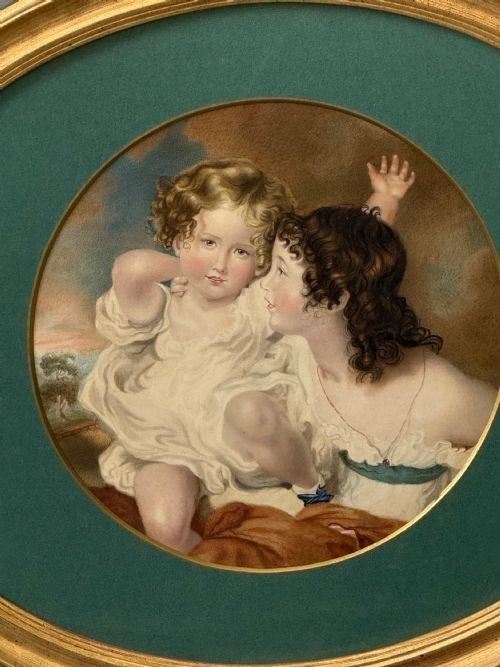
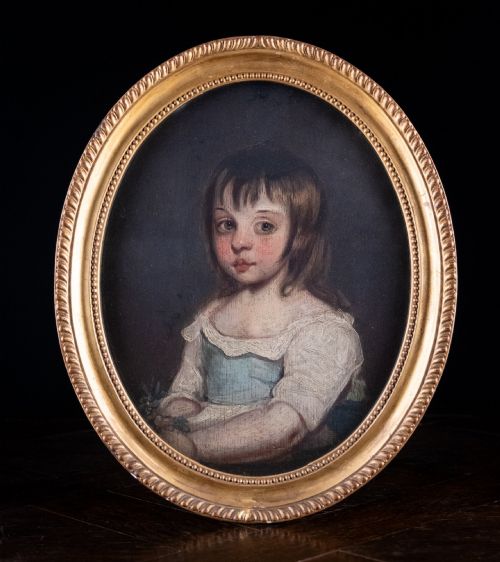


Georgian Fine Art Miniature
Georgian fine art miniature works capture intimate likenesses in watercolour, pastel, and oil, offering a direct window into past lives.
Georgian Fine Art Miniature
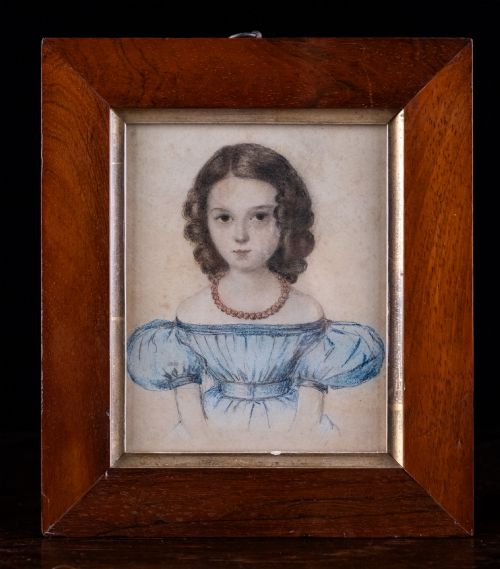
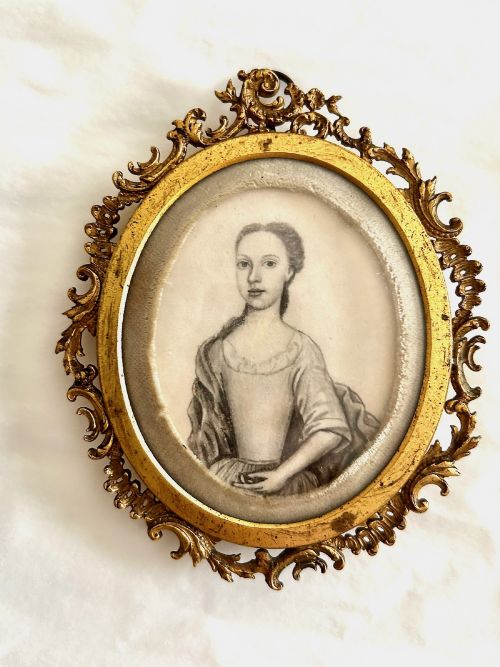
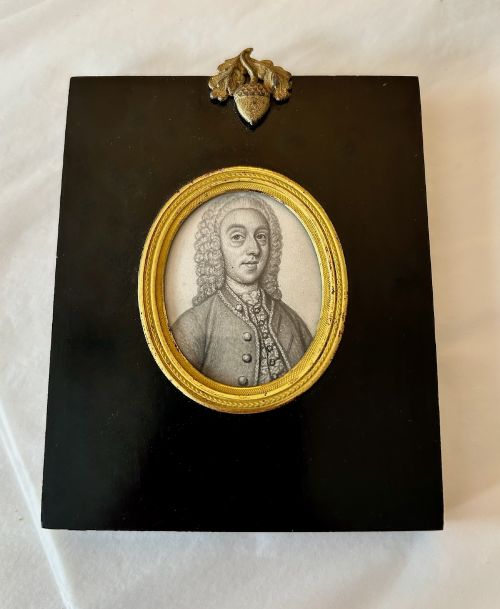
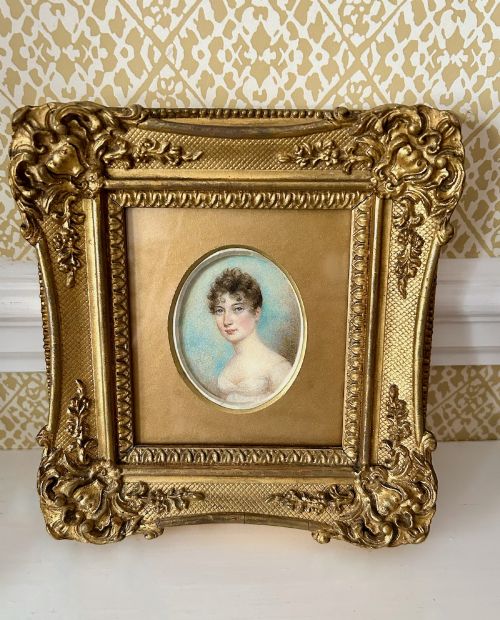
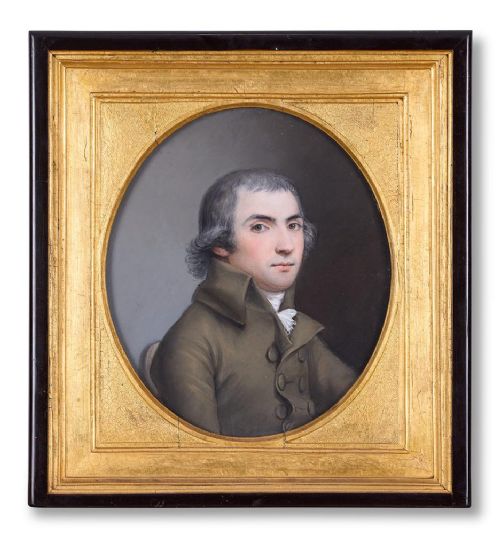
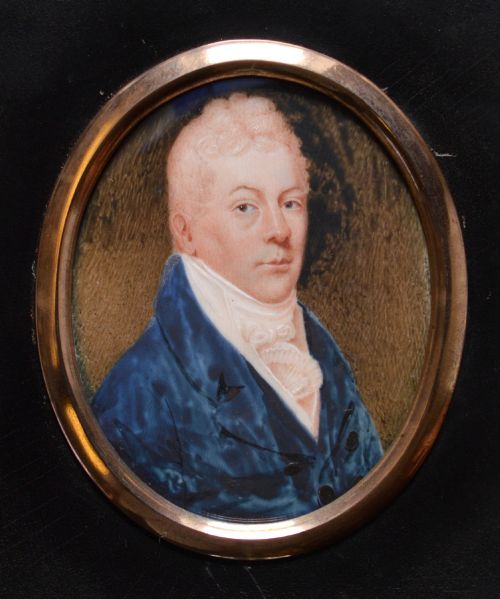
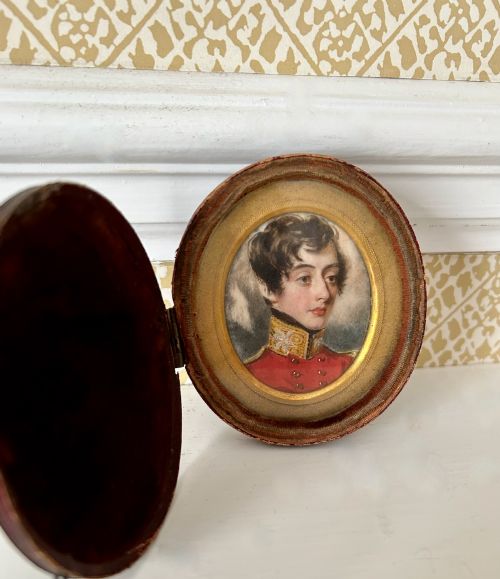
A georgian fine art miniature presents a small-scale portrait painted or drawn during the eighteenth and nineteenth centuries. These works record the likenesses of gentlemen, ladies, children, and officers across compact surfaces.
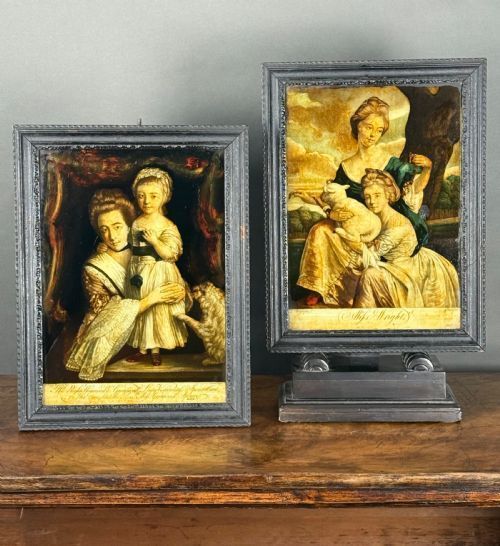
The pieces appearing on this page encompass portrait miniatures, paintings, silhouette portraits, and reverse glass mezzotints. Subjects range from country girls and naval officers to named historical figures.
Dating primarily spans the eighteenth century, the Regency era, and the nineteenth century. Makers capture these subjects using delicate media suited to small formats.
What Varies in Quality
The precision of brushwork and the psychological depth of the sitter separate accomplished portraits from standard examples. Hand-cut silhouettes display varying levels of intricacy in hair, lace, and costume detailing.
The preservation of the original gilt metal or wooden frame contributes significantly to the overall integrity of the piece. Handling of light and shadow in watercolour and pastel demonstrates the artist's technical mastery.
Georgian Fine Art Miniature Retail Price Guide 2026
Typical asking prices for georgian fine art miniature among the pieces listed under this phrase on Sellingantiques today, from the lower quarter to the upper quarter. They describe what is for sale here now, not the wider market.
Listings feature works spanning the eighteenth century through the nineteenth century, utilising watercolour, glass, paper, and gilt metal.
James Sharples·John Taylor·William Naish·Frederick Buck·Albin R Burt·William Egley·Louis Leopold Boilly·Edward Pugh·Samuel Cotes·Isaac Wane Slater·Diana Hill·AE Chalon·Francis Alleyne
The Georgian Fine Art Miniature Glossary
- Plumbago
- A graphite drawing technique popular in the eighteenth century, producing finely detailed monochromatic portraits. Artists utilise this medium to render subtle facial expressions and textures.
- Silhouette
- A portrait profile cut from dark paper or painted solid, often enhanced with white highlights. These works capture likeness through outline alone.
- Gouache
- An opaque watercolour medium that provides dense colour and solid coverage. Portrait painters utilise it to build rich tones on paper.
- Reverse Glass Mezzotint
- An image transferred and painted directly onto the reverse side of a glass panel. This technique creates a luminous finish.
- Regency
- A period spanning the early nineteenth century defined by specific aesthetic developments in portraiture and frame design. Works from this time often feature lighter colour palettes.
Georgian Fine Art Miniature: Frequently Asked Questions
How were miniature portraits displayed?
Owners kept these small portraits in protective cases, hung them closely on panelled walls, or wore them as personal jewellery close to the heart.
Their compact scale allowed sitters and owners to transport likenesses easily during travel.
What materials did artists use?
Artists painted on delicate surfaces including paper, card, and polished agate panels using watercolour, oil, and pastel. Plumbago drawings utilised fine graphite pencils on prepared paper.
Frames incorporated gilt metal and wood, glazed with glass to shield the fragile pigments from dust and moisture.
How do I identify Regency pieces?
Regency miniatures often feature distinct clothing styles such as high-waisted dresses for women and specific cravats for gentlemen. The colour palettes tend towards bright whites and vivid sashes.
Frame styles and sitter hairstyles from this era also reflect early nineteenth-century aesthetics.
Who sat for these portraits?
Commissioners included naval officers, country gentlemen, children, and ladies of high society. Artists also portrayed family members and figures of local note.
Some subjects remain unidentified, while others link directly to historical families and notable figures.