


Georgian Female Portraiture
Georgian female portraiture captures the likenesses of women through oil on canvas, pastel, and print, offering an intimate glimpse into past centuries.
Georgian Female Portraiture
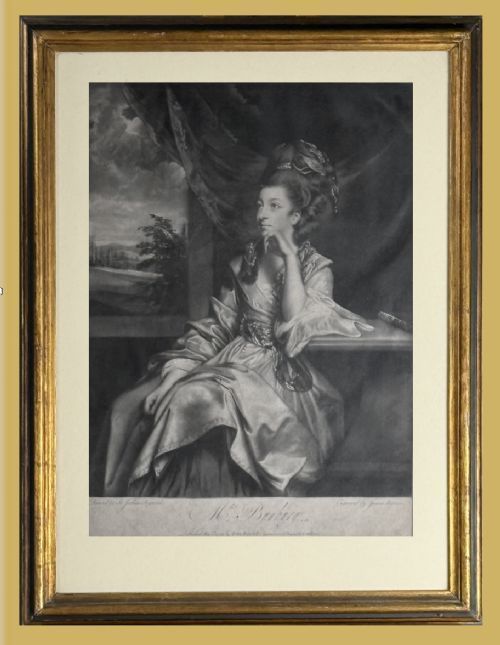
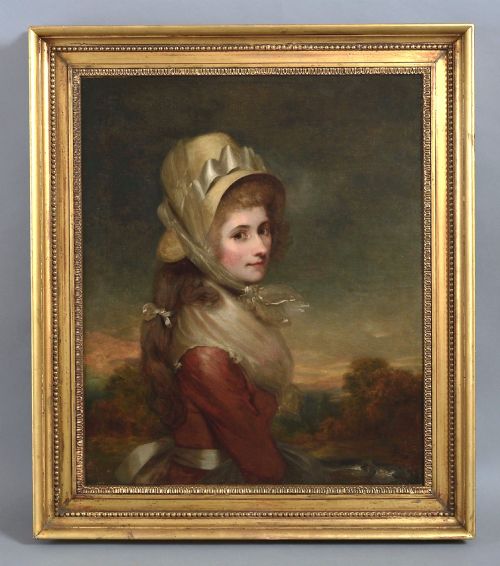
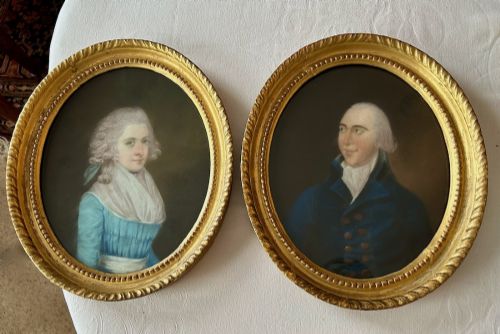
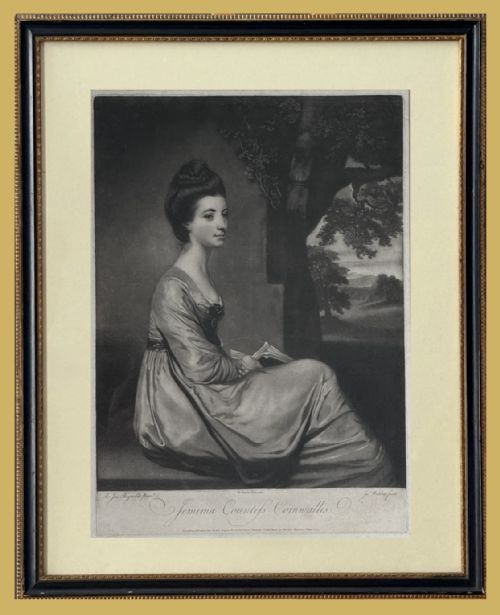
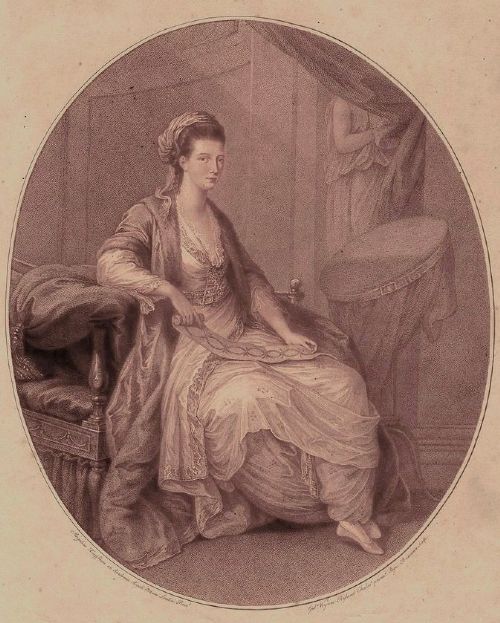
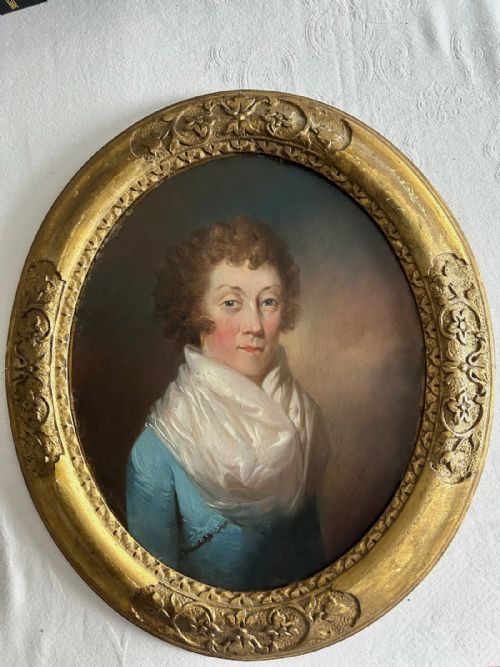
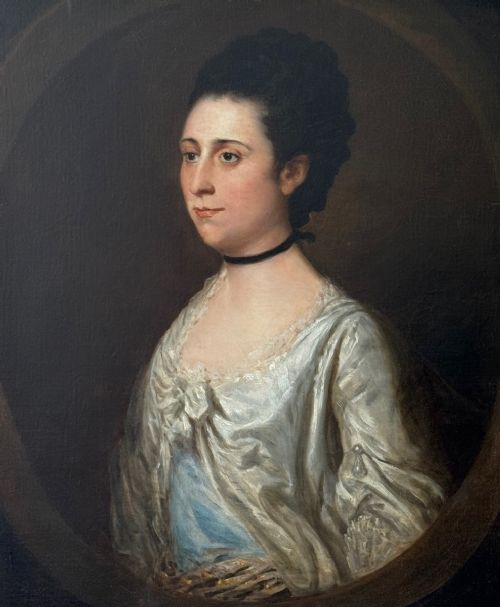
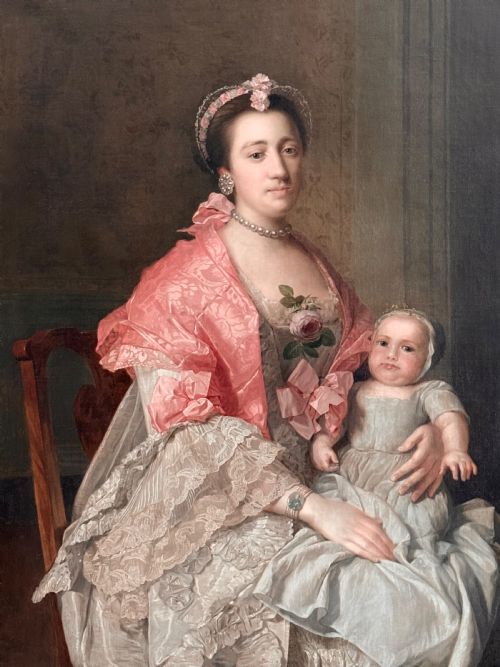
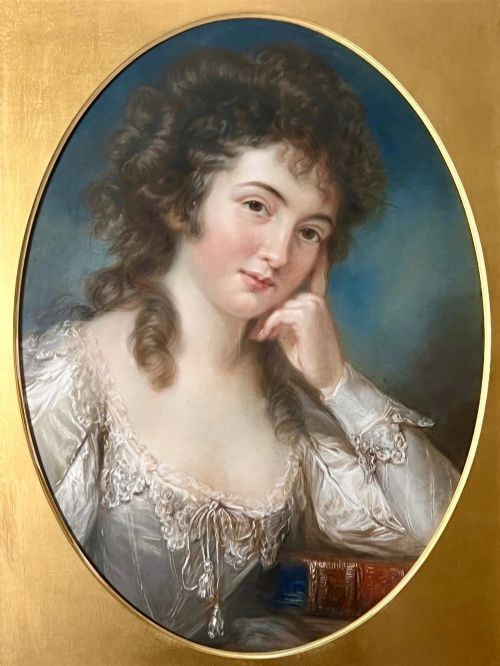
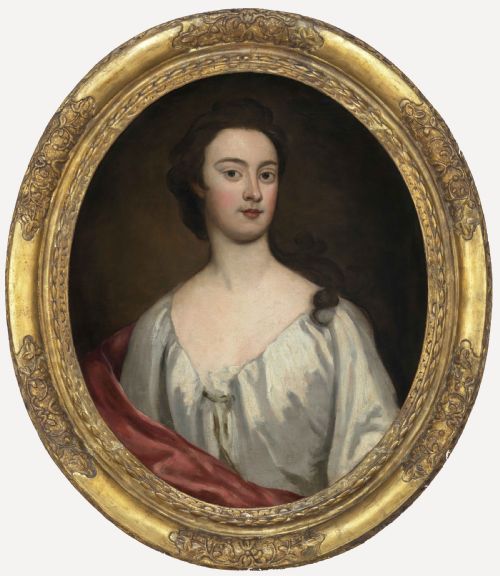
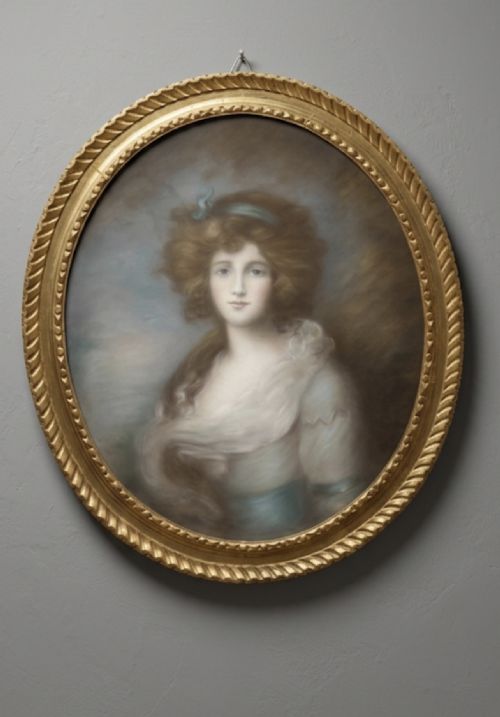
Georgian female portraiture comprises painted, pastel, and printed likenesses of women from the eighteenth and early nineteenth centuries. These works record sitters in oil on canvas, delicate pastel, and paper prints.
The selections on this page span the eighteenth century, the Regency era, and the Victorian period. You will encounter original oil paintings alongside period engravings, mezzotints, and watercolour studies.
Subjects range from named sitters like Catherine Bunbury and Julia Peel to anonymous ladies captured in domestic settings or formal attire. Each piece reflects the aesthetic conventions of its specific decade.
How They Were Made
Artists worked primarily in oil on canvas, applying pigment to primed fabric stretched over wooden frames. Pastels on paper offered a softer medium, requiring protective glass and careful mounting.
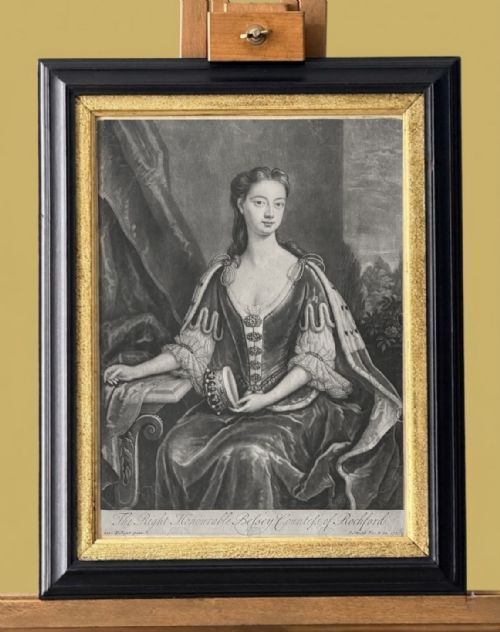
Framing forms an integral part of these objects, utilising giltwood, maple, and ebony to house the artwork. Printmakers employed engraving and mezzotint techniques on paper plates to reproduce popular painted portraits.
Listings feature works spanning the eighteenth century, the Regency era, and the Victorian period, executed in oil, pastel, watercolour, and print.
What Varies in Quality
The ability of the artist to render facial expression and textile texture defines the upper tier of these works. Skilled brushwork captures the sheen of silk, the weight of lace, and the individual character of the sitter.
The integrity of the original support and frame contributes significantly to the standing of a piece. Retained original frames, such as maple or giltwood surrounds, preserve the historical context of the portrait.
Sir Joshua Reynolds·Thomas Gainsborough·John Russell·Sir Thomas Lawrence·Philip Mercier
The Georgian Female Portraiture Glossary
- Mezzotint
- A printmaking process of the tonal method, enabling the creation of subtle gradations of light and shade on paper. This technique was frequently utilised to reproduce popular painted portraits.
- Pastel portrait
- A work executed using powdered pigment sticks bound together, offering vibrant colour and soft textures. These fragile pieces require glass protection to preserve the delicate pigment.
- Giltwood
- Wood carved and covered with a thin layer of gold leaf or gold paint. Frames utilising this material were standard for important oil paintings of the period.
- Regency
- The stylistic period spanning the early nineteenth century, marked by classical restraint and specific sartorial trends. Portraits from this era often feature softer dress styles and simplified hairstyles.
Georgian Female Portraiture: Frequently Asked Questions
How do I identify a Georgian portrait?
Look to the sitter's costume, hairstyle, and framing materials for chronological clues. Eighteenth-century portraits often feature elaborate powdered hair and stiff silk gowns, while Regency examples display classical drapery.
Examining the reverse of the canvas or the construction of the frame can also provide evidence of the period. Pigment analysis and stretcher construction help confirm the age of the materials used.
What is the difference between an oil and a pastel portrait?
Oil portraits utilise pigment suspended in drying oil on a canvas support, offering durability and rich colour depth. Pastel portraits employ dry pigment sticks on paper, creating a matte and velvety surface that is exceptionally delicate.
Pastels must remain behind glass to prevent the chalky pigment from disturbing. Oils can be cleaned and re-varnished over time, whereas pastels require strict environmental protection.
How should I hang and light these portraits?
Position paintings away from direct sunlight and strong heat sources to protect canvas, paper, and giltwood frames. Stable humidity levels prevent the wood of the stretchers and frames from warping.
Use low-heat picture lights or ambient room illumination to view the fine details without causing fading. Ensure wall fixings match the weight of the framed artwork securely.
Are all sitters in these portraits identified?
Many sitters remain anonymous, recorded simply as a lady of the period based on dress and hairstyle conventions. Inclusion of family crests, specific landmarks, or inscribed labels sometimes reveals the identity later.
Unnamed subjects were often painted as domestic records or decorative statements for the home. Attributions usually rely on stylistic comparison with known works by the artist.