
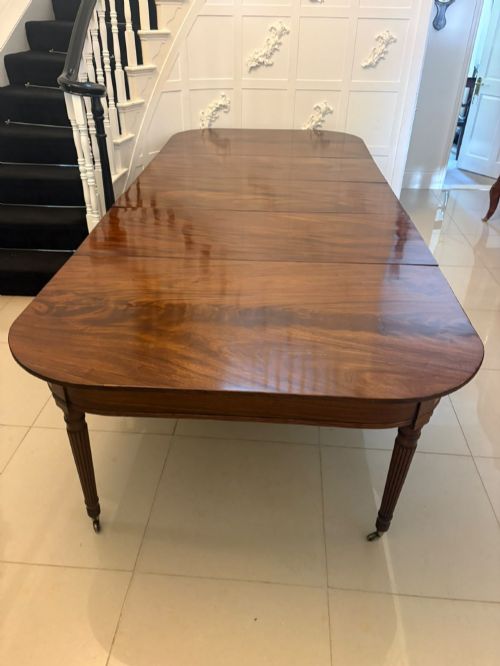
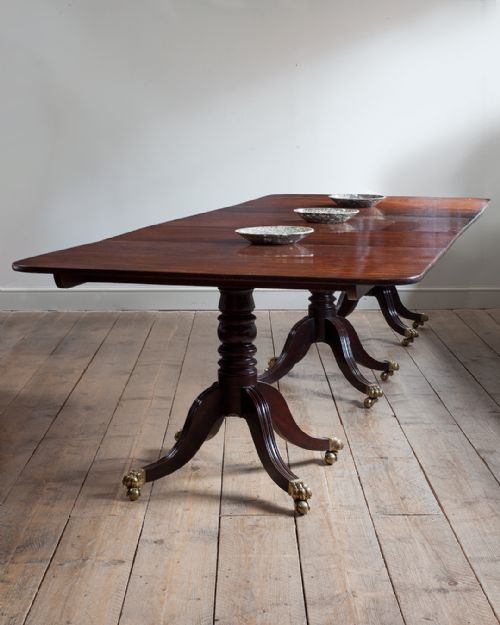
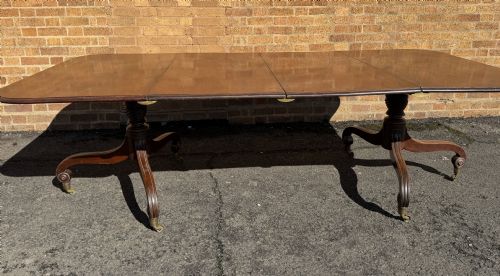
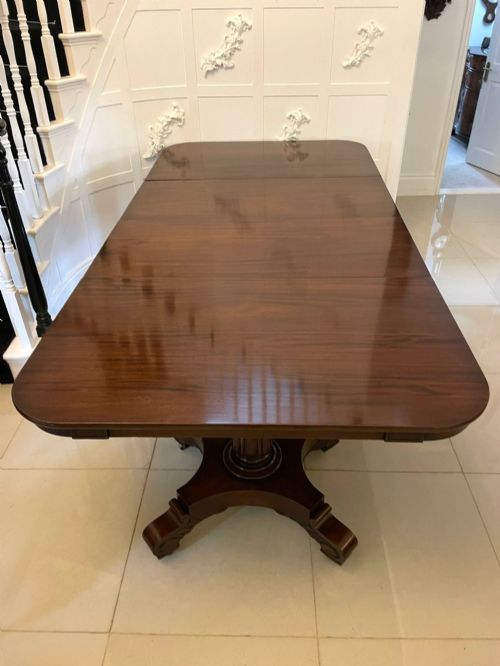
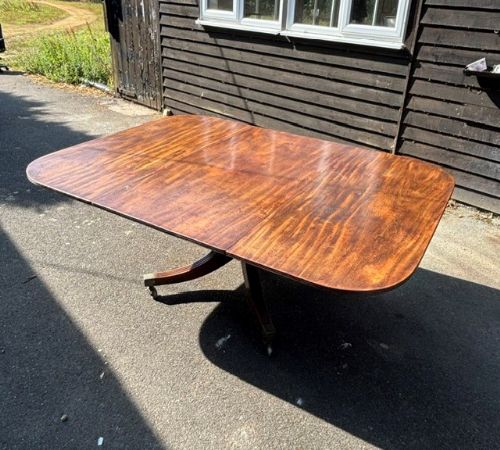
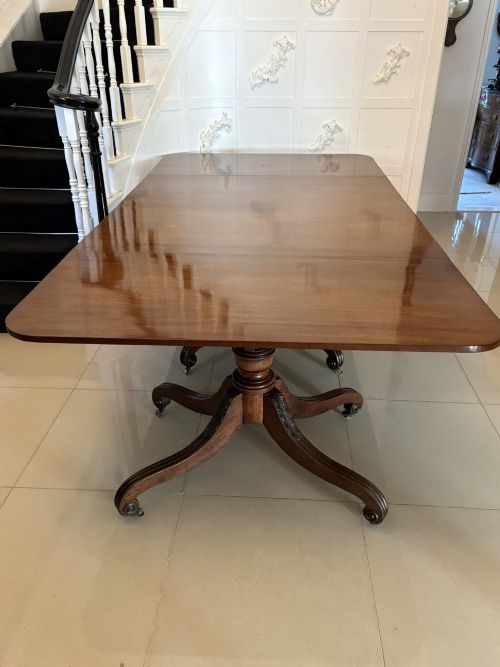
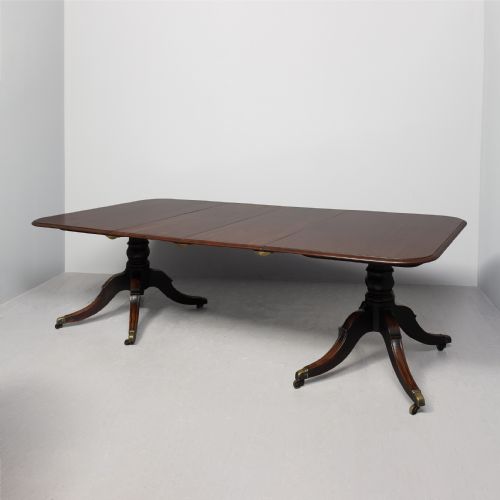
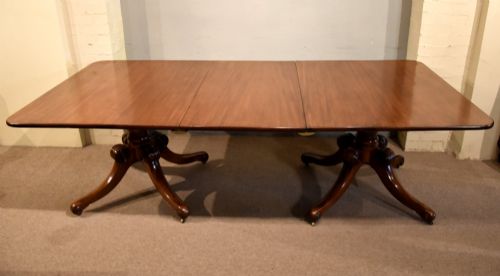
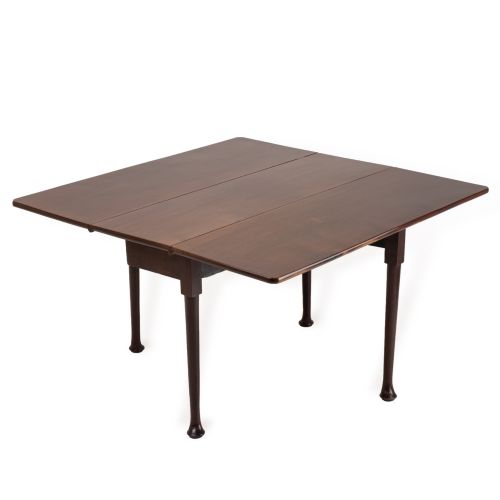


Georgian Extension Dining Table
A georgian extension dining table brings adaptable scale and rich timber to the dining room, built for both intimate family suppers and large gatherings.
Georgian Extension Dining Table
When you search for a georgian extension dining table, you encounter pieces designed to expand through extra leaves, pull-out pillar actions, or drop-leaf configurations. The selection spans the eighteenth and nineteenth centuries, including George III, George IV, and Regency eras alongside later revivals.
Materials and Technique
Makers relied primarily on solid mahogany and figured mahogany veneers, occasionally incorporating satinwood inlay and brass fittings to accent the timber grain. Tables utilise drop-leaf mechanisms, pull-out pillar supports, and patented extension actions to manage heavy timber tops.
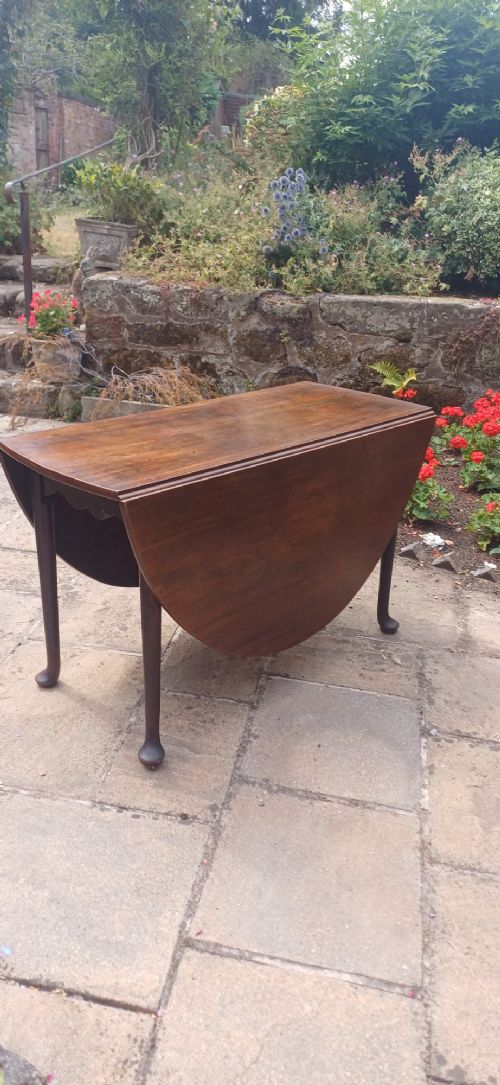
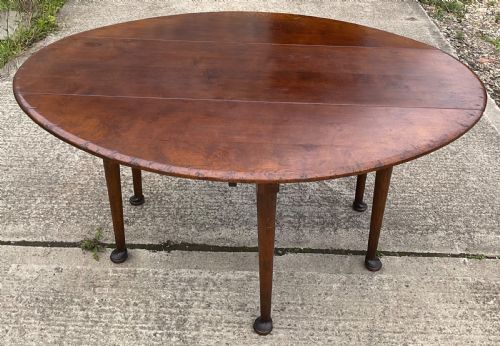
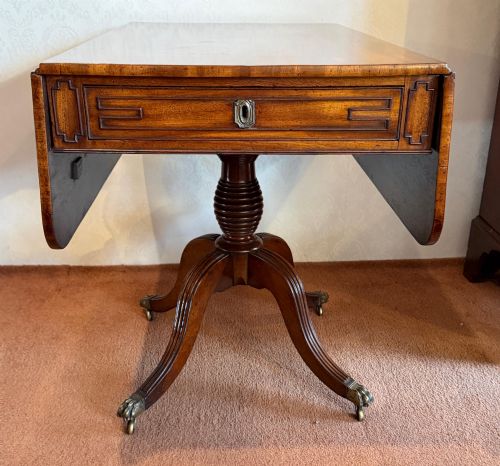
Pedestal formats rest upon central columns with reeded or sabre legs terminating in brass castors, permitting smooth movement across flooring. Gateleg and drop-leaf variants employ hinged flaps supported by swinging wooden legs to secure the extended surface.
Some tables hide ingenious patent mechanisms designed to expand dining space without losing a single inch of stability.
Judging Quality
The distinction between tiers rests upon the selection of timber figures, the precision of the extension mechanism, and the integrity of the original pedestals. Highly regarded pieces display deeply figured mahogany boards matched across multiple leaves and robust brass mechanisms that operate without binding.
Lower ranges often show simpler secondary timbers, mismatched grain patterns across added leaves, or later alterations to the pillar supports. Superior examples maintain structural harmony between the base and the top, exhibiting crisp carving and stable joints throughout.
Thomas Butler·Gillows
The Georgian Extension Dining Table Glossary
- Pedestal
- A central column supporting the table top, typically dividing into three or four legs with brass castors. This construction allows maximum legroom around the perimeter of the table.
- Extension leaf
- A removable board inserted into the centre of the table to increase its overall length. These leaves are stored separately when the table is closed to a shorter footprint.
- Drop-leaf
- A table top featuring hinged side flaps that fold down when not in use. Supported by swing legs or brackets, these flaps lift to expand the surface area.
- Gateleg
- A table with hinged legs that swing out like a gate to support drop leaves. This design provides sturdy under-framing for older timber tables.
- Satinwood inlay
- Contrasting blonde wood veneer embedded into the darker mahogany surface. It creates geometric or botanical borders and decorative panels.
Georgian Extension Dining Table: Frequently Asked Questions
How do extension leaves fit into these tables?
Extension leaves drop into the centre of the table when the frame is pulled apart on its runners or pillar mechanism. Brass clips or wooden pegs underneath secure the sections together.
Extra leaves are stored separately in transit or storage cabinets when the table is contracted to a shorter length for everyday use.
How do I distinguish a Regency table from a George III one?
George III tables often display straight pillar supports, spade feet, and understated mahogany surfaces dating from the late eighteenth century. Regency examples tend to feature bolder pedestal columns, reeded edges, and brass paw castors reflecting early nineteenth-century taste.
Both periods share a commitment to dense mahogany timber, but Regency designs frequently incorporate more dramatic pedestal arrangements and mechanical actions.
Can I seat twelve people comfortably at these tables?
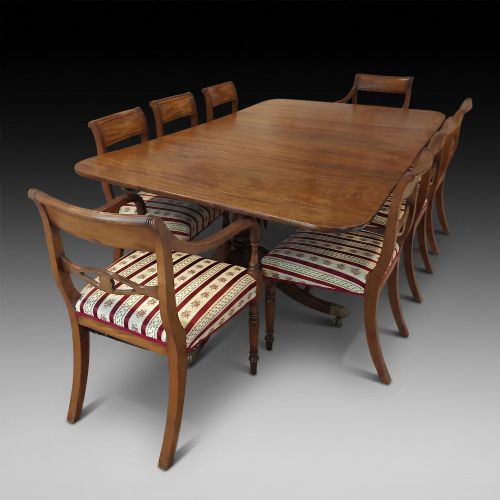
Many larger twin and triple pedestal formats extend to accommodate twelve, sixteen, or even eighteen diners with all leaves inserted. The pedestal design ensures table legs do not obstruct guest seating around the perimeter.
Dining capacity depends entirely on the total length achieved when fully extended, making multi-pillar formats ideal for hosting large dinner parties.
How do drop-leaf tables differ from pedestal tables?
Drop-leaf tables utilise hinged side flaps supported by swing legs or gateleg actions, allowing the top to reduce in size instantly. Pedestal tables rely on central columns and pull-out frames that require separate removable leaves.
Drop-leaf variants typically suit smaller rooms and offer versatile daily footprints, whereas pedestal formats provide formal dining grandeur and extensive seating capacity.