


Georgian Executive Writing Desk
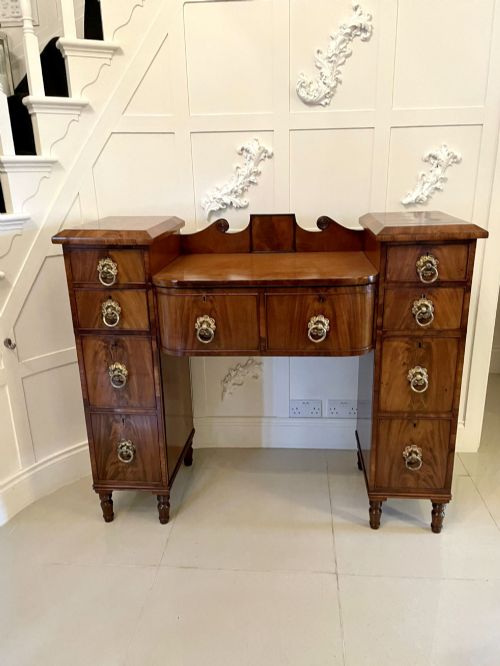
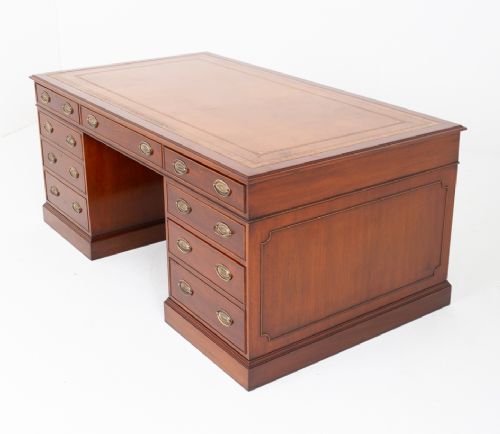
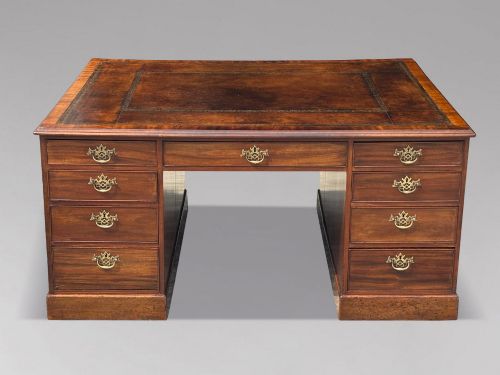
A georgian executive writing desk provides a grand working surface, and you are looking at substantial pedestal and partners forms designed for serious administrative use.
Georgian Executive Writing Desk
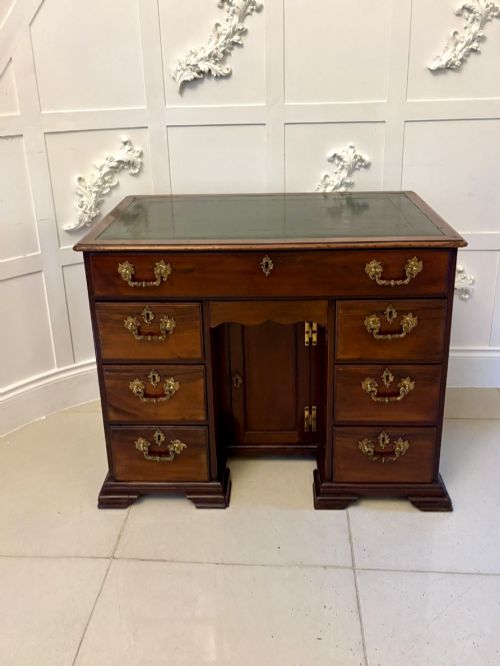
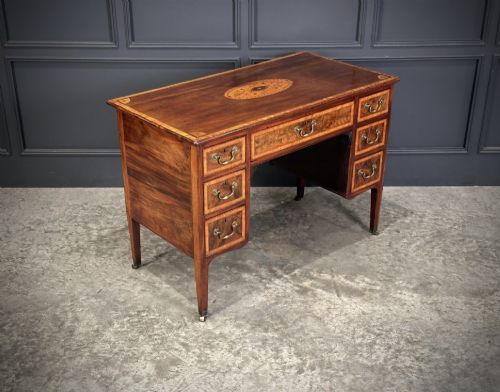
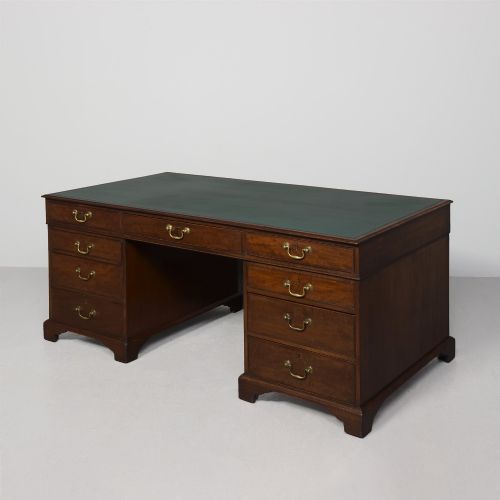
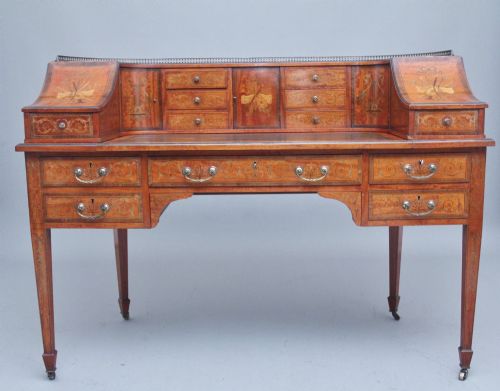
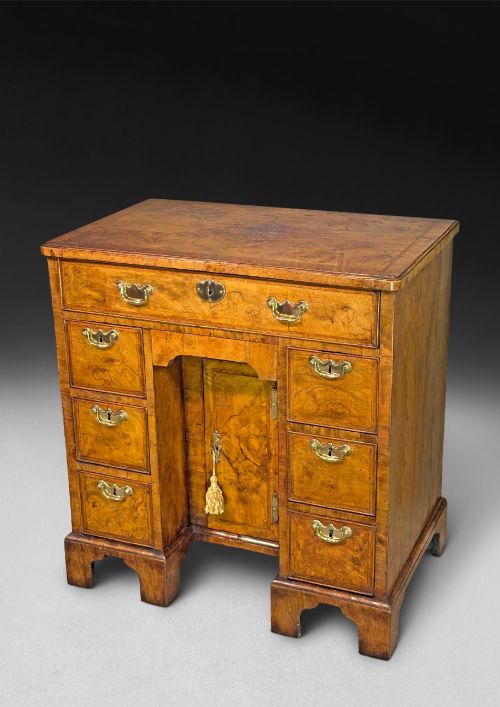
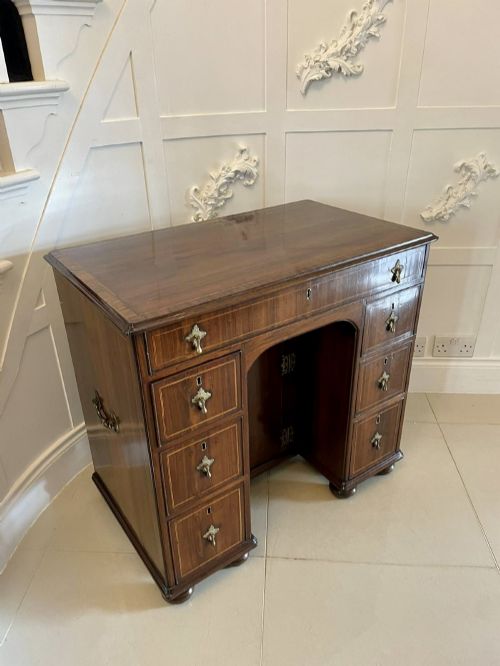
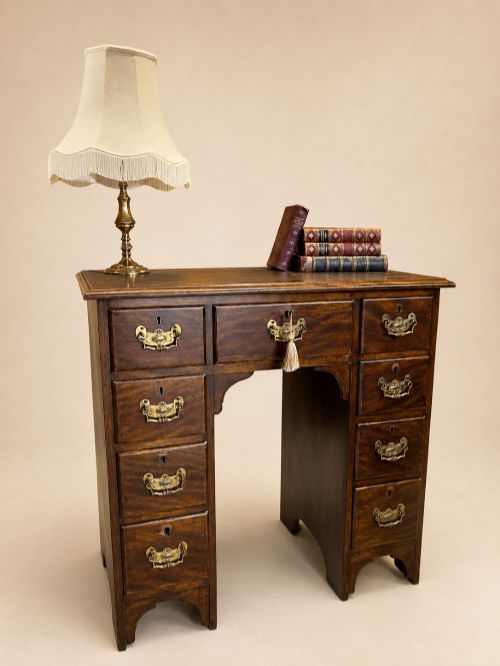
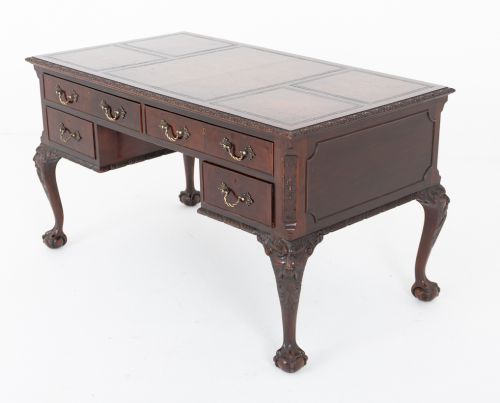
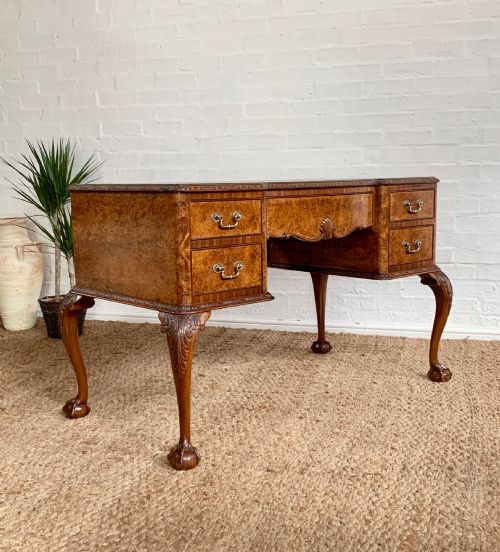
When you search for a georgian executive writing desk, you encounter robust kneehole desks, partners desks, and library tables built for extensive paperwork and storage. The pieces available span genuine Georgian periods alongside later Victorian, Edwardian, and revival interpretations.
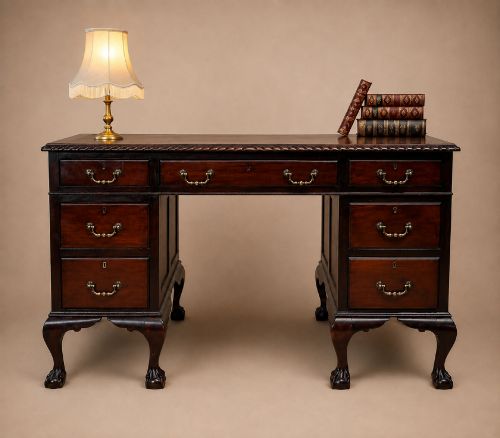
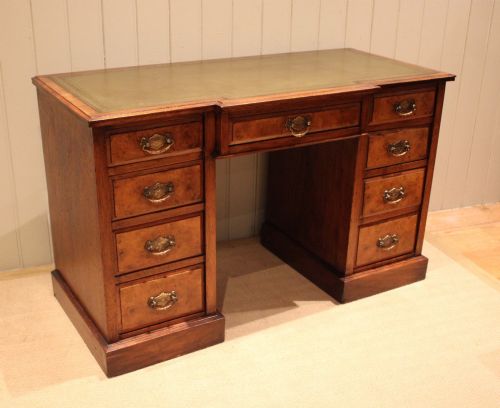
You are most likely to meet mahogany pedestal desks and walnut kneehole forms equipped with fitted drawers and writing surfaces. These variants originate from the eighteenth century onwards, with substantial representation from revival eras replicating earlier proportions.
The form prioritises central kneeholes flanked by banks of drawers, occasionally expanding into freestanding partners desks intended for dual use from opposing sides. Each example maintains a formal architectural presence suited to executive studies.
Determinants of quality
The distinction between standard examples and superior pieces rests on the choice of timber and the precision of the carving. Finely figured walnut and flame mahogany veneers demonstrate deliberate material selection by the maker.
Proportion and architectural detailing separate basic utility furniture from ambitious cabinet work. Crisp mouldings, well-executed bracket or plinth feet, and original brass hardware elevate the status of the desk within its period.
Secret compartments occasionally hide within pedestal columns, waiting for a clumsy pen to reveal them.
The Georgian Executive Writing Desk Glossary
- Partners desk
- A large pedestal desk designed with drawers and cupboards on both sides so two people can work facing each other. These pieces often feature extensive storage capacity and finished backs.
- Kneehole desk
- A compact pedestal desk featuring a central recess for the legs beneath a single drawer or bank of small drawers. This form became popular during the eighteenth century for smaller studies.
- Pedestal desk
- A freestanding desk comprising a top surface supported by two independent pedestals containing drawers or cupboards. The configuration provides robust stability and generous enclosed storage.
- Library table
- A large freestanding table utilised for reading and writing, finished on all sides. These tables often incorporate frieze drawers beneath the main surface.
- Flame mahogany
- A veneer cut from the fork of the mahogany tree to create a dramatic, undulating flame-like grain pattern. Cabinet makers used this timber for principal display surfaces.
Georgian Executive Writing Desk: Frequently Asked Questions
What is a partners desk?
A partners desk is a large double-sided form designed so two individuals can sit and work opposite one another.
These pieces feature drawers and cupboards accessible from both sides, making them suitable for shared administrative spaces.
How do I identify a genuine period piece?
Identifying period pieces involves examining construction methods, timber ageing, and secondary woods used in internal drawer construction.
Revival pieces from the nineteenth and twentieth centuries often replicate earlier Georgian styles while exhibiting distinct technological marks from their actual manufacturing era.
Where should I place a pedestal desk?
Pedestal desks function effectively against a wall or freestanding in the centre of a room, depending on whether the back is finished.
Partners desks and library tables are specifically designed to stand away from walls as centrepieces in an executive study.
What maintenance do leather writing surfaces need?
Leather surfaces benefit from occasional cleaning and conditioning with appropriate wax or balm to prevent drying and cracking.
Avoiding direct sunlight and excessive heat preserves the gilt tooling and suppleness of the leather inset.