

Georgian English Ceramics
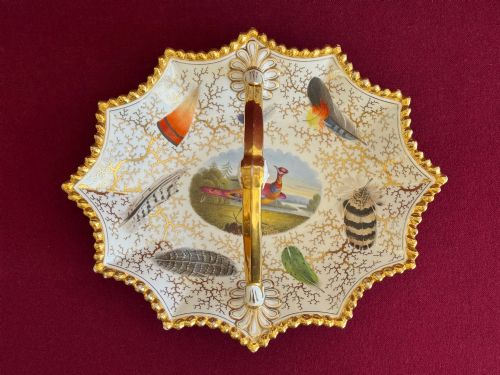
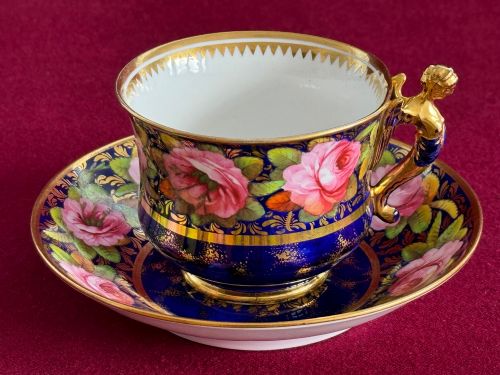
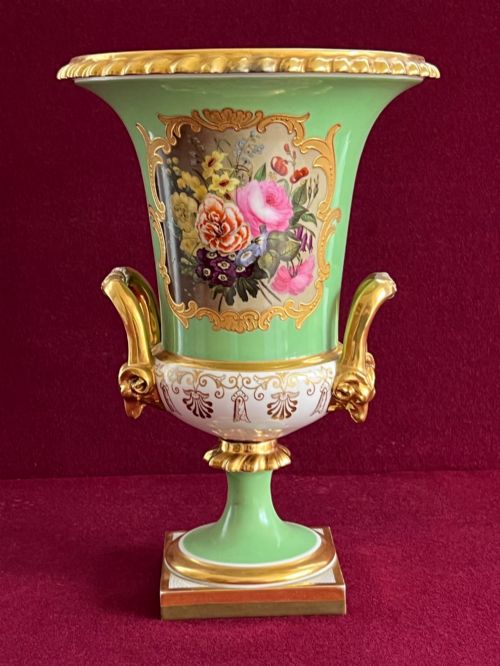
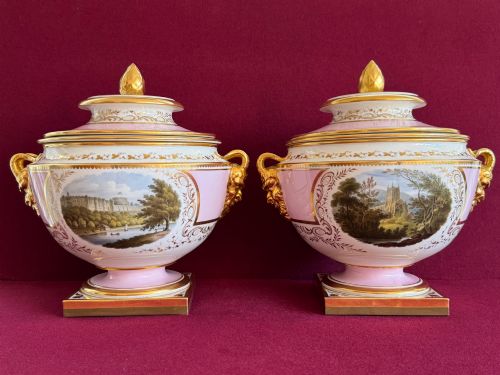
When you search for georgian english ceramics, you encounter the refined porcelain, earthenware and creamware produced across the eighteenth and nineteenth centuries.
Georgian English Ceramics
When you search for georgian english ceramics, you look at domestic wares, tea services, tableware and decorative figures produced during the Georgian and Regency periods. You will frequently meet eighteenth-century porcelain teapots, dishes and jugs alongside nineteenth-century earthenware vessels.
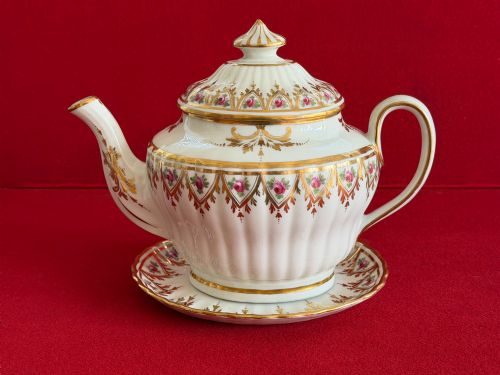
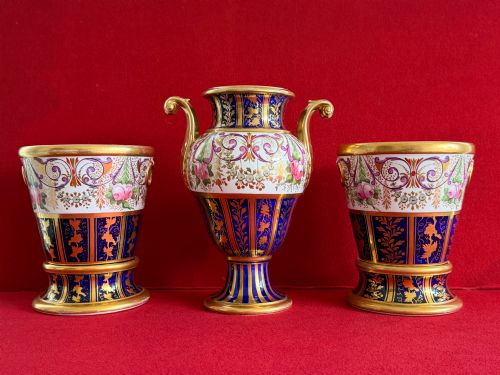
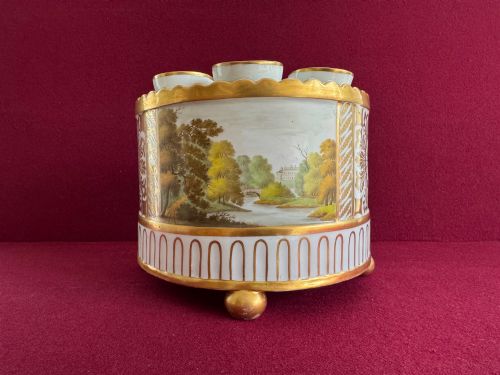
The selection ranges from early soft-paste tea canisters and sauce boats to large creamware jugs and bone china plates. Form follows utility across most examples, though ornamental vases and jardinières also appear regularly.
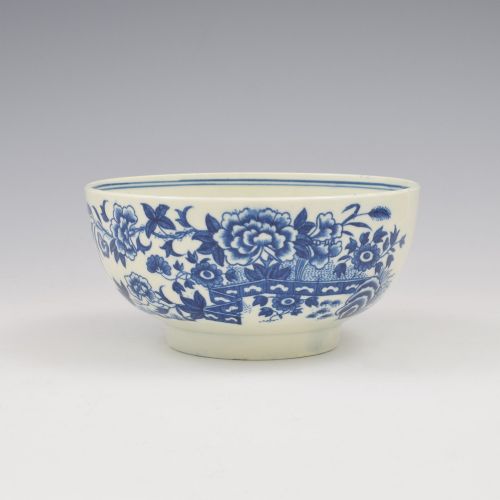
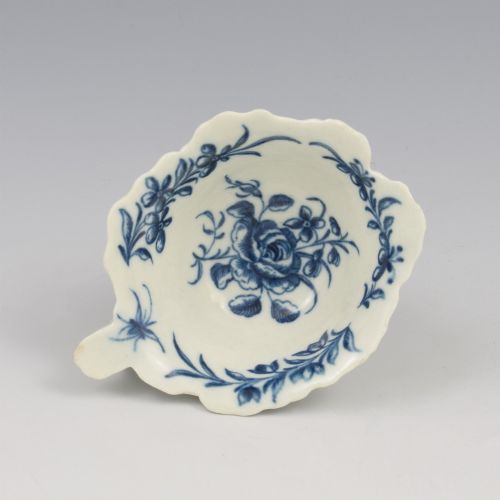
Makers and factories from Worcester, Derby, Bow and Staffordshire dominate the items available. You find both blue and white transfer-printed items and hand-painted polychrome pieces reflecting Rococo, Neoclassical and Chinoiserie tastes.
How they were made
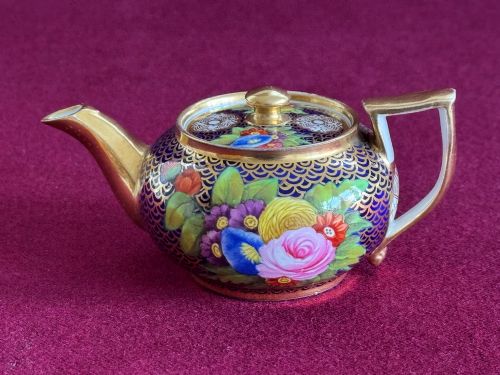
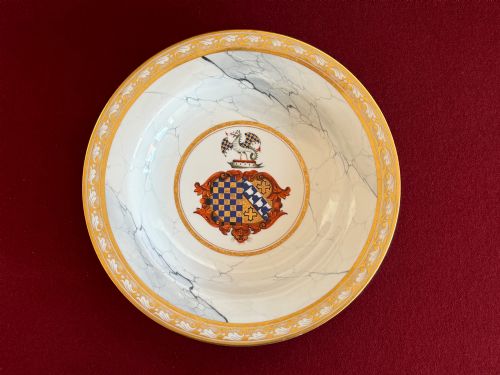
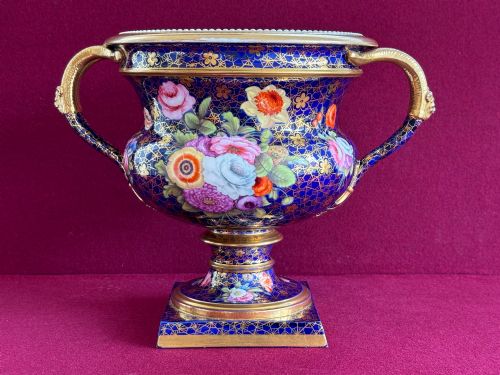
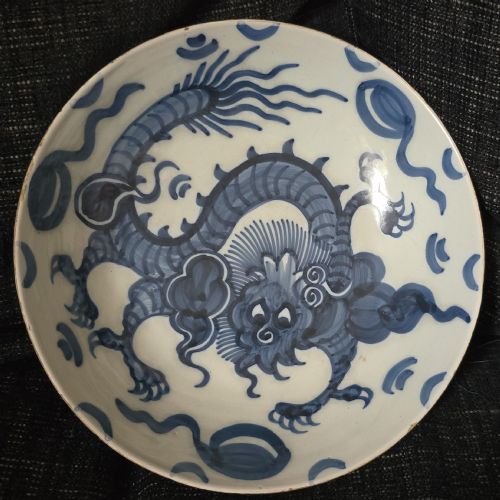
Potters shaped soft-paste porcelain, hard-paste porcelain, bone china, creamware and earthenware before firing them in kilns. Enamel colours, gilding with gold leaf, and cobalt blue underglaze decoration were applied by hand or transferred onto the surface.
Transfer printing allowed workshops to apply complex black or blue patterns onto creamware and earthenware bodies with great consistency. Glazes were then fired to seal the decoration and impart a lustrous or glossy finish to the ceramic body.
Some nineteenth-century makers turned their ceramic skills to commode-shaped teapots, proving that Georgian tea tables welcomed a robust sense of humour.
What varies in quality
Quality rests upon the crispness of the moulding, the fineness of the ceramic paste, and the skill behind the hand-painted or transfer-printed decoration. Pieces with carefully controlled kiln firings and vibrant, precise enamel work stand apart from simpler production wares.
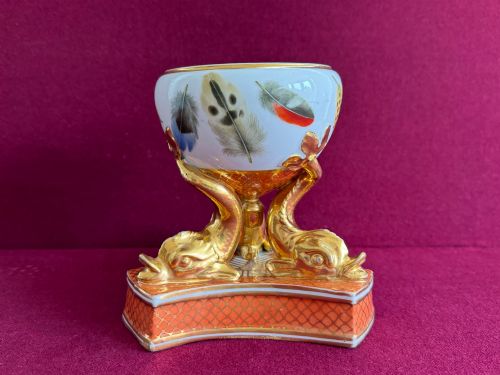
The precision of the gilding and the clarity of cobalt blue underglaze details distinguish factory output. Early figures and painted dishes demonstrate artistic ambition through their modelling and nuanced polychrome palettes.
Grainger Lee And Co·Flight Barr And Barr·Wedgwood·Derby Porcelain·H And R Daniel·Flight And Worcester·Spode Porcelain·Richard Chaffers·Caughley Porcelain·Davenport·Bow Porcelain·Newhall·Coalport John Rose
The Georgian English Ceramics Glossary
- Creamware
- A light-coloured refined earthenware developed in Yorkshire and Staffordshire during the eighteenth century. It featured a transparent lead glaze over a fine cream-coloured body.
- Soft-paste porcelain
- An artificial ceramic composition fired at lower temperatures than true hard-paste porcelain. It produced a warm, slightly creamy body frequently used by early English factories.
- Transfer printing
- A technique where an engraved metal plate transferred an inked design onto paper, which was then pressed onto the ceramic surface before glazing. This enabled detailed patterns to be applied rapidly.
- Earthenware
- A porous pottery body fired at lower temperatures and rendered impermeable through the application of a vitreous glaze. It formed the basis for utility jugs, basins and transfer-ware items.
- Gilding
- The application of gold leaf or powdered gold onto the surface of porcelain or pottery. It was typically fixed by a final low-temperature kiln firing.
Georgian English Ceramics: Frequently Asked Questions
What defines georgian english ceramics?
These items encompass porcelain, earthenware, creamware and bone china produced during the eighteenth and nineteenth centuries in England. They reflect shifts from Rococo extravagance to Neoclassical restraint in domestic and decorative objects.
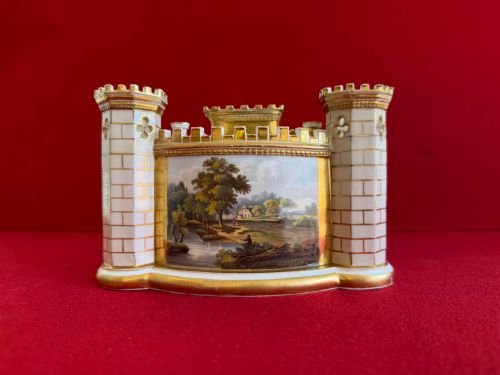
The category includes functional tableware like teapots and plates alongside decorative figures, jardinières and inkstands manufactured by notable historical potteries.
How do you date these pieces?
Dating relies upon recognising factory marks, stylistic traits, material compositions and decorative techniques specific to periods like the eighteenth century or the Regency era. Early soft-paste bodies and specific hand-painted palettes often indicate earlier eighteenth-century manufacture.
Later nineteenth-century pieces frequently utilise bone china or improved earthenware bodies alongside industrial transfer printing methods. Comparing known pattern numbers and shapes helps narrow down the decade of production.
How were these items used originally?
Many pieces served daily domestic functions within Georgian households, particularly in the preparation and consumption of tea, coffee and meals. Teapots, cream jugs, cups and dessert services were central to polite social entertaining.
Other items fulfilled specialised household or decorative roles, including toothbrush boxes, footbath jugs, wine coolers, inkstands and mantel figures designed to display refinement.
How should I care for antique ceramics?
Antique porcelain, creamware and earthenware require gentle handling due to their age and delicate painted or gilt surfaces. Hand washing in lukewarm water with mild soap is generally necessary, avoiding dishwashers and harsh abrasives entirely.
Display items away from direct sunlight and sudden temperature fluctuations to protect the ceramic body, glazes and fragile enamel or gold leaf decorations from gradual degradation.