





Georgian Elm Tripod Table
A georgian elm tripod table brings character and warmth to a room with its rich grain and simple country craftsmanship.
Georgian Elm Tripod Table
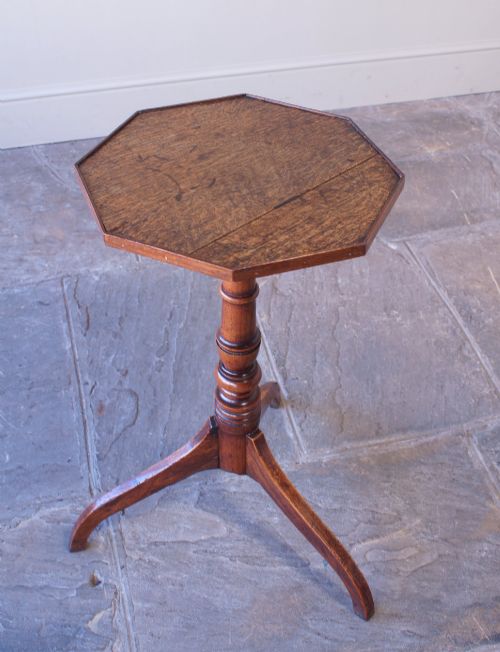
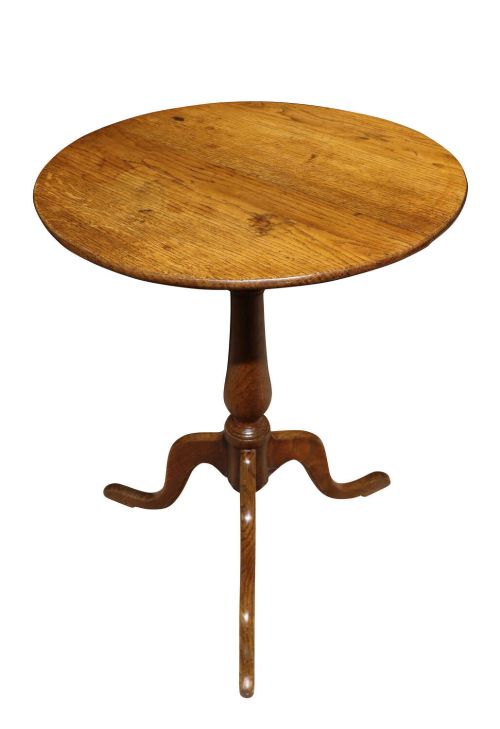
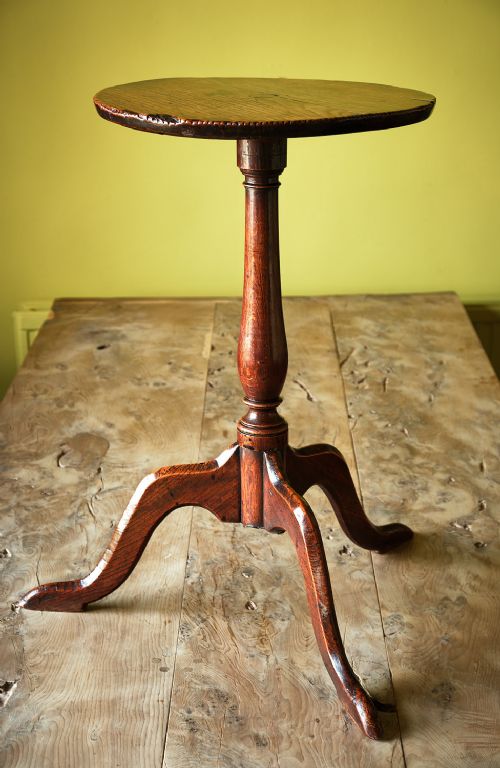
A georgian elm tripod table is a sturdy, practical piece of furniture designed for occasional use in domestic spaces. These tables typically feature a circular top supported by a central pillar and three splayed legs.
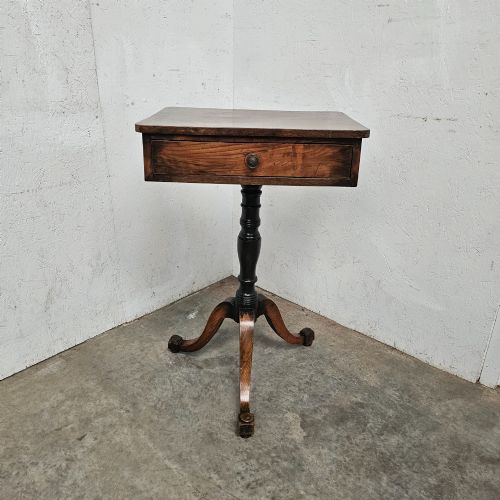
The pieces on this page span the eighteenth and nineteenth centuries, including styles from the Georgian and Regency periods. Buyers frequently encounter elm combined with oak or finished in burr elm, showcasing varied natural grain patterns.
Forms range from compact wine tables and pedestal lamp tables to tilt-top variations and cricket tables. Each example reflects the functional requirements of country houses and domestic interiors of the era.
Materials and construction
Elm provides the primary material for these tables, valued for its tough, interlocking grain that resists splitting. Cabinet makers often selected burr elm for its dramatic, swirling patterns on table tops.
Oak frequently appears alongside elm, particularly for structural elements or legs, adding stability to the tripod base. Wood turners shaped central pedestals on lathes while joining tops with traditional pegged or dowelled joints.
Georgian Elm Tripod Table Retail Price Guide 2026
Typical asking prices for georgian elm tripod table among the pieces listed under this phrase on Sellingantiques today, from the lower quarter to the upper quarter. They describe what is for sale here now, not the wider market.
Listings feature pieces from the Georgian and Regency periods, utilising solid elm, oak, and decorative burr elm.
Distinctions in quality
The visual appeal of the timber dictates much of the distinction among these tables, particularly where burr elm displays rich figuring and depth. Finer examples balance the proportions of the turned pillar with the sweep of the three legs.
Original tilt-top mechanisms and intact pad feet contribute to the integrity of a piece. Differences lie in the selection of secondary woods and the harmony between the top and the supporting base.
The Georgian Elm Tripod Table Glossary
- Tripod table
- A small freestanding table supported by three legs radiating from a central pillar. This design allowed the table to stand steady on uneven floors.
- Tilt-top table
- A table featuring a mechanism that enables the top to pivot to a vertical position when not in use. This allowed the furniture to be stored flat against a wall.
- Burr elm
- A woody outgrowth on an elm tree that produces highly figured, knotty wood veneer or solid timber. Cabinet makers prized this material for decorative table tops.
- Cricket table
- A small, light table with three legs, traditionally associated with domestic use in cottages and farmhouses. They often combined elm tops with oak frames.
- Pad foot
- A rounded, simple foot shape found at the base of cabriole or straight legs on eighteenth-century furniture. It rests flat on the floor without complicated carving.
Georgian Elm Tripod Table: Frequently Asked Questions
What is a tilt-top mechanism?
A tilt-top mechanism uses a wooden catch or pivot block beneath the table surface. This lets the top lock into a vertical position for compact storage.
Craftsmen designed this feature so tables could sit neatly against parlour walls when rooms needed to be cleared.
How do I care for elm wood?
Elm responds best to simple dusting with a dry cloth and occasional applications of beeswax. Avoid placing solid wood tables near direct heat sources or in fluctuating humidity.
Natural oils in beeswax help nourish the grain and protect the surface from minor moisture marks.
Where were these tables used?
These tables served multiple purposes in domestic settings, functioning as wine tables, lamp stands, or supper surfaces. Their portability meant servants could move them easily around country houses.
Their three-legged design prevented rocking on uneven rushes or floorboards common in older properties.
How can I tell the period?
Dating relies on observing construction methods, timber selection, and leg turning styles. Eighteenth-century pieces often display simpler country turning and heavy elm planks.
Later nineteenth-century examples may incorporate refined Regency proportions or distinct burr elm veneers.