




Georgian Drinking Mug
A georgian drinking mug is a sturdy, historic vessel meant for ale or porter, prized by collectors for its honest craft and weight.
Georgian Drinking Mug
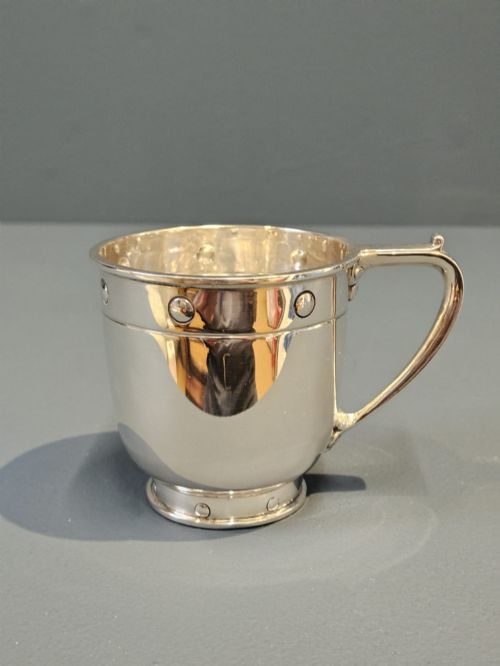
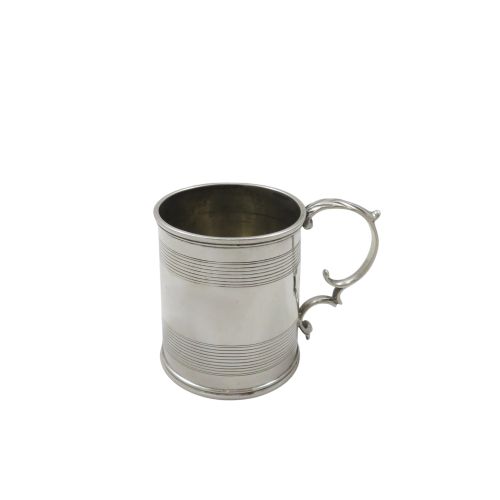
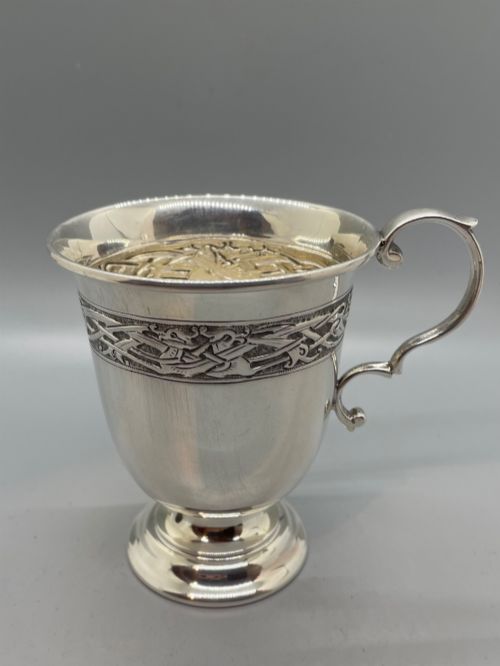
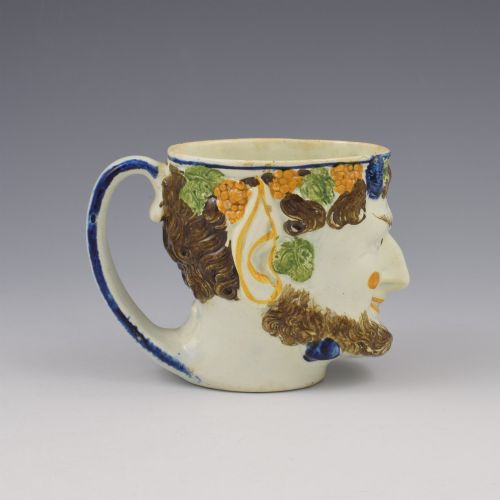
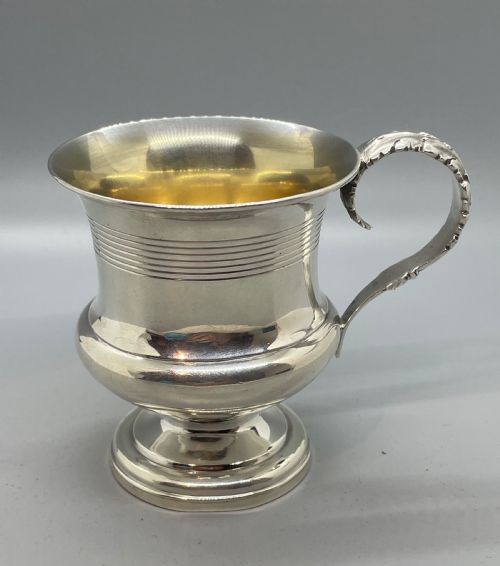
A georgian drinking mug encompasses several forms, from silver tankards and christening cups to earthenware mugs and porcelain porter vessels. Buyers encounter heavy pewter tankards, delicate Derby porcelain pieces, and earthenware frog mugs alongside silver examples from London, Newcastle, and Birmingham.
The selection ranges across the eighteenth and nineteenth centuries, including George II, George III, George IV, and George V periods, as well as Regency and later nineteenth-century items. Tankards, loving cups, and mugs serve as the primary object types appearing in these listings.
How they were made
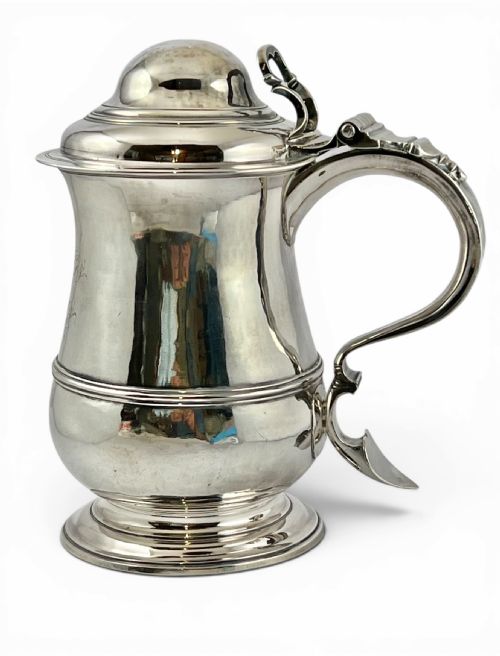
Silversmiths hammered sterling silver and Britannia standard silver into solid bodies, often raising tankards from a single sheet of metal and attaching cast handles. Pewterers cast tin alloys in moulds to produce substantial quart and pint tankards with dome lids.
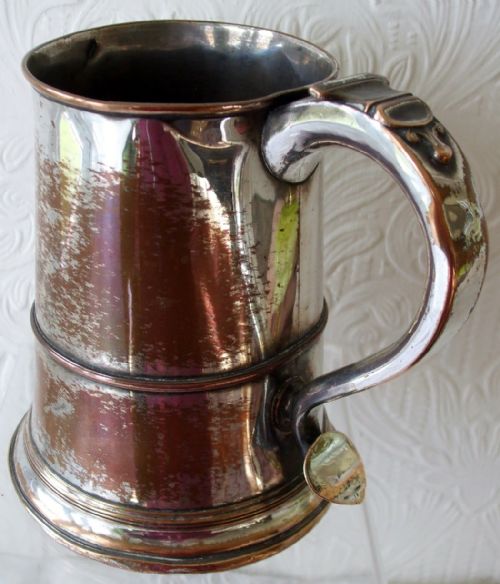
Potters shaped earthenware, pearlware, and porcelain on the wheel or in moulds, finishing pieces with hand-painted details, pearlware glazes, and salt-glazed stoneware techniques like those seen on Westerwald vessels. Sheffield plate makers fused thin sheets of silver onto copper bases to create durable plated tankards.
The selection spans multiple periods, featuring Georgian, Regency, and Victorian items alongside later twentieth-century examples.
What varies in quality
The division between everyday tavern vessels and exceptional display pieces rests on the complexity of the material and the precision of the maker. Master silversmiths and established porcelain factories such as Derby achieved refined proportions and crisp decorative details that set their output apart.
Folk art and utilitarian wares, including earthenware frog mugs and horn beakers, derive their appeal from directness and individual character rather than formal luxury. The integrity of the surviving material, whether solid silver, old Sheffield plate, or tin-glazed pottery, dictates the standing of each piece.
Barker Bros·Duesbury and Kean·John Payne·Burgum and Catcott
The Georgian Drinking Mug Glossary
- Tankard
- A tall, cylindrical drinking vessel, usually featuring a single handle and often supplied with a hinged lid. They appear in silver, pewter, and old Sheffield plate.
- Frog mug
- A ceramic drinking mug featuring a ceramic frog modelled inside the base, designed to surprise the drinker as the liquid drained. They are frequently associated with Staffordshire pearlware.
- Old Sheffield plate
- A composite material made by fusing a thin layer of silver to a thicker copper base, developed in the eighteenth century for tableware.
- Pearlware
- A refined earthenware developed by Staffordshire potters in the late eighteenth century, characterised by a pale bluish-white glaze.
- Britannia standard
- A higher standard of silver purity than sterling, introduced by law in England in 1697 to discourage the melting of coinage.
Georgian Drinking Mug: Frequently Asked Questions
What is a frog mug used for?
A frog mug served as a drinking vessel in taverns and social gatherings, designed to entertain or play a trick on the drinker. As the ale or porter was consumed, a small ceramic frog appeared at the bottom.
These earthenware pieces often featured hand-painted details, inscriptions, or dates. They remained popular in domestic and social settings throughout the nineteenth century.
What is the difference between pewter and silver?
Pewter is a durable metal alloy composed principally of tin, often combined with copper, antimony, or bismuth. It has a dull, matte grey appearance and was widely used for utilitarian tavern tankards.
Silver is a precious metal with a bright reflective finish, used for high-status christening mugs and lidded tankards. Silver pieces frequently carry full hallmarks, whereas pewter tankards often bear maker touchmarks.
Can I use an antique mug for drinking?
Using an antique mug for daily drinking requires careful consideration of the materials involved. Silver, pewter, and porcelain vessels are generally stable, though older metals may require specific cleaning.
Ceramic items with historic glazes or repairs are usually better suited for display rather than regular use. Collectors typically weigh the historic integrity of the vessel against the desire to use it.