

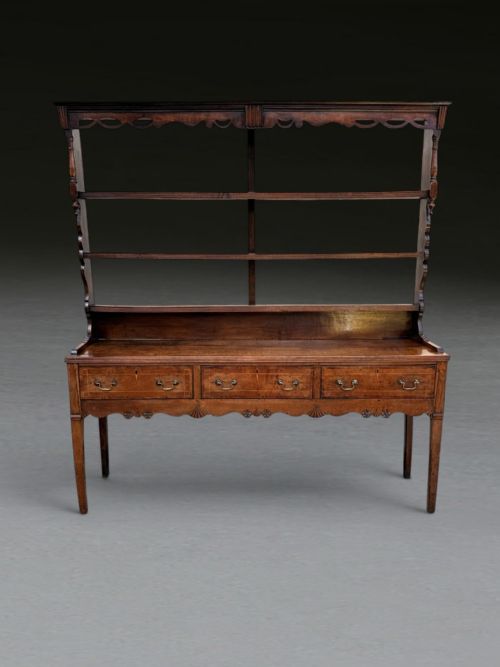
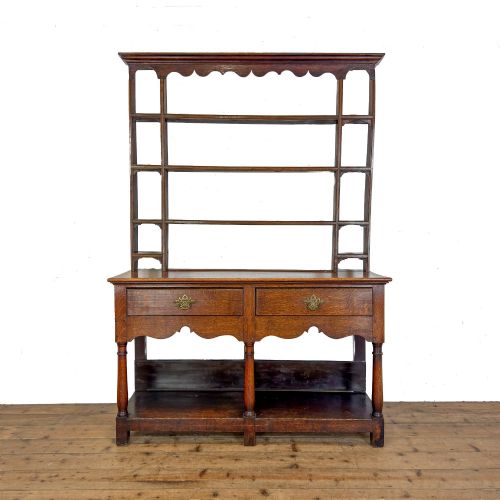
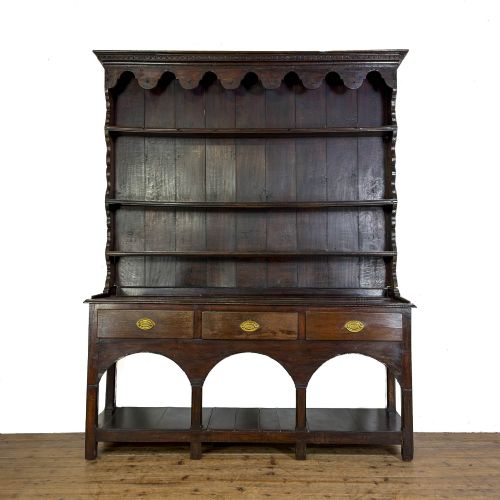
Georgian Dresser with Rack
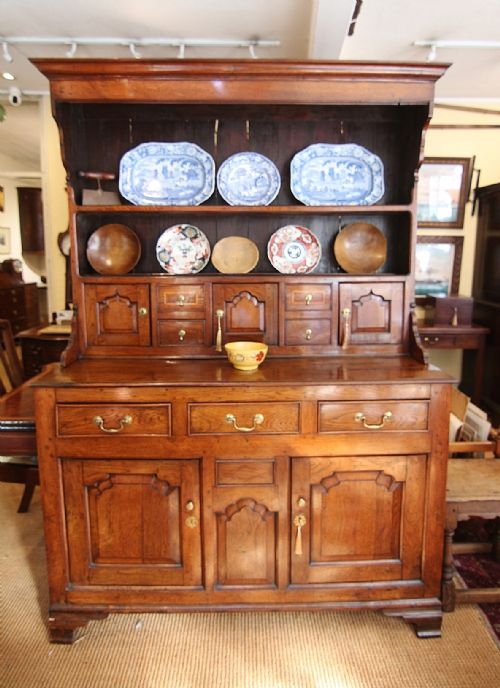
A georgian dresser with rack combines a robust lower storage base with open shelving above, forming the backbone of traditional country interiors.
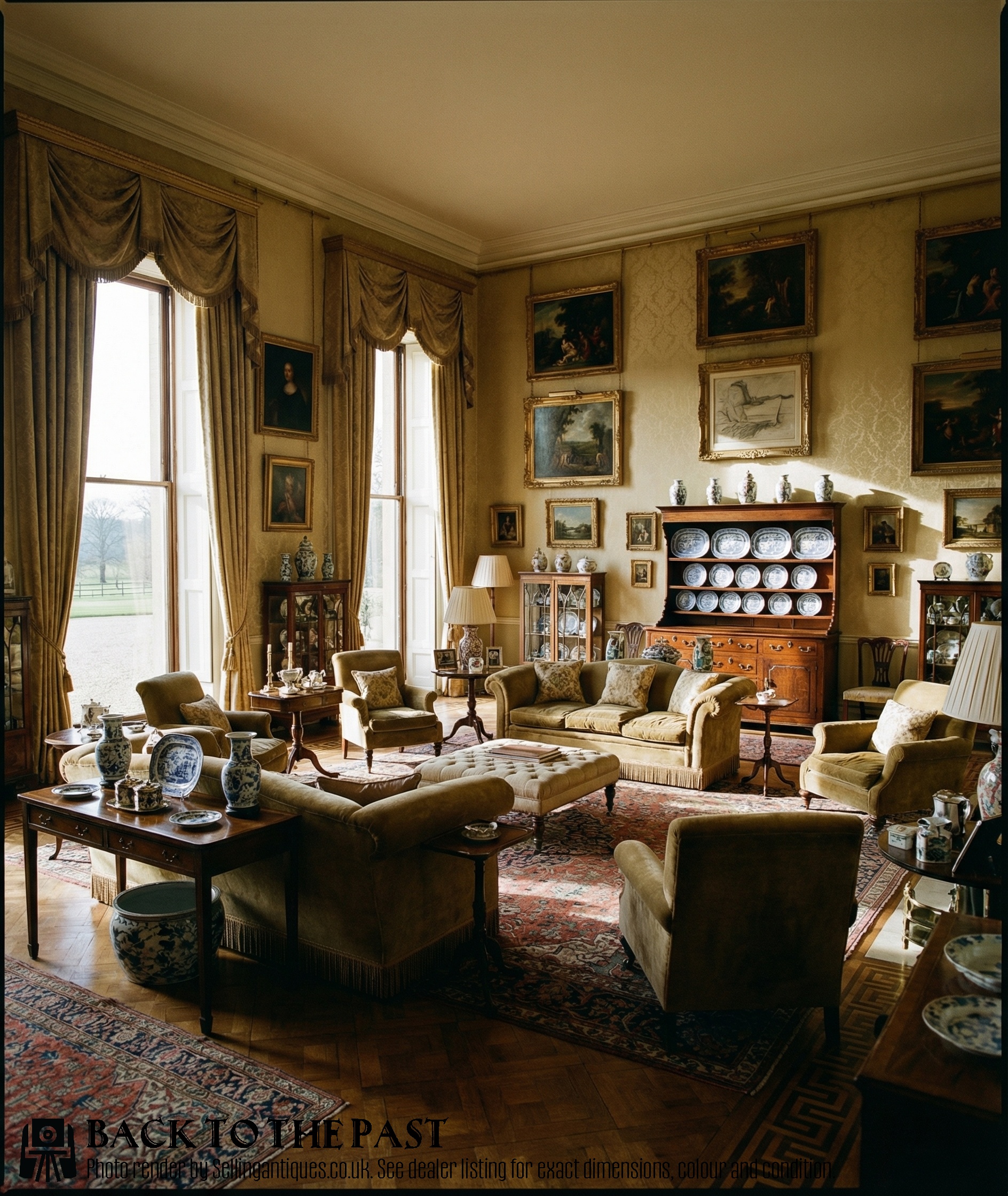
Georgian Dresser with Rack
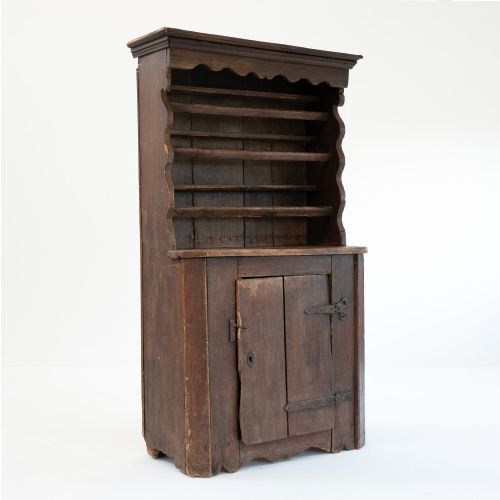
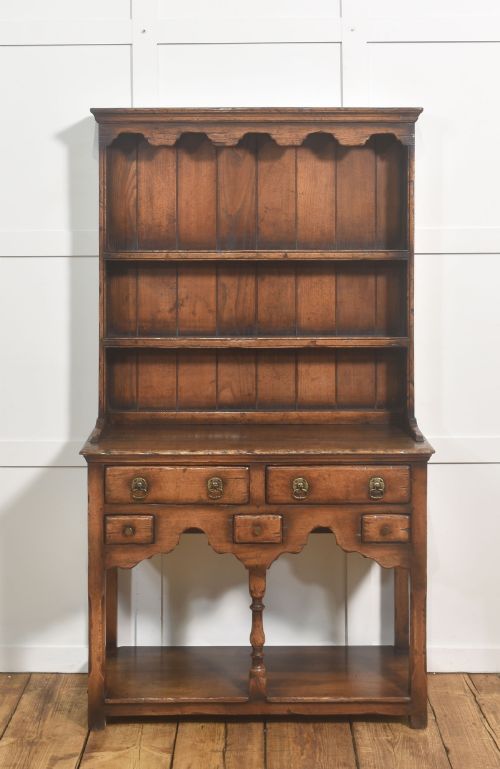
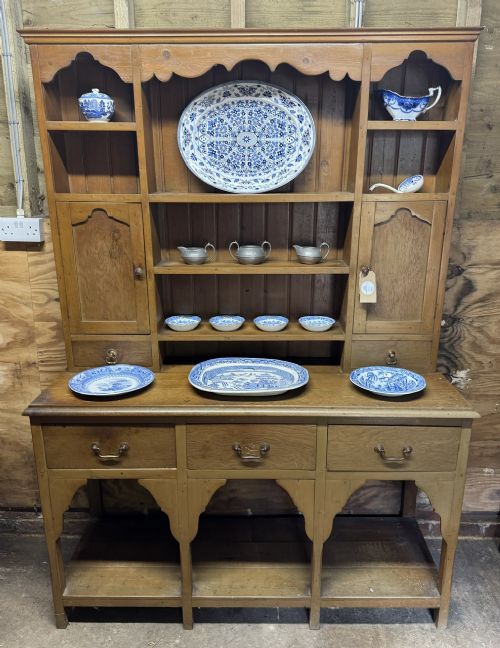
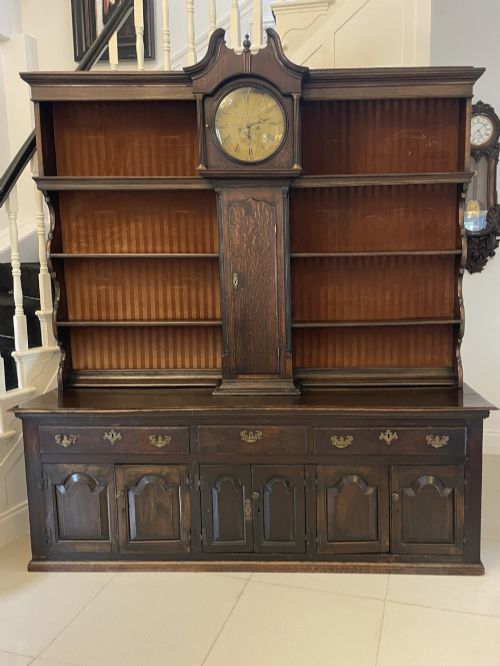
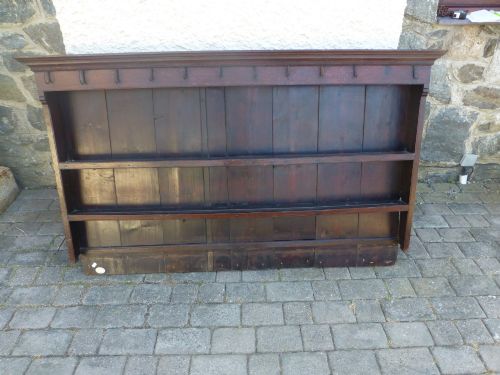
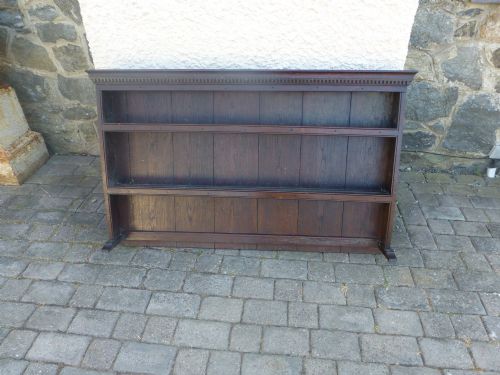
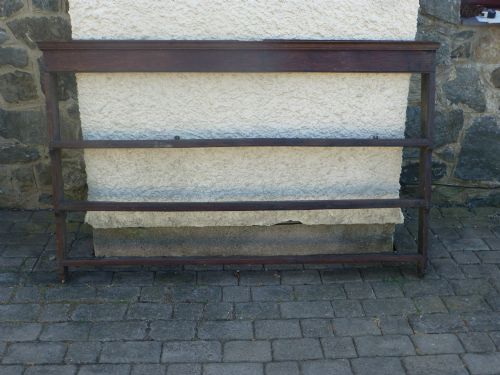
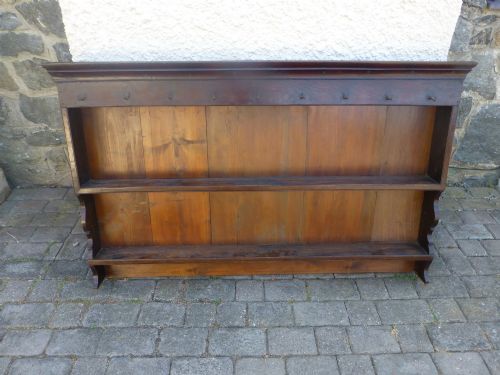
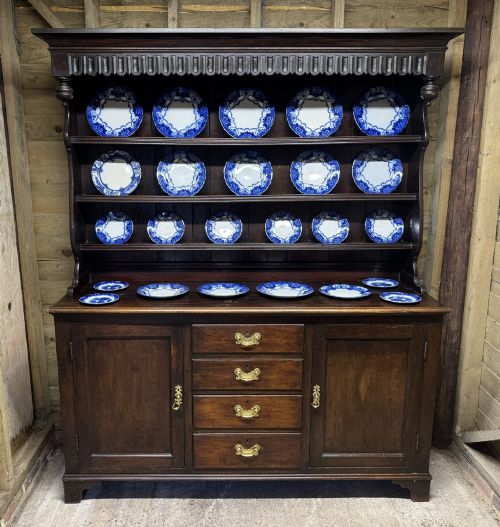
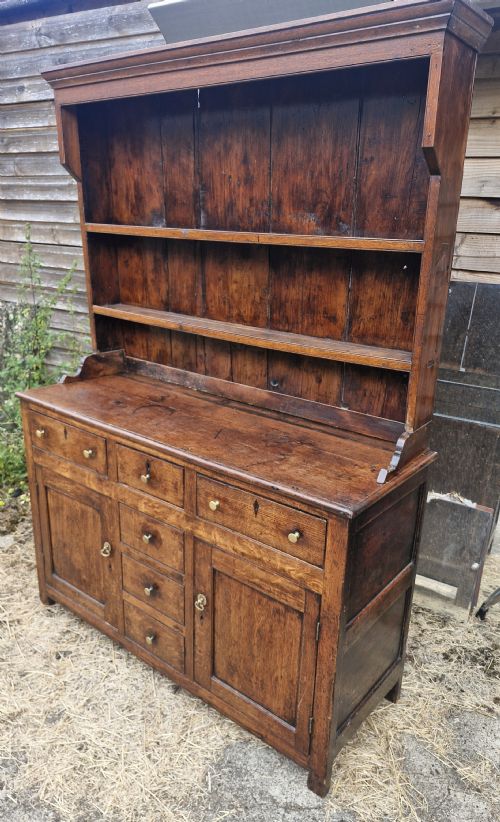
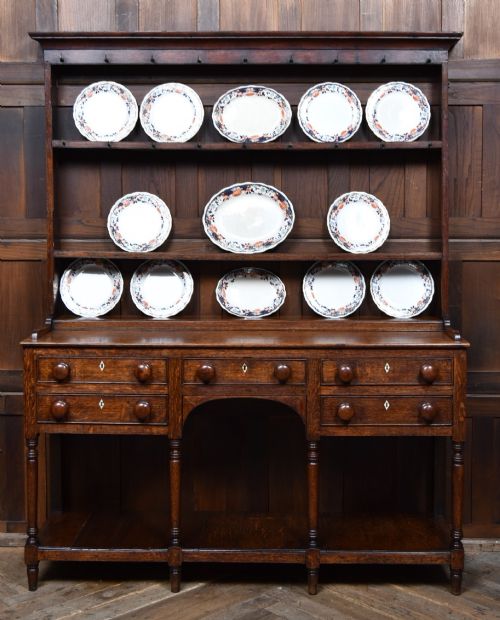
A georgian dresser with rack brings together a fitted sideboard base with an upper plate rack for displaying ceramic wares. The pieces span regional variations from Welsh and English country workshops, taking forms such as potboard bases and breakfront drawer arrangements.
Buyers encounter frequent examples from the eighteenth century and nineteenth century, often described under styles like George III, English Country, and Welsh Vernacular. The lower section typically incorporates drawers and cupboards, paired with open shelves above for plates and jugs.
Regional diversity shapes the selection, with North Wales, South Wales, Shropshire, and West Country pieces appearing across the inventory. Native timbers predominate, giving each regional form its distinct character and proportion.
Materials and construction
Construction relies heavily on native timbers, predominantly oak combined with secondary woods such as pine, elm, and mahogany. Hardware fixtures incorporate brass and iron elements, while decorative details occasionally utilise bone and glass.
Joinery methods reflect traditional country craftsmanship, utilising pegged joints, solid board construction, and hand-cut drawer dovetails. Potboard bases feature low slatted shelves beneath the main counter, designed to hold heavy kitchen utensils.
Some dressers still bear the faint ghost marks of long-vanished spoons on their backboards.
Assessing quality and character
Quality rests upon the integrity of the union between the base and the upper rack, noting whether the shelves belong to the original carcase. Original surface patination and untouched timber ageing separate pieces that retain their historic integrity from later reconstructions.
Proportion and regional vernacular detailing define the upper tier of examples, from Snowdonia potboards to breakfront drawer configurations. Architectural refinements, such as fine cornice mouldings and column details on the rack, elevate certain country pieces.
The Georgian Dresser with Rack Glossary
- Potboard
- A lower slatted shelf fitted between the legs of a dresser base. Originally intended for storing heavy pots and pans off the stone floor.
- Plate rack
- An open set of wall-mounted or carcase-mounted shelves designed for displaying plates and platters. Grooves along the shelf boards hold ceramic plates upright.
- Patina
- The surface sheen and colour developed by wood over decades of handling and polishing. Original patina indicates unstripped historic finishes.
- Breakfront
- A piece of furniture whose central section projects forward from the flanking sides. This layout adds depth to the drawer configuration.
- Vernacular
- Regional furniture built by local country joiners using traditional local styles rather than formal metropolitan designs. Native timbers and practical construction define these pieces.
Georgian Dresser with Rack: Frequently Asked Questions
Are the plate racks original?
Many dressers retain their matching upper plate racks, though some lower bases survived centuries separated from their original top shelves. Evaluating the timber grain, wear patterns, and fixing points helps determine if the rack belongs to the base.
Listings specify when a rack is original to the base or associated from the same period.
What wood are these dressers made from?
Oak serves as the primary timber for the vast majority of these country pieces, often sourced locally by regional joiners. Secondary woods like pine, elm, and mahogany appear in drawer linings, backing boards, and select decorative variations.
Surface finishes range from raw honey oak to painted treatments.
How do I style a dresser at home?
These pieces function well in kitchens and dining rooms to display collections of ceramic plates, bowls, and glassware on the upper shelves. The drawers and cupboards below offer practical storage for tableware and linens.
Allowing the wood grain and original surface patination to remain unencumbered lets the historic character anchor a room.