
Georgian Drawer Box
A Georgian drawer box brings together compact storage and tidy craftsmanship, offering collectors a practical piece of period ingenuity.
Georgian Drawer Box
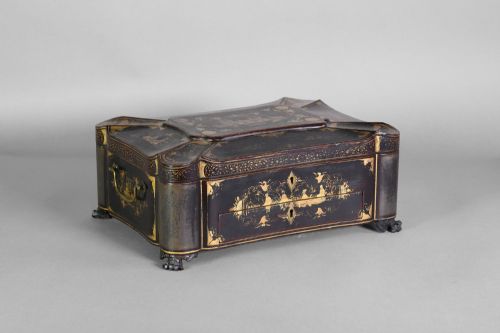
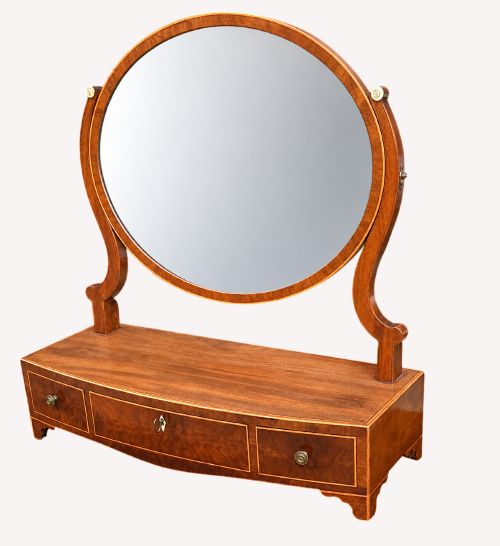
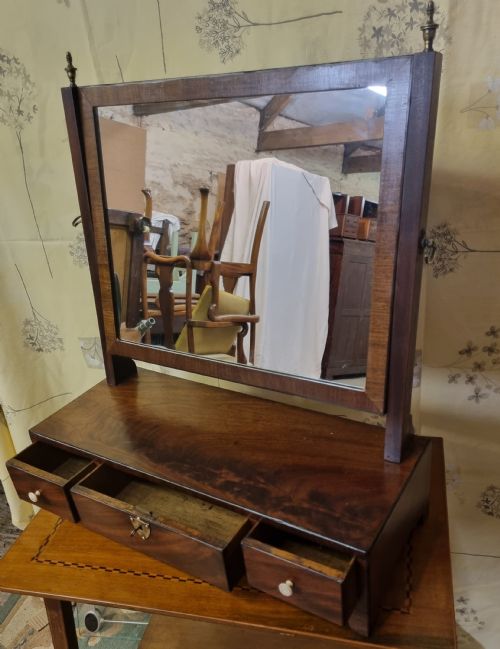
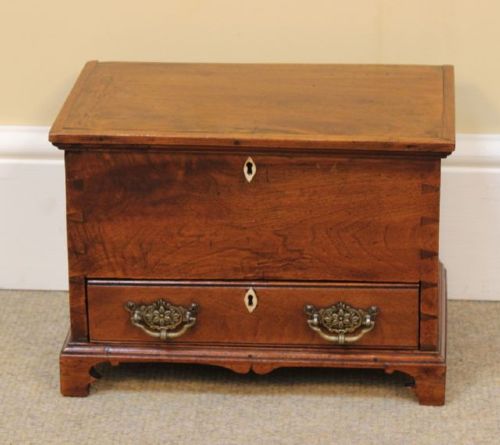
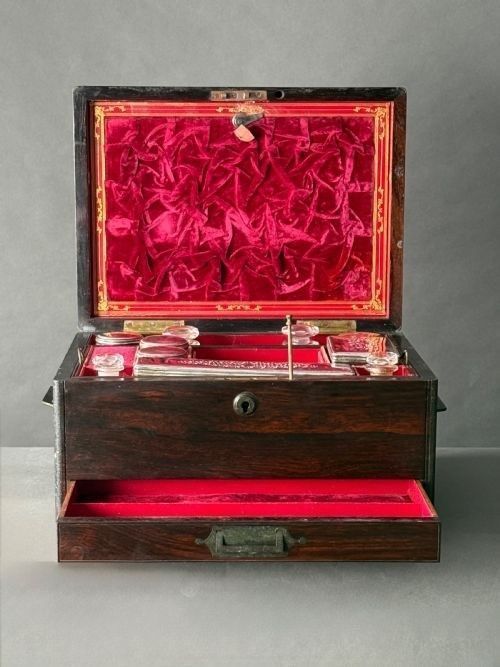
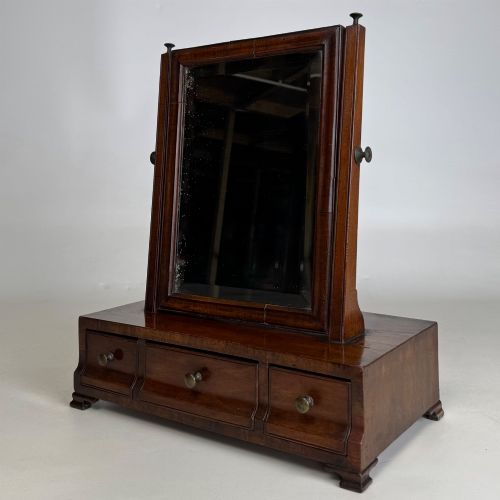
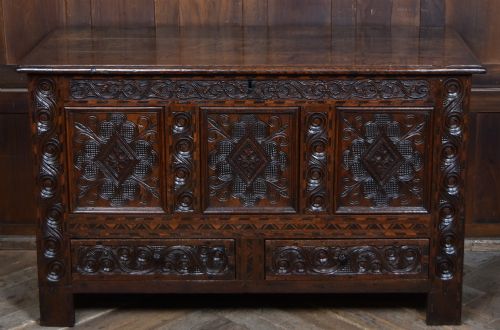
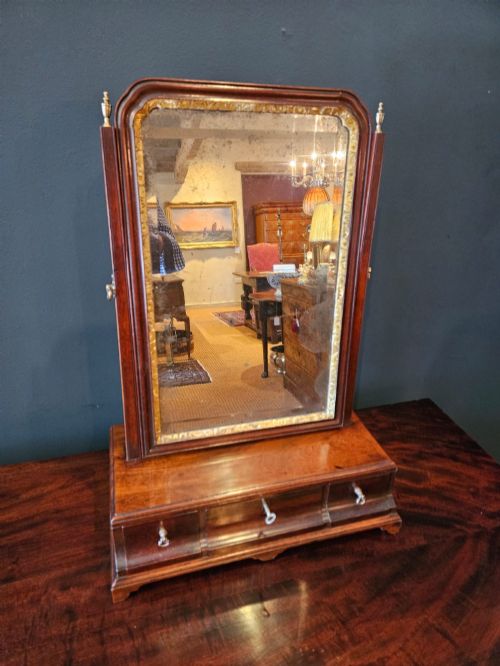
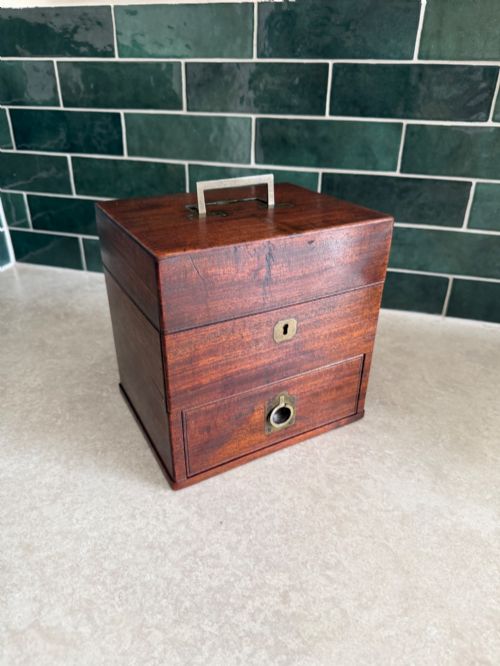
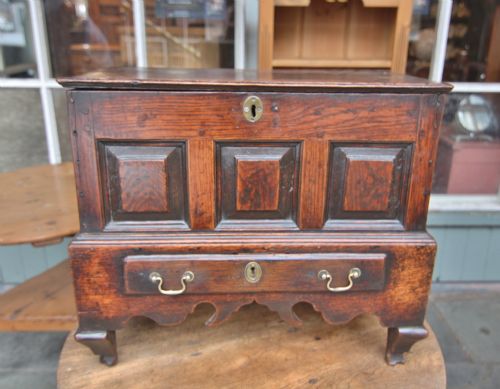
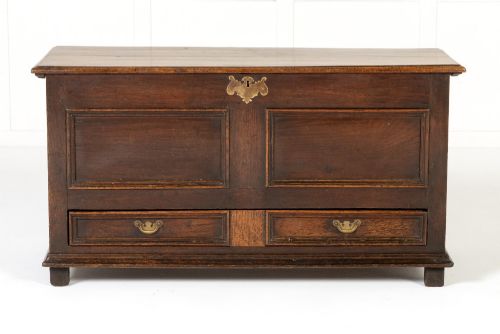
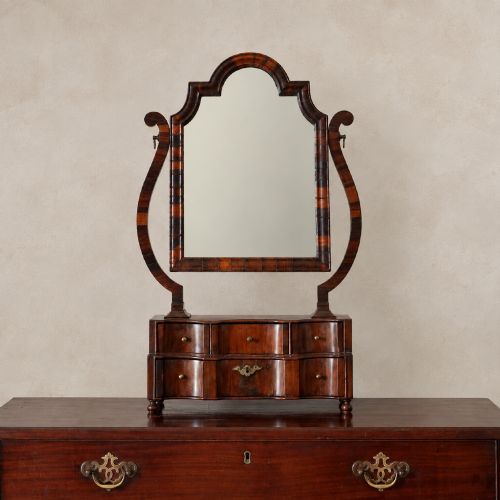
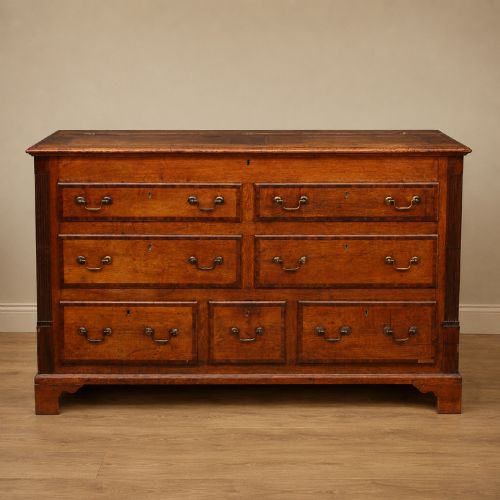
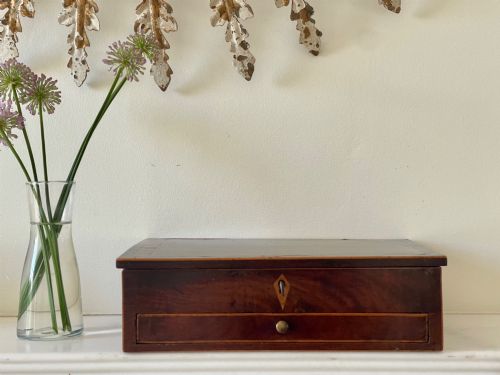
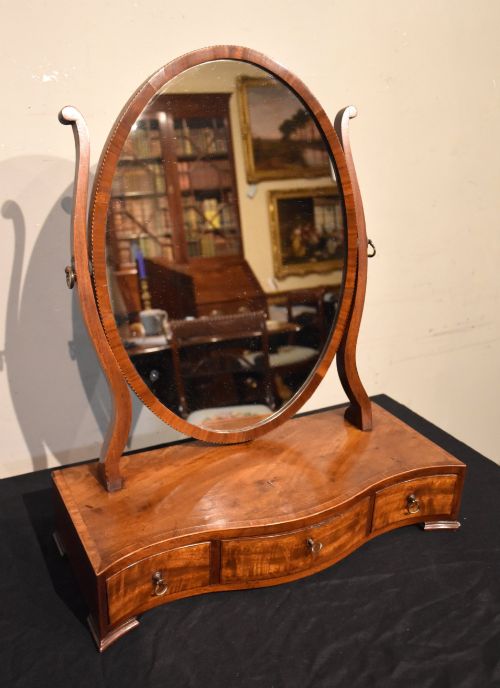
A georgian drawer box encompasses small-scale wooden storage containers, from dressing mirrors with compartmented bases to miniature chests, mule chests with lower drawers, and apothecary boxes designed for secure organisation.
The objects frequently appear in sturdy regional timbers like oak and pine, alongside finer cabinet woods such as mahogany, walnut, and rosewood intended for dressing tables and writing desks.
Makers constructed these pieces during the eighteenth and nineteenth centuries to hold valuables, cosmetics, letters, or medicinal supplies within domestic interiors.
Materials and Construction
Cabinetmakers utilised solid planks of oak, pine, and fruitwood for structural carcasses, often applying veneers of flame mahogany, walnut, or laburnum to visible exterior surfaces.
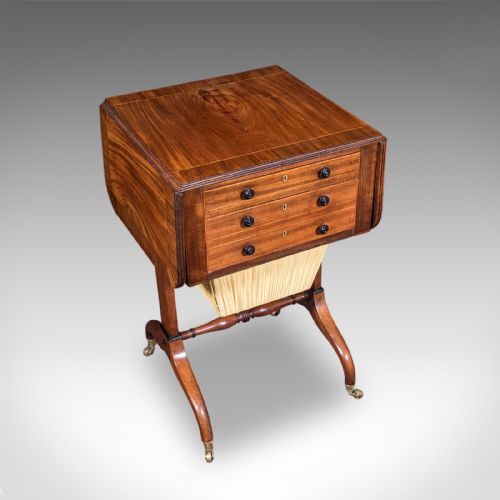
Detailing relied upon fine craftsmanship techniques including crossbanding, boxwood line inlay, dovetail joints for small drawers, and fitted brass carrying handles or escutcheons.
Listings feature woods spanning native English oak and pine alongside imported mahogany, walnut, rosewood, and exotic laburnum veneers.
Assessing Quality and Merit
Quality rests in the selection of timber figures, such as highly figured flame mahogany or burr elm panels, paired with crisp, tight dovetailing on the drawer boxes.
Original hardware, including cast brass drop handles, working locks with keys, and untouched secondary woods on the interior partitions, elevates the standing of an individual piece.
The Georgian Drawer Box Glossary
- Mule chest
- A storage chest or coffer featuring one or more drawers built into the base beneath the main compartment. This form bridges the traditional blanket box and the modern chest of drawers.
- Crossbanding
- A decorative border technique where thin strips of veneer are laid across the grain of the surrounding wood. It creates a contrasting geometric frame around drawer fronts or table tops.
- Coffer bach
- A Welsh term translating to little coffer, denoting a small oak storage chest often fitted with drawer storage at the base. These regional pieces served domestic storage needs in Welsh homes.
- Toilet mirror
- A small mirror mounted on a pivoting frame above a miniature box base containing one or more small drawers. They sat atop dressing tables in Georgian bedchambers.
- Escutcheon
- A small protective plate surrounding the keyhole of a drawer or cabinet door. They were frequently cast in brass or inlaid in bone and ivory.
Georgian Drawer Box: Frequently Asked Questions
What is a coffer bach?
A coffer bach is a small Welsh storage chest typically constructed from oak with one or more drawers built into the lower section. These compact pieces were often made as marriage chests.
They combine the traditional hinged lid of a blanket box with the compartmentalised storage of a small chest of drawers.
How do I date a Georgian dressing mirror?
Dating relies on observing the timber choices, foot style, and construction of the base box. Earlier pieces from the Queen Anne and George II periods frequently utilise walnut with parcel-gilt details.
Later Georgian examples transition toward mahogany with shield-shaped or serpentine mirror frames supported by bracket feet and delicate drawer configurations.
What were apothecary boxes used for?
Apothecary boxes housed glass bottles, scales, and medicinal ingredients securely within a fitted wooden case. The internal compartments kept fragile phials separated during transport.
Many incorporate secret drawers or locking mechanisms to safeguard poisons and valuable remedies from unauthorized handling.
Where should I place a small drawer box in a modern home?
These compact wooden boxes adapt easily to tabletops, chests of drawers, or desks where they provide functional storage for everyday items. Dressing mirrors sit naturally on dressing tables or sideboards.
Their small footprints allow them to function as desktop organisers for stationery or jewellery while adding period character to a room.