


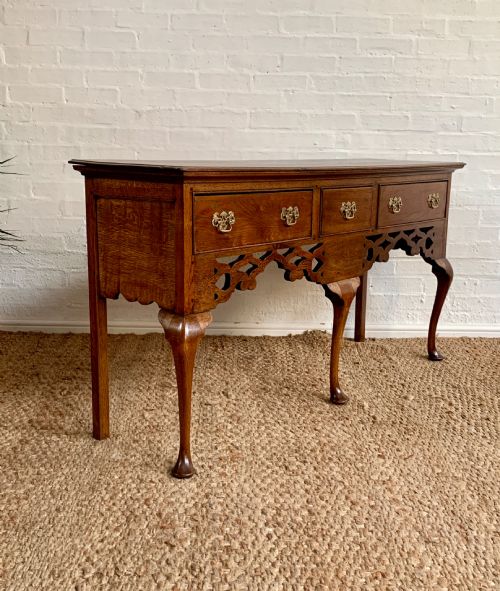
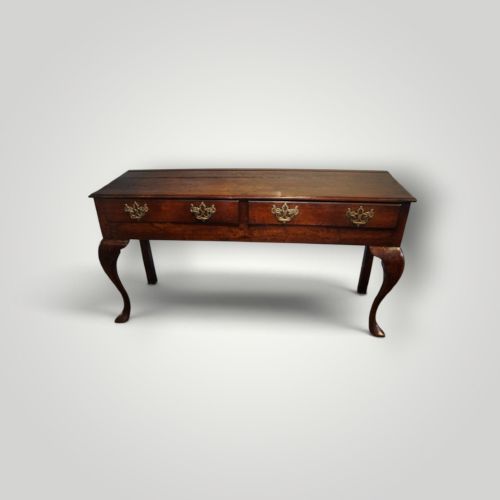
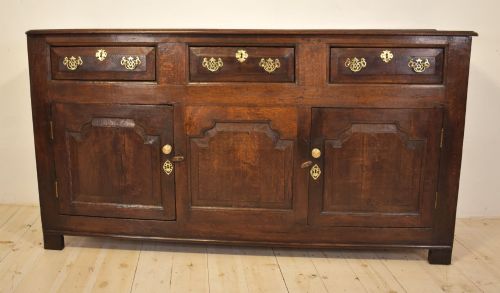
Georgian Drawer Base
A georgian drawer base brings solid timber utility and centuries of domestic history straight into a modern dining room or kitchen.
Georgian Drawer Base
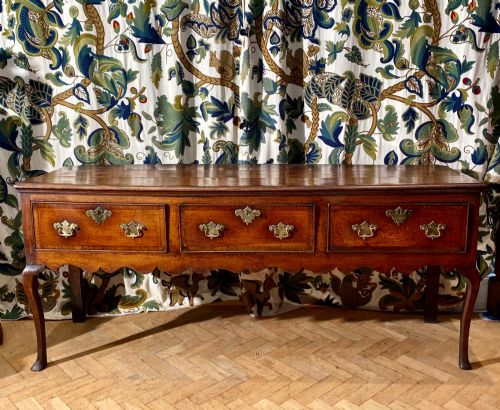
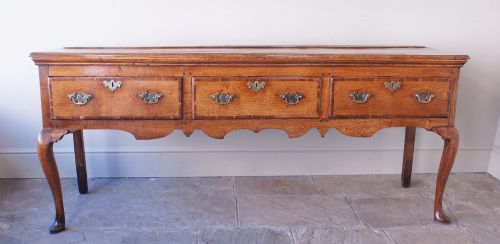
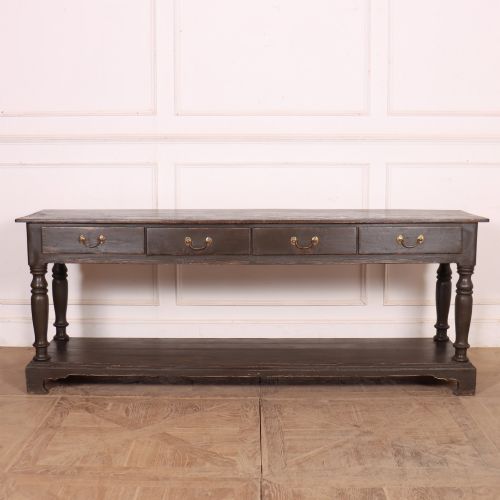
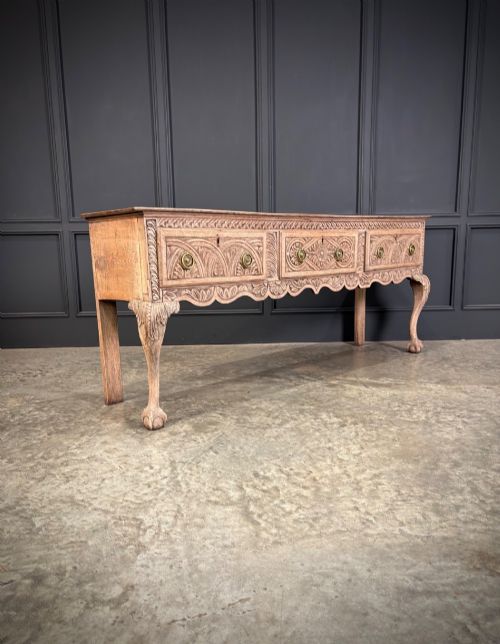
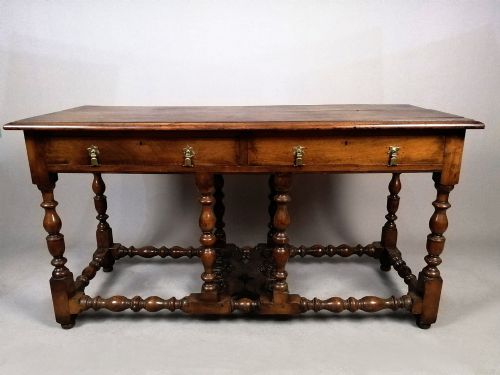
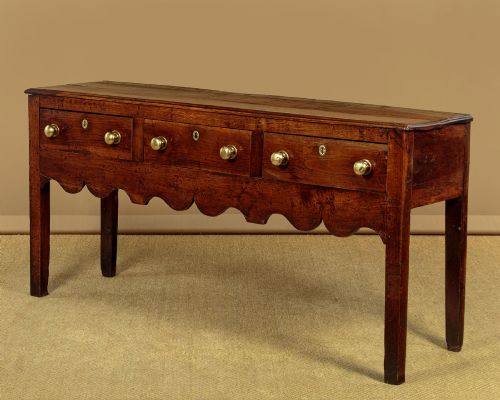
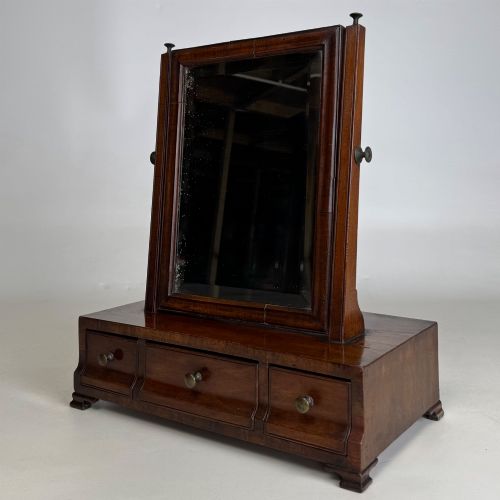
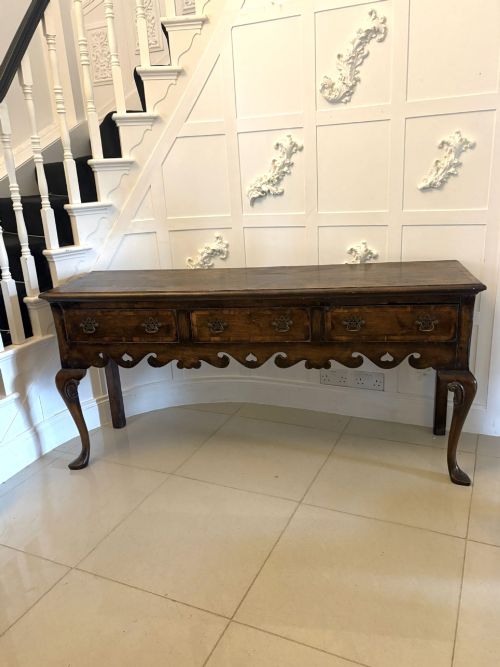
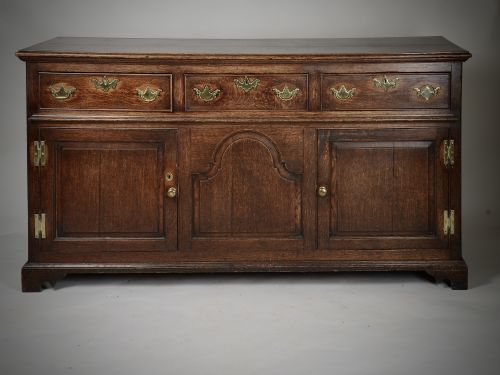
Buyers searching for a georgian drawer base typically encounter sturdy storage furniture originating primarily from the eighteenth and nineteenth centuries. These low-set service items combine surface workspace with functional drawer storage, often incorporating an open potboard beneath.
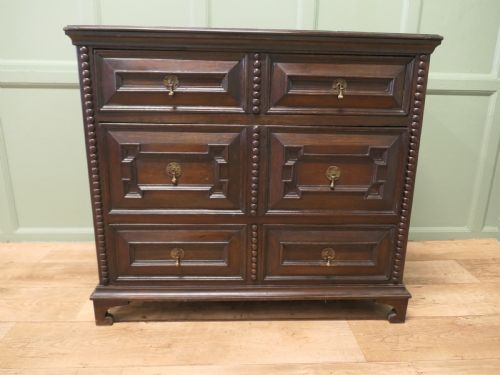
The versions most commonly met on this page are constructed from oak, mahogany, walnut, or fruitwood, reflecting the domestic needs of period households. Regional variations include long Cheshire designs and pieces featuring cabriole legs or geometric mouldings.
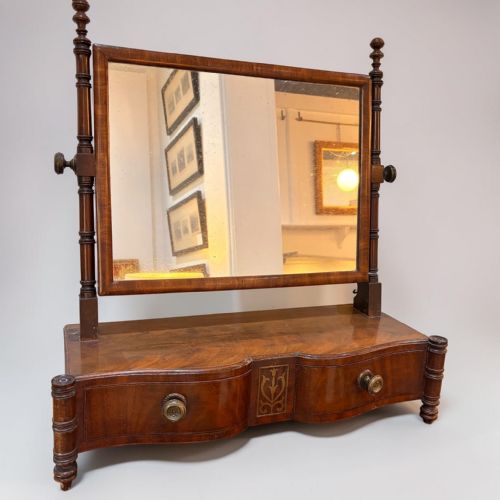
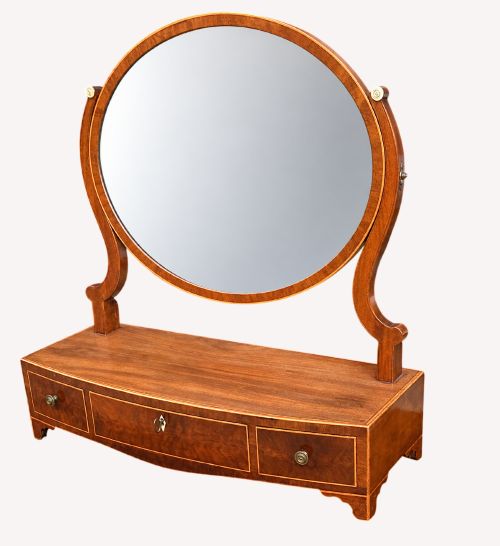
Beyond standard drawer bases, related forms such as lowboys, sideboards, and chests of drawers appear across periods ranging from George II to the Edwardian era. These pieces serve similar utility in domestic settings while displaying diverse regional cabinet-making traditions.
Materials and construction
Cabinet-makers relied heavily on native hardwoods like oak and elm for structural strength, alongside imported mahogany for finer surfaces. Pine frequently served for secondary elements such as drawer linings and internal framing.
Joinery methods prioritized durability, utilising pegged joints, hand-cut dovetails for drawers, and panelled construction for cupboard doors. Surfaces were typically waxed, polished, or occasionally painted depending on the regional style and period fashion.
Georgian Drawer Base Retail Price Guide 2026
Typical asking prices for georgian drawer base among the pieces listed under this phrase on Sellingantiques today, from the lower quarter to the upper quarter. They describe what is for sale here now, not the wider market.
Several pieces preserve centuries of kitchen grease and boot polish locked permanently beneath generations of enthusiastic household wax.
Judging the standard of execution
Quality in these items is determined by the crispness of timber mouldings, the integrity of structural framing, and the retention of original brass hardware or timber pulls. Superior examples demonstrate careful selection of grain matching, particularly on drawer fronts utilising mahogany or walnut veneers.
Proportion and regional character also dictate distinction, where balanced drawer arrangements and well-formed cabriole legs separate standard utility items from finer country house or urban workshops.
The Georgian Drawer Base Glossary
- Potboard
- An open lower shelf built into the base of a dresser for storing pots and kitchen utensils. This traditional feature provides stability to the lower frame.
- Lowboy
- A small side table with drawers, typically standing on four legs, often utilised as a dressing table or serving surface. These items share construction traits with standard drawer bases.
- Cabriole leg
- A furniture leg that curves outward and then tapers inward, finishing in a pad or foot. This stylistic element appears on select eighteenth-century and revival pieces.
- Geometric moulding
- Raised wooden mouldings applied in decorative patterns to drawer fronts or cabinet doors. This technique adds architectural depth to early oak furniture.
- Dresser base
- The lower section of a kitchen or dining room dresser, functioning independently as a sideboard with surface space and drawers. Many examples lack their original upper plate racks.
Georgian Drawer Base: Frequently Asked Questions
What is a georgian drawer base?
A georgian drawer base is a low wooden storage unit featuring a flat top surface and multiple drawers beneath. These utility items were traditionally used in kitchens and dining rooms for food preparation and storage.
They combine practical workspace with sturdy timber construction, making them adaptable for modern living spaces as sideboards or console tables.
How do I tell an 18th century piece from a later copy?
Examination of construction methods, timber patination, and tool marks reveals the age of a piece. Eighteenth-century items feature hand-cut joinery, pegged framing, and timber shrinkage consistent with age.
Later revival pieces from the Edwardian period or around nineteen hundred often display uniform machine milling and different secondary woods inside the drawers.
Where were these pieces used in the home?
These versatile units historically stood in kitchens, sculleries, or dining parlours where food service and storage required durable furniture surfaces. The lower potboard held heavy ceramic or metal cookware.
Today, buyers place them in hallways, kitchens, and living rooms to serve as sideboards, media units, or general storage consoles.
What woods were used to build them?
Oak and elm dominate early country pieces, providing robust framing and resistance to heavy kitchen use. Finer urban examples utilise mahogany and walnut with decorative veneers.
Secondary timbers such as pine frequently appear within drawer interiors and backing boards regardless of the primary exterior wood.