
Georgian Double Door Press
A georgian double door press brings enduring architectural presence to a bedroom, offering deep storage within classic proportions.
Georgian Double Door Press
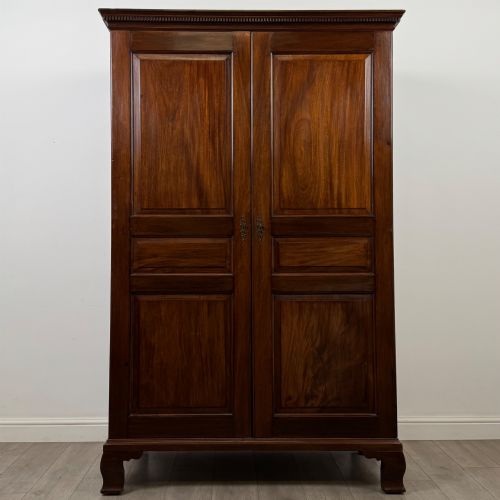
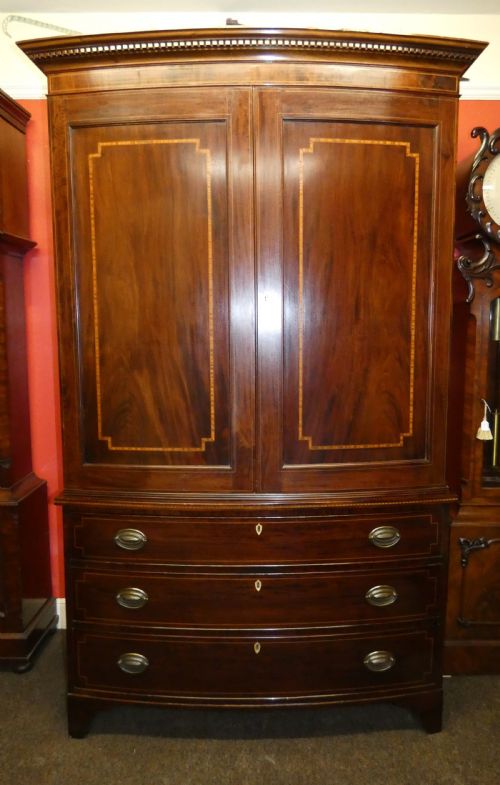
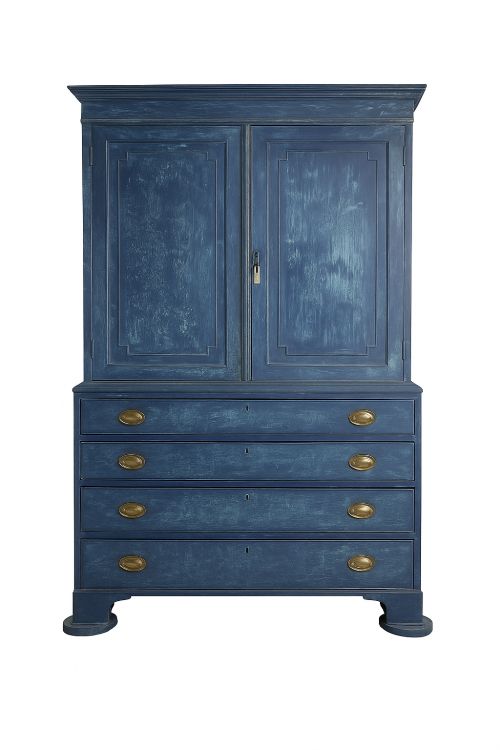
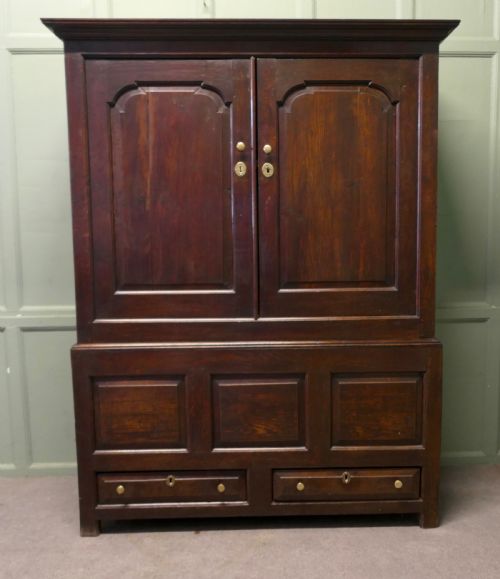
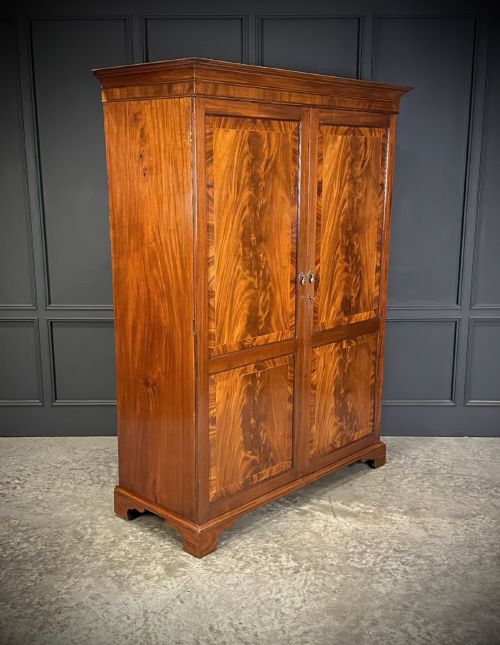
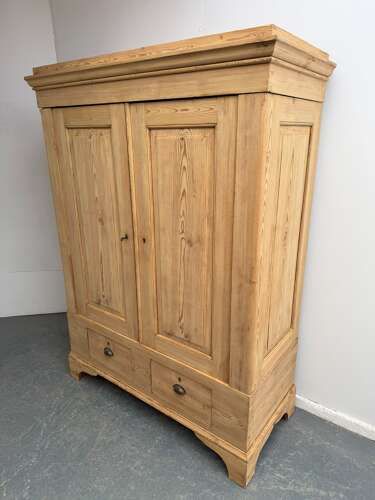
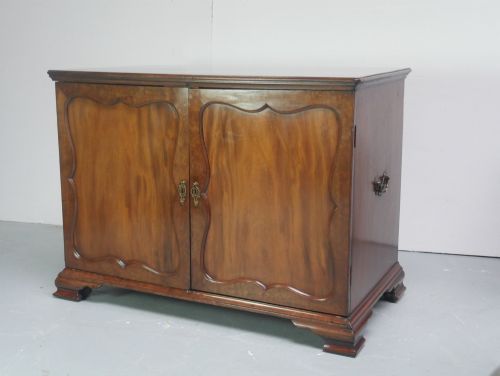
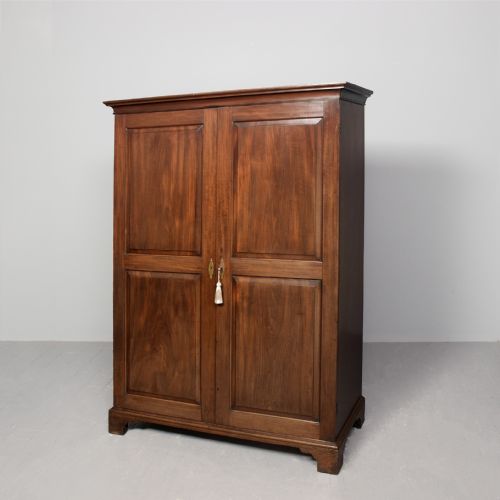
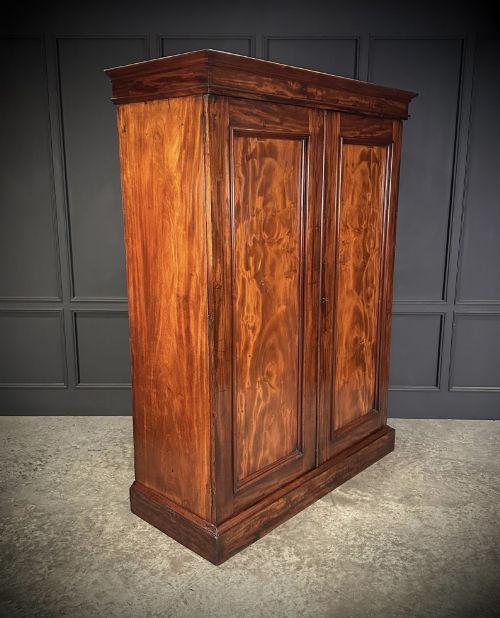
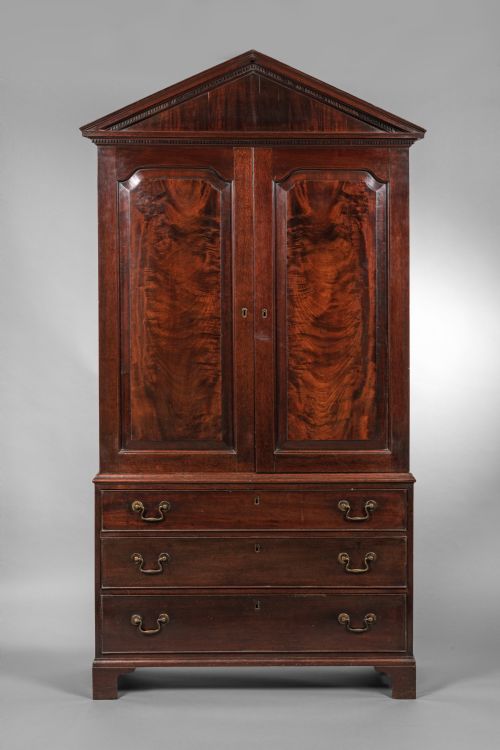
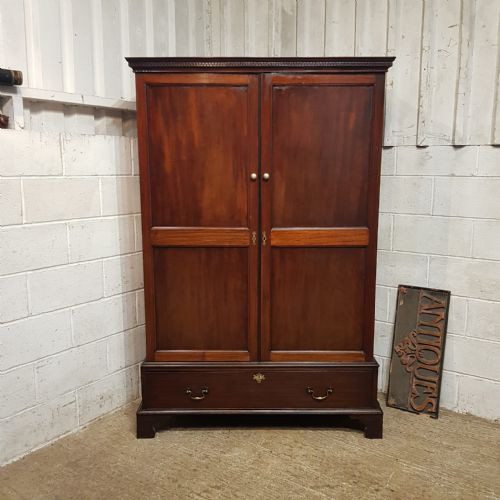
A georgian double door press serves as a substantial storage piece, combining upper cabinet space with lower drawer sections designed originally to store household linens flat. Buyers seeking a georgian double door press will encounter examples primarily rendered in mahogany and oak, reflecting the prevailing domestic storage needs of the eighteenth century and subsequent revival periods.
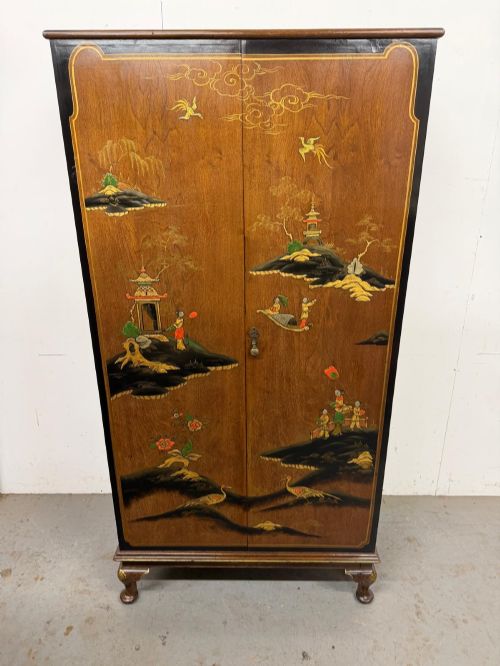
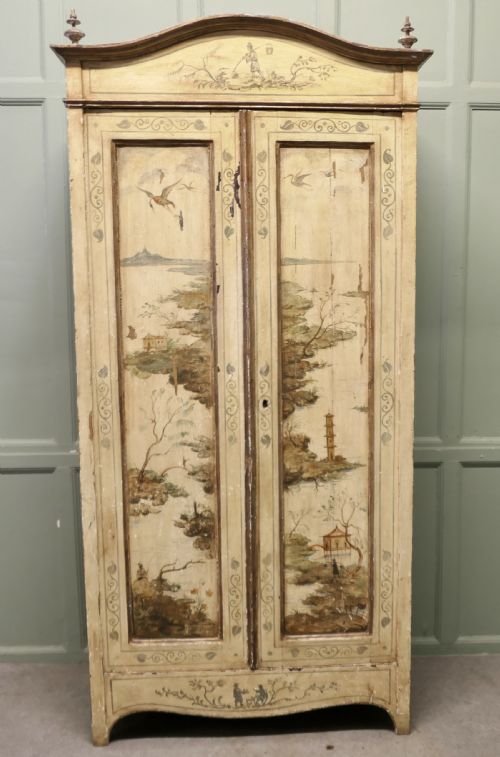
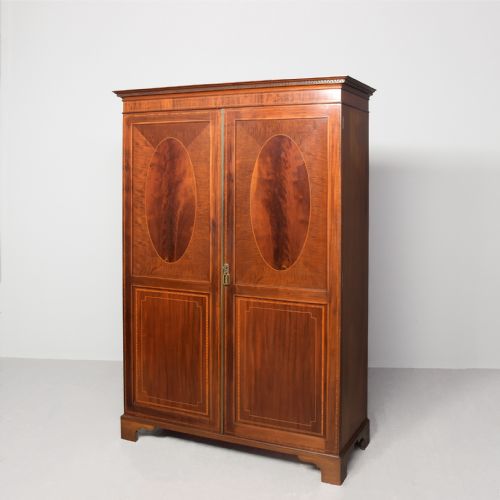
Most entries span the Georgian and Regency eras, alongside later nineteenth century adaptations and specific revival styles such as Sheraton Revival and Chinoiserie. These pieces function equally well as modern wardrobes or linen cupboards, adapting traditional timber compartments to contemporary clothing storage.
Materials and construction methods
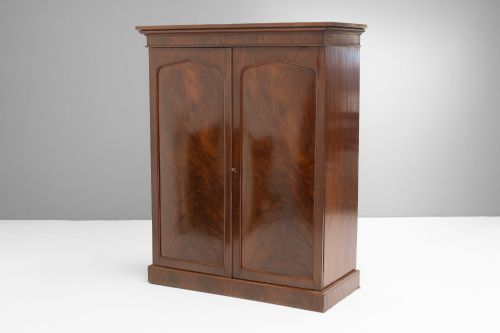
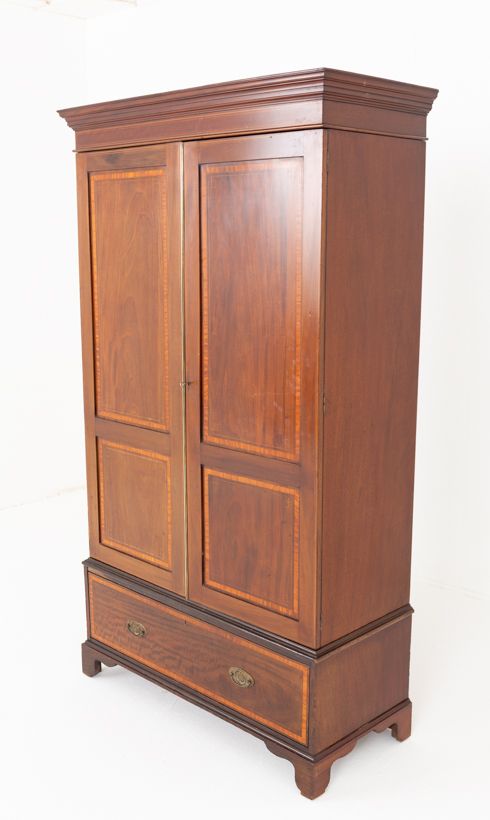
Makers constructed these cabinets using solid hardwoods like mahogany and oak, frequently applying flame mahogany veneer and cross-banding to principal surfaces for visual depth. Secondary structural elements often rely on pine, while brass hardware secures doors and drawer fronts.
Joinery techniques involve heavy carcase construction, sometimes utilising knockdown frames for larger proportions to ease transport between rooms. Surface finishes range from natural wax polish to decorative painted lacquer and Chinoiserie ornamentation.
Housekeepers stored household linens flat on internal wooden slides to prevent heavy folding creases.
Distinguishing quality across examples
Quality separates along the grade of timber selected for the facade, particularly the choice between plain boards and highly figured flame mahogany veneer. Superior examples display precise cross-banding and well-matched grain patterns across both doors.
Internal configuration also dictates distinction, as fitted linen slides or original drawer arrangements command greater interest than plain converted wardrobe spaces. The crispness of carved mouldings and the integrity of original brass fittings further define the better specimens.
Thomas Bradshaw
The Georgian Double Door Press Glossary
- Linen press
- A tall storage cabinet featuring upper doors enclosing sliding trays or shelves, positioned above a chest of base drawers. This form evolved specifically for keeping folded textiles smooth.
- Compactum
- A multi-compartment wardrobe combining hanging space, shelves, and internal drawers within a single unified carcase. These pieces offer varied internal storage options behind paired doors.
- Flame mahogany veneer
- A thin slice of timber cut from the fork of a mahogany tree to produce a distinctive flickering flame pattern. Cabinet makers applied these decorative veneers to primary display surfaces.
- Cross-banding
- A decorative border technique where narrow strips of veneer are laid perpendicular to the surrounding grain. This detail frames drawer fronts and door panels on finer case pieces.
- Cabinet on chest
- A two-part storage form consisting of an upper display or enclosed cupboard section resting directly upon a lower chest of drawers. This architectural arrangement provides height and deep vertical capacity.
Georgian Double Door Press: Frequently Asked Questions
What is the difference between a press and a wardrobe?
A traditional press typically contains shallow sliding trays inside the upper section intended for folded linen, whereas a wardrobe provides vertical hanging space for garments.
Over time, many presses have been converted to hanging wardrobes by removing internal trays to suit modern clothing needs.
Can these large cupboards be dismantled for moving?
Some period examples were constructed as knockdown pieces with modular carcases designed to separate into manageable sections for transport up stairs and through narrow doorways.
Buyers should inspect the specific construction method, as solid non-knockdown cabinets require adequate clearance and professional removal teams.
How do I identify a George III piece?
George III pieces generally display architectural restraint, balanced proportions, and high-grade mahogany timbers with subtle stringing or cross-banded details.
Internal construction details, such as hand-cut dovetails on drawer linings and original brass hardware, help confirm the period of manufacture.
Where should I place a double door press in a modern home?
These tall cupboards provide substantial storage capacity, making them suitable for bedrooms as primary wardrobe furniture or for hallways acting as linen stores.
Their deep proportions require adequate wall space and clearance for the double doors to open fully.