





Georgian Dining Silver
Georgian dining silver brings proper weight and refined craftsmanship to the table through candlesticks, sauce boats, and serving utensils.
Georgian Dining Silver
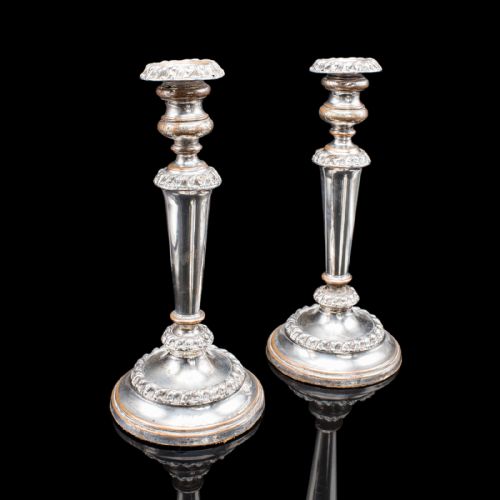
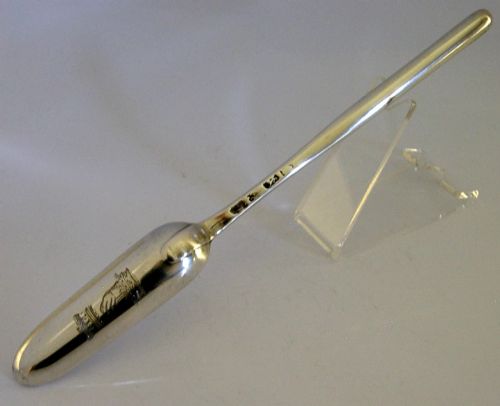
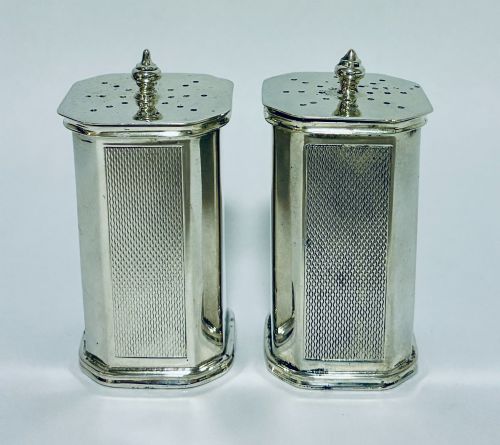
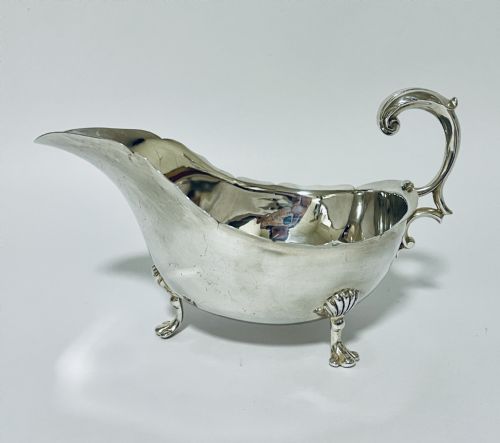
When you search for georgian dining silver, you encounter functional items designed for the dining table during the eighteenth and early nineteenth centuries, alongside later revivals. The selection includes sterling silver sauce boats, marrow scoops, wine coasters, and candlesticks that served formal meals.
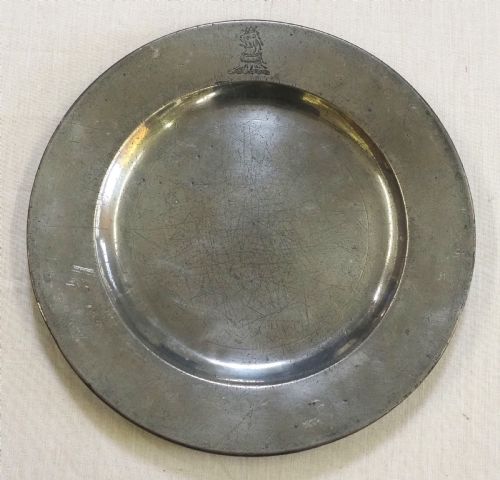
Most entries span the Georgian period itself, featuring distinct subsets like George II, George III, and William IV objects. Alongside these authentic pieces, you will find Sheffield plate items and later twentieth-century interpretations executed in Georgian styles.
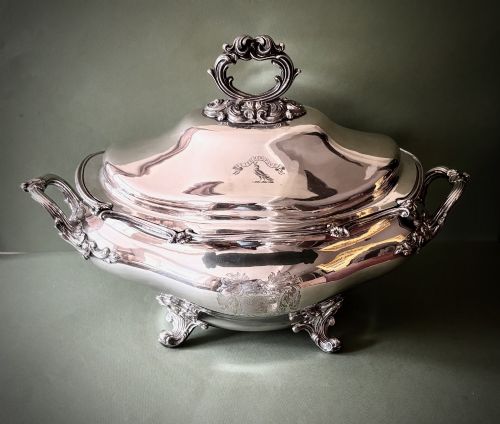
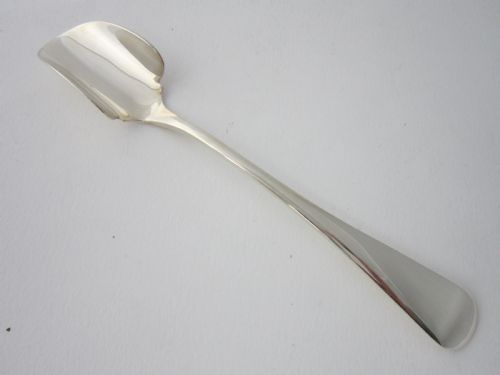
Forms range from small utilitarian implements like knife rests and cheese scoops to monumental meat domes and candelabra. Each object reflects the precise dining rituals of its era, whether for illuminating the table or presenting sauces and wine.
How they were made
Makers utilised sterling silver and copper fused with silver through the Old Sheffield Plate technique to create durable, lustrous dining objects. Solid silver items often involved hammering, casting, and hand-chasing, while plated pieces combined base metals with thin sheets of silver.
Sheffield plate pieces frequently incorporated copper underneath, sometimes revealing subtle base metal tones along edges and high points from decades of polishing. Steel was integrated into cutlery items like knives and servers to provide a functional, durable cutting edge.
Details such as crests, handles, and borders were cast separately and soldered onto the main body of sauce boats or meat domes. Hallmarks stamped into the metal recorded the maker, city, and year of assay for solid silver pieces.
Georgian Dining Silver Retail Price Guide 2026
Typical asking prices for georgian dining silver among the pieces listed under this phrase on Sellingantiques today, from the lower quarter to the upper quarter. They describe what is for sale here now, not the wider market.
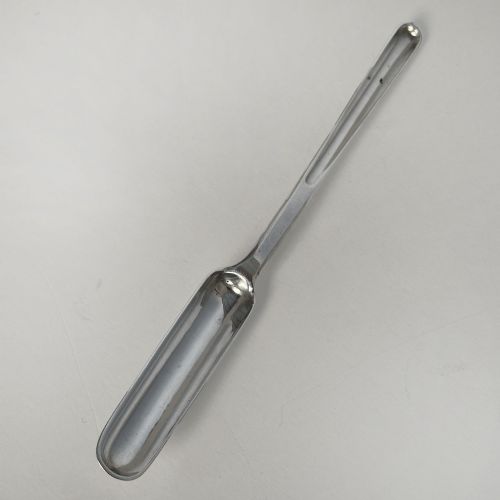
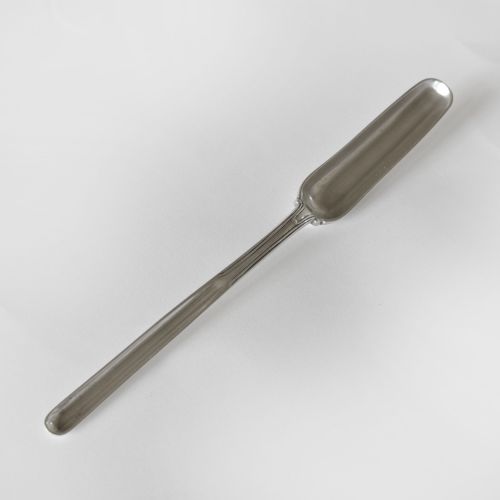
A marrow scoop doubles as a surprisingly efficient tool for tasting jam straight from the jar.
What varies in quality
The degree of crispness in cast ornamentation distinguishes higher grades of work, particularly on candlesticks, sauce boats, and candelabra. Sharp relief in Rococo or Neoclassical motifs indicates skilled hand-chasing after casting, whereas soft details suggest worn moulds or hasty production.
Material choice establishes another clear division, separating solid sterling silver items from Old Sheffield Plate and later silver plate. Within plated wares, the preservation of the original silver layer over the underlying copper determines the integrity of the piece.
Maker attribution and London hallmarks elevate specific pieces, as workshop signatures from notable silversmiths demonstrate superior execution. Proportion, balance, and the retention of original parts like liners or matching pairs further separate standard items from exceptional examples.
Roberts Cadman·Jonathan Hayne·John Cafe·James Spackman·Charles Reily and George Storer·James Welch·William Grundy·Thomas Bradbury and Sons Ltd
The Georgian Dining Silver Glossary
- Old Sheffield Plate
- A composite material made by fusing a sheet of silver to a copper ingot, developed in the eighteenth century. Items made this way often show thin lines of copper where the base metal peeks through.
- Marrow scoop
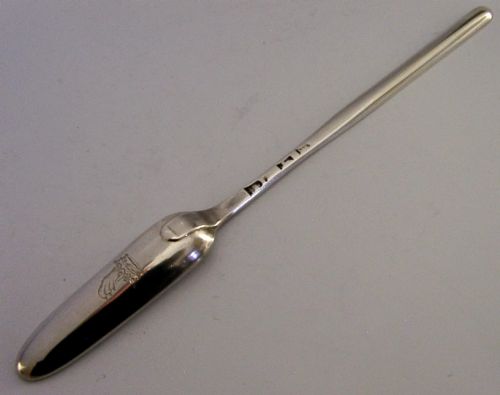
- A narrow, elongated utensil with a small trough at each end used for extracting marrow from bones at the dining table. They frequently feature double-ended designs in solid silver.
- Meat dome
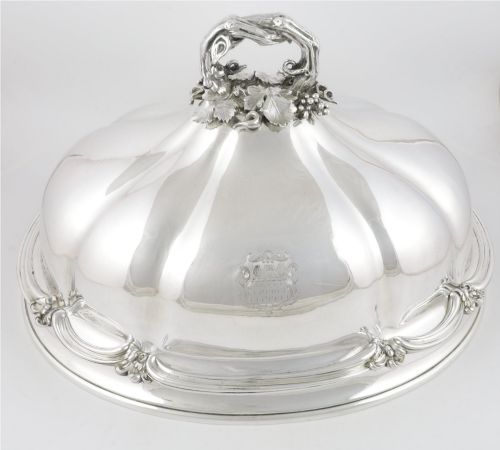
- A large domed cover placed over joints of meat on a platter to retain heat during formal dining. These substantial pieces were often executed in heavy Old Sheffield Plate.
- Wine coaster
- A small circular tray with a raised gallery, often lined with wood, designed to hold a wine bottle on the table. They protect polished dining surfaces and allow bottles to be passed easily.
- Hallmark
- A set of official marks stamped into precious metals indicating the standard of silver, the assay office, the maker, and the year of production. They provide the primary means of dating solid silver items.
Georgian Dining Silver: Frequently Asked Questions
What is Old Sheffield Plate?
Old Sheffield Plate is an early form of plated metal created by fusing silver to a copper core before rolling them into sheets. This technique predates modern electroplating and produces items with a distinctive warm lustre.
Over time, gentle polishing may reveal the underlying copper on raised edges, which collectors view as an authentic sign of age rather than a defect.
How do I identify Georgian silver?
Authentic Georgian silver is identified primarily by examining the hallmarks stamped into the metal, which show the assay office, date letter, and maker's mark. Stylistic clues such as Neoclassical motifs or Rococo curves also point to the period.
Matching the weight and construction techniques of the era helps confirm the piece originates from the reigns of the Georges.
Can I use these items daily?
Many pieces of georgian dining silver, such as cutlery and sauce boats, remain entirely functional for modern dining. Solid silver and sturdy plate tolerate regular use provided they receive proper hand washing and careful storage.
Delicate items like telescopic candlesticks or thin plated wares benefit from more cautious handling during special occasions.