
Georgian Dining Room Table
A georgian dining room table provides sturdy timber and grand proportions for entertaining.
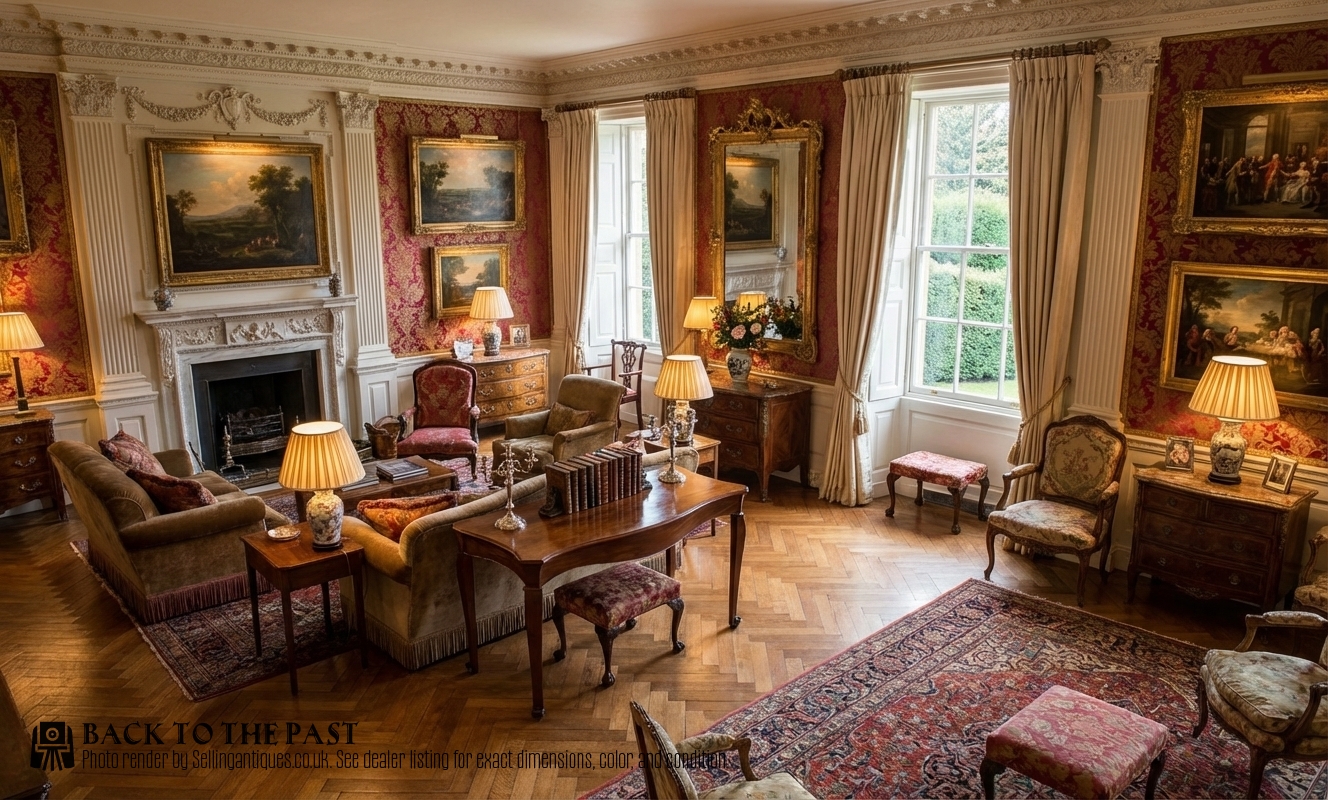
Georgian Dining Room Table
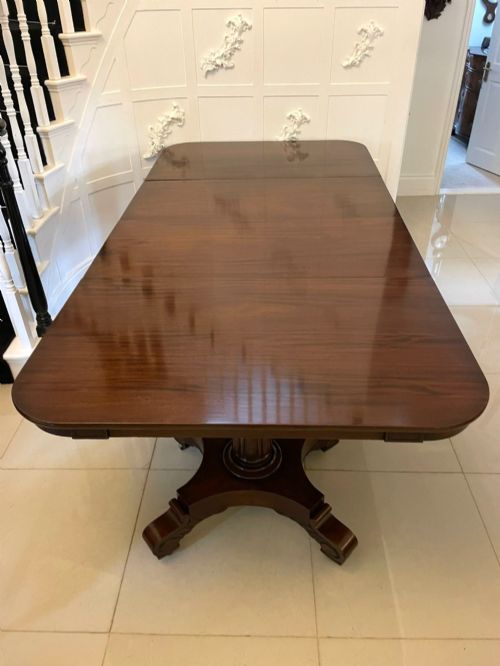
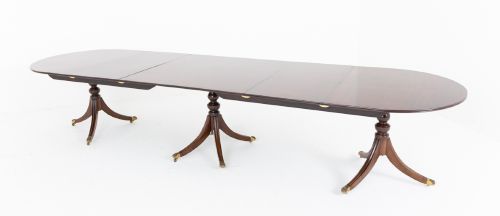
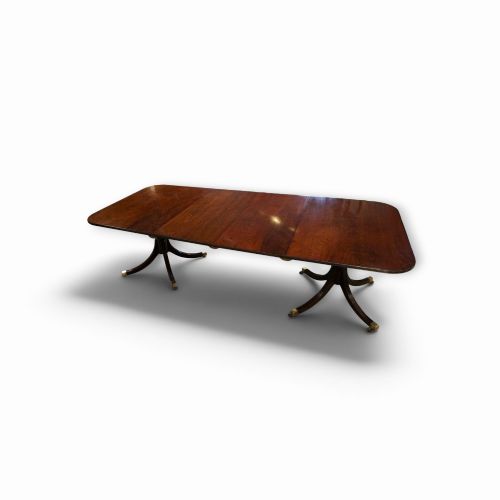
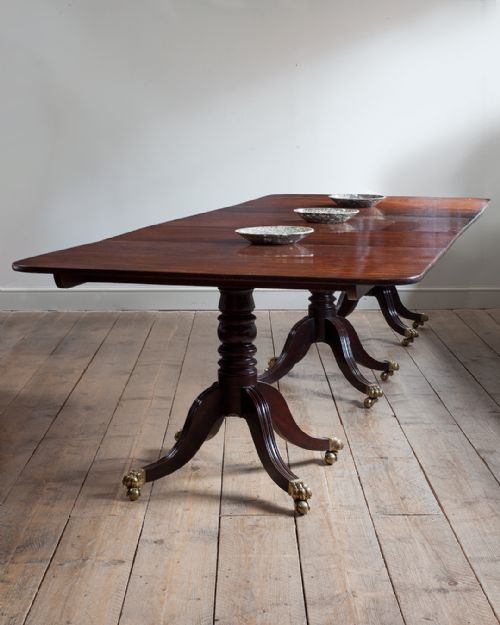
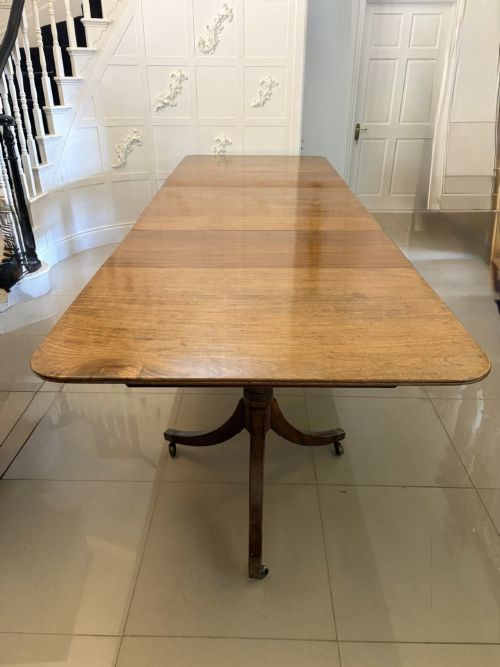
When you search for a georgian dining room table, you encounter substantial timber furniture built to anchor a formal interior. These pieces frequently appear as extending tables with multiple pedestals or pillars to accommodate larger gatherings.
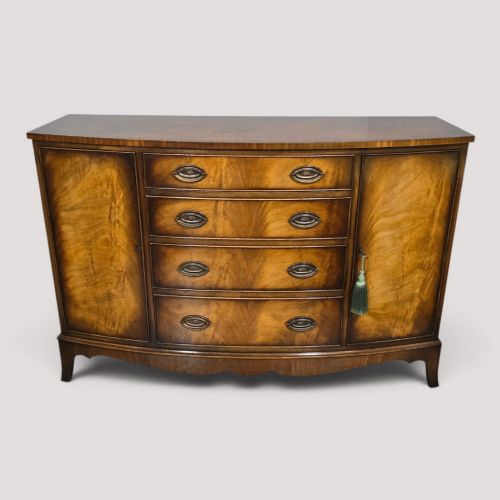
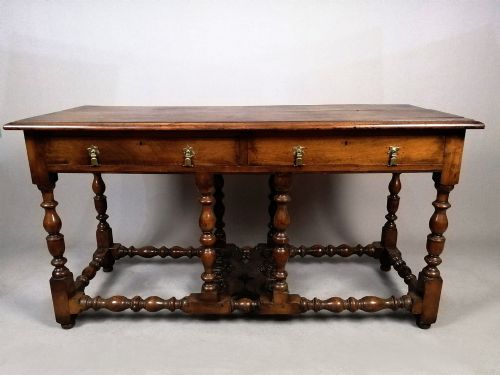
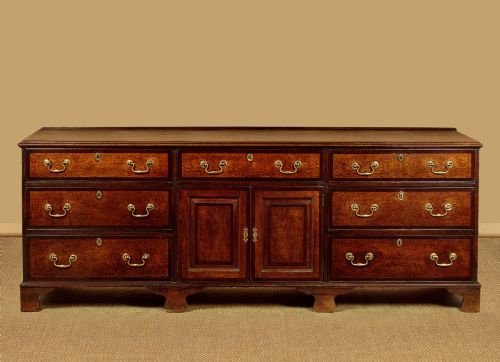
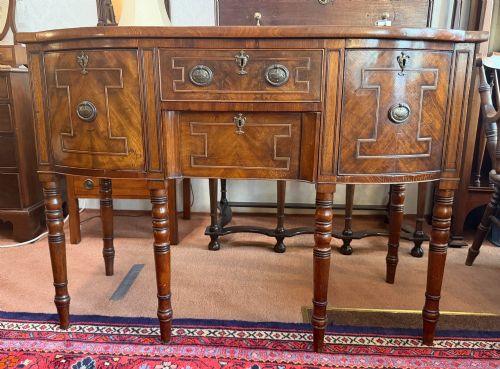
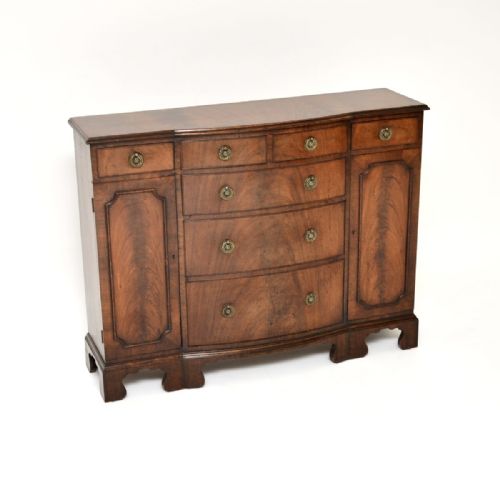
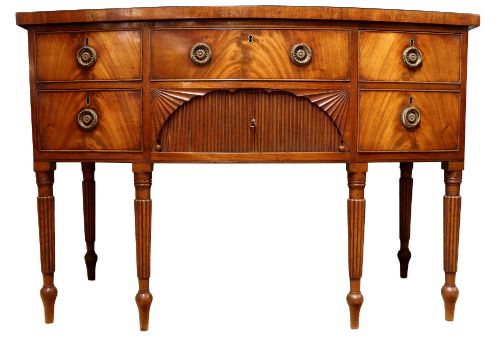
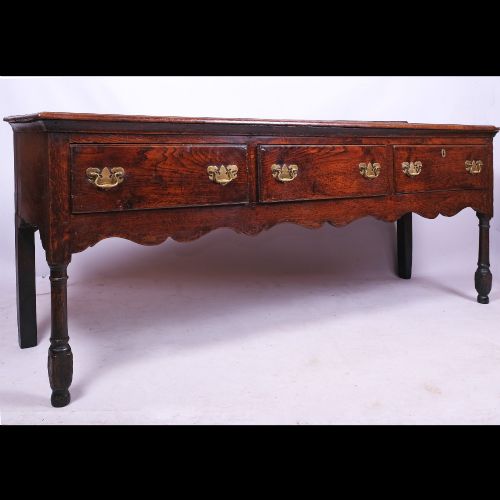
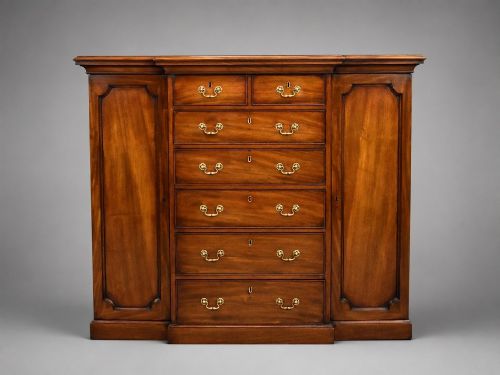
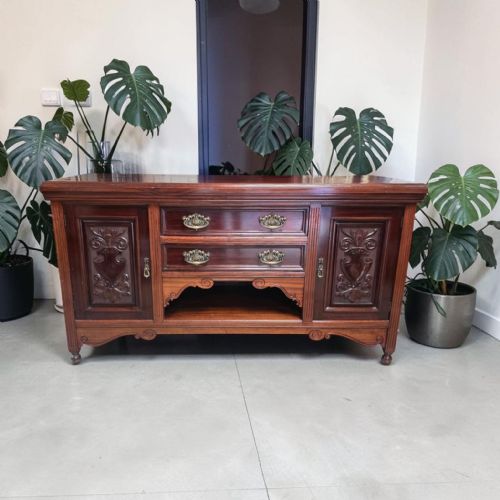
The selection also encompasses related dining room forms such as serving tables, dumb waiters, and complete dining sets alongside the tables themselves. Oak and mahogany dominate the construction, reflecting the period preference for durable domestic woods.
Most examples hail from the Georgian and Regency periods, though later revival pieces also appear on the market. These tables serve the same practical purpose today as they did centuries ago, offering a solid surface for meals and gatherings.
How they were made
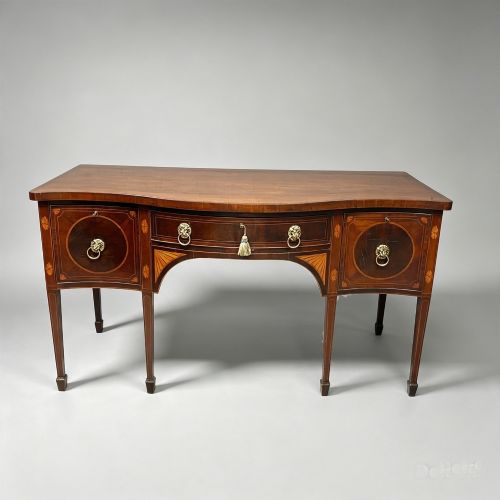
Cabinet makers constructed these tables primarily using solid mahogany, frequently enhanced with flame mahogany veneer to create striking surface patterns. Workshops incorporated contrasting timbers such as boxwood and satinwood for delicate inlay work along the edges and borders.
Structural stability was achieved through heavy pedestals, multiple legs, and brass fittings that allowed extending sections to operate smoothly. Joinery techniques relied on traditional framing methods that kept large timber tops flat and secure over generations of use.
Listings feature mahogany across multiple forms, including serving tables, dumb waiters, and extending dining tables spanning the Georgian and Victorian eras.
What varies in quality
Quality rests heavily on the selection of the timber and the depth of figure in the mahogany veneer. Finer tables display richly grained surfaces and precise, crisp boxwood or satinwood inlay rather than painted substitutes.
The sophistication of the pedestal carving and the integrity of the extending mechanism distinguish superior examples from standard utility pieces. Proportion, balance, and the crispness of the original mouldings separate workshop masterpieces from ordinary production.
Gillows·M. D. Miller and Sons
The Georgian Dining Room Table Glossary
- Pedestal
- A central support column resting on splayed legs, commonly found on extending dining tables from the Regency period. This design allowed greater legroom for diners seated along the sides.
- Flame mahogany
- A veneer cut from the fork of the mahogany tree where the branch meets the trunk, creating a fiery, undulating pattern. Makers utilised this on prominent surfaces to catch the light.
- Dumb waiter
- A tiered revolving stand placed beside the dining table to hold dishes and glasses without requiring servant assistance during the meal. These feature multiple circular trays supported by a central pillar.
- Inlay
- A technique where contrasting materials such as boxwood or satinwood are inserted into recesses carved into the primary wood surface. This creates geometric borders and decorative motifs.
- Serpentine
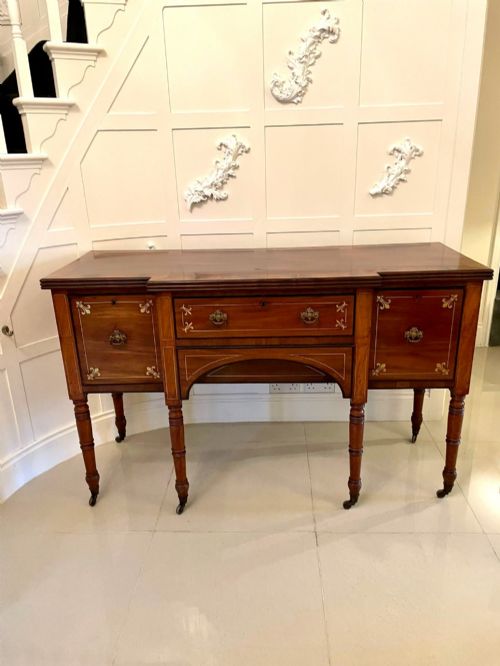
- A curved front shape characterised by a convex centre flanked by concave ends, requiring skilled joinery. This silhouette adds elegance to serving tables and sideboards.
Georgian Dining Room Table: Frequently Asked Questions
How do I extend a pedestal table?
These tables typically utilise a system of pull-out frames or removable leaves supported by additional pillars. You pull the sections apart carefully and drop the extra timber leaves into the centre.
Ensure the brass clips or alignment pins engage properly to keep the surface flat and steady during use.
Where should a dumb waiter stand?
A dumb waiter belongs near the main dining table or against a dining room wall within easy reach of the host. Its revolving tiers make serving side dishes and wine straightforward without cluttering the main surface.
In period rooms, they often filled corners or sat beside serving tables when not in active service.
What defines the Regency style?
Regency design draws inspiration from classical antiquity, featuring clean lines, dark mahogany timbers, and prominent brass inlay. Furniture from this era often incorporates bold pedestals, reeded legs, and sabre-shaped supports.
This aesthetic moved away from heavy ornamentation towards refined proportions and architectural symmetry.