



Georgian Desk Organizer
These georgian desk organizer pieces are compact wooden containers designed to keep papers and letters in order.
Georgian Desk Organizer
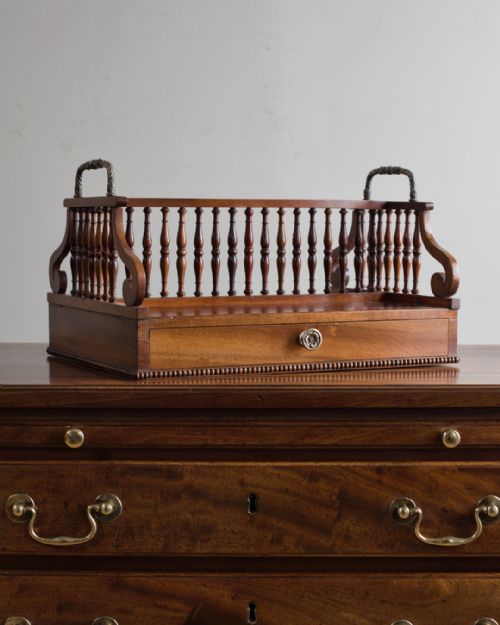
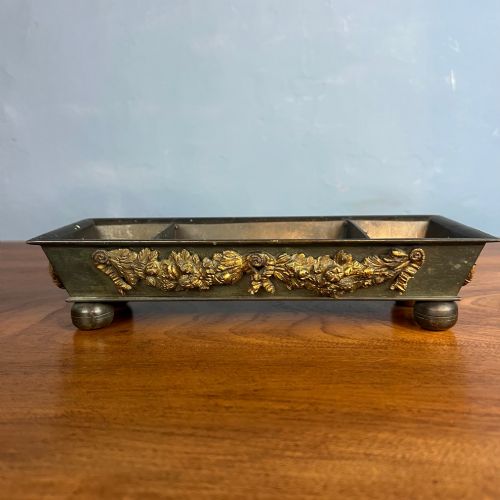
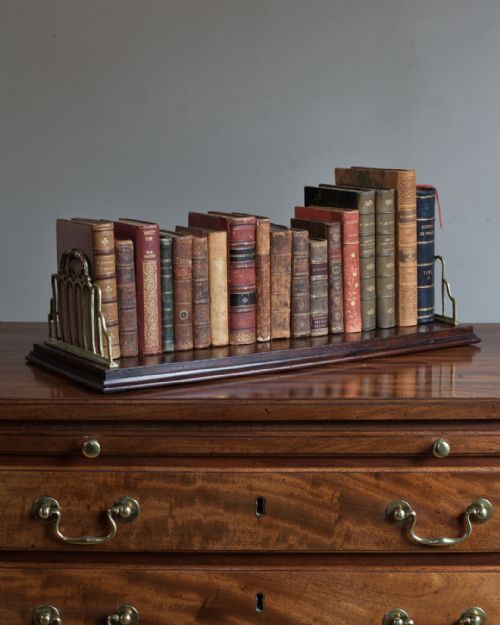
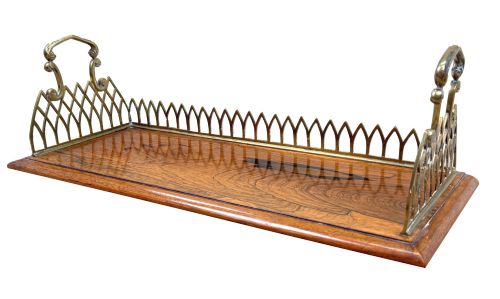
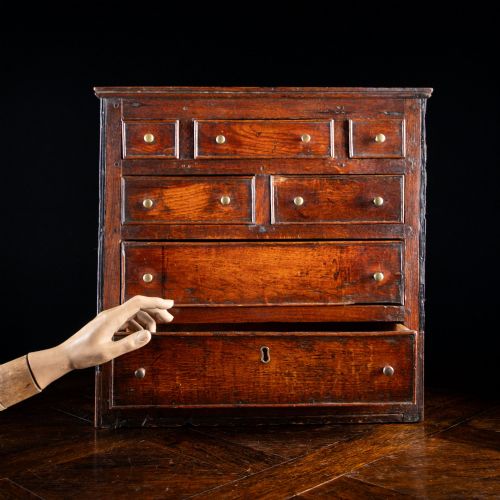
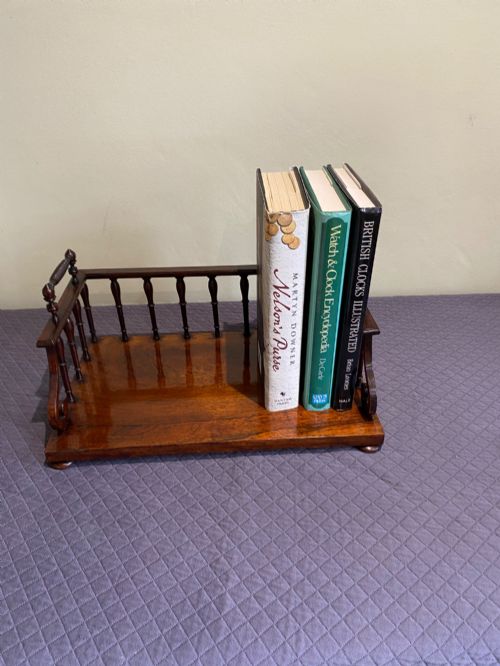
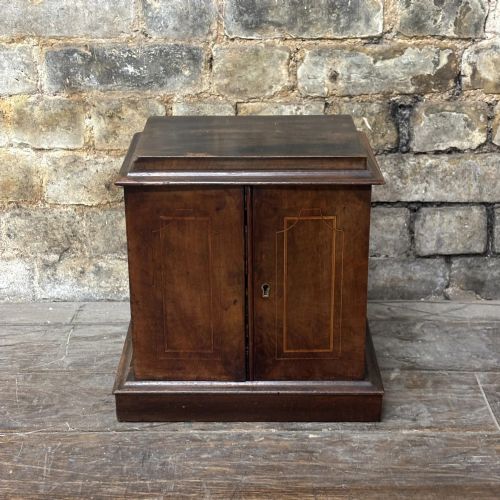
A georgian desk organizer encompasses portable letter holders, stationery cabinets, and small slope-front boxes designed for writing equipment. These pieces range from compact tabletop book racks and carriers to miniature chests of drawers and kneehole desks.
The selections on this page draw predominantly from the eighteenth and nineteenth centuries, including Georgian, Regency, and Edwardian examples. Buyers regularly encounter satinwood cheverets, mahogany book troughs, and oak desk boxes fitted with internal compartments.
How they were made
Cabinetmakers utilised dense hardwoods such as mahogany, oak, and rosewood, often pairing them with contrasting stringing in boxwood or satinwood. Selected pieces feature brass drop handles, wire accents, and silver mounts.
Construction methods rely on traditional joinery to build miniature drawer banks, sloping lids, and tiered book carriers. Surface finishes highlight the natural grain of the timber rather than heavy pigment.
Georgian Desk Organizer Retail Price Guide 2026
Typical asking prices for georgian desk organizer among the pieces listed under this phrase on Sellingantiques today, from the lower quarter to the upper quarter. They describe what is for sale here now, not the wider market.
Secret drawers tucked away inside oak desk boxes offered Victorian writers a private spot for their most confidential correspondence.
What varies in quality
Quality rests in the crispness of the timber selection and the precision of decorative inlays. Superior examples display carefully matched grain patterns across the fall fronts and drawer banks.
Hardware choice distinguishes standard boxes from finer items, where original brass mounts and working locks with functional keys remain intact. The complexity of internal compartments, including secret drawers and dedicated stationery slots, marks the standard of the maker's output.
The Georgian Desk Organizer Glossary
- Cheveret
- A small mobile writing table or stand featuring a shelf tier at the top and a drawer below. This form allowed writers to transport letters and writing materials easily between rooms.
- Book carrier
- A portable rack or trough designed to hold open or upright volumes on a desk surface. These items often feature carrying handles for mobility.
- Kneehole desk
- A compact desk form featuring a recessed central space for the user's knees, flanked by banks of small drawers. Miniature versions served specialised desk organisation tasks.
- Stationery box
- A standing wooden cabinet or lidded box fitted with vertical dividers to sort letters and paper sheets. Interiors often include stepped ledges for envelopes.
- Stringing
- Thin inlaid lines of contrasting wood used to edge panels and drawer fronts on eighteenth-century furniture. This technique adds subtle definition to plain timber surfaces.
Georgian Desk Organizer: Frequently Asked Questions
How were stationery boxes used?
Stationery boxes sat upon writing tables to hold blank paper, envelopes, and incoming correspondence upright and sorted. Their internal dividers kept different paper sizes separate.
Many featured hinged lids or fall fronts that opened to reveal stepped tiers, allowing writers to view and select their writing materials quickly.
Are these pieces original or later copies?
The pieces span multiple historical periods, predominantly the eighteenth and nineteenth centuries, featuring period timbers and traditional joinery methods. Examination of the wood grain, internal construction, and hardware helps determine age.
Over time, some pieces underwent adaptation, such as boxes converted specifically for stationery storage in later decades.
How do I care for antique wood desk accessories?
Antique desk accessories require stable room humidity and protection from direct sunlight to prevent timber warping and finish cracking. Occasional gentle dusting preserves the surface condition.
Avoiding chemical polishes protects the original wax and polish layers built up over centuries of handling.