

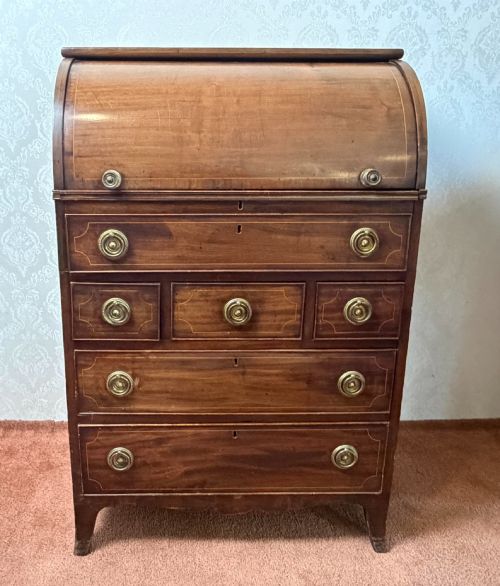
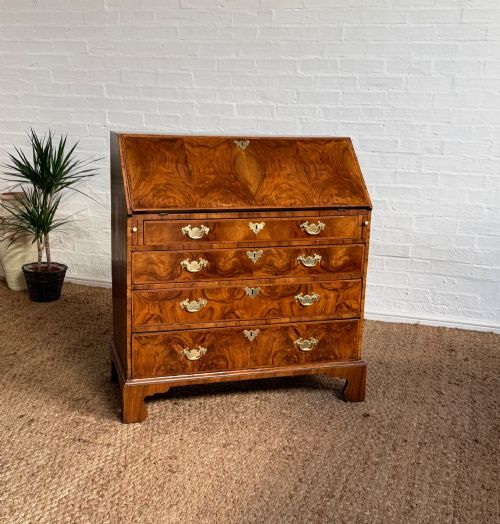
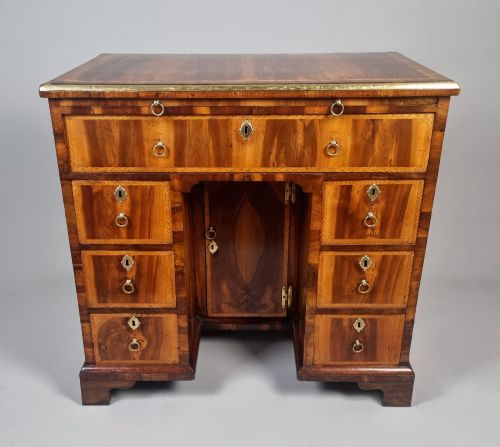
Georgian Desk Chest
A georgian desk chest combines deep drawer storage with a fitted writing compartment, offering a practical workspace wrapped in period character.
Georgian Desk Chest
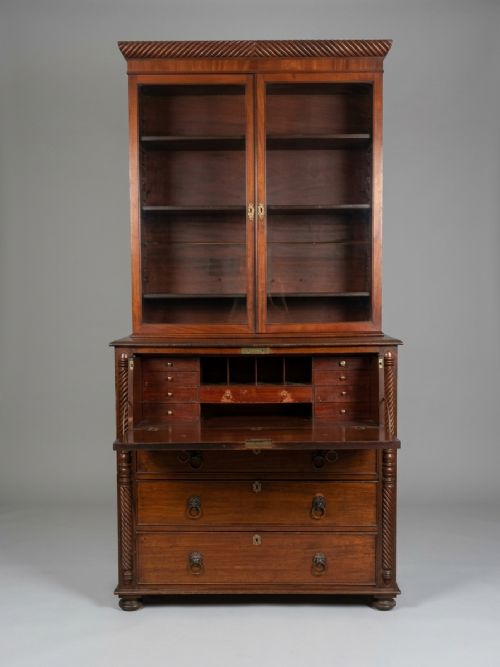
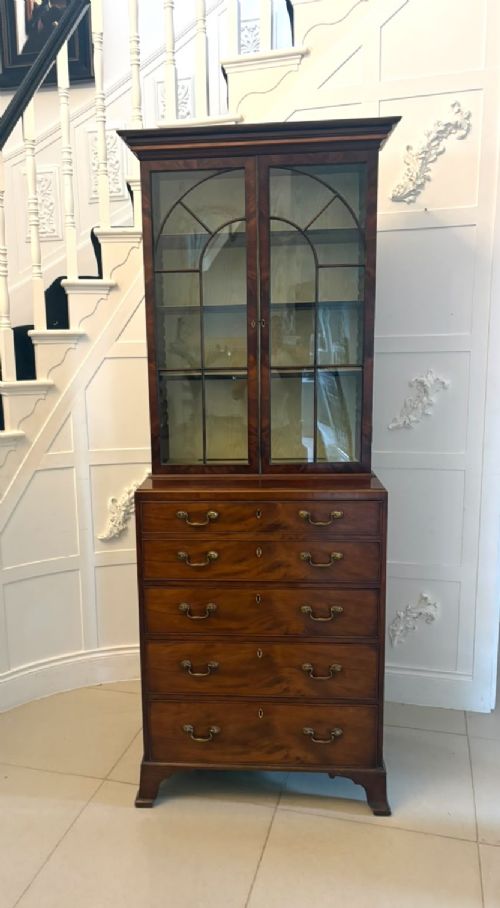
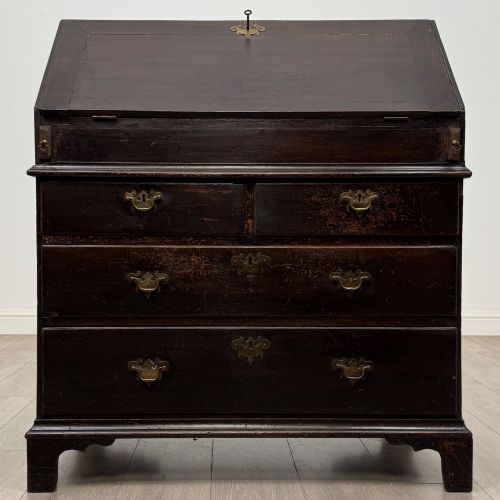
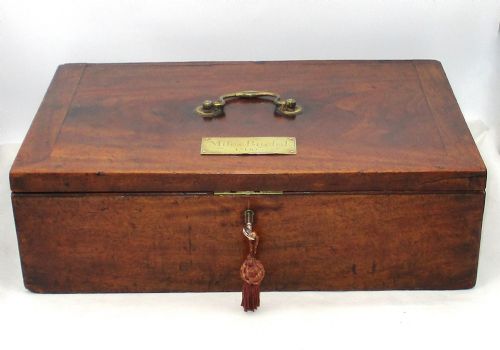
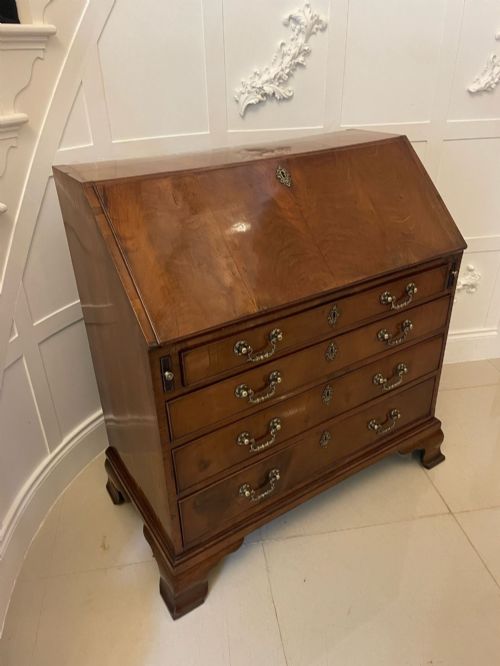
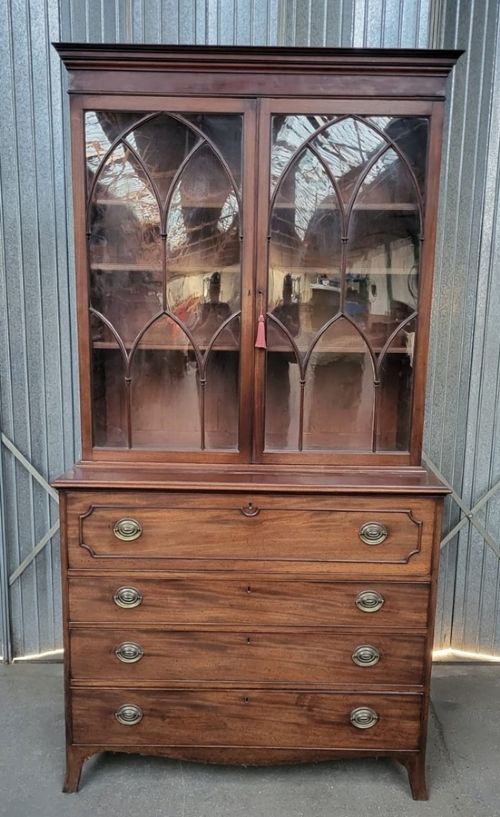
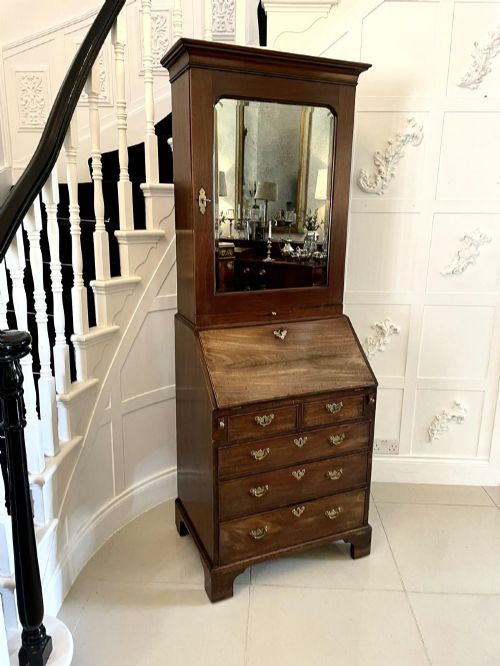
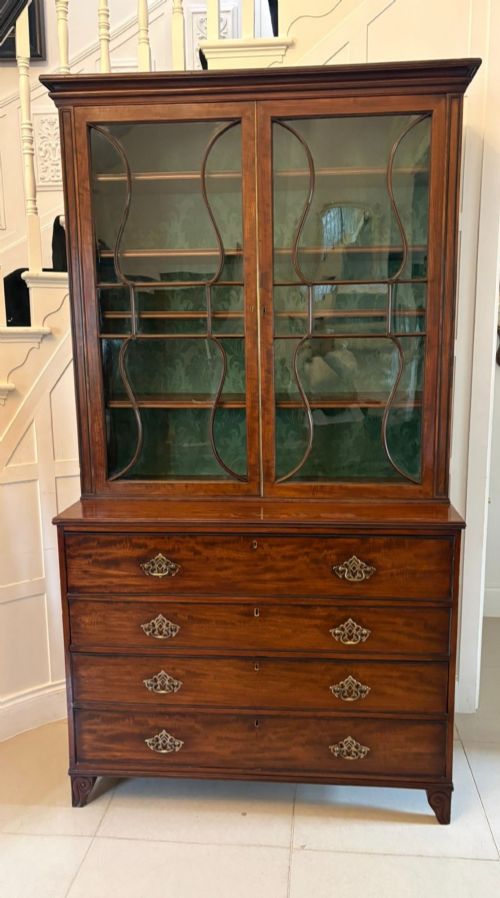
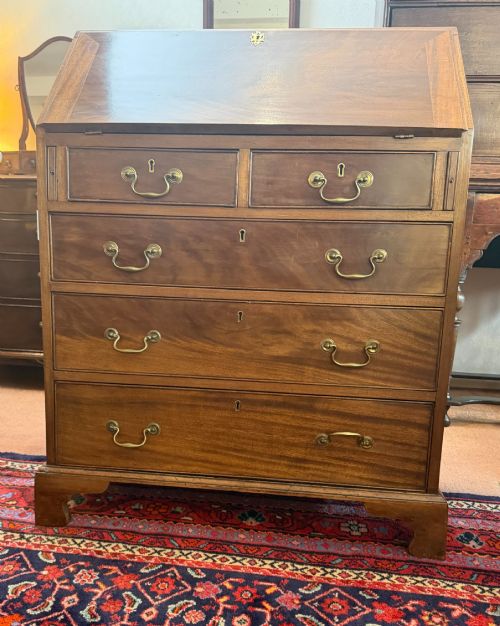
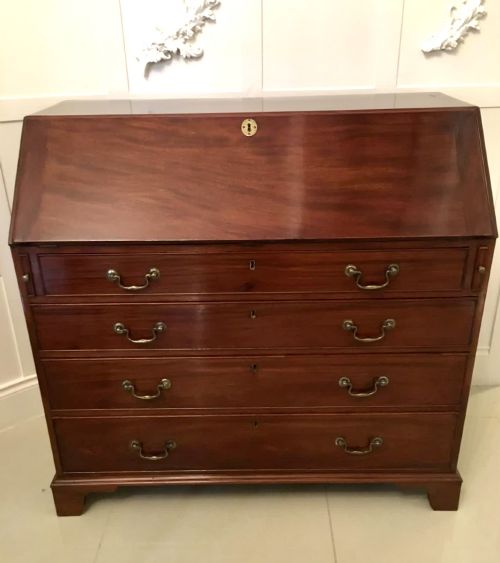
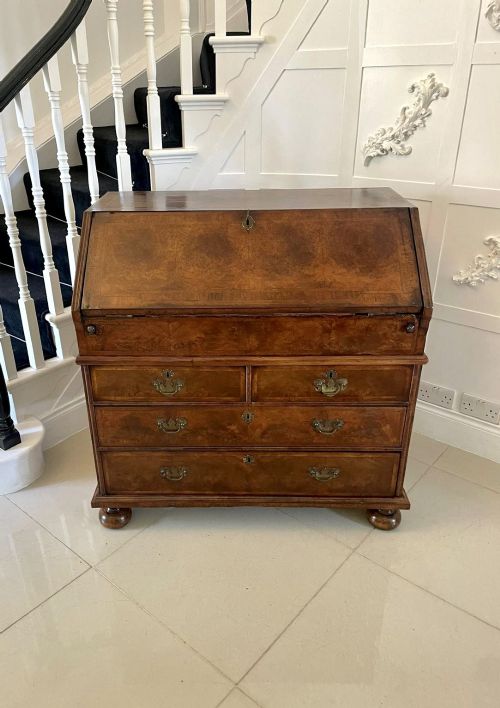
A georgian desk chest encompasses versatile dual-purpose furniture such as bureaux, secretaire bookcases, and bachelor chests that unite drawer capacity with writing surfaces. The pieces encountered on this page span the seventeenth, eighteenth, and nineteenth centuries, reflecting the evolving domestic requirements of those eras.
Makers fashioned these pieces in forms ranging from compact fall-front writing desks to tall walnut escritoires and large chest-on-chest configurations. Oak, mahogany, and walnut appear frequently, often enhanced by fitted pigeonholes, small drawers, and secret compartments concealed behind writing flaps.
Materials and Technique
Cabinetmakers utilised solid timbers and figured veneers, applying mahogany, oak, walnut, and burr walnut over sturdy carcases. Grain patterns dictated how wood was selected for fall fronts, drawer fronts, and top surfaces, creating natural decorative movement across the piece.
Construction relied on traditional joinery, including dovetail joints for drawers and pegged frames for earlier oak pieces. Brass drop handles, escutcheons, and hinges secured structural and decorative elements, while leather inserts occasionally lined the pull-down writing slopes.
Listings feature woods spanning oak, mahogany, walnut, burr walnut, rosewood, and yew wood across various centuries.
Evaluating the Pieces
Superior examples distinguish themselves through the quality of timber selection, particularly symmetrical burr veneers or dense, rich mahogany. The crispness of internal drawer construction and the retention of original brass hardware elevate a piece significantly.
Proportion and execution of secondary details, such as herringbone inlay, marquetry, or fitted interior compartments, dictate where a piece sits within the range. Refined execution in secondary woods and untouched patination mark out the better survivals from standard workshop output.
The Georgian Desk Chest Glossary
- Bureau
- A desk featuring a sloping fall front that opens to reveal a fitted interior of small drawers and pigeonholes. It typically sits atop a chest of drawer tiers.
- Secretaire
- A cabinet or chest incorporating a drawer that pulls down or drops forward to provide a writing surface with internal compartments. It conceals the writing function behind a conventional drawer facade.
- Escritoire
- A tall writing cabinet, often associated with late seventeenth and early eighteenth-century walnut furniture, featuring a drop-down writing flap above lower drawers. These tall pieces provide substantial vertical storage alongside a compact writing desk.
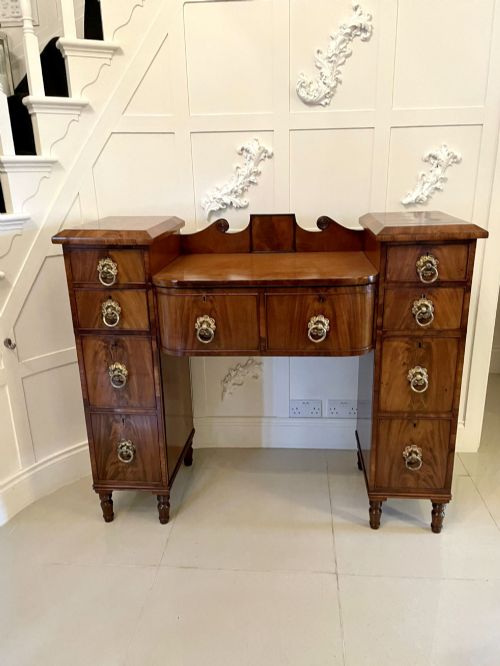
- Kneehole desk
- A flat-topped desk with a recessed central space for the user's legs, flanked by pedestals of small drawers. This form frequently doubles as a dressing table in eighteenth-century examples.
- Herringbone inlay
- A decorative banding technique where small pieces of veneer are laid in a V-shaped pattern resembling a fish skeleton. It frames drawer fronts and surfaces on walnut pieces.
Georgian Desk Chest: Frequently Asked Questions
What is a georgian desk chest?
A georgian desk chest is a multifunctional antique item that merges chest of drawers storage with a dedicated writing surface, such as a bureau or secretaire.
These pieces emerged to serve domestic writing and storage needs in compact formats, ranging from small bachelor chests to tall secretaire bookcases.
How do I use one today?
These pieces function well as compact home office desks or bedroom storage units, where the drop-down flap conceals modern paperwork when not in use.
The internal drawers and pigeonholes remain practical for organising stationery, small items, and contemporary accessories.
How are walnut and mahogany distinguished?
Walnut pieces generally date from earlier periods, displaying rich brown tones with varied figuring or decorative marquetry and inlay work.
Mahogany became the dominant cabinet wood later in the eighteenth century, offering a dense, reddish-brown grain that took a fine polished finish.
What is a secretaire drawer?
A secretaire drawer looks like a standard wide drawer on the exterior but pulls out and drops down to reveal a fitted writing surface and stationery compartments.
This clever mechanism allowed cabinetmakers to maintain the clean chest facade while incorporating a functional desk.