



Georgian Decanter Tag
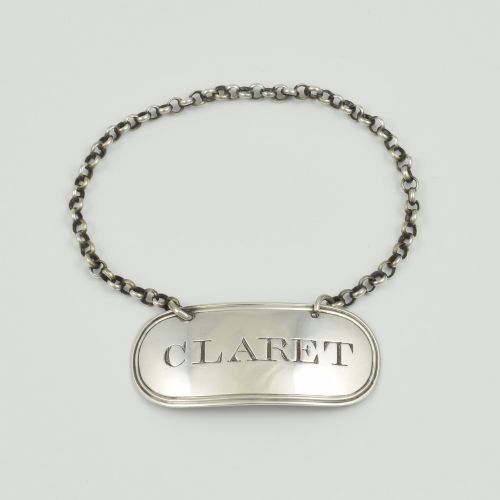
A georgian decanter tag identifies the bottle's contents with bright metal and careful punchwork, sitting neatly on the neck to finish a mahogany sideboard.
Georgian Decanter Tag
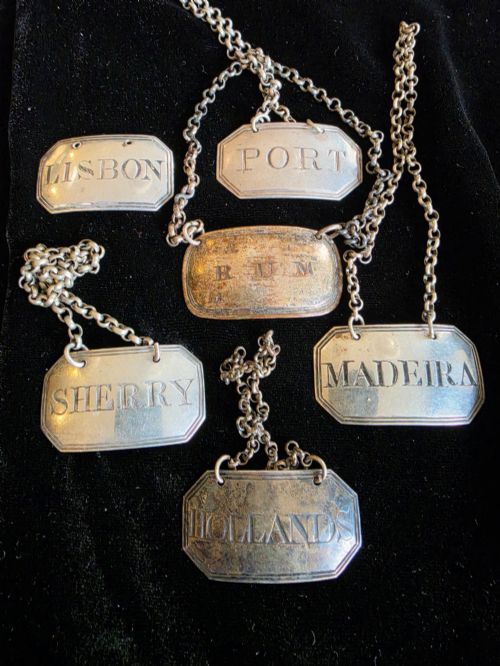
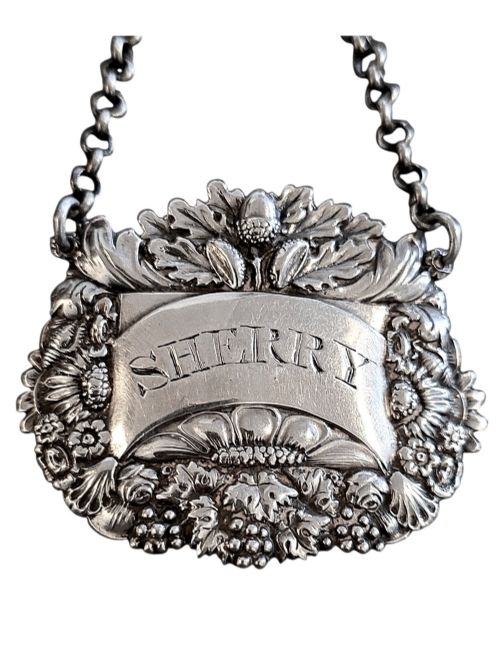
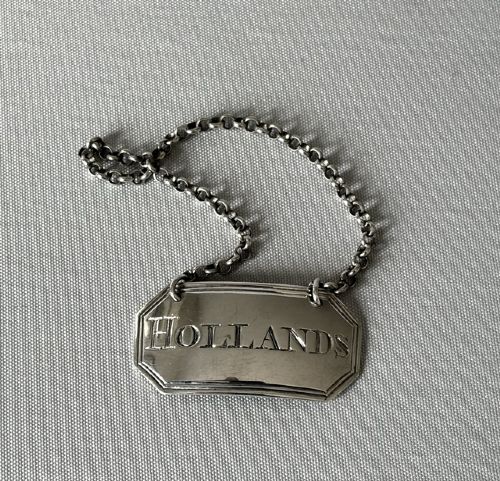
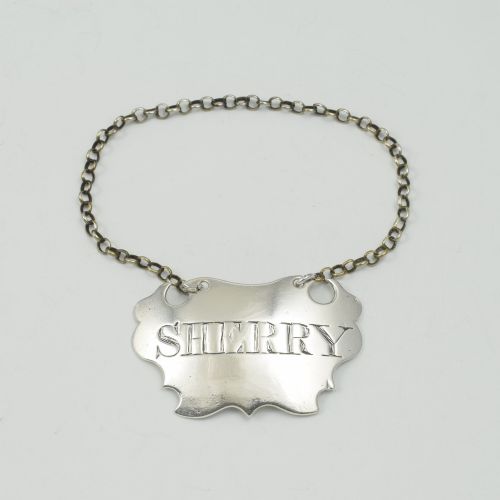
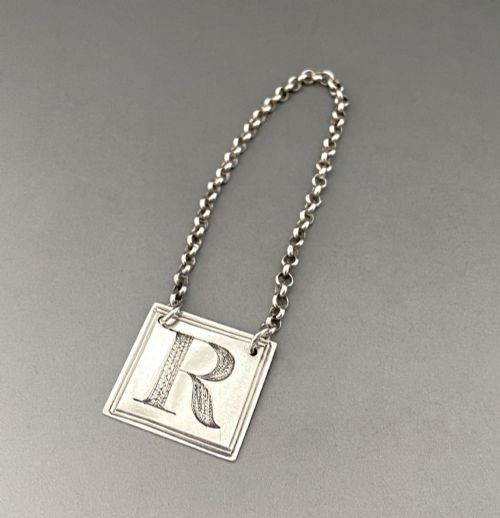
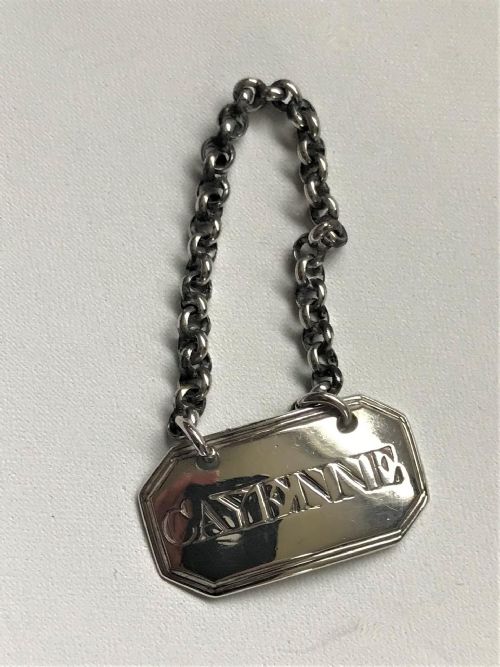
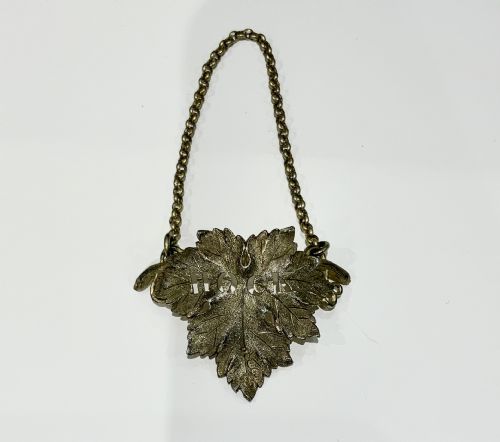
A georgian decanter tag takes several familiar forms across this selection, appearing most frequently as escutcheon shields, crescent plates, or pierced vine leaves. These small pieces of barware identify specific spirits and wines like sherry, claret, rum, and Madeira.
The periods represented stretch from the eighteenth century through the Georgian and Regency eras, with occasional Victorian examples. Makers cut them from sterling silver, solid silver, and silver gilt to hang from bottle necks by chains or rings.
Most entries name specific drinks or function as individual bottle tickets, though sets occasionally appear. Their origins span London workshops alongside regional centres such as Scotland.
How they were made
Silversmiths shaped sterling silver and solid silver using piercing, cutting, and engraving techniques to create escutcheon shields and vine leaf outlines. Some pieces received a layer of silver gilt for a richer surface appearance.
Maker marks, lion passant symbols, and duty heads were stamped directly into the metal alongside letter punches for drink names like sherry and cayenne.
Georgian Decanter Tag Retail Price Guide 2026
Typical asking prices for georgian decanter tag among the pieces listed under this phrase on Sellingantiques today, from the lower quarter to the upper quarter. They describe what is for sale here now, not the wider market.
Periods represented span the eighteenth century, the Georgian era, the Regency period, and the Victorian age.
What varies in quality
The crispness of the pierced lettering and the depth of the chased decoration separate standard labels from finer work. Sharp vine leaf veins and well-defined borders show greater skill in the silversmith.
Attribution to known makers or regional assay offices elevates a piece, as does the survival of the original suspension chain.
Elizabeth Morley·John Reily·Thomas Wallis II·William Sharp·Peter and Anne Bateman
The Georgian Decanter Tag Glossary
- Escutcheon
- A shield-shaped plate used for heraldry or engraving. On decanter tags, this form provides a traditional surface for naming the wine.
- Bottle ticket
- An alternative term for a decanter label or tag. These small silver plaques hung around the neck of glass decanters.
- Silver gilt
- Silver covered with a thin layer of gold. This treatment gave the metal a warm yellow sheen.
- Hallmark
- A series of official marks stamped on precious metals. These symbols indicate the assay office, standard of silver, and date of making.
- Vine leaf
- A naturalistic motif shaped like foliage. Many labels use this style to frame the title of the beverage.
Georgian Decanter Tag: Frequently Asked Questions
How do I hang a decanter tag?
Most tags use a short silver chain or a rigid wire ring that slips over the neck of the glass bottle. The tag then hangs freely against the glass below the lip.
Heavier labels stay in place better on wider decanter necks, while lighter escutcheons sit well on slender bottle shoulders.
Can I polish my silver label?
Gentle cleaning with a soft cloth removes tarnish without wearing away the engraved details or the hallmarks on the reverse. Avoid harsh dips that strip the character from older metal.
Allowing some natural darkening in the recessed lettering helps the name of the wine stand out clearly.
What drinks do these tags name?
The labels most often identify fortified and table wines like sherry, claret, Madeira, port, and hock. Other tags mark spirits such as rum, gin, or even cayenne for spice.
Some unusual examples specify particular strengths or single servings like miniature one go editions.
How do I date an antique silver tag?
Look for the hallmarks stamped on the back or edge of the metal, which typically include a maker mark, a standard mark, and a date letter. Comparing the style, such as a plain shield or an ornate vine leaf, also points to the correct era.
Regional pieces from Scottish provincial makers carry distinct town marks instead of standard London assay letters.