



Georgian Decanter Label
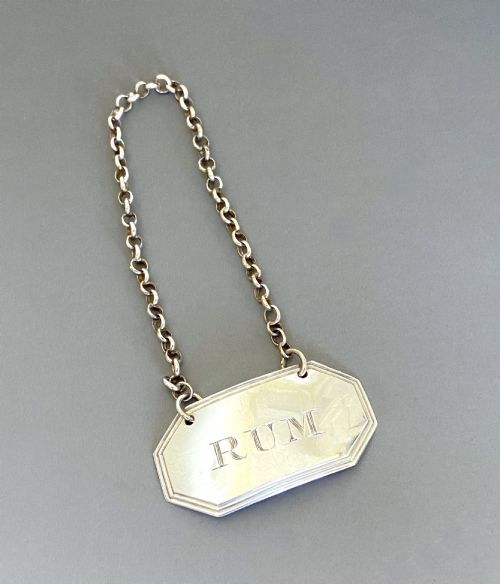
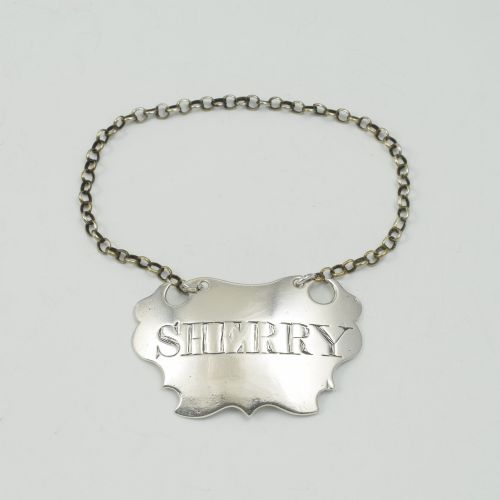
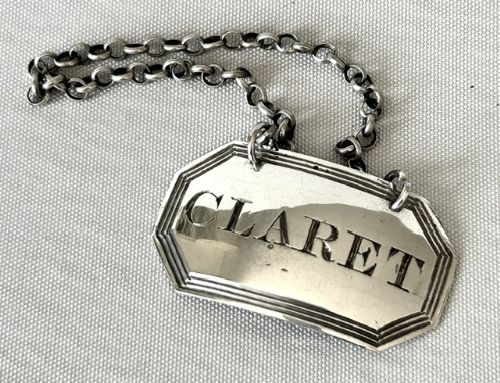
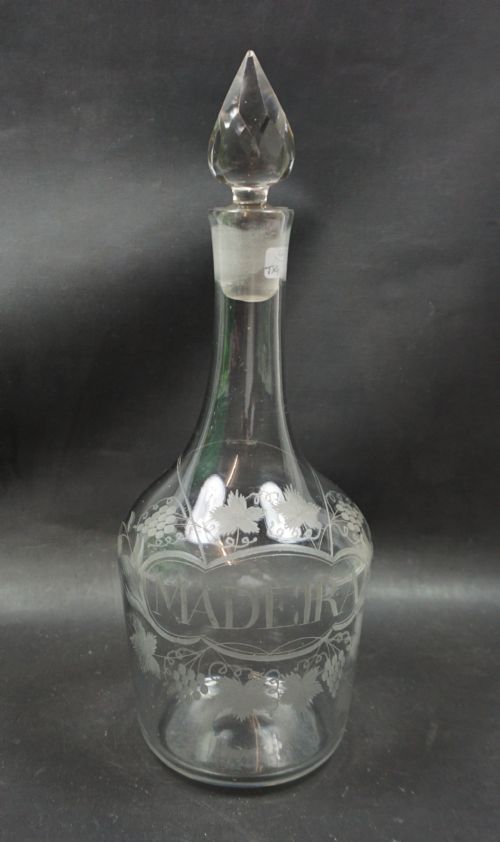
A georgian decanter label sits upon the neck of a decanter, naming the spirit within in solid silver or silver gilt.
Georgian Decanter Label
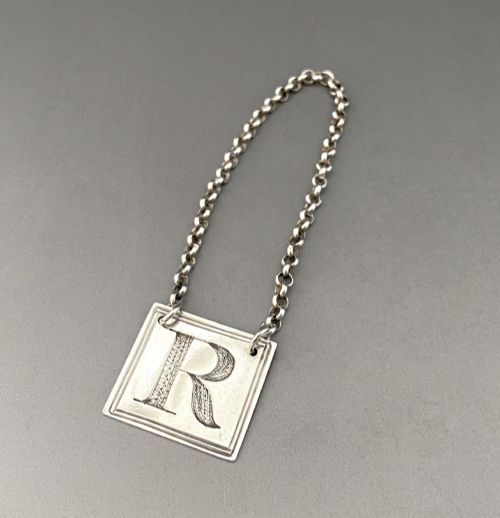
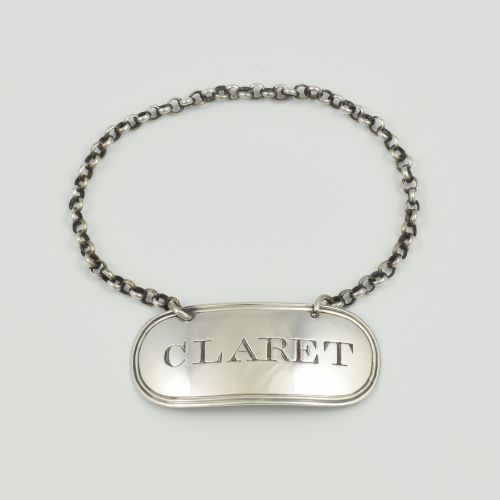
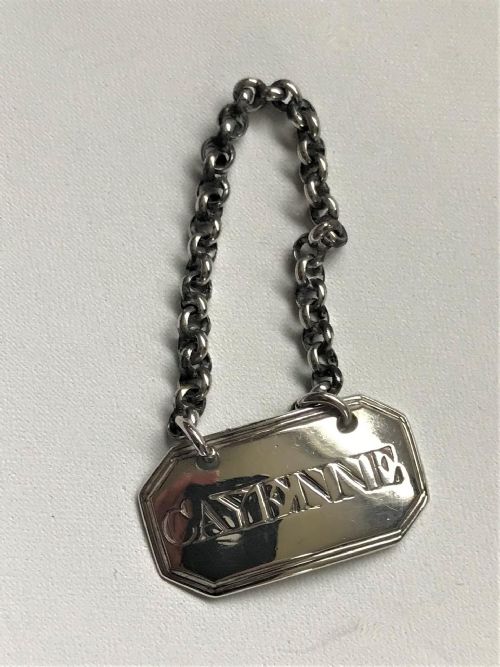
A georgian decanter label is a small piece of silver suspended by a chain around the neck of a bottle or decanter to identify the contents. Collectors encounter these items in various forms, including escutcheon shapes, crescent outlines, and naturalistic vine leaf designs.
The objects span periods from the eighteenth century through the Regency era and into the reign of William IV, with occasional Victorian examples. Most pieces identify specific beverages such as sherry, port, claret, rum, madeira, brandy, and gin.
Makers produced these bottle tickets to hang neatly against glass decanters, ensuring hosts could distinguish between fortified wines and spirits on the dining table. The selection includes individual pieces, matched sets of three, and miniature variants designed for single servings.
Materials and construction
Silversmiths fashioned these items primarily from sterling silver and solid silver, occasionally applying silver gilt to the surface for a richer finish. Workers employed techniques such as piercing, engraving, and stamping to shape the metal into distinctive outlines.
Makers cut lettering by hand or impressed it with punches, filling the recessed text or leaving the polished metal to catch the light. Chains made of matching silver links threaded through loops or bars attached directly to the top of the label.
Georgian Decanter Label Retail Price Guide 2026
Typical asking prices for georgian decanter label among the pieces listed under this phrase on Sellingantiques today, from the lower quarter to the upper quarter. They describe what is for sale here now, not the wider market.
Makers from London and Scottish provincial towns produced these labels in shapes ranging from simple crescents to detailed vine leaves.
Quality variations
The distinction between standard items and superior examples lies in the crispness of the piercing and the depth of the hand engraving on the surface. Makers who invested time in detailed border work or naturalistic foliage created pieces with greater visual weight.
Attribution plays a role in the standing of a piece, as labels bearing the marks of recognised silversmiths command attention for their provenance. The clarity of the hallmarks stamped on the reverse ensures authenticity and confirms the year and place of assay.
Elizabeth Morley·John Reily·Thomas Wallis II·William Sharp·Peter and Anne Bateman·Phipps and Robinson·Hester Bateman·Charles Rawlings·Susannah Barker·Samuel Godbehere and Edward Wigan·George McHattie·John Ziegler
The Georgian Decanter Label Glossary
- Escutcheon
- A shield-shaped plate used for heraldry or inscriptions, frequently adapted by silversmiths for bottle tickets.
- Silver gilt
- Sterling silver that has been coated with a thin layer of gold, providing a warm golden appearance.
- Bottle ticket
- An alternative historical term for a decanter label, reflecting the manner in which the item hangs from the vessel.
- Hallmark
- A series of official marks stamped on precious metals in the United Kingdom to certify standard of purity and origin.
- Provincial
- Items made and marked outside of the main assay offices such as London, often originating from Scottish or regional makers.
Georgian Decanter Label: Frequently Asked Questions
What is a decanter label used for?
These small silver tags hang around the necks of glass decanters to identify specific wines and spirits during dining rituals. They prevent confusion when multiple bottles sit on the sideboard.
Hosts used them to label contents such as port, sherry, madeira, and brandy without needing to mark the glass itself. The hanging chain allows the tag to move freely as the decanter is lifted.
How do you date a silver decanter label?
Dating relies upon the hallmarks stamped into the silver, which record the assay office, the maker's mark, and a date letter corresponding to a specific year. Stylistic shifts also offer clues, moving from eighteenth-century rococo curves to Regency vine leaves and Victorian naturalism.
Comparing the shape, the lettering style, and the engraving technique against known examples helps narrow the period of manufacture. Records from regional offices in Scotland and provincial towns provide further context for regional pieces.
Are these labels made of solid silver?
Most examples found in these listings consist of sterling silver or solid silver, with some pieces featuring a silver gilt finish. Makers utilised sheet silver of varying thickness, shaping the metal through piercing and stamping.
Glass examples with painted or gilded lettering also exist, serving the same identification purpose as their metal counterparts. The material quality depends upon the workshop that produced the piece.
How should I display decanter labels?
Collectors often hang these items around the necks of antique glass decanters to recreate their original appearance on a dining table. The proportions of the label should match the scale of the bottle it accompanies.
Alternatively, some enthusiasts mount collections on boards or display them within shallow cabinet trays to protect the delicate chains and surfaces. Proper placement keeps the silver free from unnecessary friction against glass.