




Georgian Cutlery and Silverware
Georgian cutlery and silverware brings functional elegance to the table, uniting period craftsmanship with enduring domestic utility.
Georgian Cutlery and Silverware
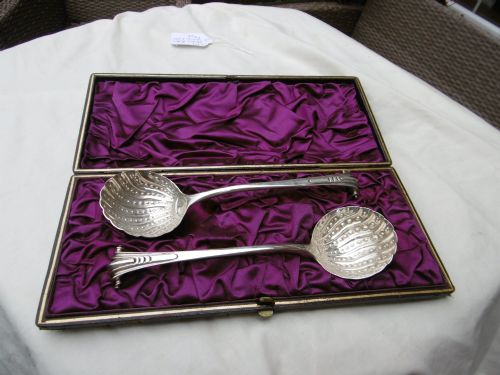
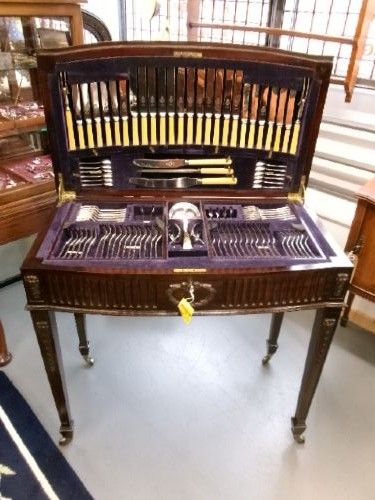
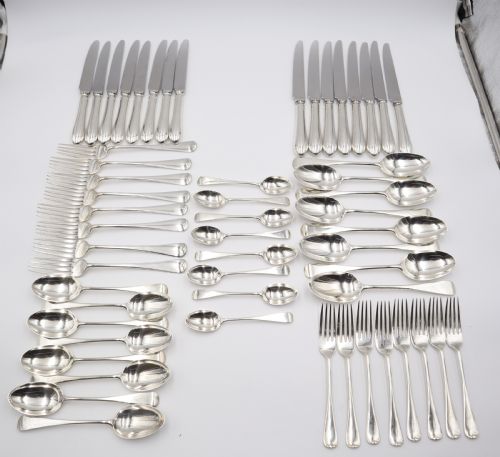
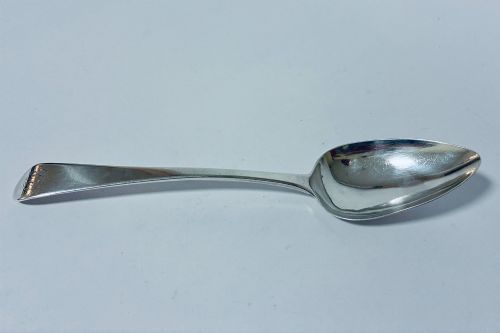
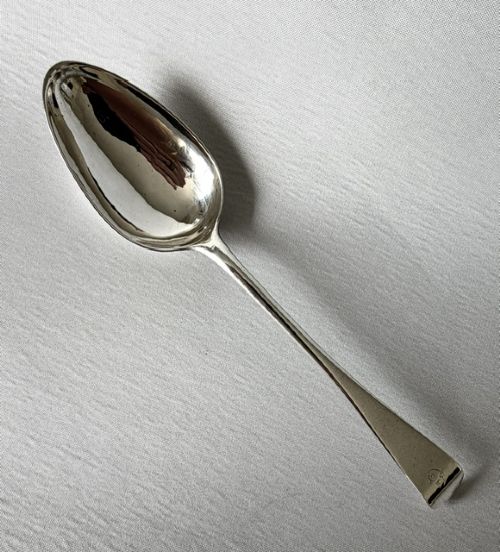
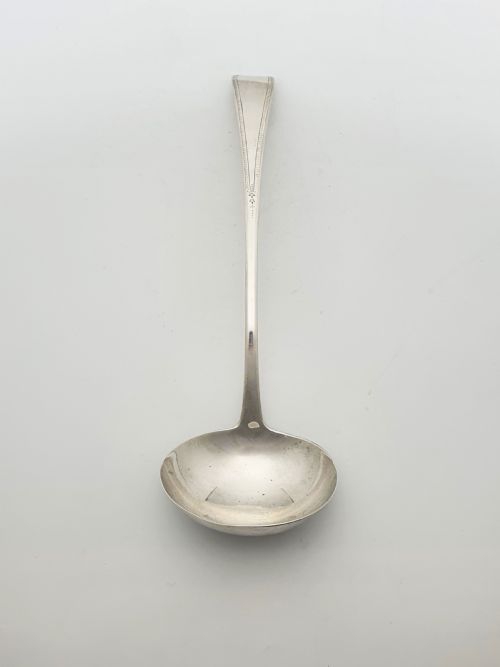
When searching for georgian cutlery and silverware, collectors encounter an array of dining implements and storage pieces spanning the eighteenth and early nineteenth centuries. The selection encompasses serving spoons, ladles, grape shears, and complete canteens housed in mahogany cabinets or chests.
Most items stem from the Georgian period itself, though the category extends to later revivals, campaign sets, and nineteenth-century dining equipment. Pieces originate from English, Scottish, and Irish makers, reflecting regional assay office marks and distinct stylistic preferences of the era.
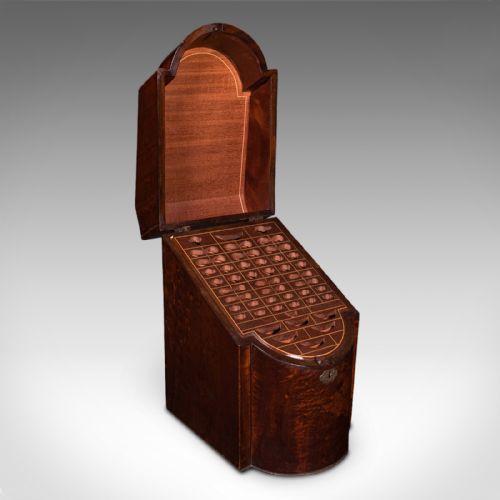
Storage items such as knife boxes and butler's trays frequently accompany the flatware on this page, providing complete dining solutions. Silver and silver plate dominate the material record, paired with steel blades and housed in mahogany cabinetry.
What varies in quality
Quality diverges between standard utility flatware and masterworks bearing the marks of prominent silversmiths. The crispness of chased crests, the weight of the silver, and the balance of handles distinguish superior items.
In cabinetry, the selection of mahogany, the integration of brass hardware, and the structural integrity of the cutlery chest define the upper tier of storage pieces. Maker attribution heavily influences the standing of individual items within the wider field.
Georgian Cutlery and Silverware Retail Price Guide 2026
Typical asking prices for georgian cutlery and silverware among the pieces listed under this phrase on Sellingantiques today, from the lower quarter to the upper quarter. They describe what is for sale here now, not the wider market.
Listings feature items spanning the eighteenth century through the Edwardian period, constructed from sterling silver, mahogany, brass, and steel.
William Fearn·John Craig·James Tookey·Bateman·Paul Storr·Walker & Hall·Alexander Henderson
The Georgian Cutlery and Silverware Glossary
- Sterling silver
- A standard alloy consisting of ninety-two point five percent silver by mass, widely utilised for Georgian tableware and flatware.
- Hallmark
- An official stamp applied to precious metals indicating the maker, assay office, and year of production.
- Basting spoon
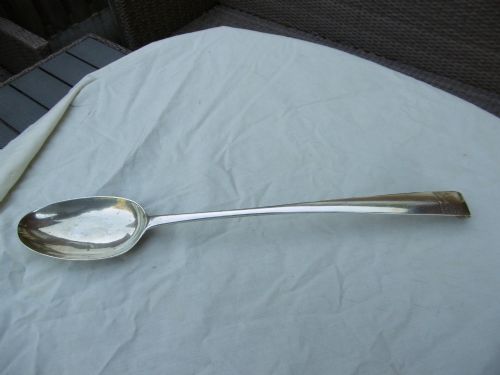
- A large spoon utilised in food preparation and serving, frequently measuring longer than standard tablespoons.
- Canteen
- A fitted box, chest, or cabinet designed to store a matched set of cutlery and silverware securely.
- Onslow pattern
- A distinct eighteenth-century flatware handle design featuring a scrolled terminal curling backward.
- Grape shears
- Specialised scissors utilised at the dining table for cutting portions of fruit.
Georgian Cutlery and Silverware: Frequently Asked Questions
What is included in georgian cutlery and silverware?
The category covers dining implements such as serving spoons, tablespoons, dessert spoons, ladles, and grape shears. It also includes storage furniture like mahogany knife boxes, butler's trays, and fitted canteen cabinets.
Materials primarily consist of sterling silver and silver plate, alongside steel components for cutting implements and timber for storage pieces. Items range from individual provincial spoons to comprehensive multi-item service sets.
How do I identify a Georgian silver spoon?
Examination of hallmarks provides the primary method for dating and attributing silver items. Assay office marks, maker's marks, and date letters stamped into the metal reveal the origin and year of production.
Stylistic indicators such as Onslow or Fiddle patterns, engraved crests, and specific bowl shapes also assist in placing pieces within the eighteenth or early nineteenth century.
Can I use antique silver every day?
Many collectors choose to incorporate antique silver and cutlery into modern dining routines, appreciating the tactile quality and weight of the pieces. Sterling silver withstands regular use provided it receives appropriate hand washing and careful maintenance.
Storage in dedicated lined boxes or chests helps protect the surfaces when the flatware is not in active service on the dining table.