
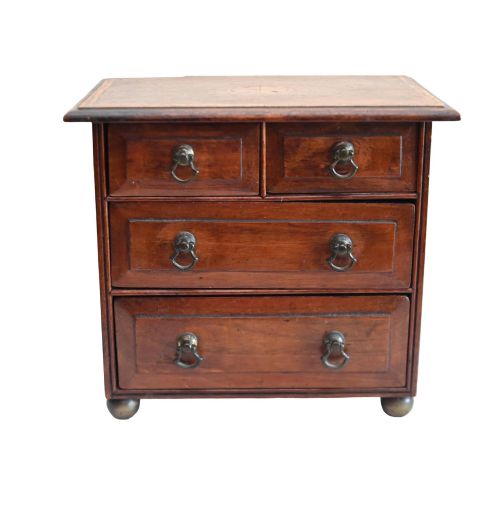
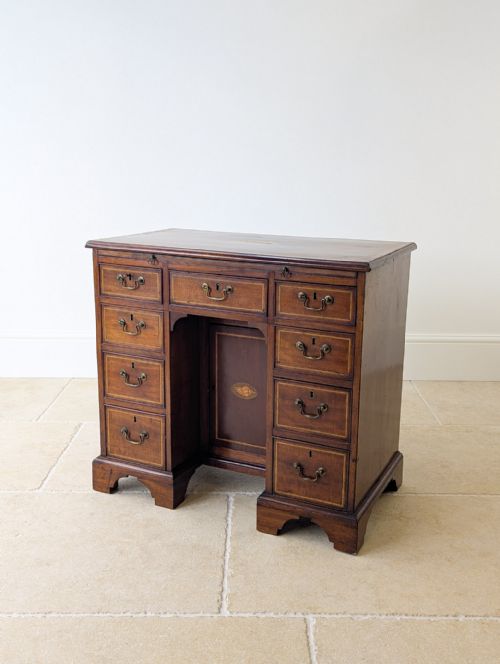
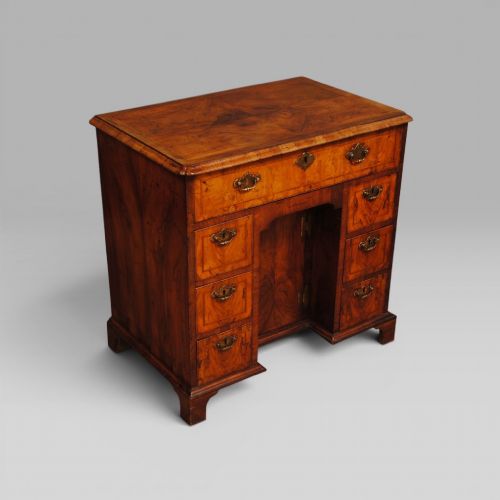


Georgian Cupboard Desk
A georgian cupboard desk brings together intelligent compartment design and solid timber construction, offering a practical writing space with concealed storage.
Georgian Cupboard Desk
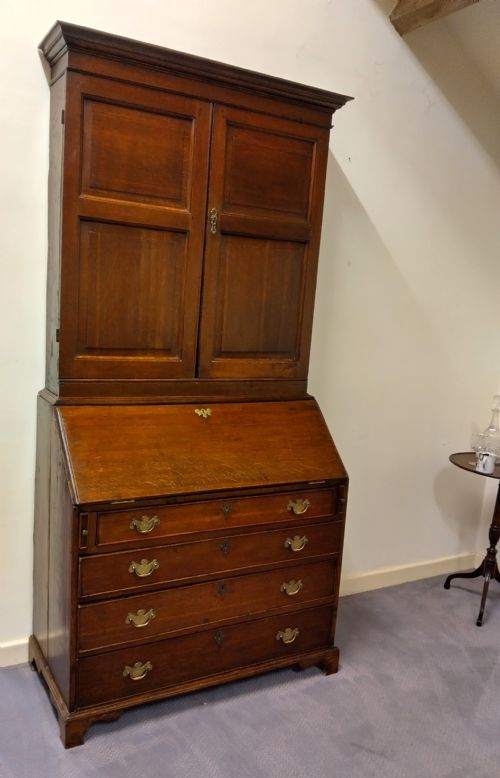
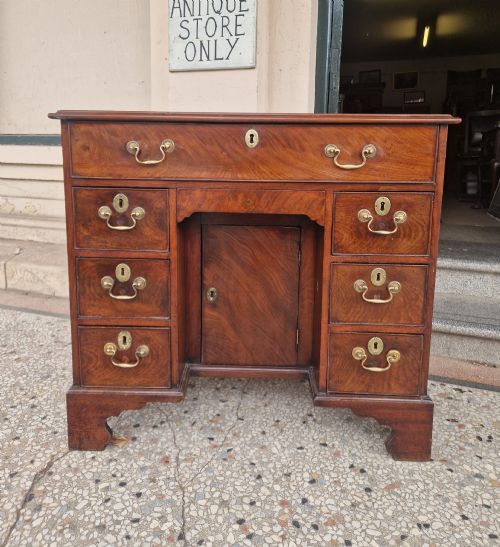
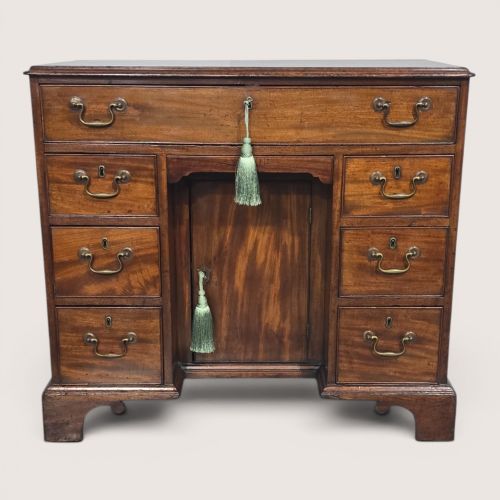
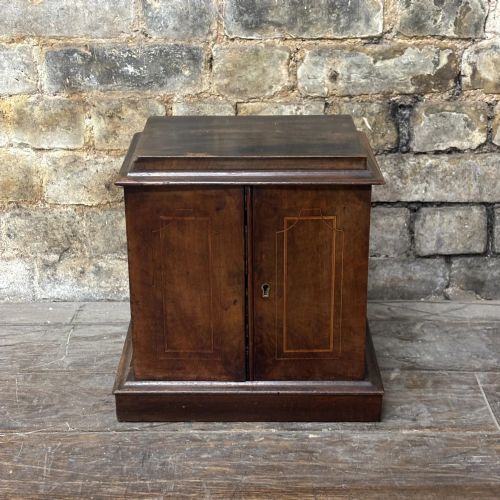
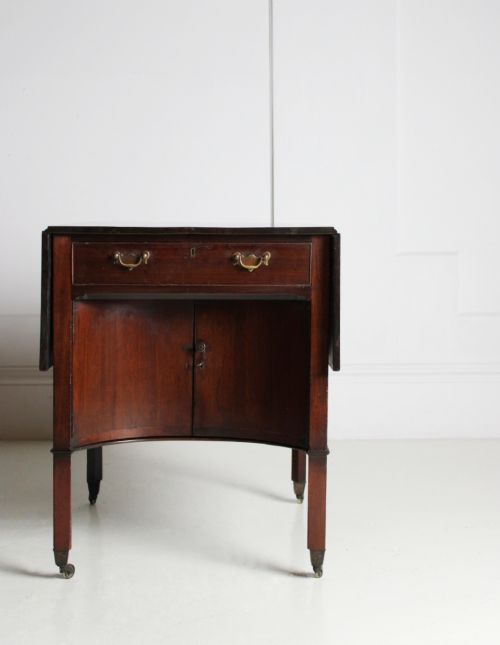
When searching for a georgian cupboard desk, buyers encounter forms that double as writing spaces and compact storage units, frequently appearing as kneehole desks, bureau bookcases, and secretaire cabinets. These pieces span periods from the early eighteenth century through the georgian era and into later revival styles, offering compact compartments alongside larger shelved enclosures.
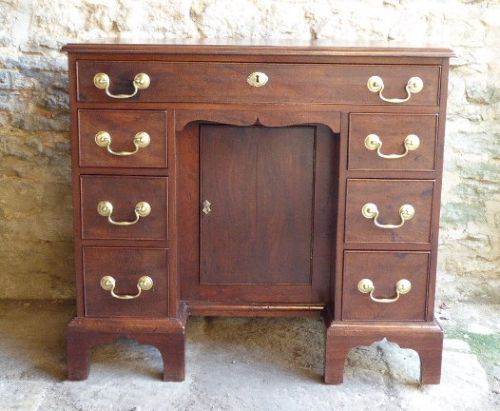
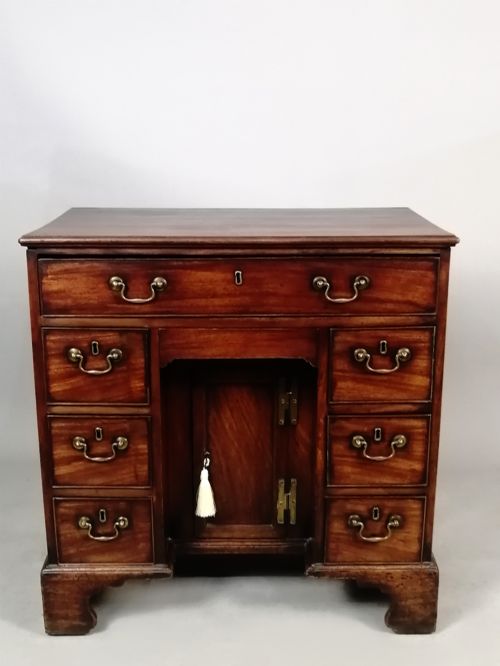
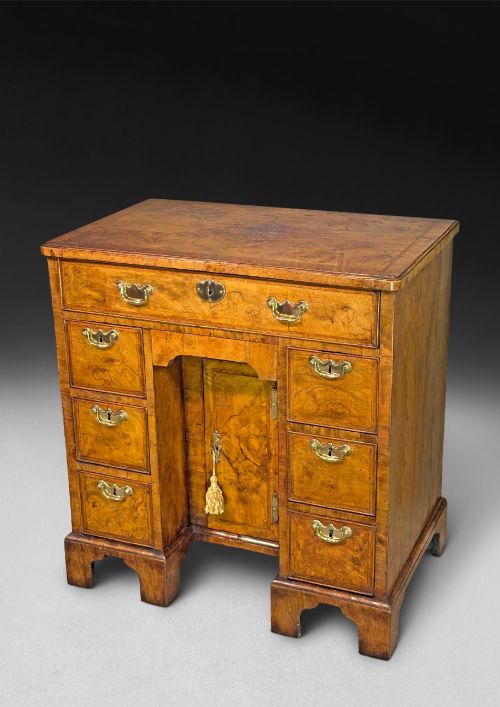
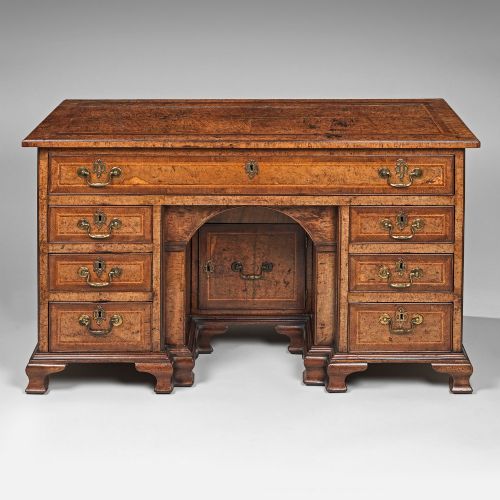
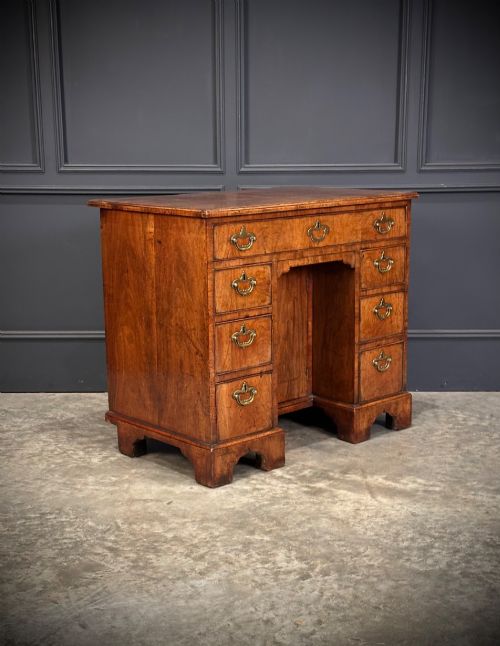
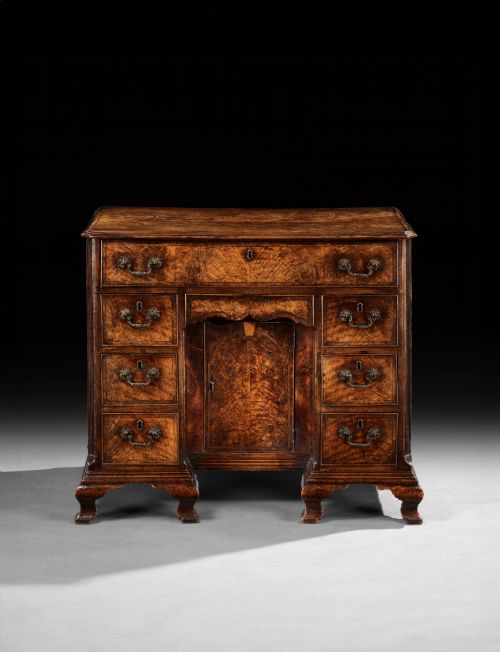
Mahogany and walnut dominate the selection, often enriched with burr veneers, satinwood, or oak, while brass hardware and leather inserts accent the writing surfaces. The kneehole desk format remains the most common encounter on this page, providing a central recess flanked by banks of small drawers beneath a fold-down or pull-out writing drawer.
Materials and construction methods
Cabinet makers built these pieces using dense hardwoods like mahogany, oak, and walnut, frequently applying highly figured veneers such as burr walnut or fiddleback walnut to primary display surfaces. Solid secondary timbers formed the internal drawer linings and carcass backs, held together with traditional joinery.
Brass handles, escutcheons, and occasional paw feet provided functional and decorative accents, while leather lined the writing surfaces of desks and secretaire drawers. Glass panels appeared in the doors of upper bookcase sections, allowing books or display items to remain visible yet dust-free.
Several compact writing desks conceal tiny hidden compartments within their internal pigeonholes, designed for stashing private letters and tiny valuables.
Assessing quality and craftsmanship
The degree of figure in the timber grain and the precision of the veneer matching separate standard examples from exceptional ones. Fiddleback walnut and burr elm or walnut demand greater skill in selection and application than plain timber planks.
The integrity of the internal pigeonholes, small drawers, and secret compartments within the desk section indicates the original maker's investment of time and labour. Subtle details like original brass hardware and well-fitted writing slides elevate the overall standing of a piece.
The Georgian Cupboard Desk Glossary
- Kneehole desk
- A compact desk featuring a central recessed space for the sitter's legs, flanked by two vertical columns of small drawers.
- Secretaire
- A piece of furniture incorporating a drawer or compartment with a fold-down front that serves as a writing surface.
- Bureau bookcase
- A dual-purpose tall furniture form combining a slant-front desk base with an upper glazed or panelled shelving cabinet.
- Veneer
- A thin layer of finely figured wood applied over a secondary timber base to create a decorative exterior surface.
- Escutcheon
- A protective brass plate fitted around a keyhole to prevent the surrounding wood from sustaining wear.
Georgian Cupboard Desk: Frequently Asked Questions
What is a kneehole desk?
A kneehole desk is a compact writing table designed with a central recess for the user's legs, flanked on both sides by small stacked drawers.
These pieces provide substantial storage capacity within a modest footprint, making them suitable for smaller studies or drawing rooms.
How do I use a secretaire cabinet?
The main writing compartment pulls or folds down to reveal a fitted interior containing pigeonholes, small drawers, and sometimes a secret compartment.
When not in use, the writing flap lifts and locks shut, concealing correspondence and writing materials behind a neat cabinet exterior.
How do I distinguish walnut from mahogany?
Walnut typically displays a rich brown tone with dark grain figuring, often utilised in pieces dating from the early eighteenth century during the reigns of Queen Anne and George I.
Mahogany exhibits a reddish-brown hue that became the dominant timber choice throughout the subsequent georgian and george iii periods.
Where were these desks placed?
These pieces sat in private libraries, bedrooms, or withdrawing rooms where individuals managed personal correspondence and household accounts.
Their finished backs and compact proportions allowed them to stand against walls or near windows where natural light fell upon the writing surface.