


Georgian Crystal Drinking Glass
A georgian crystal drinking glass brings tactile weight and historical gravity to the table, offering a direct connection to eighteenth-century tavern and dining culture.
Georgian Crystal Drinking Glass
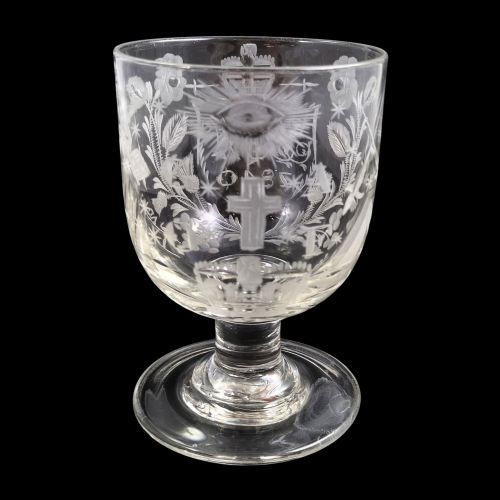
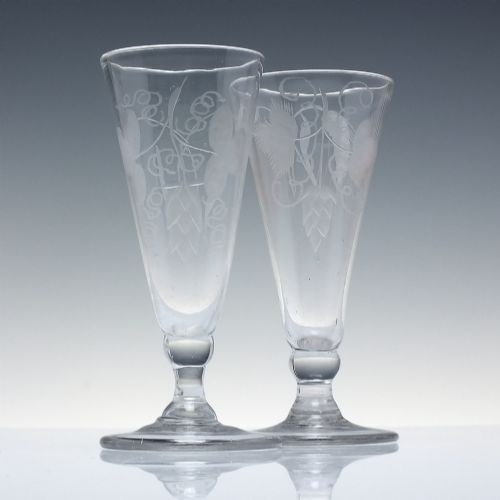
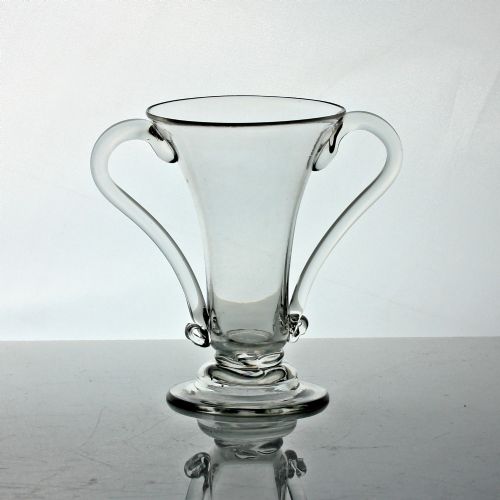
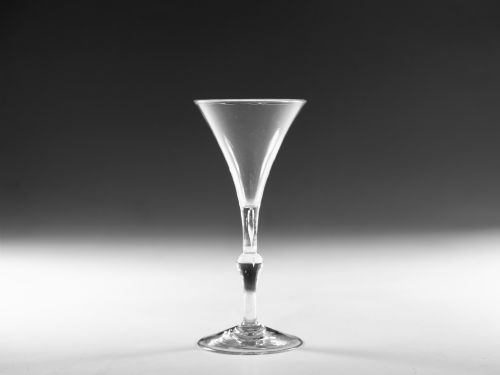
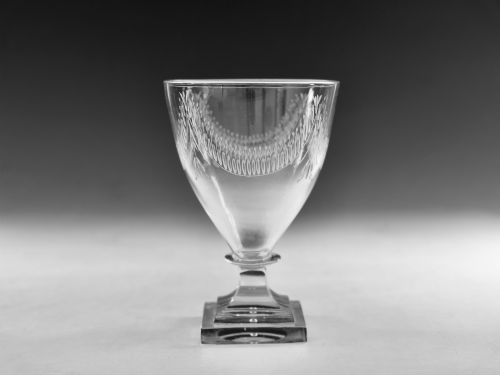
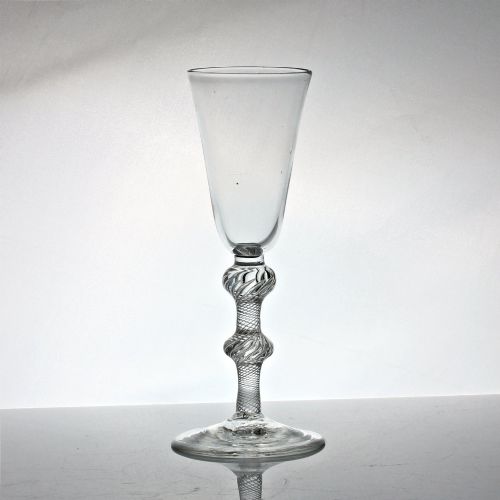
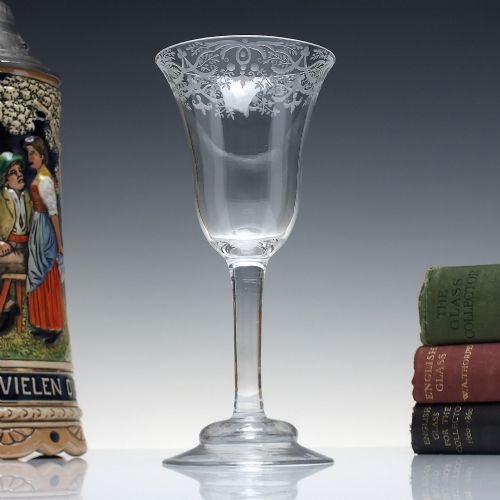
A georgian crystal drinking glass encompasses wine glasses, rummers, ale glasses, jelly glasses, and dram glasses originating primarily from eighteenth-century England.
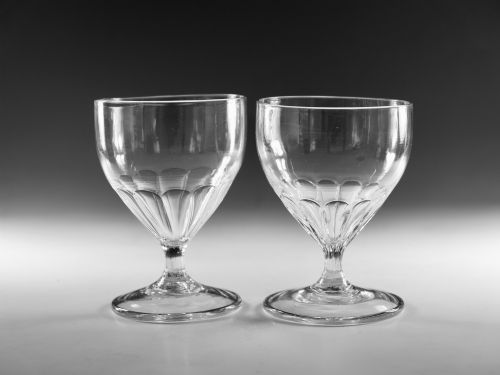
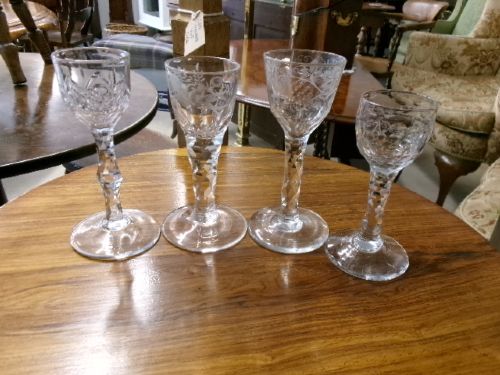
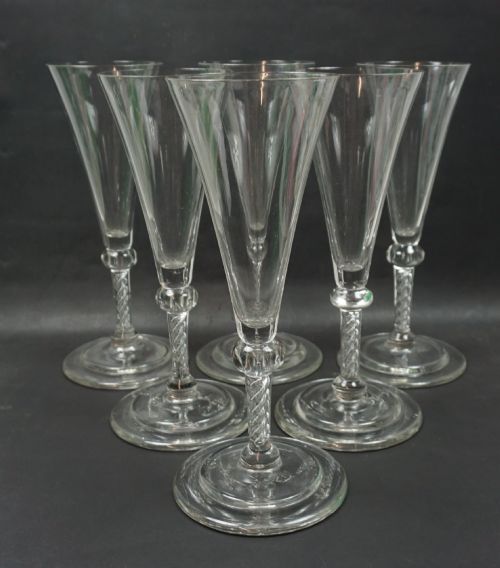
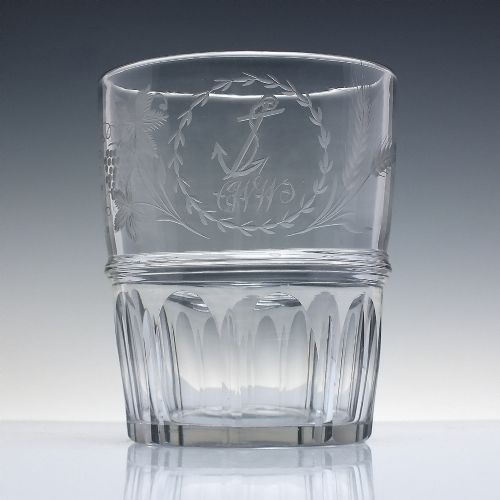
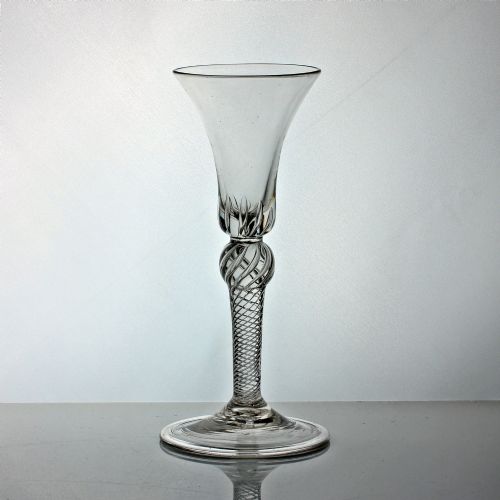
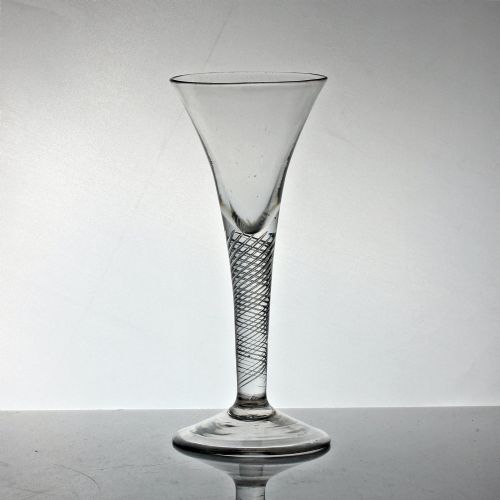
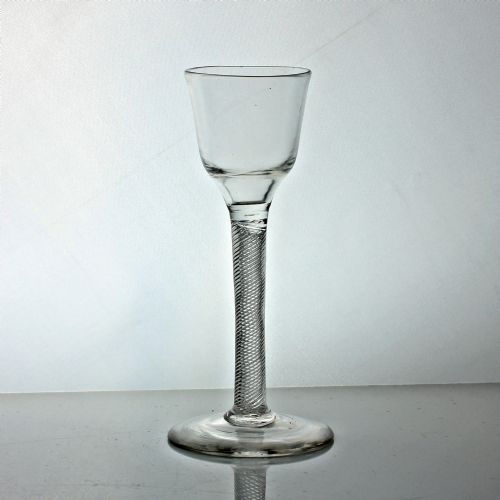
The buyer meets numerous wine glasses featuring air twists or opaque twists, alongside heavier rummers and faceted stemmed drinking glasses dating towards the early nineteenth century.
Forms range from small dram glasses and jelly glasses designed for sweet courses to tall ale glasses and capacious tumblers intended for daily consumption.
Distinctions in Standard
Quality rests upon the purity and weight of the metal, where heavier lead crystal displays superior refractive index and resonance compared to standard utility glass.
The execution of the stem defines the technical achievement, with tightly drawn air twists and crisp opaque twists demanding high skill from the glasshouse hand.
Proportion and symmetry between the bowl, stem, and folded or domed foot dictate the visual balance of the piece.
Listings feature lead crystal, flint glass, and hand-blown glass across eighteenth and nineteenth-century forms such as rummers, ale glasses, and twist-stem wine glasses.
The Georgian Crystal Drinking Glass Glossary
- Air twist
- An optical effect inside a glass stem created by elongating tiny air bubbles into spirals. This technique was popular in mid-eighteenth-century English glass.
- Opaque twist
- A stem decoration formed by enclosing white enamel rods within clear glass and twisting them into single or double series patterns.
- Rummer
- A large, sturdy drinking glass originating in the late eighteenth century used for ale, wine, or punch. They typically feature heavy bucket or ogee bowls on short stems.
- Folded foot
- A base edge turned under while hot to add strength and stability to the glass. This feature is frequently seen on eighteenth-century drinking vessels.
- Baluster
- A thick, swelling stem form reminiscent of architectural pillars found on early drinking glasses. They often incorporate knops for grip and visual weight.
Georgian Crystal Drinking Glass: Frequently Asked Questions
How do I clean a georgian crystal drinking glass?
Wash these pieces gently by hand in warm water using mild soap, avoiding sudden temperature changes that can stress old metal.
Dry them immediately with a soft linen cloth to prevent water spots and preserve the polish of the hand-blown surface.
Can I still drink from a georgian crystal drinking glass?
Many collectors use these glasses for special occasions, as the robust lead crystal handles everyday beverages safely.
Hand-washing is mandatory to protect the soft historic glass from modern detergents and dishwasher heat.
How do I tell an air twist from an opaque twist?
An air twist contains clear, elongated channels of trapped air that refract light subtly within the transparent stem.
An opaque twist relies on solid white enamel threads running through the glass, creating a distinct white pattern visible against the light.
What is the difference between a rummer and a wine glass?
A rummer is substantially larger and heavier, designed for hearty portions of ale, beer, or punch during eighteenth and nineteenth-century gatherings.
Wine glasses are smaller and more delicate, featuring refined stems and bowls scaled for lighter tavern or dining table use.