
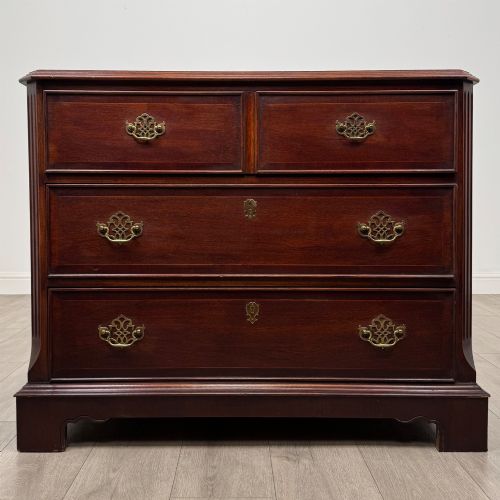
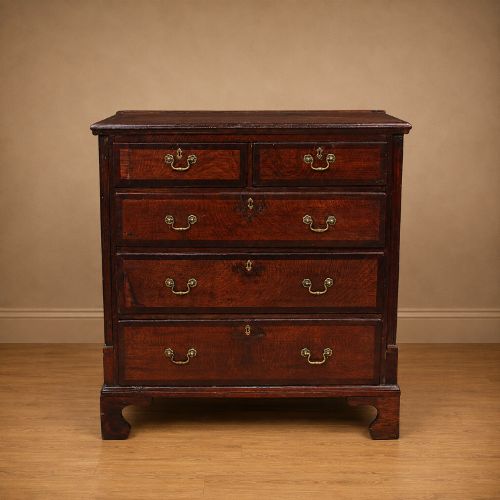

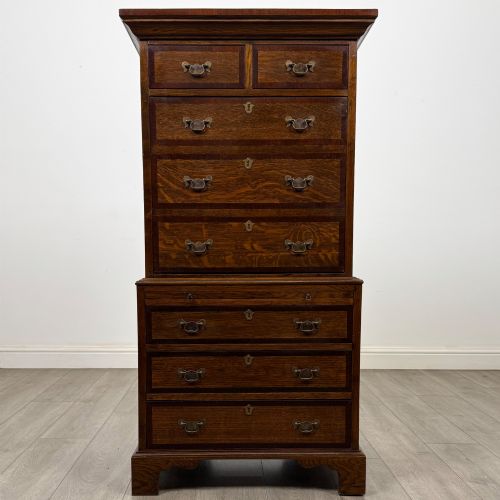
Georgian Crossbanded Chest
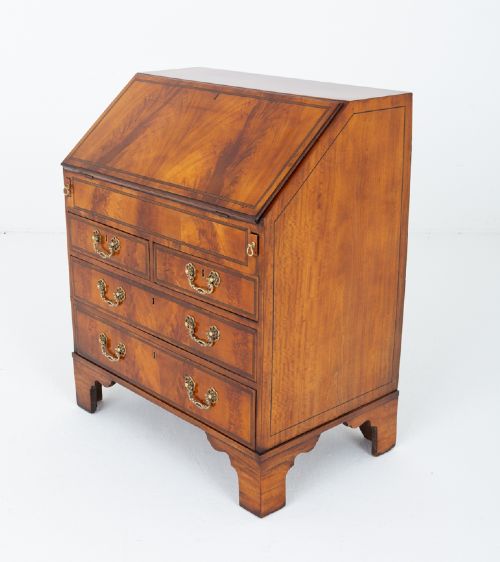
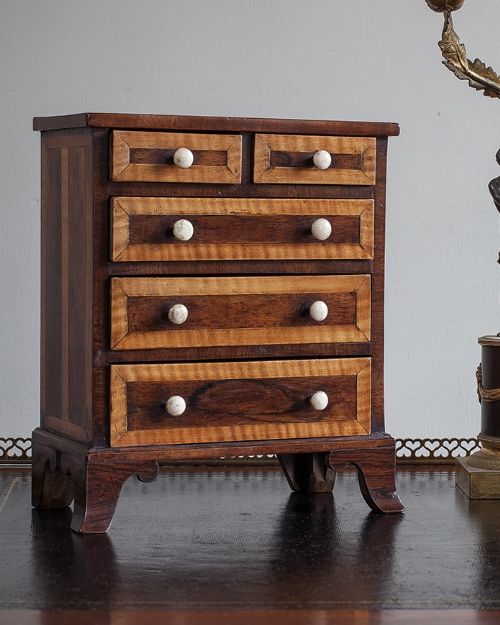
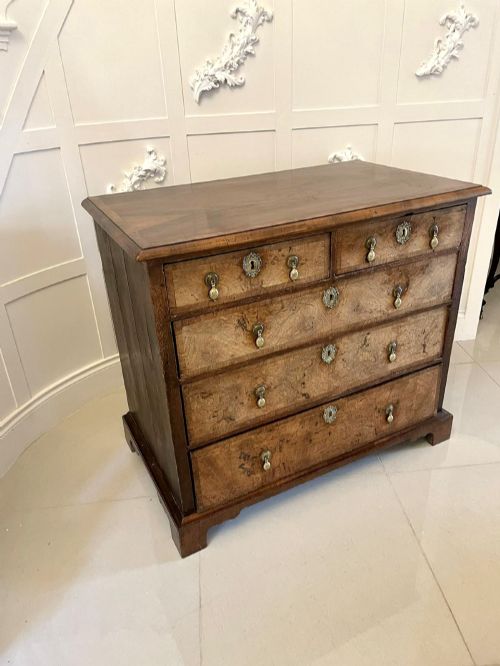
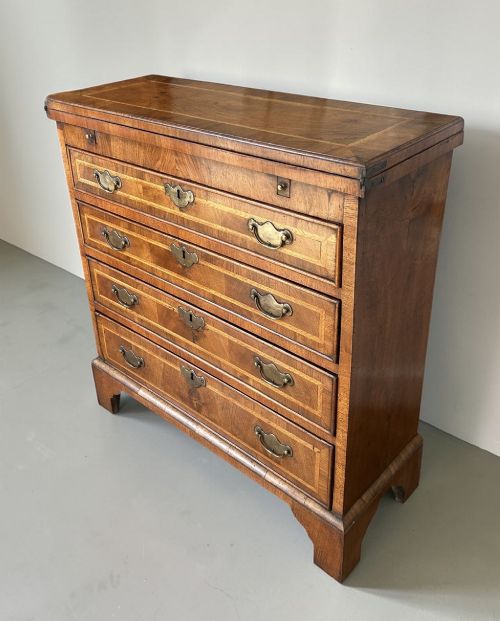
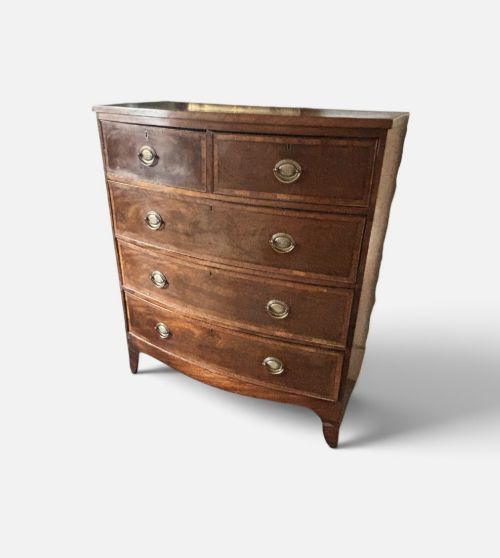
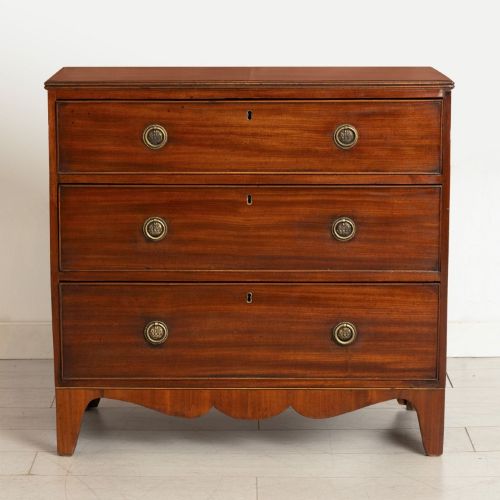
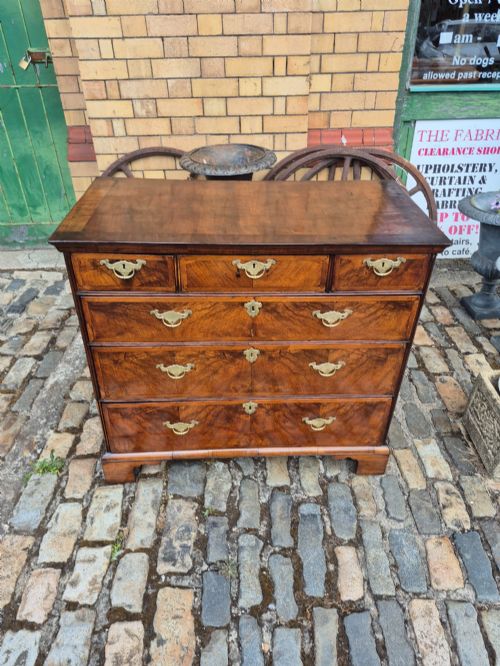
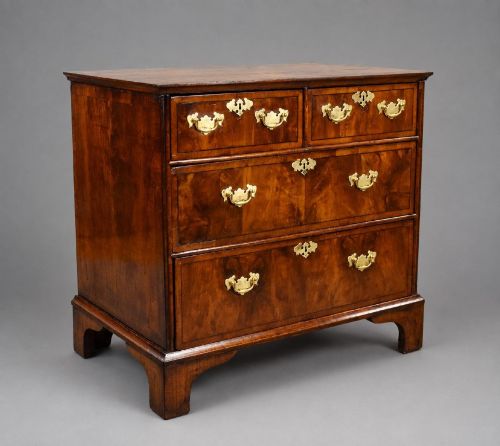
A georgian crossbanded chest brings figured timbers and geometric borders together to anchor a bedroom or hall with period warmth.
Georgian Crossbanded Chest
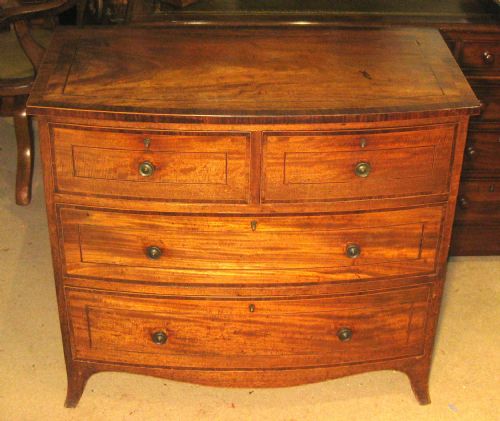
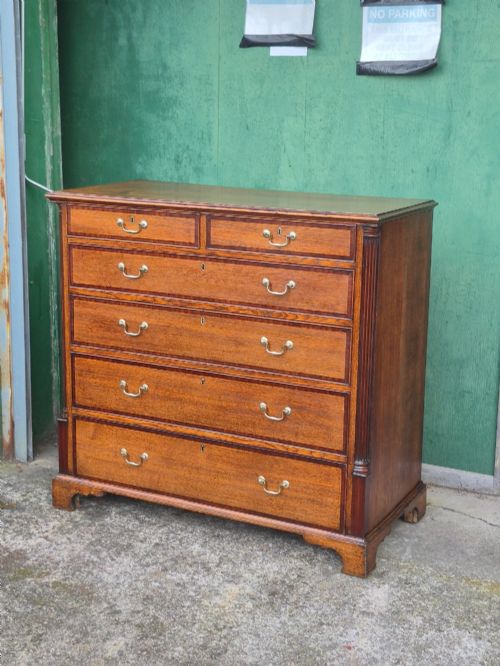
A georgian crossbanded chest appears primarily as a chest of drawers, alongside related forms such as mule chests, linen presses, and smaller commodes. These pieces emerge from the eighteenth century and the Regency period, carrying the substantial proportions characteristic of the era.
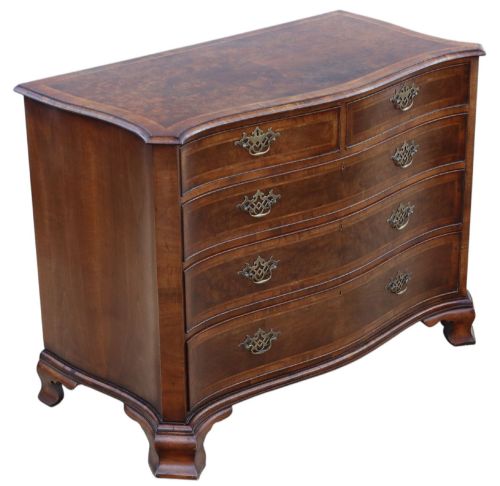
Makers construct these items in oak, mahogany, and walnut, often applying contrasting veneers to define the top and drawer edges. The selection spans straightforward provincial oak examples to sophisticated serpentine models in burr walnut and satinwood.
Materials and Technique
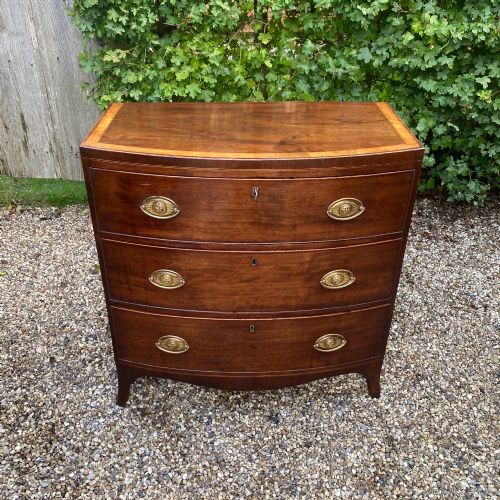
Cabinetmakers build carcases in sturdy timbers like oak or pine, then apply face veneers of mahogany, walnut, or satinwood. Crossbanding involves laying narrow strips of veneer across the grain to form a distinct border around the perimeter.
Brass handles and escutcheons secure the drawer fronts, while dovetail joints unite the drawer corners. Craftsmen select figured woods such as burr walnut or amboyna for visual movement on primary surfaces.
Mule chests earned their name as pack-mule trunks before furniture makers lifted them onto drawers.
Judging Quality
Quality rests upon the choice of timber and the precision of the crossbanding details. Grain matching across drawer fronts and the subtlety of the contrasting borders separate finer examples from simpler workshops.
Proportion and surface preservation dictate the distinction between pieces. Crisp drawer edges and undisturbed patination on the timber indicate superior craftsmanship.
The Georgian Crossbanded Chest Glossary
- Crossbanding
- A border veneer applied perpendicularly to the surrounding grain. This technique frames the top or drawer fronts with a contrasting stripe of timber.
- Bow front
- A convex, curved front elevation popular in later periods. It softens the rectilinear silhouette of the chest.
- Mule chest
- A storage chest fitted with one or two drawers at the base. It combines trunk storage with accessible drawer space.
- Caddy top
- A moulded table or chest top with stepped edges resembling a tea caddy lid. This profile adds dimension to the upper surface.
- Serpentine
- An undulating front line curving outward at the centre and inward at the sides. This shape demands advanced cabinetmaking skill.
Georgian Crossbanded Chest: Frequently Asked Questions
How do I date a crossbanded chest?
Dating relies on timber selection, handle hardware, and construction methods. Oak carcasses typically indicate earlier eighteenth-century origins, whereas mahogany and satinwood point toward the Regency era.
Secondary woods inside the drawers provide further clues. Hand-cut dovetails and original brasses help narrow the decade of manufacture.
Where should I place a chest at home?
These chests suit bedrooms, hallways, or living rooms where surface space and storage are both useful. Their finished backs and sides allow them to sit flush against walls.
Keep them away from direct heat sources and strong sunlight to protect the fragile veneer and crossbanding from drying out.
What is the difference between walnut and mahogany pieces?
Walnut pieces generally belong to the earlier eighteenth century, displaying rich brown tones and figured burr patterns. Mahogany examples became dominant later in the Georgian period, offering a denser and darker reddish-brown surface.
Crossbanding appears on both timbers, though satinwood borders are frequently paired with mahogany.
How do I care for antique veneer?
Maintain the timber by dusting with a dry, soft cloth and applying a traditional beeswax polish occasionally. Avoid modern liquid cleaners that can penetrate old finishes.
Maintain stable humidity levels in the room to prevent the veneer from lifting or cracking over time.