



Georgian Creamware
Georgian creamware comprises light earthenware pottery from the eighteenth and nineteenth centuries, offering collectors subtle tones and refined shapes.
Georgian Creamware
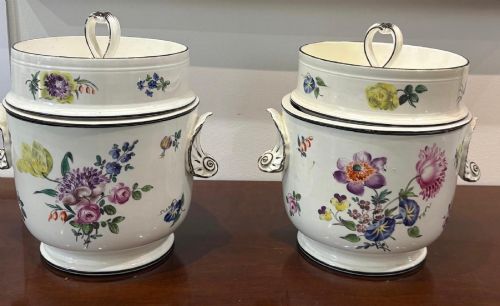
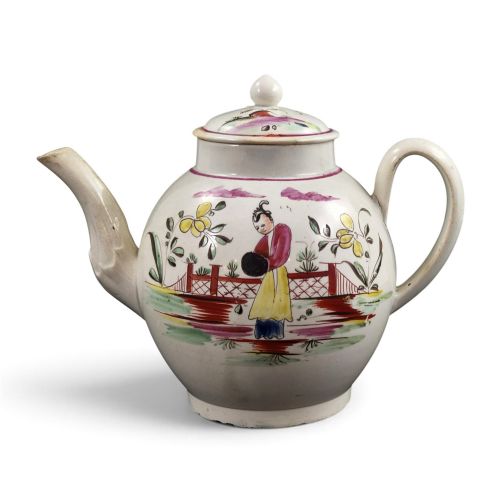
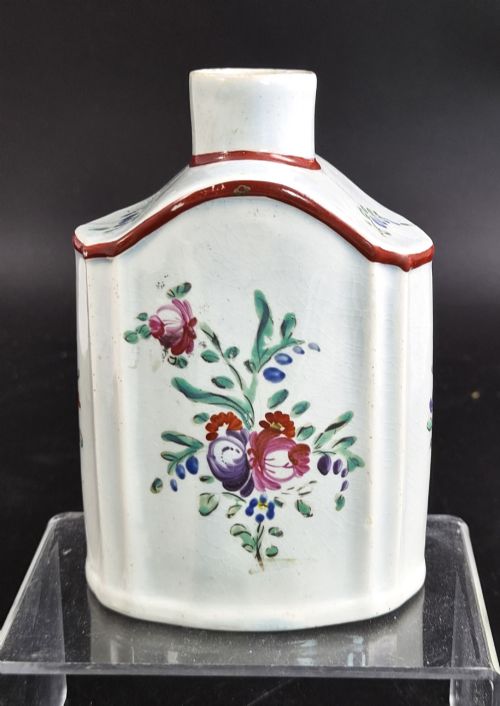
When someone searches for georgian creamware, they encounter earthenware vessels and tableware produced primarily during the eighteenth and early nineteenth centuries. These pieces span utility items and decorative items, reflecting the domestic habits of the period through forms such as jugs, plates, baskets, and tea canisters.
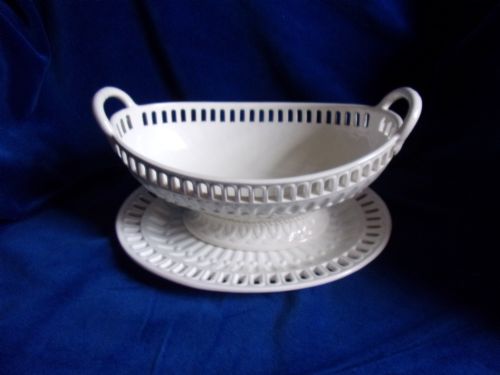
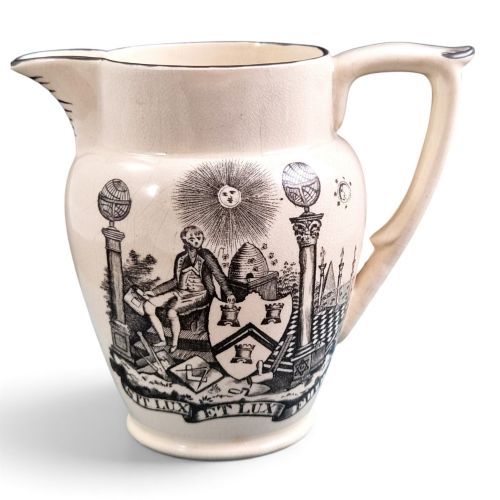
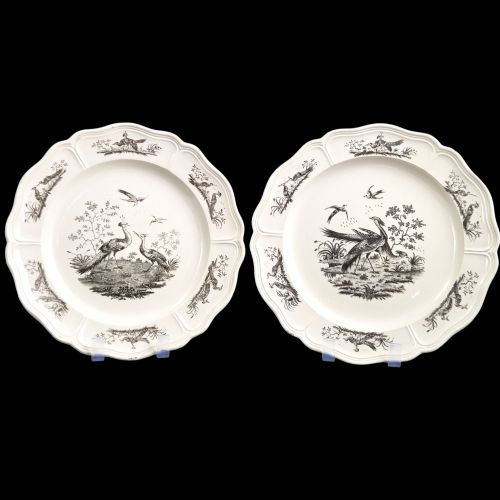
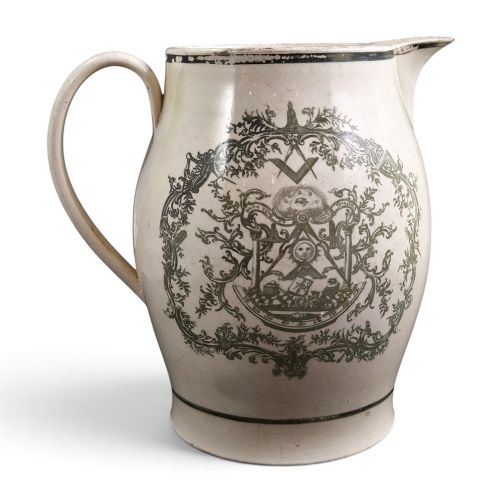
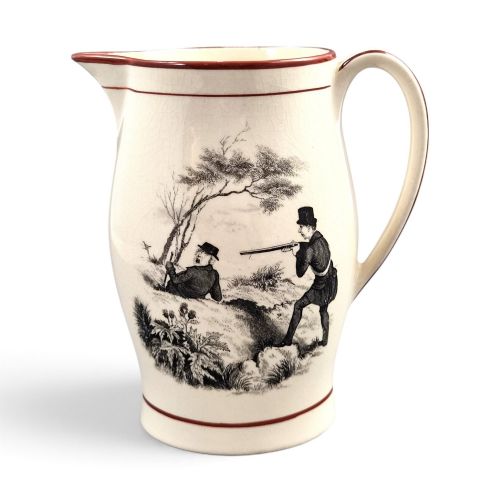
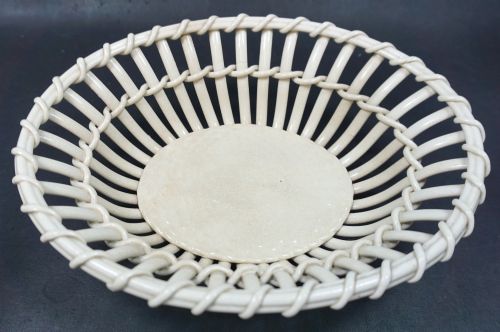
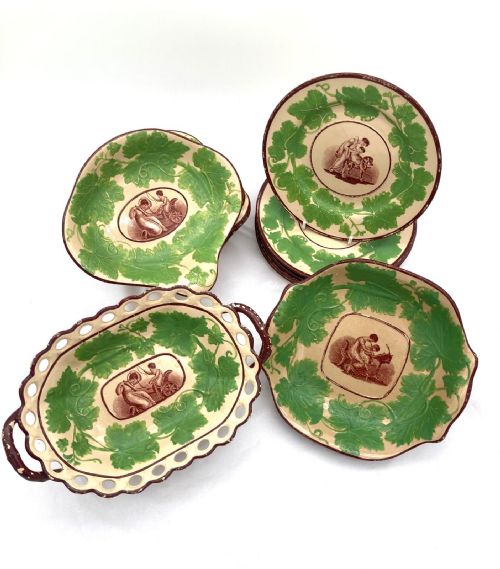
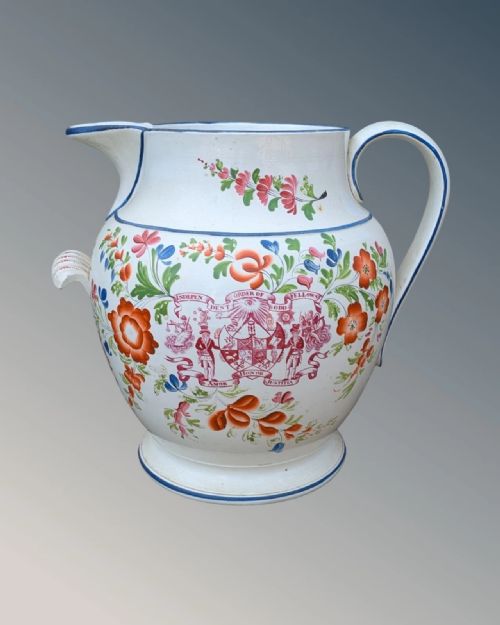
The objects on this page largely originate from major English production centres, including Leeds Pottery and Staffordshire potteries. Common surviving forms include Masonic jugs, dessert services, transfer-printed pitchers, and pierced baskets designed for fruit or chestnut service.
Most examples date across the Georgian and Regency eras, with variations stretching into the nineteenth century. Buyers encounter both plain cream-coloured glazed earthenware and heavily decorated pieces featuring transfer printing, hand-painted enamels, or cobalt pigment.
Materials and production
Potters shaped these objects using refined earthenware clay bodies, which were then coated in lead glaze to produce the characteristic smooth, warm surface. The resulting ceramic provided a lighter alternative to heavier salt-glazed stonewares and a cheaper canvas than porcelain.
Decoration relied on several distinct techniques including black and blue transfer printing, hand-painted floral enamels, and cobalt pigment underglaze. Pierced work on baskets and stands required precise cutting of the damp clay before firing.
Georgian Creamware Retail Price Guide 2026
Typical asking prices for georgian creamware among the pieces listed under this phrase on Sellingantiques today, from the lower quarter to the upper quarter. They describe what is for sale here now, not the wider market.
Object forms span jugs, dessert services, tea canisters, and pierced decorative baskets.
Judging the range
Quality in these ceramics often rests upon the crispness of the moulding and the delicacy of the pierced work on baskets and stands. Sharp relief details and cleanly executed openwork indicate superior craftsmanship from leading potteries.
The clarity of transfer printing and the skill applied in hand-painted enamel decoration also separate standard utility wares from exceptional display pieces. Well-preserved glaze surfaces with minimal pooling or discolouration elevate a piece within its type.
Wedgewood·Leeds Pottery·Staffordshire·Liverpool Herculaneum·Enoch Wood and Sons·Ralph Wood
The Georgian Creamware Glossary
- Creamware
- A refined earthenware developed in eighteenth-century England featuring a pale yellowish or cream-coloured lead glaze. It became the dominant tableware material before the widespread adoption of pearlware.
- Pearlware
- An earthenware body developed by Josiah Wedgwood that used a small amount of cobalt in the glaze to make the ceramic appear whiter and closer to Chinese porcelain. It frequently overlaps chronologically with creamware.
- Transfer printing
- A decoration method where a design is engraved on a copper plate, inked, and transferred to paper before being applied to the ceramic surface. This technique allowed intricate scenes and patterns to be replicated quickly.
- Lead glaze
- A glassy coating containing lead oxide applied to earthenware bodies to render them waterproof and give them a glossy finish. It creates the characteristic warm sheen found on Georgian ceramics.
- Basketwork
- Pierced or moulded ceramic vessels designed to imitate woven wicker baskets, commonly utilised for serving fruit or chestnuts at the dining table.
Georgian Creamware: Frequently Asked Questions
What is creamware made from?
Creamware is produced from refined earthenware clay bodies covered with a transparent lead glaze. This combination gives the ceramic its characteristic warm, pale yellow hue.
The material allowed potters to create lighter and thinner vessels than earlier heavy stonewares while remaining practical for everyday domestic use.
How do I clean creamware?
These antique ceramics require gentle hand washing in warm water with mild soap. Avoid harsh scrubbers, harsh chemicals, and modern dishwashers.
Old earthenware can absorb moisture through microscopic crazing in the glaze, so thorough drying after washing helps preserve the material.
How do I date creamware?
Dating relies on examining the specific shade of the glaze, the potting style, and any applied transfer prints or maker marks. Earlier pieces often exhibit a deeper buttery yellow tone.
Stylistic shifts toward whiter glazes and pearlware bodies typically indicate production closer to the nineteenth century, alongside specific historical motifs like Masonic emblems.
Were these pieces used daily?
Many of these vessels served practical functions in Georgian households for dining, tea service, and food preparation. Jugs, plates, and tea canisters formed standard parts of kitchen and dining room inventories.
Surviving examples range from utilitarian tavern mugs to decorative dessert services reserved for formal dining occasions.