
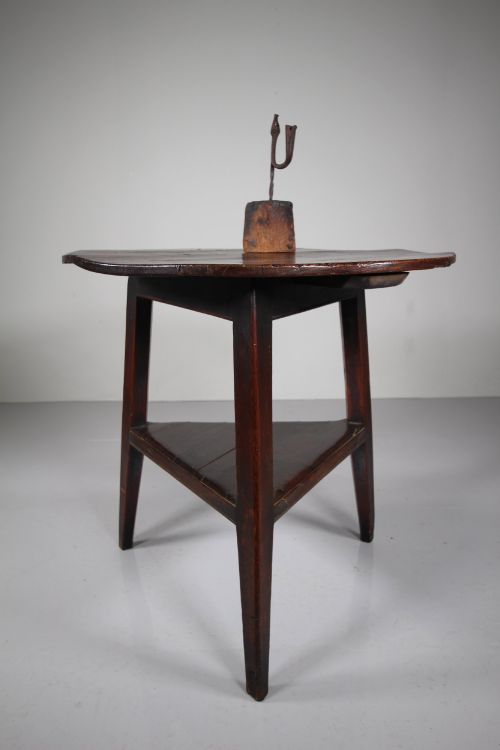
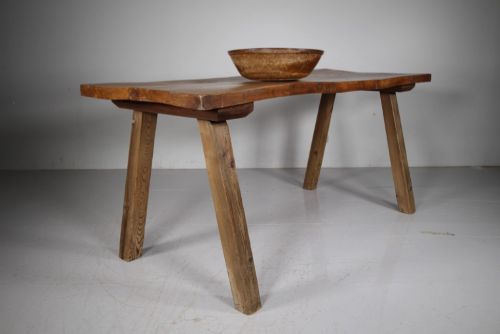
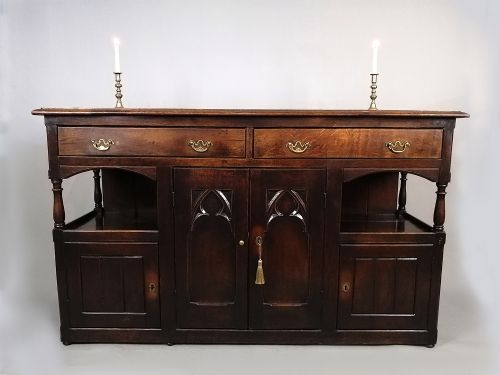
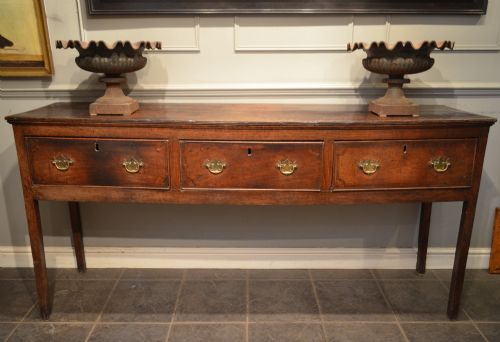
Georgian Country Wooden Table
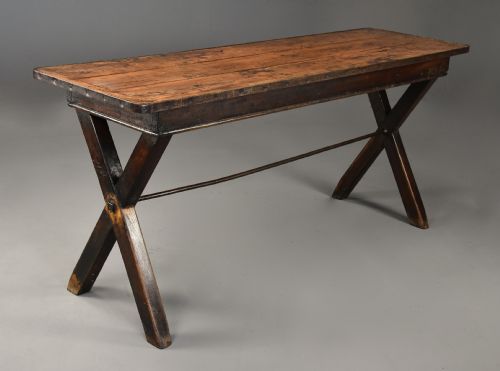
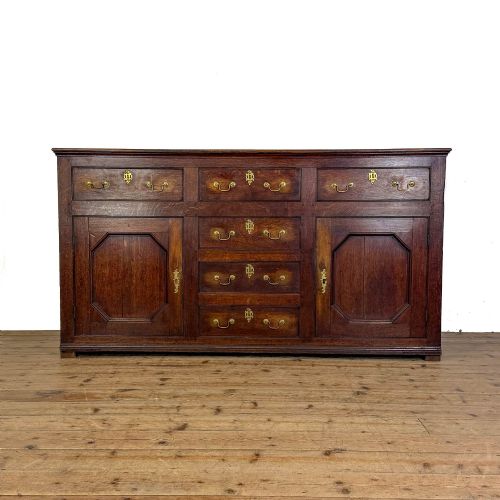
A georgian country wooden table brings honest heft and grain into a room, forged by provincial makers for daily utility.
Georgian Country Wooden Table
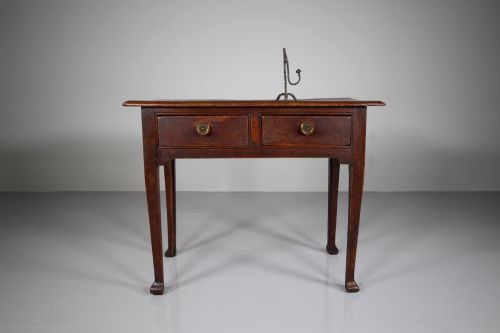
A georgian country wooden table encompasses sturdy dining boards, low side tables, and practical serving surfaces shaped by provincial makers during the eighteenth and nineteenth centuries. These pieces were built for rigorous domestic or tavern life rather than grand formal parlours, relying on straightforward proportions and robust local timbers.
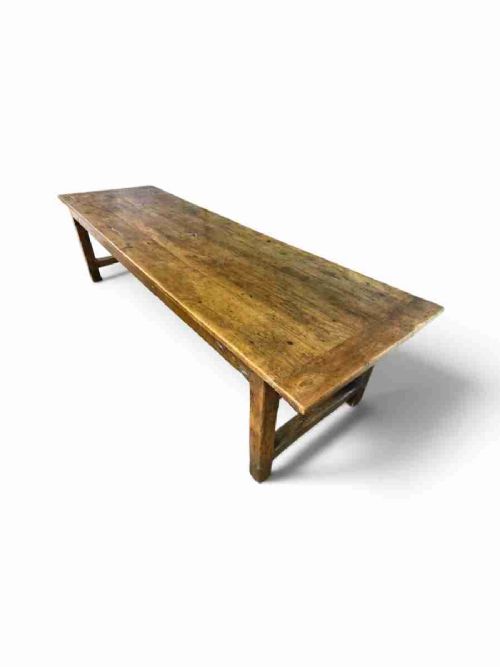
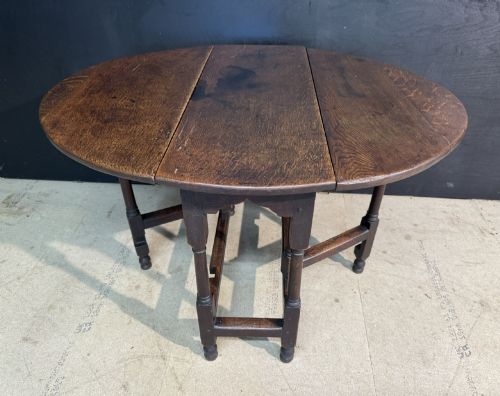
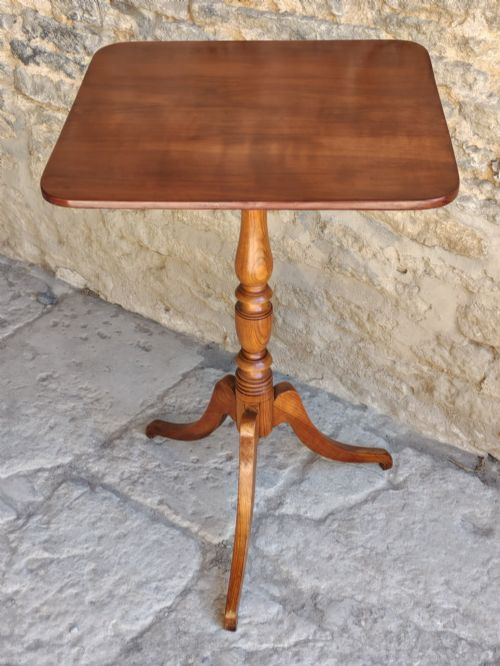
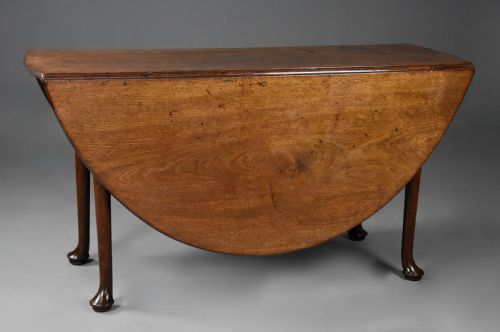
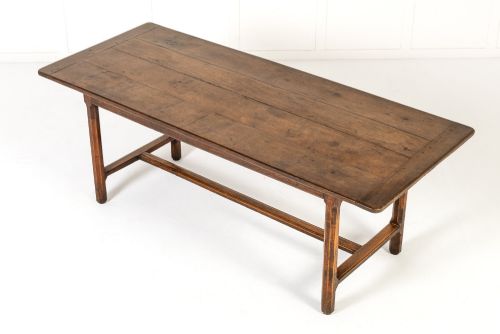
The version most commonly encountered on this page is the oak farmhouse dining table or side table, often displaying pegged joints and thick plank tops. Alongside these, buyers find walnut drop-leaf tables, fruitwood wine tables, and elm or ash cricket tables resting on three splayed legs.
Makers constructed these utilitarian surfaces in regional workshops across England, Scotland, and Wales, utilising timbers immediately available to hand. The aesthetic prioritises practical longevity over ornament, resulting in honest work surfaces that carry the marks of centuries of use.
How they were made
Provincial joiners built these tables from native hardwoods and softwoods, predominantly oak, elm, fruitwood, walnut, and pine, often combining multiple timbers within a single piece. Table tops were fashioned from thick timber planks secured with wooden pegs or dowels rather than modern adhesives.
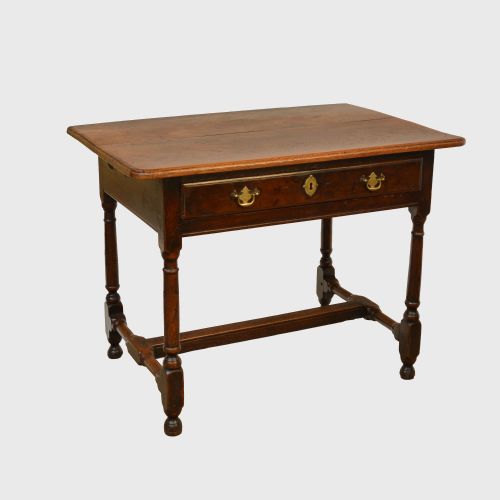
Frames relied on traditional joinery such as mortise and tenon joints to withstand heavy domestic employment. Turning lathes shaped legs for gateleg and cricket tables, while trestles and simple pegged stretchers provided structural stability for large dining and farmhouse boards.
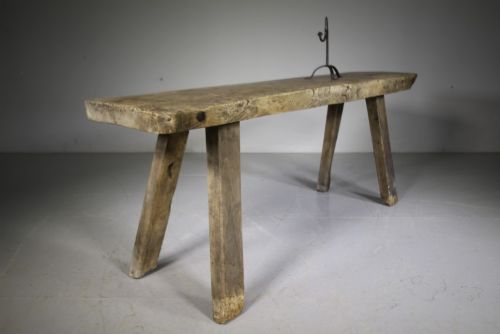
Several low pig benches wait here, once built for sitting while tending livestock, now repurposed as characterful coffee tables.
What varies in quality
Quality in these domestic pieces rests upon the integrity of the timber selection and the retention of original surface patination. Tables hewn from thick, unsplit planks with honest wear show a depth of colour that inferior or heavily restored surfaces lack.
Structural honesty distinguishes superior examples, where original stretchers, pegging, and unthinned tops remain intact. Pieces that retain their genuine vernacular character without over-zealous modern scraping or inappropriate timber replacement hold greater integrity for collectors.
The Georgian Country Wooden Table Glossary
- Cricket table
- A small, lightweight three-legged occasional table originating in domestic settings, traditionally stable on uneven flagstone floors. The three splayed legs ensure the table remains firm without rocking.
- Patina
- The deep surface sheen and mellow colour developed over decades through sunlight, wax, and handling. This gradual transformation distinguishes genuine age from later finishing.
- Joint stool
- A sturdy wooden seat built with pegged mortise and tenon joints rather than turned legs glued together. These were utilised for sitting or as auxiliary surface space.
- Potboard
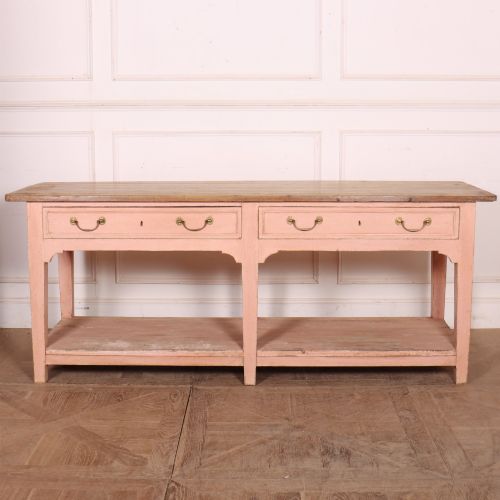
- A lower shelf fitted beneath a dresser base or serving table, historically utilised for storing pots, pans, and heavy kitchen utensils. It provides essential horizontal bracing between the legs.
- Plank top
- A solid wooden surface constructed from several wide boards joined edge to edge. These boards often display natural timber movement and pronounced grain patterns.
Georgian Country Wooden Table: Frequently Asked Questions
How do I care for an old wooden table?
Feed the timber periodically with a traditional beeswax polish to nourish the grain and protect the surface from moisture. Avoid placing the table near direct heat sources or in fluctuating humidity to prevent the planks from splitting.
Clean spills promptly with a dry or barely damp cloth, steering clear of harsh chemical sprays that strip the aged surface. Gentle handling allows the natural patina to continue developing over time.
Were these tables used in kitchens?
Many of these pieces served as heavy-duty work surfaces for food preparation, dairy work, and everyday dining in farmhouses and provincial homes. Their robust construction handled the daily demands of rural domestic life.
Surviving examples often carry the subtle knife marks, stains, and scuffs of this utilitarian history. This active past forms an integral part of their character and appeal.
How can I tell a genuine period table?
Examine the underside and joints for hand-cut pegging, tool marks, and timber shrinkage that align with eighteenth or nineteenth-century methods. Genuine vernacular furniture displays subtle irregularities in hand-planed surfaces and framing.
Compare the timber colour and wear patterns across the entire piece to ensure consistency. Original structural fixings and unpretentious repairs often confirm genuine age.
Can I use a farmhouse table for dining daily?
These sturdy boards were engineered specifically for heavy family use, making them well-suited for everyday dining today. Their durable timber tops handle daily meals comfortably while accommodating modern chairs.
Using coasters and placemats helps protect the historic surface from excessive heat and moisture rings. Regular use simply adds another chapter to the piece's long history.