
Georgian Country Side Chairs
Georgian country side chairs offer honest regional craftsmanship, bringing sturdy timbers and straightforward domestic utility straight into modern dining rooms.
Georgian Country Side Chairs
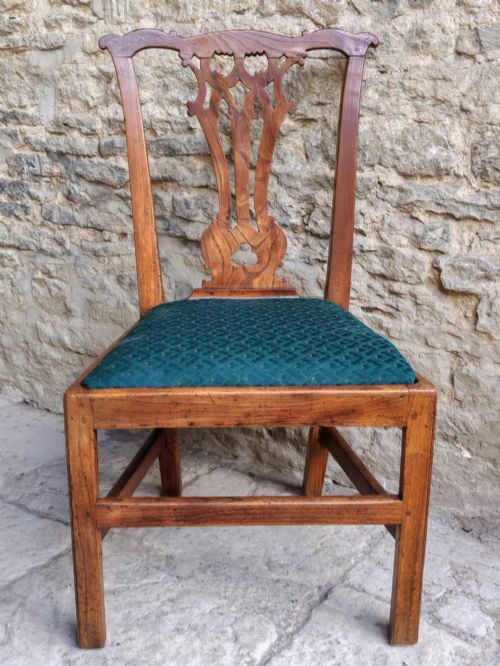
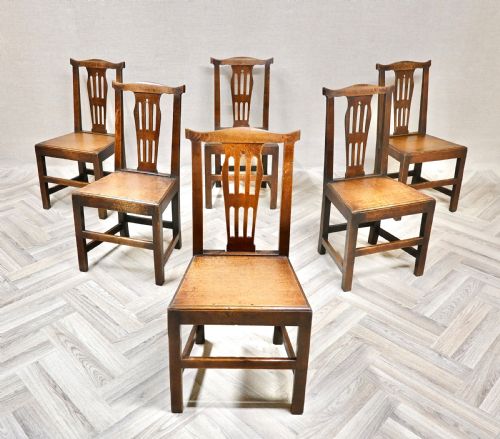
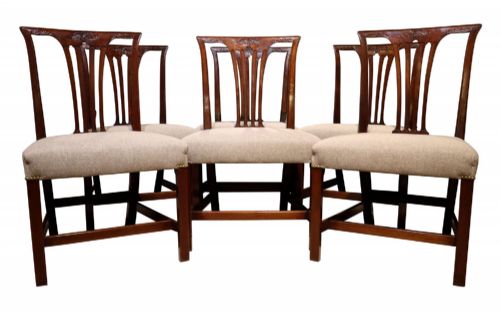
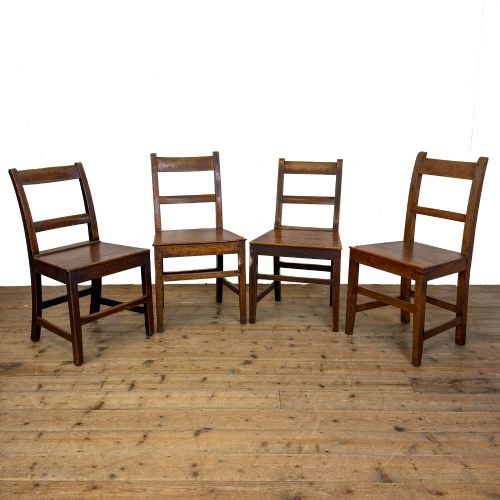
When someone searches for georgian country side chairs, they encounter utilitarian seating fashioned for provincial homes, farmhouses, and modest dining spaces during the eighteenth and early nineteenth centuries. These forms discard urban polish in favour of robust construction intended for daily domestic life.
Makers often relied on regional traditions rather than metropolitan pattern books, resulting in distinct local characteristics that identify where a seat originated. From Lancashire to Wales and Scotland, these variations give each group an individual character.
How they were made
Makers utilised native timbers such as elm, oak, ash, and fruitwood, selecting woods that grew locally and resisted splitting under heavy use. Elm provided tough seats that tolerated shifting weight, while ash supplied flexible strength for bent components and spindle backs.
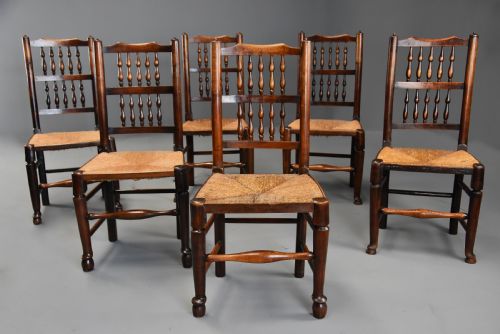
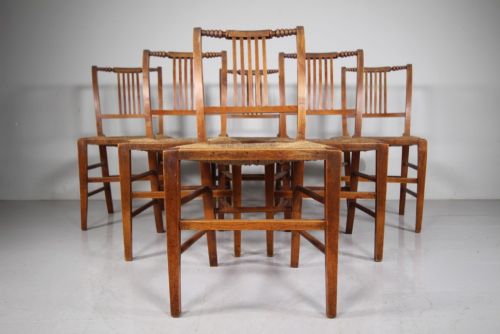
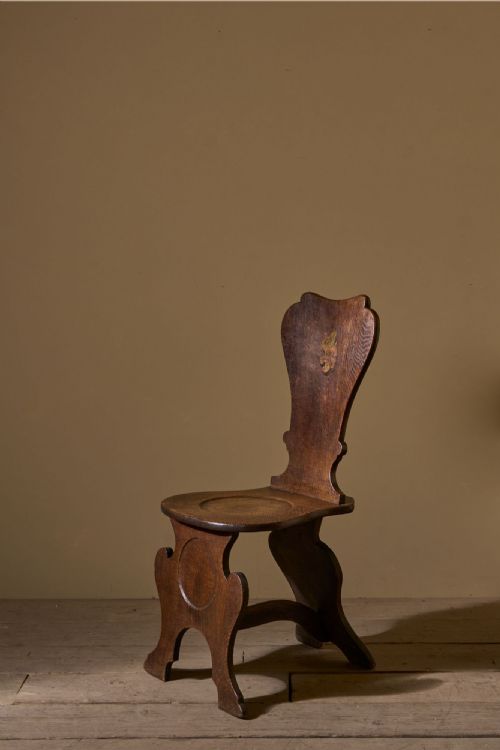
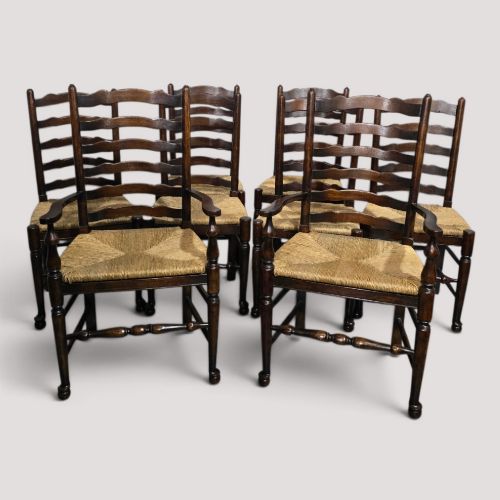
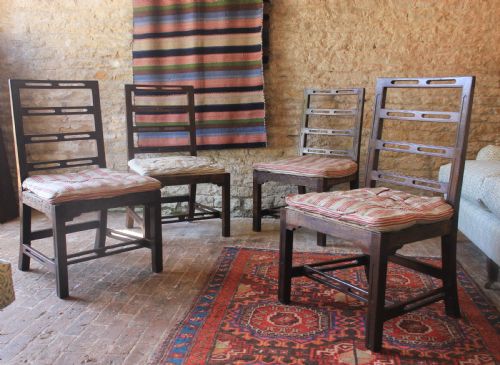
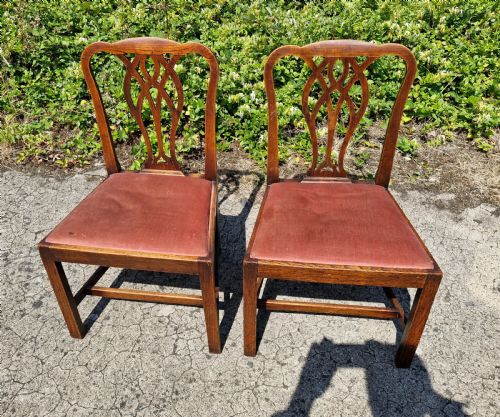
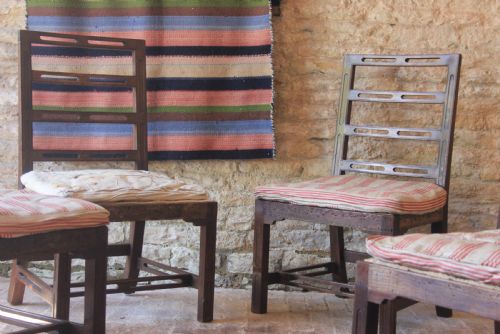
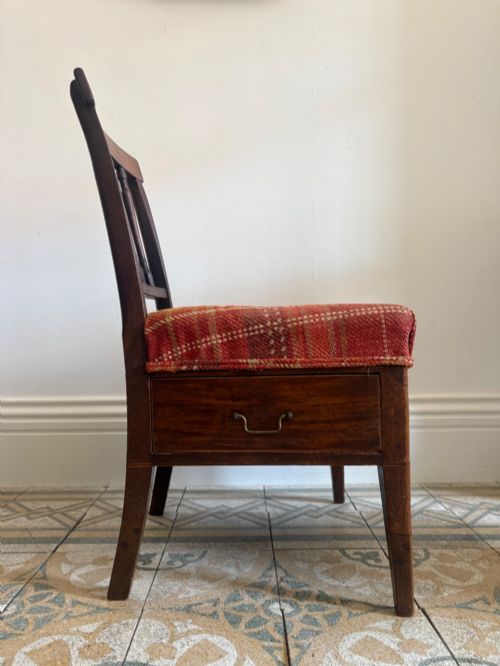
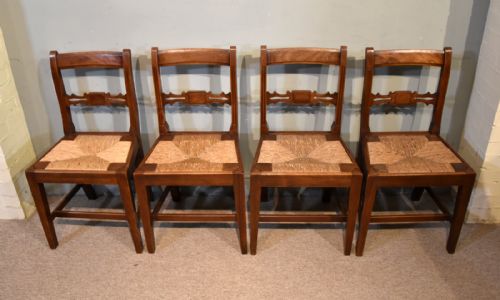
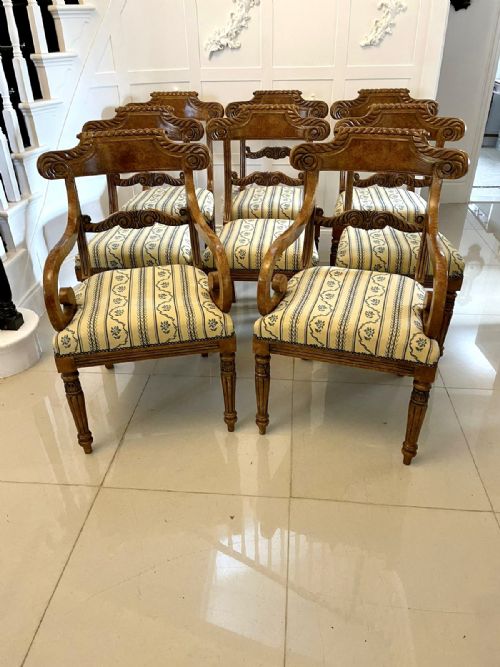
Construction techniques combined traditional joinery with turned elements, utilising rush for woven seating platforms alongside solid wood panels and upholstered drop-in pads. Surfaces often retained plain timber finishes or historical paint layers accumulated through generations of use.
Regional variations span English, Welsh, and Irish workshops, showing diverse vernacular responses to standard domestic forms.
What varies in quality
Quality rests upon the integrity of the timber selection and the retention of original structural members through centuries of domestic service. Chairs that maintain their initial joints without excessive peg replacement display superior initial craftsmanship and careful ownership.
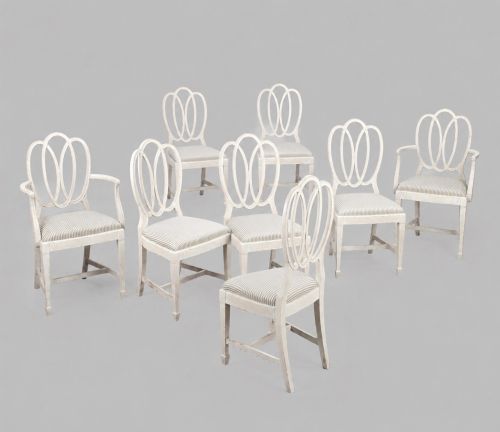
The depth of surface patina and the honesty of the timber grain separate standard examples from finer survivals. Uniformity across matched sets also dictates distinction, as assembling identical provincial seats requires careful pairing of height, timber tone, and turning details.
The Georgian Country Side Chairs Glossary
- Ladder back
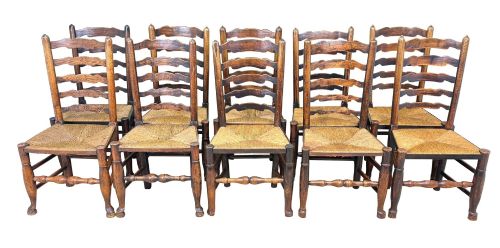
- A chair back featuring multiple horizontal arched slats between the upright posts. This design appears frequently in provincial dining and kitchen seating.
- Spindle back
- A light framework composed of numerous vertical turned wooden rods supporting the upper rail. Makers favoured this construction for its combination of strength and lightness.
- Rush seat
- A seating surface woven from dried marsh grasses twisted into cords. Such seats provide a resilient base that flexes slightly under weight.
- Vernacular
- Objects designed by regional makers following local customs rather than academic architectural styles. These pieces reflect the specific material resources available in a given district.
Georgian Country Side Chairs: Frequently Asked Questions
What defines georgian country side chairs?
These pieces represent provincial domestic seating produced outside major metropolitan centres during the eighteenth and nineteenth centuries. They prioritise sturdy utility and local timber selection over ornate carving.
Craftsmen built them for everyday use in kitchens, farmhouses, and country dining rooms using native woods like elm and oak.
Were these chairs used only for dining?
While frequently employed around dining tables, provincial seats also served in halls, bedrooms, and parlours. Their sturdy construction suited multiple domestic tasks across different rooms.
Many examples feature solid wood seats or simple rush pads designed to withstand constant relocation around the home.
How do I maintain rush seats?
Rush seating requires stable indoor humidity levels to prevent the dried grass fibres from becoming brittle and cracking. Avoiding direct sunlight and damp conditions preserves the natural flexibility of the woven material.
Cleaning should involve only gentle dusting with a soft brush rather than liquid cleaners that might rot the organic cords.
Are matched sets original?
Many larger groupings survive as harlequin sets assembled later from individual chairs sharing similar periods and timber types. Finding a large group of identical provincial chairs from a single workshop remains uncommon.
Slight variations in turning details or timber shade often indicate where individual chairs were paired together after their initial manufacture.