




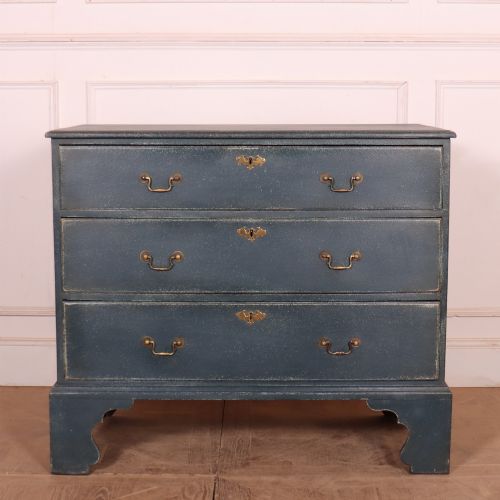
Georgian Country Painting
Georgian country painting captures the unpretentious character of domestic and rural life through oils, gouache, and painted pine surfaces.
Georgian Country Painting
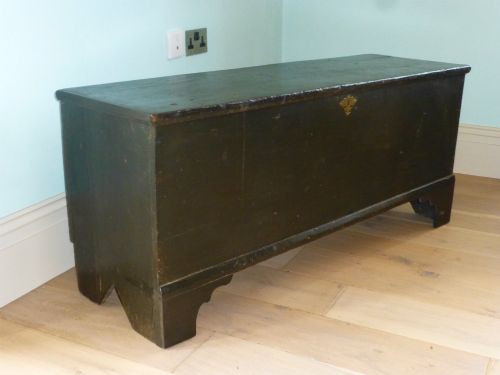
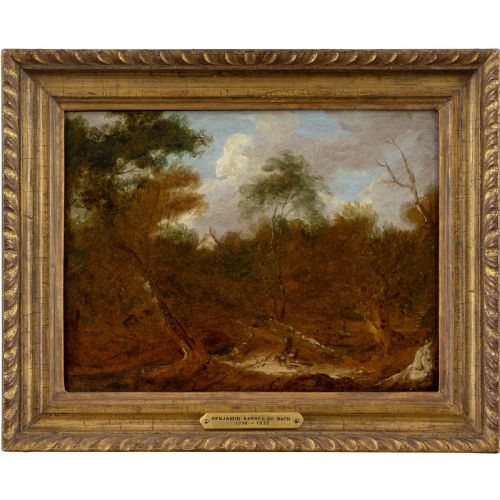
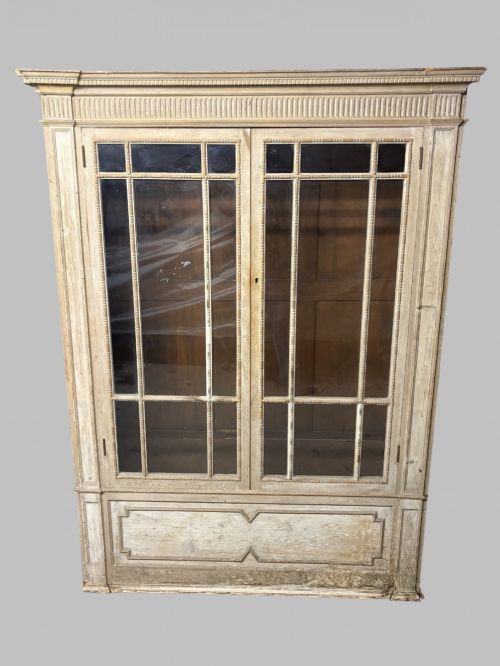
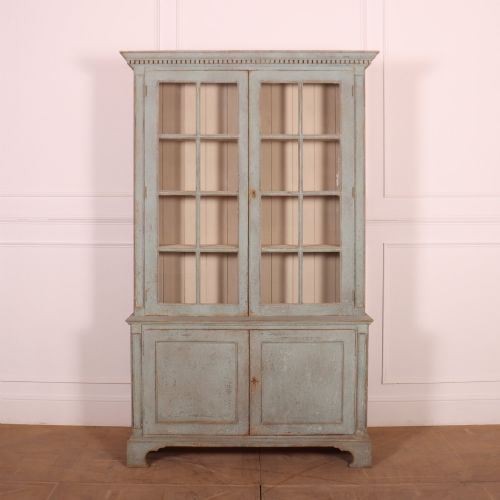
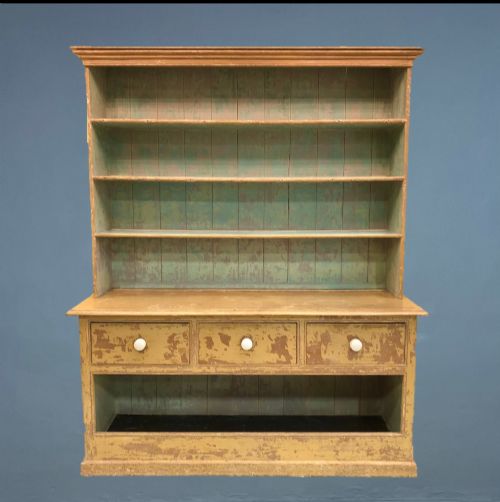
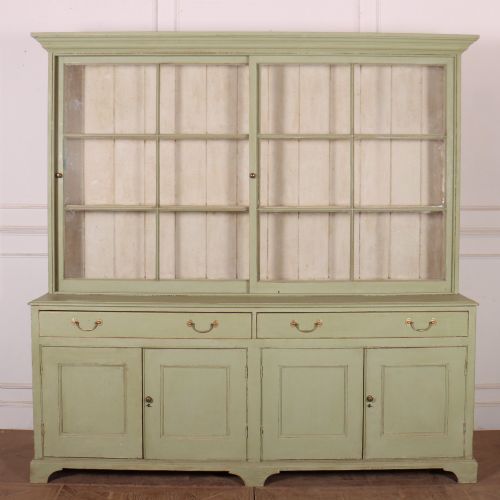
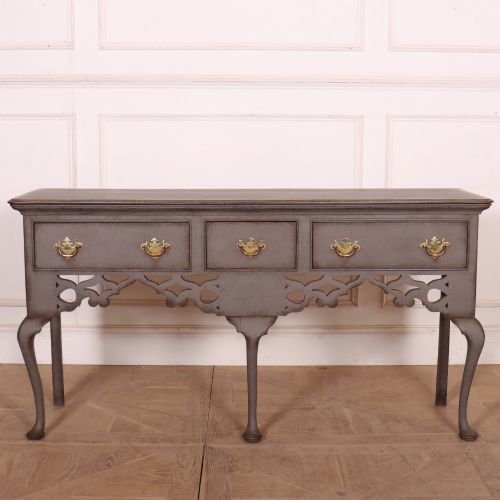
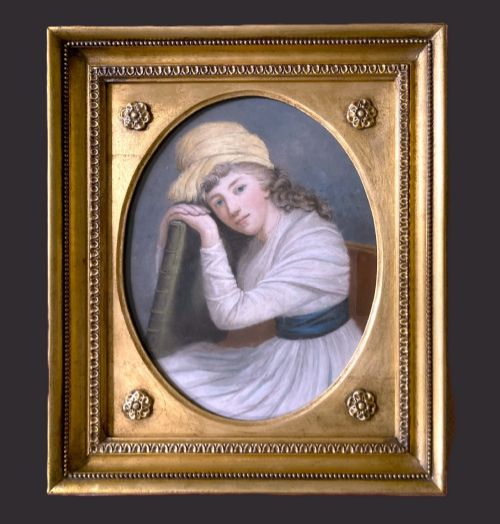
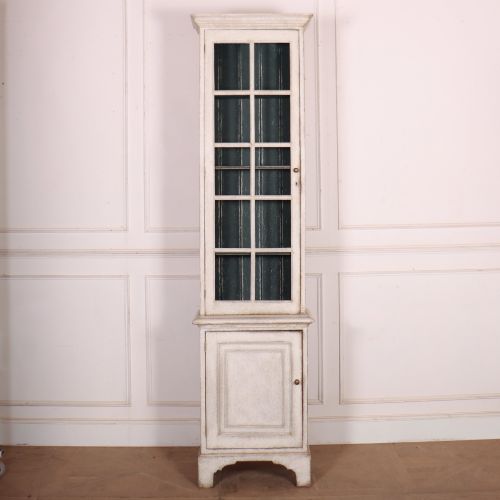
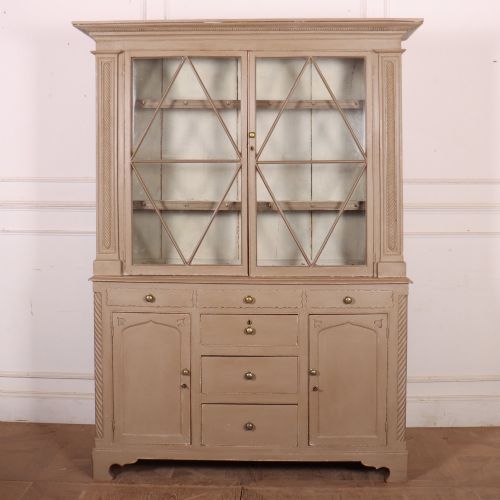
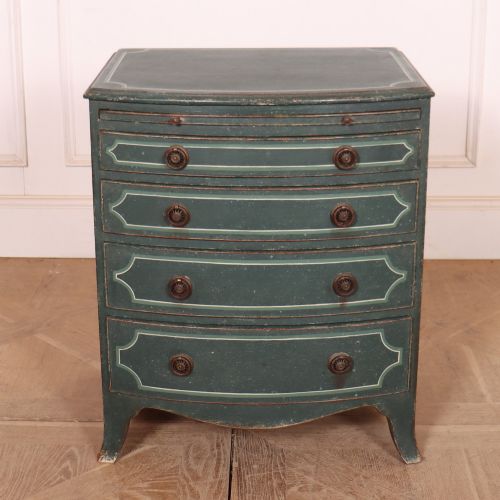
A georgian country painting brings domestic portraits, sporting scenes, and farmyard views from the eighteenth and nineteenth centuries into daily spaces. You meet these works alongside painted pine furniture, from corner cupboards to dresser bases, bearing the marks of provincial workshops.
The objects span oils on canvas, framed folk art collages, and vernacular portraits originating from English, Irish, and Scottish country houses. Portraiture and rustic animal scenes dominate the selection, often retained in original painted finishes.
Surviving examples bridge polite Georgian aesthetics and the heavier utility of regional farmhouse interiors. They offer a direct window into rural British society without the polish of metropolitan salons.
How they were made
Makers applied oil paint to canvas or gouache to paper, utilising stretcher frames and simple wooden mounts built by local hands. Regional furniture received layers of lead-based or oil paints directly onto native pine, oak, and other domestic timbers.
Iron hardware, brass fixtures, and glass glazing protected the surfaces of cupboards and display pieces while structural joinery relied on pegged mortise and tenon methods. The application of pigment was straightforward, prioritising durable decoration over academic fineness.
Georgian Country Painting Retail Price Guide 2026
Typical asking prices for georgian country painting among the pieces listed under this phrase on Sellingantiques today, from the lower quarter to the upper quarter. They describe what is for sale here now, not the wider market.
Several portraits preserve the stern gaze of country gamekeepers who likely spent more time eyeing poachers than posing for painters.
What varies in quality
The distinction between tiers rests upon the confidence of the brushwork and the survival of untouched primary surfaces. Paintings with assured anatomical proportions and expressive character command greater attention than rigid provincial copies.
Furniture quality depends upon the integrity of the original paint layer rather than subsequent overpainting or later stripping. Pieces retaining authentic regional colouration and minimal structural alteration hold distinct archaeological weight.
Robert Byng·Edmund Bristow·Colefax and Fowler
The Georgian Country Painting Glossary
- Gouache
- An opaque water-based medium producing flat, saturated areas of colour. It appears frequently in detailed folk art works on paper.
- Potboard dresser base
- A kitchen or dining sideboard featuring an open lower shelf for storing crockery. These items form a cornerstone of provincial vernacular furniture.
- Mule chest
- A blanket chest fitted with one or more drawers beneath the main storage well. They combine the functions of a coffer and a chest of drawers.
- Provincial
- Describing items made outside major metropolitan centres by local tradesmen. The style often adapts fashionable urban trends to regional materials.
- Refectory
- A long dining table designed for communal eating spaces. West Country examples in pine are typical of rural dining arrangements.
Georgian Country Painting: Frequently Asked Questions
What subjects do these paintings feature?
The canvases and works on paper typically depict rural portraits, sporting horses, gamekeepers, and farmyard scenes. They record everyday characters and domestic animals tied to country estates.
Subjects also include historical royal processions and local landscapes rooted in British topography. Each piece reflects the immediate environment of the provincial household or painter.
How should I clean a painted pine surface?
Dusting gently with a dry, soft cloth remains the safest method for preserving fragile historical paint layers. Avoid commercial cleaning agents, water, or solvents that lift original pigments.
Consult a professional conservator if deeper cleaning is required to address accumulated grime. Preserving the integrity of the underlying wood and paint takes precedence over achieving a spotless finish.
Are these frames original to the artwork?
Many frames are contemporary to the painting, though framing practices shifted across the eighteenth and nineteenth centuries. Giltwood and simple painted wooden mouldings frequently accompany the canvas.
Matching frames provide structural stability and historical context for the artwork within. Minor losses to gilded or painted surfaces are common among surviving pieces.
Where were these pieces originally used?
They populated country houses, rectories, farmhouses, and estate cottages across England, Ireland, and Scotland. Dining rooms, hallways, and functional kitchens housed both the paintings and the associated furniture.
These items served practical daily functions while displaying local artistic output. Their robust construction suited the demands of active rural environments.