



Georgian Collectibles
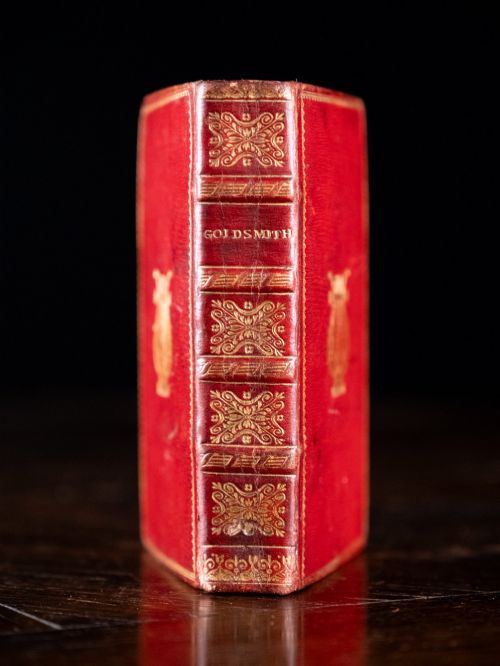
Georgian collectibles gather small domestic items, silver, porcelain and treen from the eighteenth and early nineteenth centuries.
Georgian Collectibles
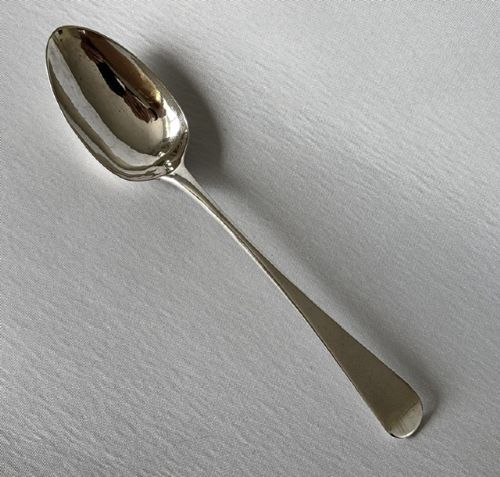
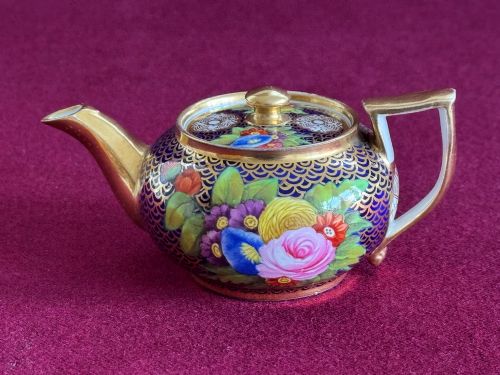
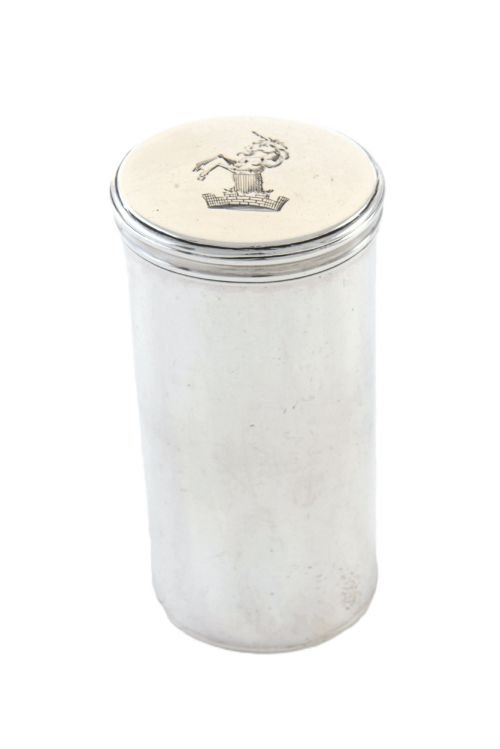
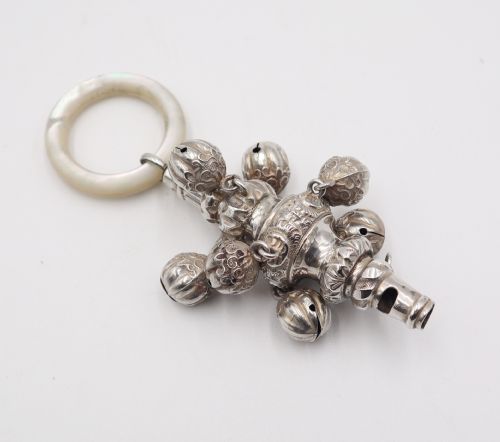
Georgian collectibles encompass a broad range of small domestic objects, silver items, porcelain pieces and treen spanning the eighteenth and nineteenth centuries. These items reflect the daily practicalities and decorative tastes of the period, taking forms such as snuff boxes, tea caddies, cutlery, pocket watches and ceramics.
Most items on this page lean towards portable personal effects and small treen or porcelain objects. Snuff boxes, caddy spoons and ceramic cups sit alongside metalware, firearms and decorative boxes.
Originating predominantly from British workshops alongside continental pieces, these objects connect directly to the material culture of the Georgian era.
How They Were Made
Materials span sterling silver, enamel, brass, porcelain and various woods including walnut, fruitwood and burr wood. Makers shaped these substances using traditional hand methods, casting metal, throwing porcelain and carving timber with precision.
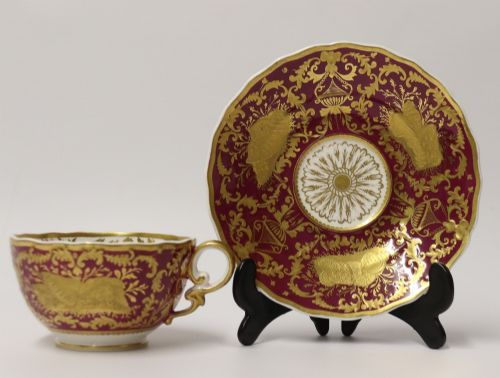
Surface decoration relies on hand painting, engine turning, gilding and detailed marquetry such as Tunbridge ware. Metal components involve smithing, forging and engraving, while ceramic pieces receive underglaze or overglaze polychrome enamels.
Georgian Collectibles Retail Price Guide 2026
Typical asking prices for georgian collectibles among the pieces listed under this phrase on Sellingantiques today, from the lower quarter to the upper quarter. They describe what is for sale here now, not the wider market.
Listings feature items from the eighteenth and nineteenth centuries, spanning silver, porcelain, brass, enamel, steel and wood.
What Varies in Quality
Quality rests upon the crispness of hand carving in treen or the sharpness of cast detail in silver and brass. Pieces displaying finer hand painting on porcelain or more intricate geometric inlay in Tunbridge ware sit higher in the range.
State of preservation and original surface patination distinguish finer examples from heavily restored or worn alternatives. Intact mechanisms on firearms, watches and boxes retain more of their original character.
H & R Daniel·Peter & Jonathan Bateman·Dee & Fargus·Yates Leeds
The Georgian Collectibles Glossary
- Treen
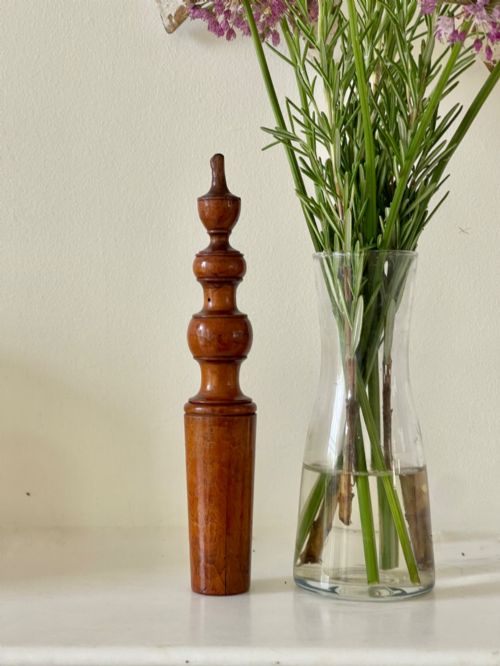
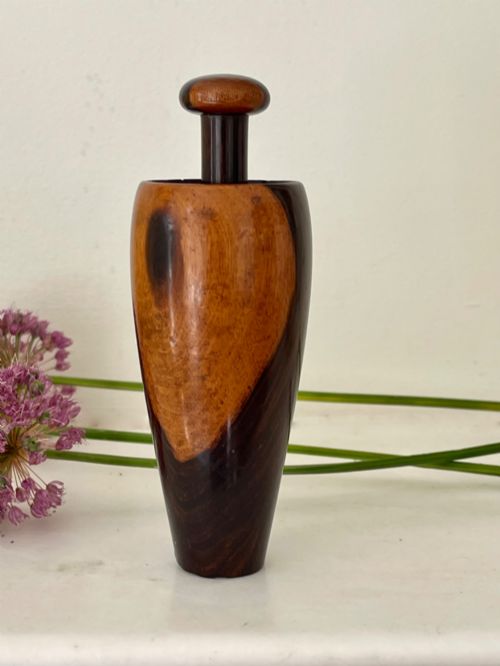
- Small domestic wooden objects made by turning or carving. Items such as nutmeg graters, lidded cups and snuff mortars demonstrate this craft.
- Vinaigrette
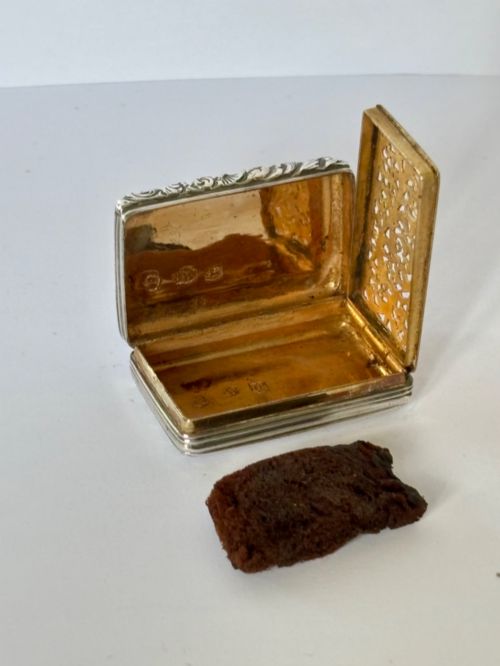
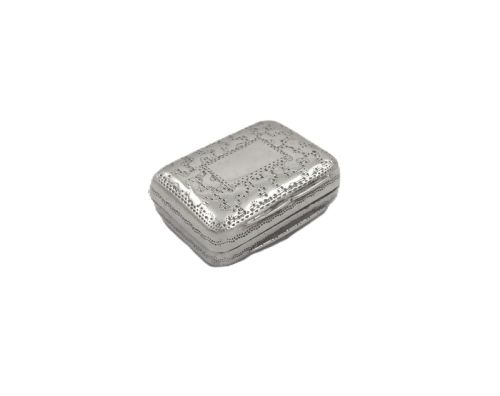
- A small metal box containing a perforated grill, used to hold a sponge soaked in aromatic vinegar. These sterling silver items date frequently to the early nineteenth century.
- Caddy spoon
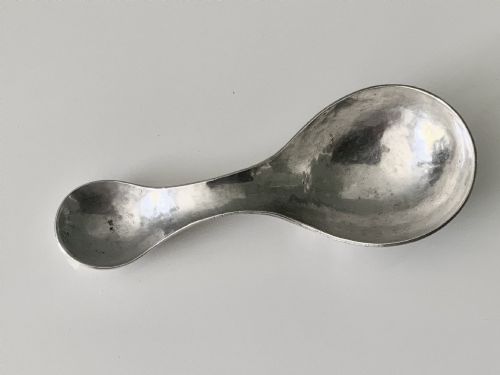
- A short spoon designed for measuring tea leaves from a caddy. They appear often in silver with shovel or shell bowls.
- Bilston enamel
- Painted enamel work produced in the Midlands during the eighteenth century. These small boxes and patch boxes feature colourful designs on copper.
- Pearlware
- A fine earthenware developed by Josiah Wedgwood in the late eighteenth century. It possesses a slightly bluish glaze that makes the white body appear whiter.
Georgian Collectibles: Frequently Asked Questions
What counts as a Georgian collectible?
Georgian collectibles include small portable objects made during the reigns of the Hanoverian kings and the subsequent Regency period. The category covers personal accessories, silver tablewares, porcelain tea sets and wooden treen items.
These pieces served functional roles in daily life, ranging from snuff taking to tea preparation and timekeeping, and survive today as decorative antiques.
How do I identify porcelain from this era?
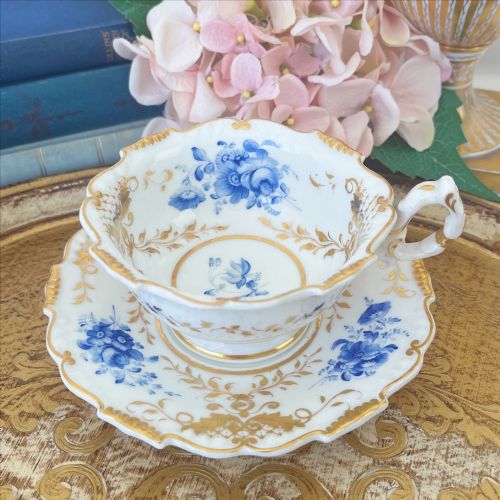
Porcelain from this period often exhibits hand-painted floral or landscape scenes, specific factory glaze characteristics and identifiable enamel patterns. Marks on the base can occasionally link pieces to kilns such as Derby, Spode or Rockingham.
The weight, translucency and texture of the body paste further help differentiate these early ceramics from later mass-produced wares.
What is Tunbridge ware?
Tunbridge ware is a form of decorative woodworking characterised by mosaic patterns made from tiny wooden blocks. Craftsmen arranged natural coloured timbers to create pictorial designs on boxes, tea caddies and small household items.
This intricate technique reached its height in nineteenth-century Kent, producing distinctively detailed souvenir items.
How were pocket watches made then?
Pocket watches from the Georgian period relied entirely on hand-assembled mechanical movements fitted inside metal cases. Watchmakers in centres like London produced verge escapement movements requiring careful manual adjustment.
Enamel dials and engraved inner dust covers demonstrate the collaborative skills of specialist craftsmen working within the trade.