

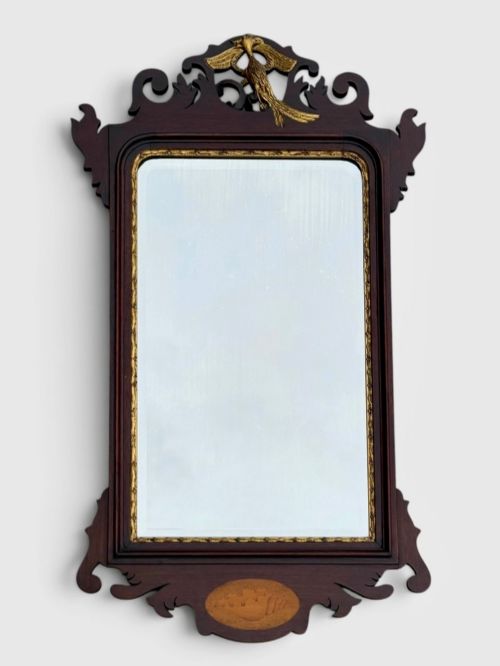
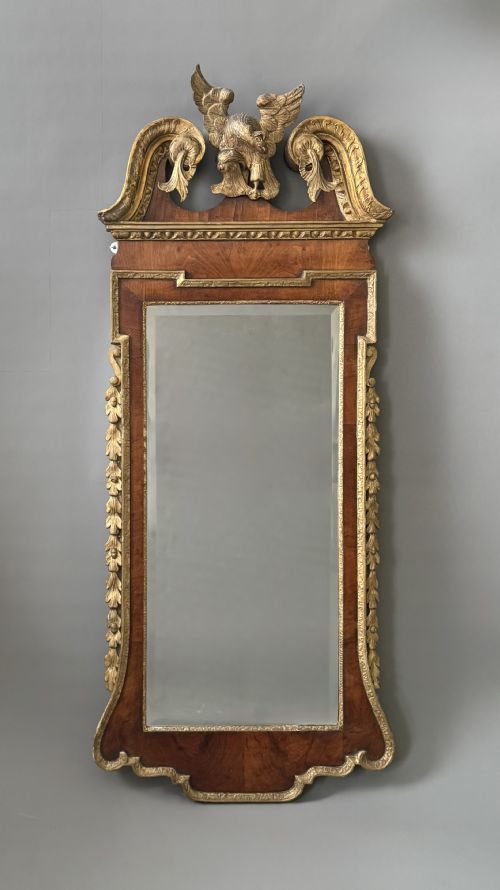
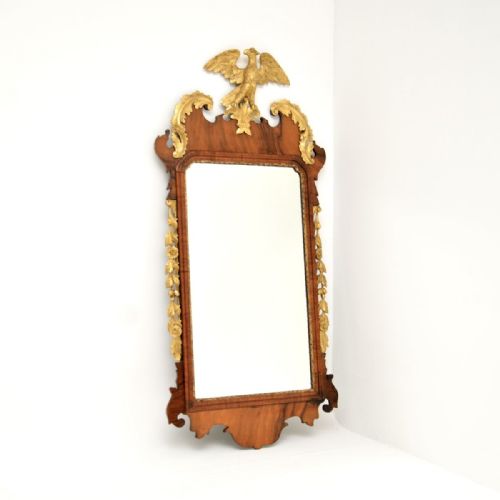
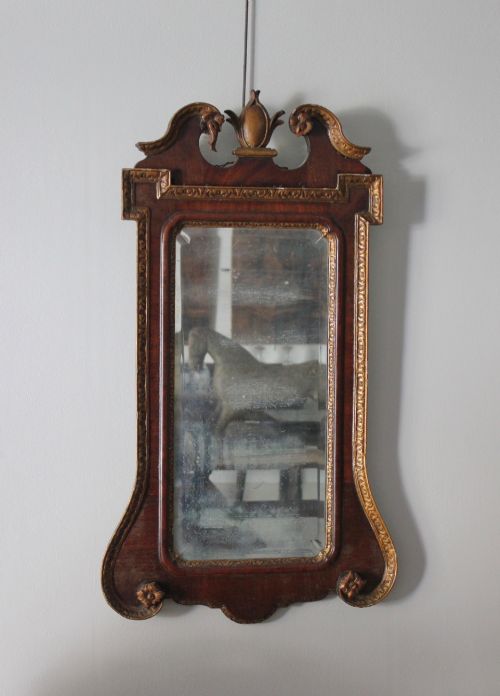
Georgian Chippendale Mirror
A georgian chippendale mirror brings the spirited carving of the eighteenth century into a room, offering both depth and light.
Georgian Chippendale Mirror
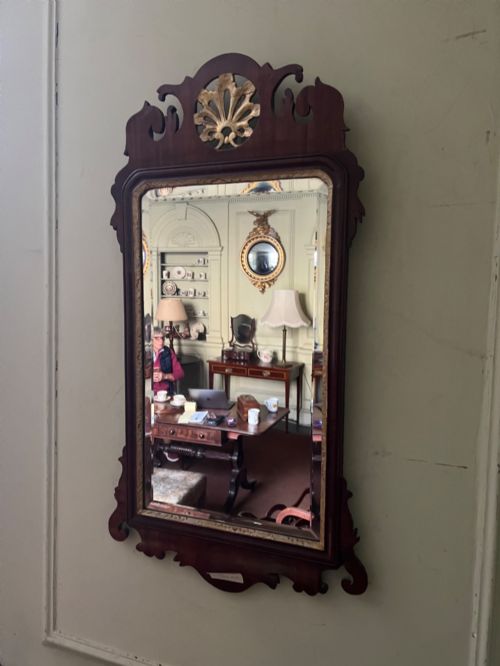
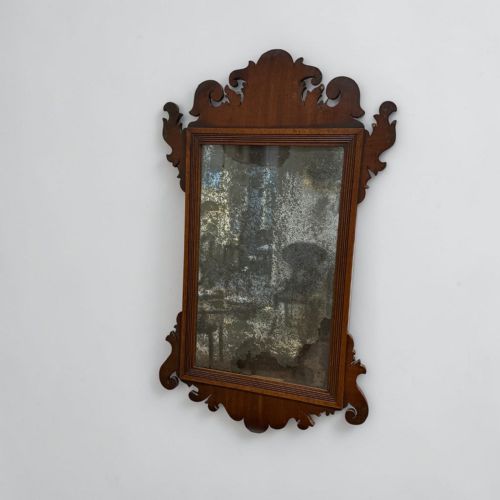
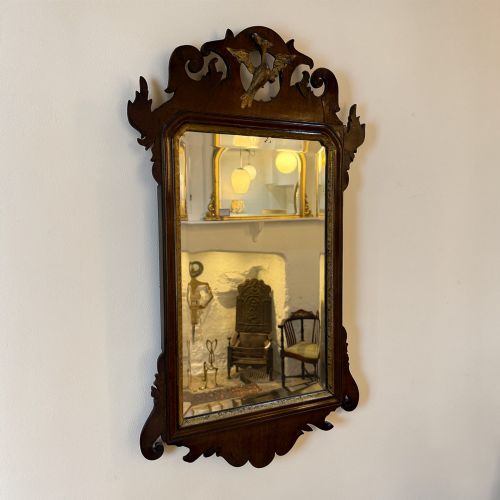
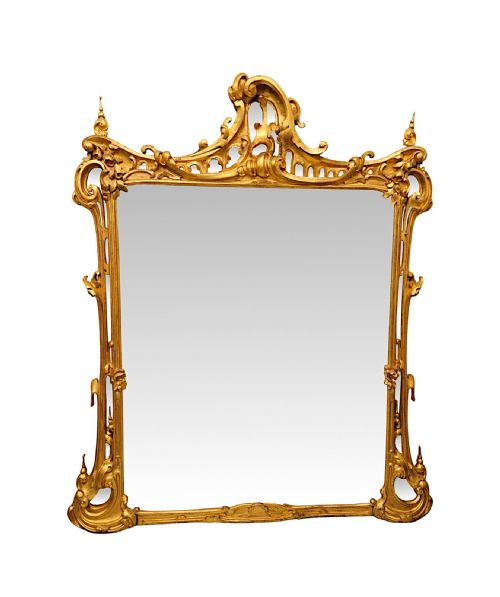
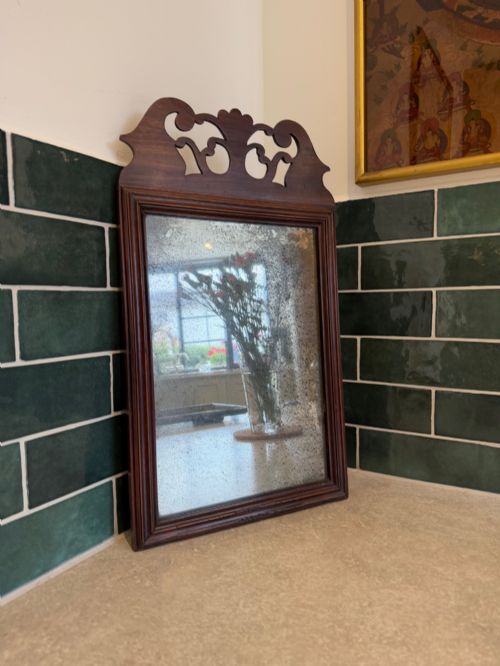
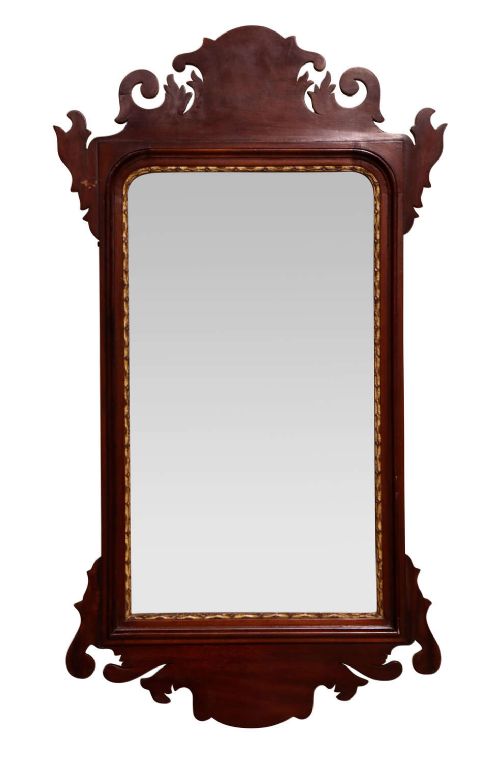
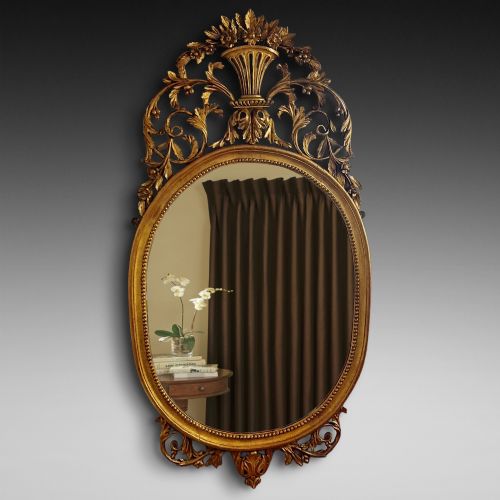
A georgian chippendale mirror is a wall-hanging glass plate set within a decorative wooden frame, designed to catch light and ornament a room. When searching this phrase, buyers encounter both authentic eighteenth-century examples and later revival pieces from the Victorian and Edwardian eras. The forms range from small fretwork wall mirrors with carved birds to grand giltwood overmantels.
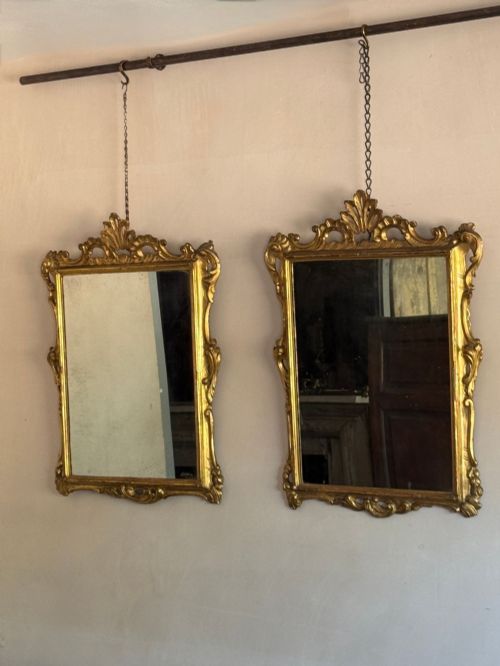
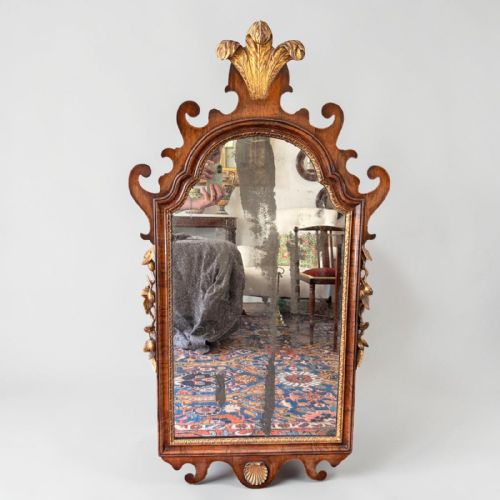
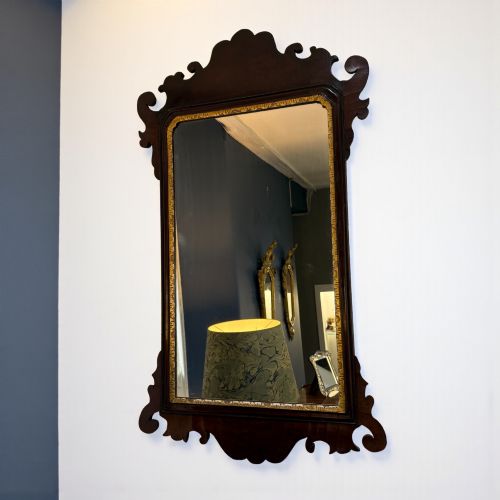
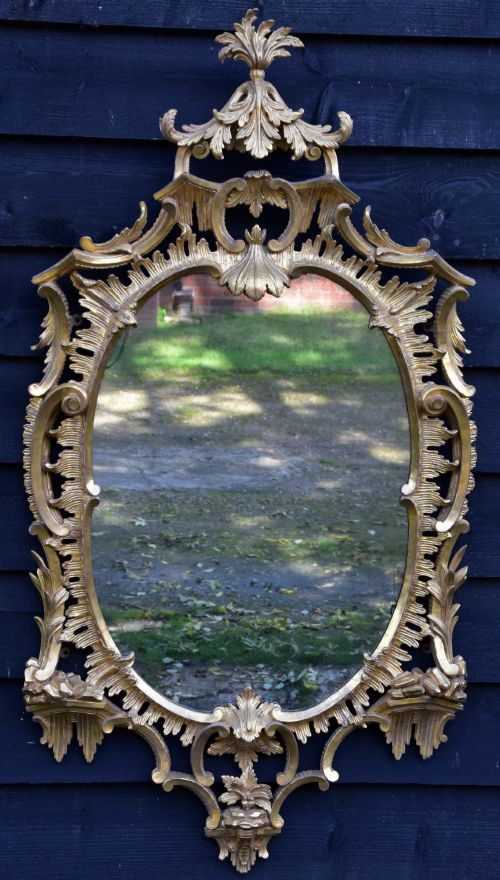
The most common pieces on this page are mahogany fret-cut frames and giltwood rococo designs, spanning periods from the reign of George II and George III through to twentieth-century revivals. Wall mirrors dominate the selection, alongside larger landscape and overmantel formats intended for placement above a fireplace. Walnut and sycamore also appear, reflecting the varied woods favoured by makers across different decades.
How They Were Made
Makers constructed these frames using timber such as mahogany, walnut, and sycamore, often employing fret-cut techniques to shape intricate scrollwork and borders. Giltwood and parcel-gilt versions relied on layers of gesso applied to carved wood before receiving gold leaf or gilt finish. Reverse cut plates and bevel-edged glass completed the construction, held securely within the wooden rebates.
Carvers executed detailed motifs including scrolling foliage, floral drops, and the characteristic ho-ho bird or squirrel. Joinery relied on precise corner joints and layered construction to support the weight of the timber and glass. The application of gilt and the precision of the fret-cutting required skilled handwork from cabinet makers and gilders.
Georgian Chippendale Mirror Retail Price Guide 2026
Typical asking prices for georgian chippendale mirror among the pieces listed under this phrase on Sellingantiques today, from the lower quarter to the upper quarter. They describe what is for sale here now, not the wider market.
The selection spans authentic 18th-century pieces from the reigns of George II and George III, alongside later Chippendale revival items.
What Varies in Quality
The sophistication of the carving dictates the distinction between standard and superior pieces, particularly in the rendering of complex motifs like the ho-ho bird, scrolling leaves, and symmetrical fretwork. Crisp edges on the fret-cut timber and deep, multi-layered gilding demonstrate superior craftsmanship compared to shallow or flat execution. Original glass plates with authentic silvering and reverse-cut details also elevate an example.
Proportion and balance play a significant role in the overall merit of a frame, where harmonious lines distinguish accomplished workshop output from routine production. The condition and integrity of the timber, whether figured mahogany or polished walnut, reflect the selection of materials by the original maker. Additionally, the survival of the original gilt surface without heavy overpainting indicates careful preservation.
The Georgian Chippendale Mirror Glossary
- Giltwood
- Wood that has been coated with gold leaf or a gilt finish over a prepared gesso ground. This technique creates a bright, reflective surface popular in eighteenth-century interior decoration.
- Fretwork
- Openwork ornamentation cut from a thin board of timber, often using a fretsaw to create geometric or scrolling patterns. It defines the silhouette of many wall mirrors.
- Parcel-gilt
- Partially gilded woodwork where specific carved details or mouldings receive gold leaf while the underlying wood grain remains visible elsewhere. Mahogany and walnut frames frequently use this combination.
- Overmantel
- A large mirror specifically designed to hang on the wall directly above a fireplace mantelpiece. These pieces often feature landscape formats or expansive giltwood frames.
- Gesso
- A paint mixture consisting of a binder mixed with chalk, gypsum, or pigment, applied to wood as a smooth base for gilding. It allows carvers to crisp up fine details before applying gold leaf.
Georgian Chippendale Mirror: Frequently Asked Questions
How do I tell an 18th-century mirror from a revival piece?
Distinguishing period pieces from later revivals involves examining the construction methods, timber ageing, and the character of the glass plate. Eighteenth-century frames often show hand-cut joinery and period tool marks that differ from nineteenth or twentieth-century manufacturing.
Secondary woods, backboards, and fixings also provide clues to the true age of the object. Comparing the style of the carving against documented furniture designs helps confirm the era of production.
Where should I hang a large overmantel mirror?
Large overmantel mirrors are traditionally positioned above a fireplace mantelpiece to reflect light and anchor the focal point of a room. Their expansive proportions require secure wall fixings anchored directly into structural masonry or studs.
Placing them opposite a window maximises natural illumination within the space. Maintaining adequate clearance above the mantel shelf ensures balanced visual proportions.
Are these mirrors suitable for everyday use?
These mirrors function effectively for daily use while requiring basic care appropriate for antique wooden and gilded objects. Stable indoor environments away from excessive moisture and direct sunlight help preserve the timber and gold leaf.
Cleaning the glass requires a soft cloth and non-abrasive cleaner applied sparingly to avoid damaging the surrounding frame. Gentle handling ensures the delicate fretwork remains secure over time.