

Georgian Chippendale Mahogany Chest
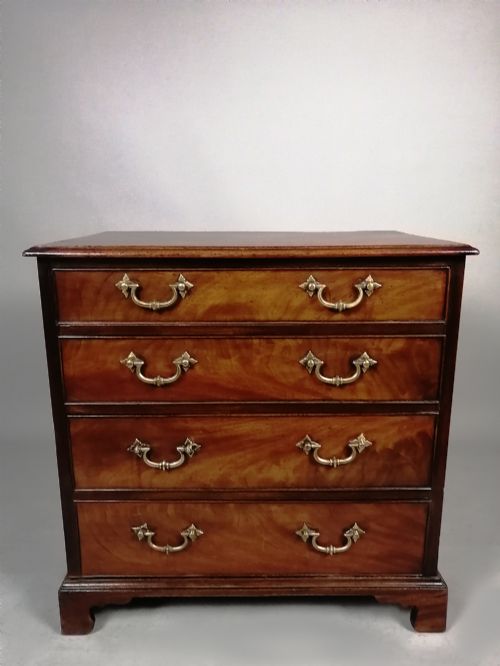
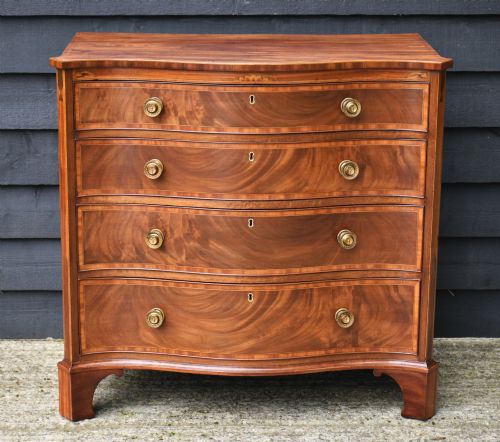
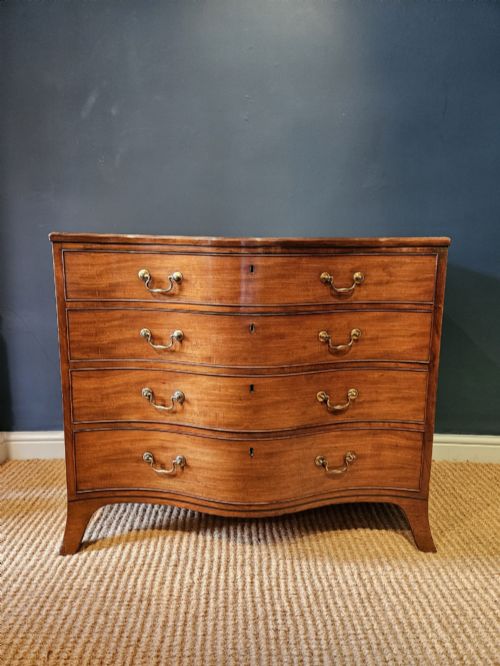
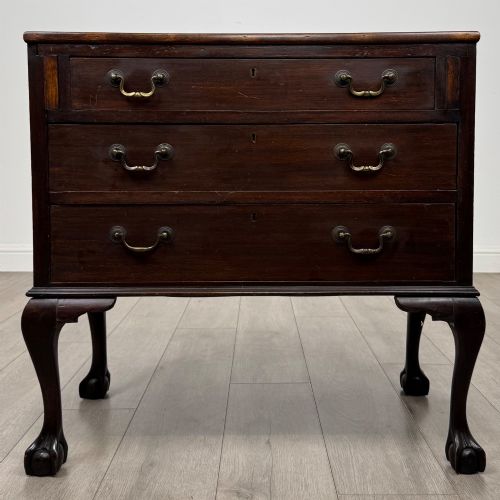
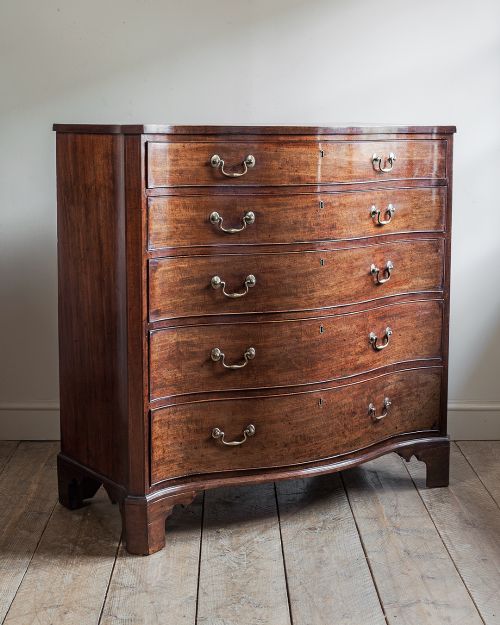
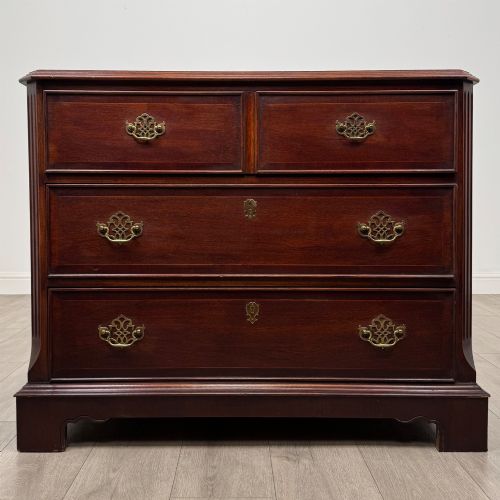
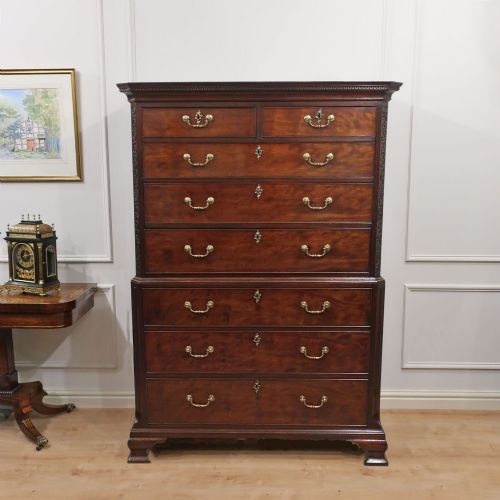
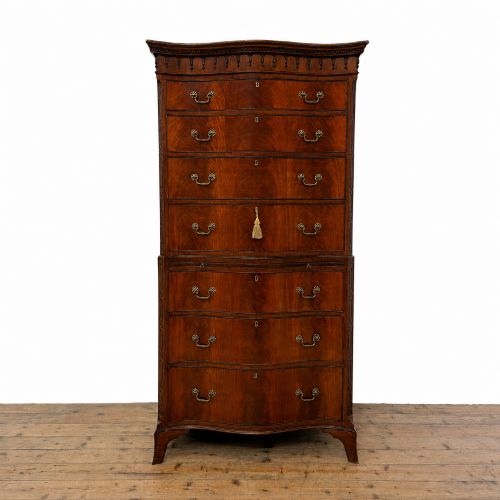
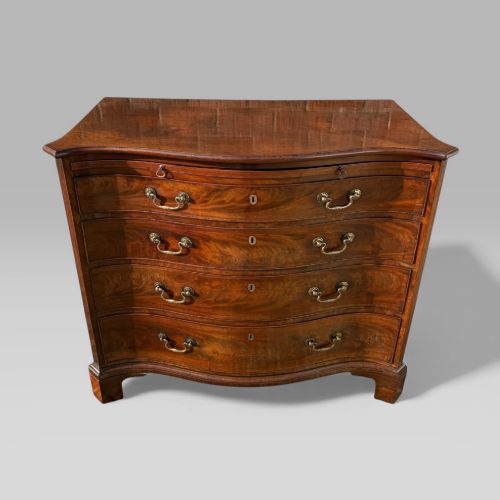
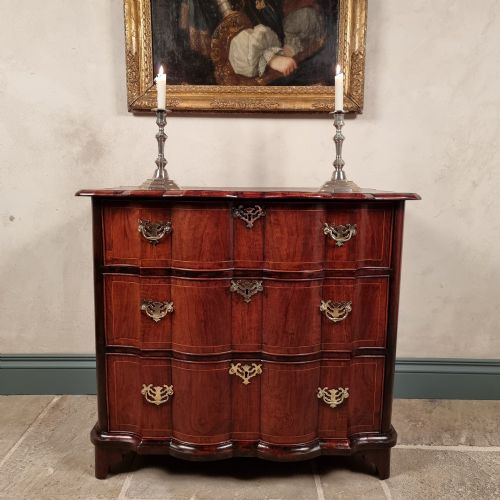
A georgian chippendale mahogany chest combines robust eighteenth-century craftsmanship with sweeping serpentine lines and rich timber tones.
Georgian Chippendale Mahogany Chest
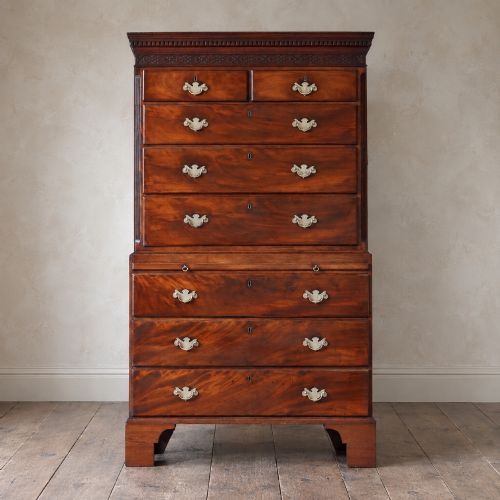
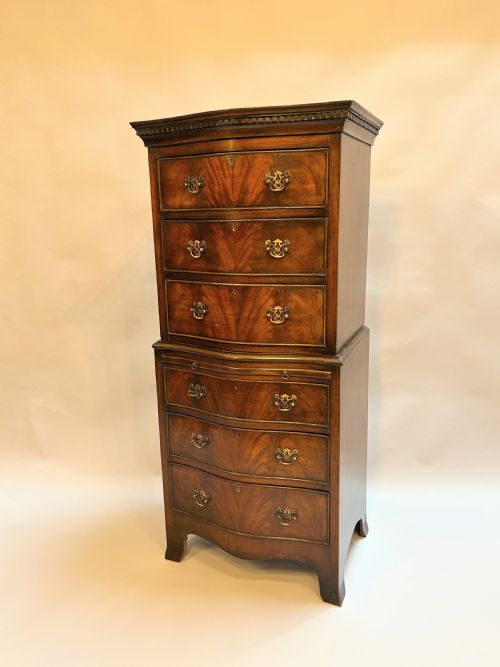
A georgian chippendale mahogany chest encompasses substantial case furniture built during the eighteenth century and subsequent revival periods, spanning chests of drawers, tallboys, and chests on chests. These pieces served domestic storage needs with varying internal configurations, including secret drawers and writing slides.
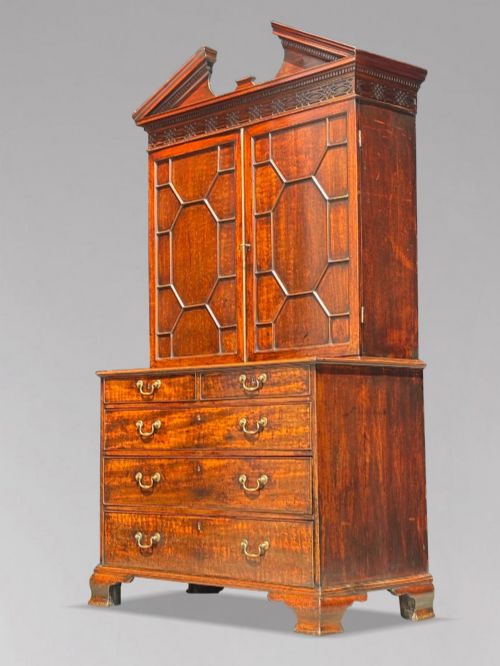
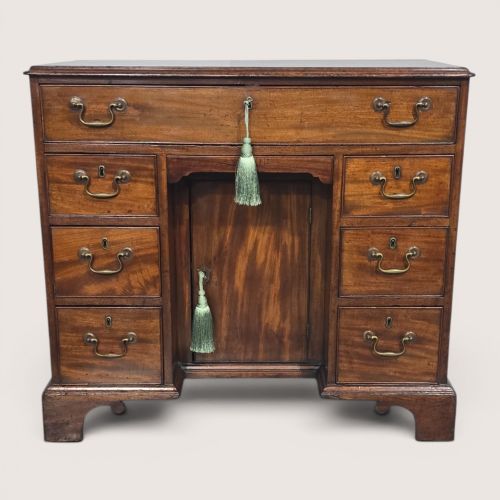
The primary forms met on this page include straight-front examples and undulating serpentine designs. Makers also produced related furniture such as bookcases, desks, and commodes sharing the same stylistic vocabulary.
Origins stretch from genuine eighteenth-century Georgian production through to Edwardian and later twentieth-century revival interpretations. Buyers encounter both authentic period pieces and later homages sharing the characteristic mahogany timber.
How they were made
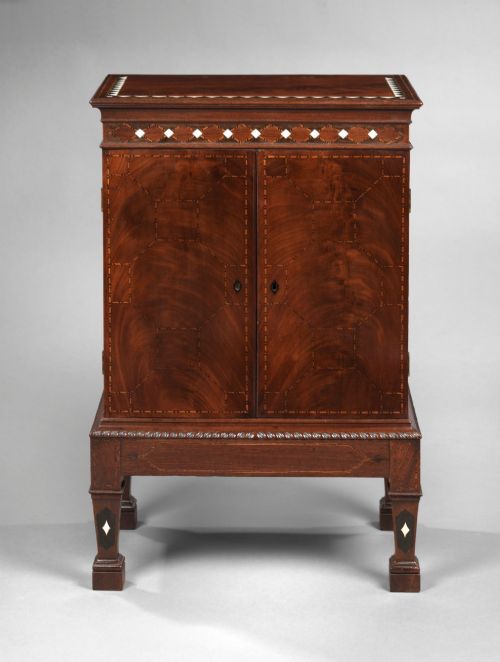
Construction relies heavily on mahogany, frequently specified as Cuban mahogany or figured varieties, supported by secondary timbers like oak. Carpenters utilised brass for hardware, handles, and escutcheons, occasionally incorporating bone inlay, marquetry, or satinwood details.
Surfaces display carved decorative elements, particularly along cornices and drawer edges, paired with specialised joinery such as dovetailing in the drawer construction. Cabinetmakers shaped the timber to form complex serpentine curves on the front facades of the larger chests and tallboys.
Listings feature mahogany, oak, and brass alongside decorative marquetry and bone inlay across eighteenth and twentieth-century periods.
What varies in quality
The character of the timber itself determines much of the distinction, separating pieces with richly figured or flame mahogany veneers from plain stock. Original patination and untouched surfaces command greater regard than stripped or heavily restored exteriors.
Execution of the carving and the precision of the serpentine bends separate standard workshop output from finer productions. Surviving original brasses and complex internal fittings like sliding trays or secret compartments elevate a piece further.
Thomas Chippendale
The Georgian Chippendale Mahogany Chest Glossary
- Serpentine
- A front profile curving outward in the centre and inward at the sides. This shaping requires skilled timber selection and careful carpentry.
- Chest on chest
- A tall case piece comprising a smaller upper chest stacked upon a deeper lower section. It provides extensive vertical storage while occupying a modest floor footprint.
- Tallboy
- A tall chest of drawers or a linen press raised on a base. These pieces maximise storage capacity through stacked internal drawer arrangements.
- Brushing slide
- A pull-out shelf integrated into the cabinetry above the drawers. It served as a temporary writing surface or clothes-brushing platform.
- Patina
- The deep sheen and surface texture developed by wood over centuries of handling and polishing. Original patination indicates minimal chemical interference.
Georgian Chippendale Mahogany Chest: Frequently Asked Questions
How do I spot a revival piece?
Revival pieces date from the Edwardian era or the twentieth century rather than the eighteenth century.
Examination of the secondary woods, internal fixings, and timber finish helps distinguish these later interpretations.
What is a brushing slide used for?
A brushing slide pulls out from the upper section of the chest above the drawers.
Historically, owners utilised this ledge for grooming clothes or writing brief notes.
Are all these chests made of solid mahogany?
Many pieces utilise solid mahogany, particularly for structural framing and drawer fronts.
Cabinetmakers also applied figured mahogany veneers over secondary timbers like oak.