

Chippendale Mahogany Storage Chest
A chippendale mahogany storage chest brings the rich timber and confident proportions of eighteenth-century design directly into a modern interior.
Chippendale Mahogany Storage Chest
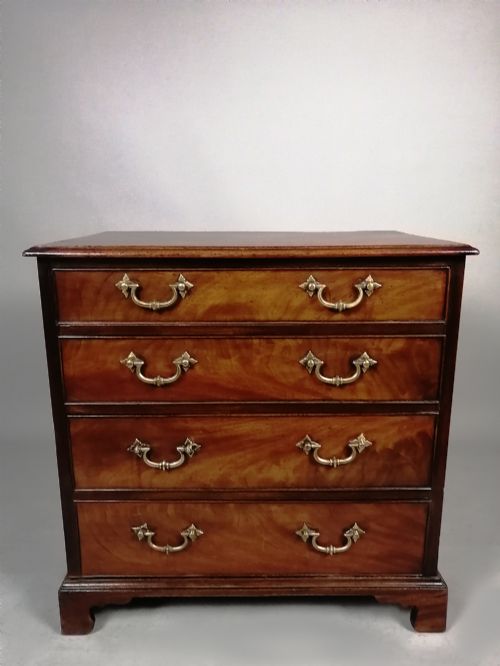
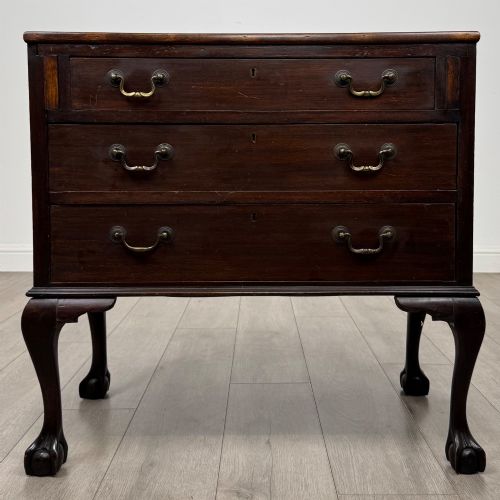
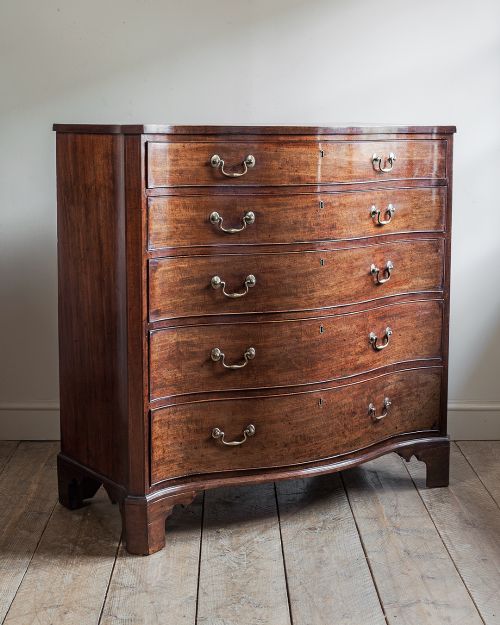
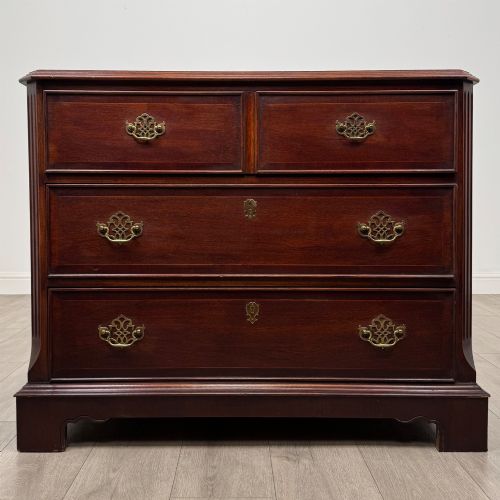
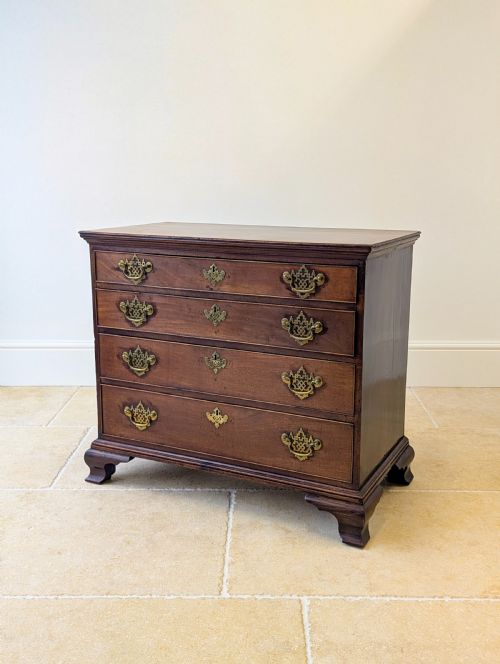
When you search for a chippendale mahogany storage chest, you encounter a variety of substantial timber furniture forms designed to hold clothing, linens, and valuables. The listings here range from eighteenth-century originals to later revival pieces produced across the nineteenth and twentieth centuries.
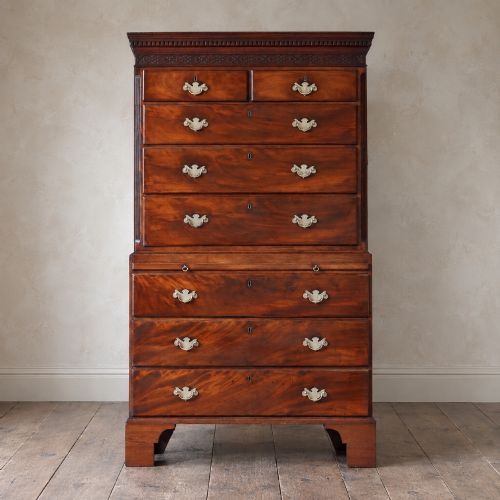
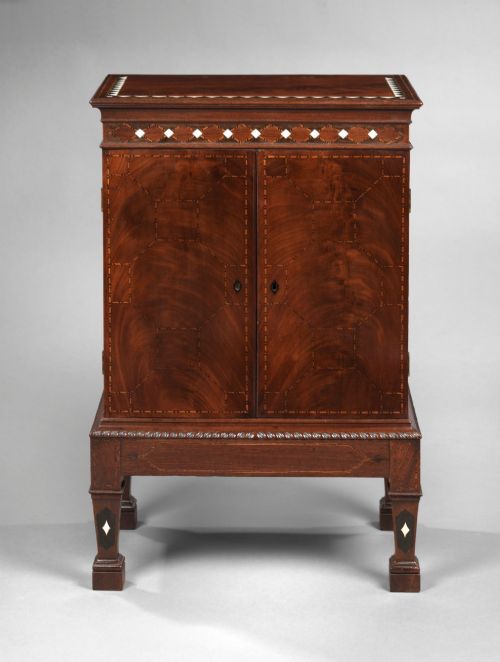
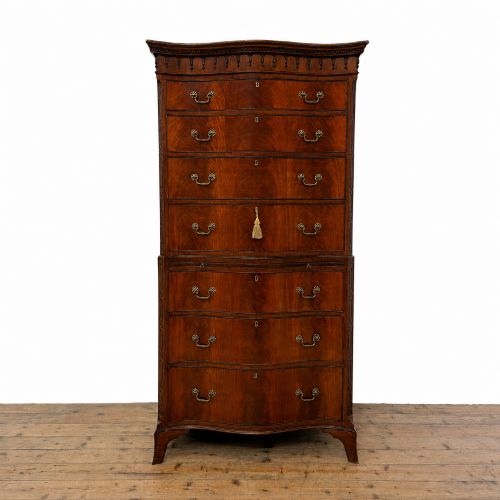
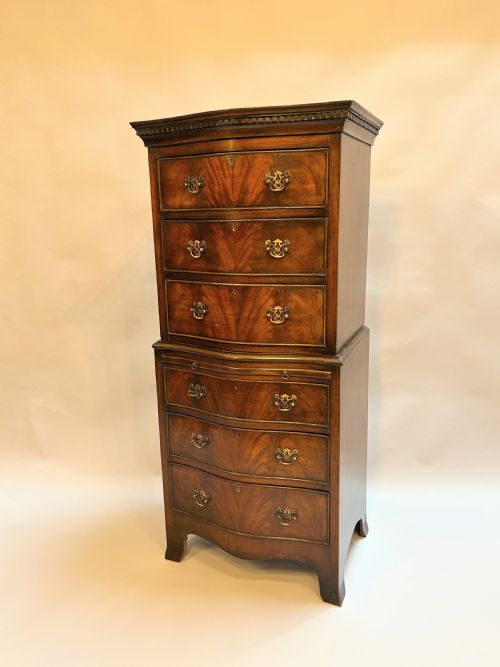
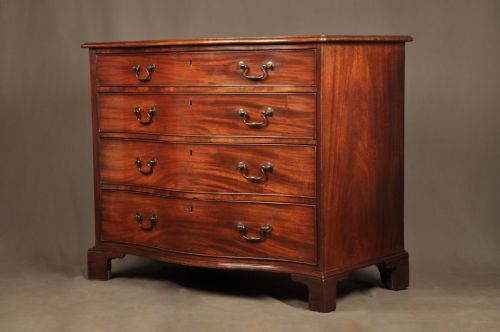
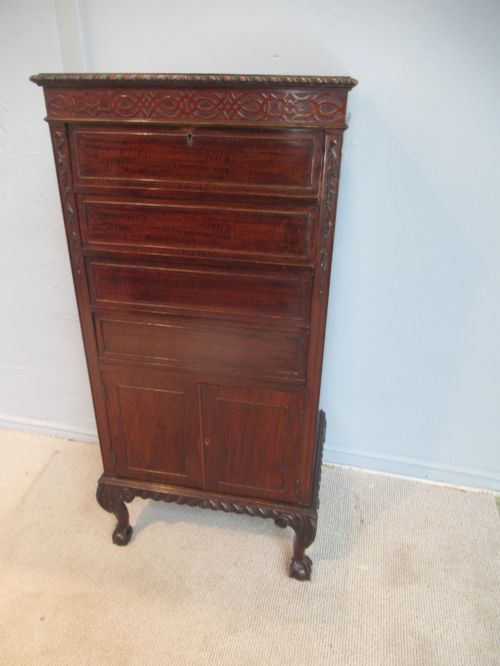
The most common forms on this page include chests of drawers, tallboys, and chest on chest designs, alongside smaller pieces such as tea caddies and cabinets. These items originate from periods spanning the Georgian era through to the Edwardian period and later twentieth-century revivals.
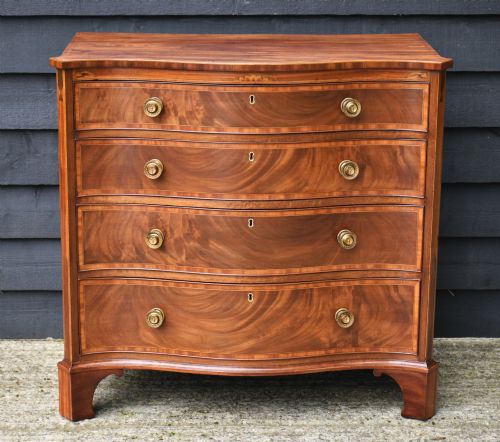
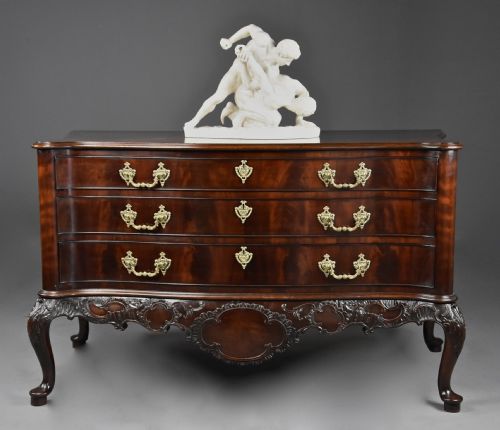
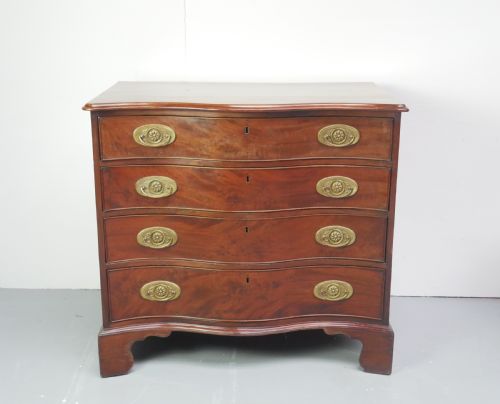
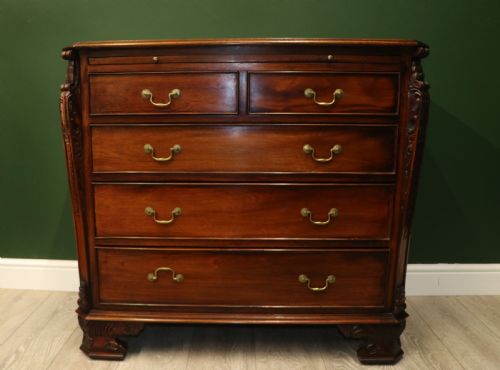
Buyers select these storage pieces for their practical capacity and their distinct silhouette. The design vocabulary draws heavily upon the aesthetic established during the Georgian period, often incorporating serpentine fronts and carved details.
Assessing Quality and Execution
The standard of a piece rests upon the selection of the timber and the depth of the carving. Figured mahogany and well-matched flame veneer demonstrate a higher grade of material choice than plain boards.
Construction methods determine durability and finish. Tight dovetail joints in the drawer construction and crisp, hand-carved details separate accomplished cabinet work from standard production.
Listings feature mahogany, oak, and brass, spanning the Georgian, Edwardian, and twentieth-century periods in forms including chests of drawers and tea caddies.
Waring & Gillows·Walker & Hall
The Chippendale Mahogany Storage Chest Glossary
- Serpentine
- A front profile that curves outward in the centre and inward at the sides. This contour requires precise woodworking skills to execute correctly.
- Brushing slide
- A pull-out shelf integrated into the chest above the top drawers. It provided a clean surface for folding garments or serving drinks.
- Tallboy
- A tall chest of drawers made in two stacked sections, often combining a chest with a linen press. It maximises vertical storage capacity.
- Caddy
- A small box or chest designed for storing loose tea leaves. These containers often feature internal compartments and secure locks.
- Ball and claw
- A furniture foot carved to resemble a bird's talon clutching a ball. This motif is frequently associated with Chippendale seating and case pieces.
Chippendale Mahogany Storage Chest: Frequently Asked Questions
How do I identify an original eighteenth-century piece?
Examine the secondary timbers inside the drawers, such as oak or pine, which should show hand-cut dovetailing and signs of age. Eighteenth-century pieces also exhibit hand-planed surfaces and timber shrinkage consistent with centuries of atmospheric exposure.
Compare the proportions and carving style against known examples from the Georgian period. Revivals from the nineteenth and twentieth centuries often use machine-cut joints and denser modern varnishes.
What is the function of a brushing slide?
A brushing slide is a pull-out wooden shelf positioned just beneath the top surface of a chest. In historical interiors, users pulled out the slide to brush dust from garments or to fold clothes without placing them on a bed.
Today, the slide serves as a convenient auxiliary shelf when inspecting contents or displaying items temporarily. It glides smoothly within internal runners integrated into the frame.
How should I care for mahogany furniture?
Maintain mahogany storage pieces by keeping them away from direct sunlight and heat sources, which can dry out the timber and cause veneers to lift. Dust the surface regularly with a dry, soft cloth to prevent particulate buildup.
Apply a traditional beeswax polish occasionally to nourish the grain and preserve the lustre of the wood. Avoid silicone-based sprays that penetrate the finish and attract dust.
Where did the Chippendale style originate?
The style derives its name from Thomas Chippendale, a celebrated London cabinetmaker who published influential furniture designs in his 1754 trade catalogue, The Gentleman and Cabinet Maker's Director. His patterns combined Gothic, Rococo, and Chinese motifs into cohesive case furniture.
Makers across Britain and later America adopted these patterns, creating a lasting design language. Revival pieces produced in the Victorian and Edwardian eras continued to replicate these distinct architectural proportions.