

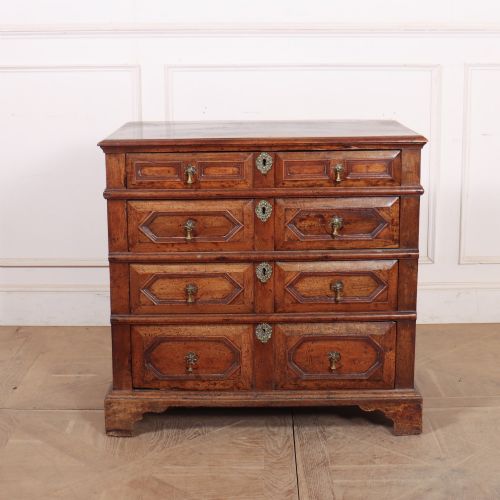
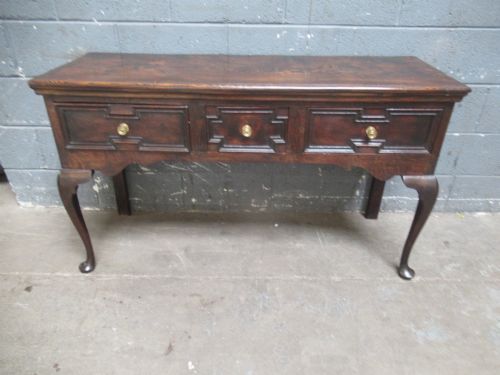


Georgian Chest on Base
A georgian chest on base provides robust storage and distinct architectural presence, combining deep drawer capacity with a raised platform or stand.
Georgian Chest on Base
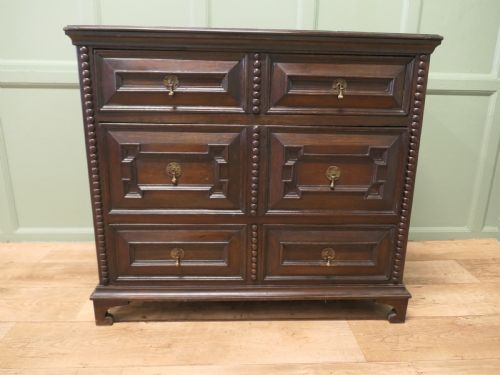
A georgian chest on base unites practical timber drawer capacity with a raised stance, typically taking the form of a low chest supported on a stand, dresser base or framed underframe. These pieces emerge primarily from the eighteenth century, drawing on periods from George I through to George III and the Regency era.
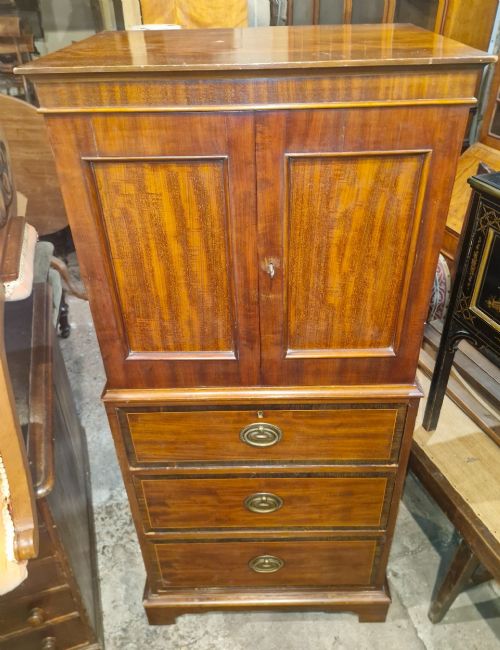
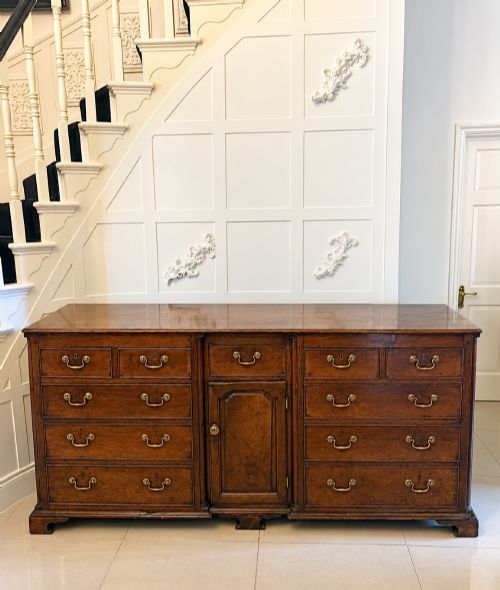
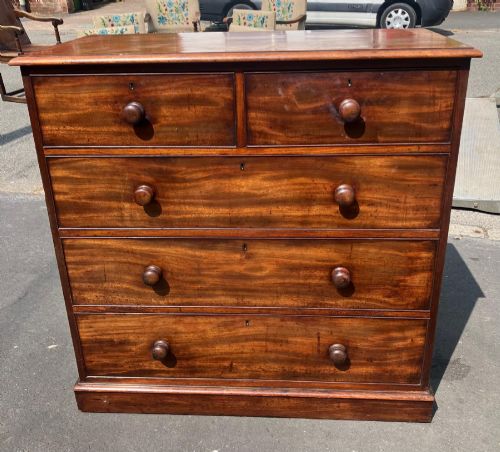
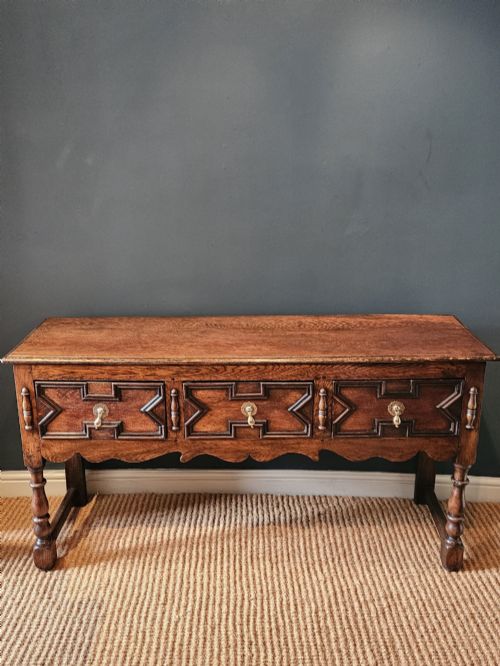
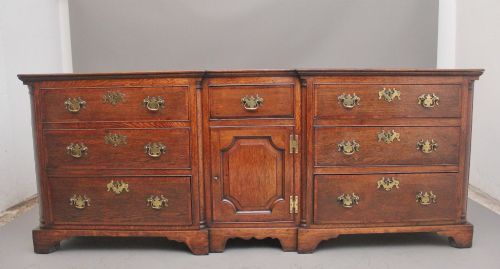
The version most commonly met on this page is constructed from native oak or imported mahogany, reflecting the domestic and formal utility of the period. Forms range from compact provincial drawer units to long Cheshire or Lancashire dresser bases and specialised mule chests.
Makers of these forms utilised sturdy timber framing to elevate the storage volume off the floor, often incorporating multiple small and large drawers arranged to balance proportion with utility.
Materials and construction
Cabinetmakers constructed these pieces predominantly using solid oak, mahogany, and walnut, frequently lining internal drawers with secondary softwoods and incorporating pine or chestnut in provincial workshops. Timber selection dictated both the structural integrity of the base frame and the surface figure of the drawer fronts.
Construction techniques relied on pegged mortise and tenon joints for the heavier oak bases and precise dovetailing for the drawer boxes. Finer examples integrated brass hardware, bone escutcheons, and decorative veneers such as flame mahogany or walnut marquetry.
Georgian Chest on Base Retail Price Guide 2026
Typical asking prices for georgian chest on base among the pieces listed under this phrase on Sellingantiques today, from the lower quarter to the upper quarter. They describe what is for sale here now, not the wider market.
Listings feature pieces spanning the 18th century, 19th century, and Regency periods, constructed in oak, mahogany, walnut, rosewood, and pine.
Variations in quality
Quality varies significantly in the choice of timber and the execution of surface decoration, moving from plain utilitarian pine and oak country pieces to highly figured mahogany and inlaid walnut specimens. Superior examples display tight dovetailing, original brass handles, and crisp geometric mouldings or carved details.
The integrity of the structural base separates standard utility furniture from finer works, as does the retention of original timber patination and secondary linings. Pieces that preserve their original brass-inlaid rosewood or crisp walnut veneers demonstrate a higher tier of period craftsmanship.
Mawer and Stephenson
The Georgian Chest on Base Glossary
- Dresser base
- A low wooden storage unit featuring drawers and sometimes cupboards, historically used in kitchens or dining rooms for food preparation and storage. It forms the lower section of a larger dresser arrangement.
- Mule chest
- A storage chest fitted with one or more drawers at the bottom beneath the main lift-top compartment. This form bridges the evolution between traditional blanket chests and modern drawer units.
- Teapoy
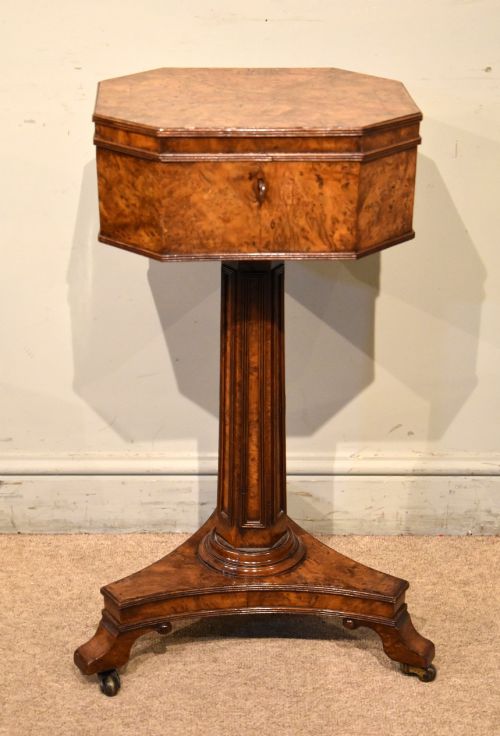
- A small box or chest supported on a pillar and stand, designed to store dry tea leaves. They often feature fitted interior compartments and fine rosewood or mahogany construction.
- Marquetry
- The art of applying decorative veneer pieces of different woods, shell, or bone to a structural surface to create pictorial or geometric designs. It is commonly found on fine walnut and exotic hardwood furniture.
- Dovetail
- A traditional wood joint formed by interlocking wedge-shaped fingers, prized for its tensile strength. It is standardly used to join the sides and backs of drawers.
Georgian Chest on Base: Frequently Asked Questions
What is a georgian chest on base?
A georgian chest on base is a period storage unit that combines a multi-drawer chest with an integrated support stand or raised base frame. These pieces date predominantly from the eighteenth and early nineteenth centuries.
They were built to lift storage compartments off damp floors while providing organised drawer space for domestic linens, garments, or household goods.
How were these chests used?
These pieces served primary storage functions in bedrooms, parlours, and hallways across period homes. The integration of a raised base kept contents clear of floor-level drafts.
Drawers held folded textiles and personal items, while the sturdy tops provided a surface for display or daily tasks.
How do I identify period materials?
Period pieces utilise native timbers like oak and elm alongside imported hardwoods such as mahogany, walnut, and rosewood. Secondary woods like pine and cedar frequently appear in drawer linings.
Examination of the timber grain, joint construction, and surface patination reveals the age and regional origin of the piece.
How do I care for antique wood?
Keep wooden furniture away from direct heat sources and dramatic humidity fluctuations to prevent timber splitting or veneer warping. Regular dusting with a soft dry cloth maintains the surface.
Apply traditional wax sparingly when the finish appears dry, buffing gently to preserve the historic patina.