
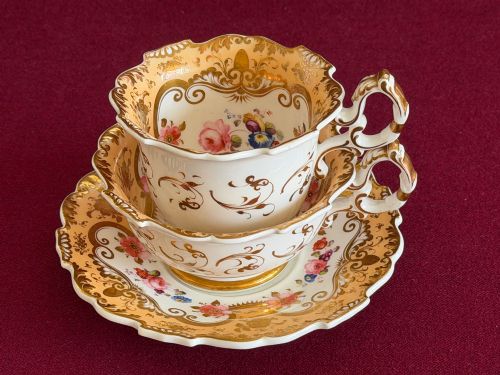
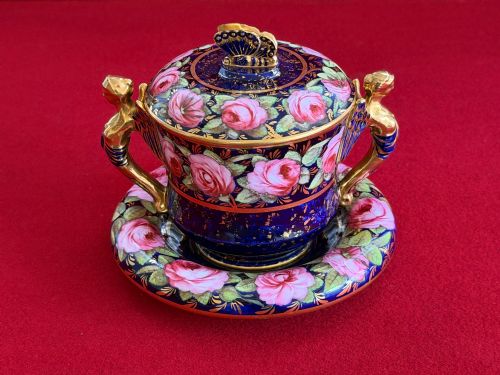
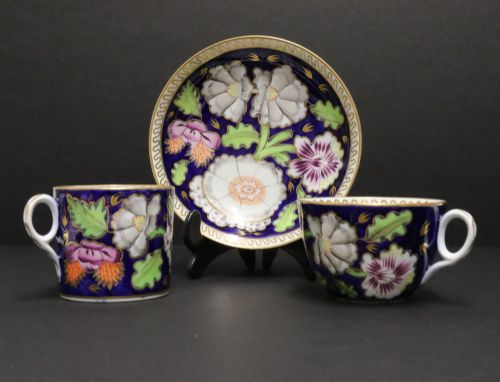
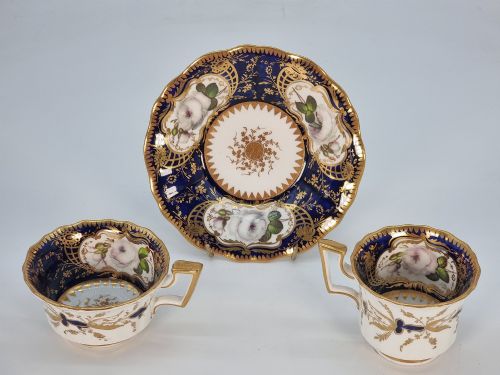
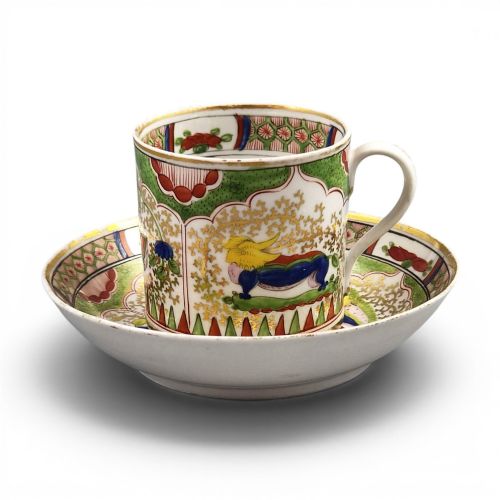

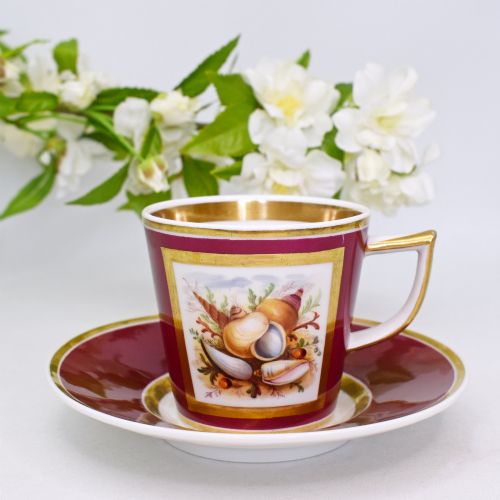
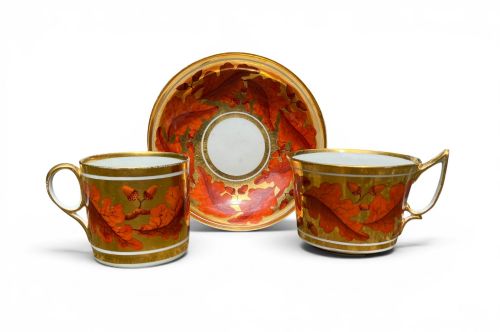
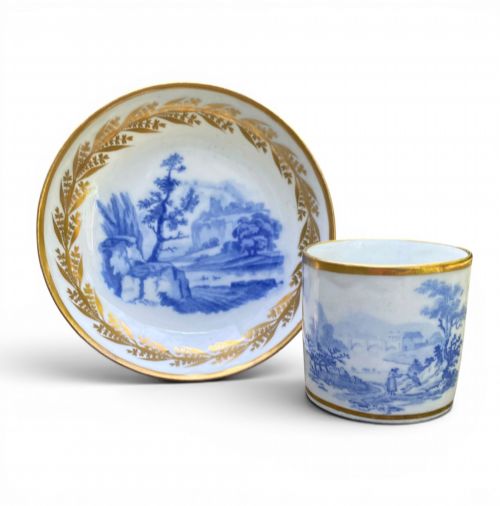

Georgian Ceramic Saucer
A georgian ceramic saucer brings tactile history to the table, offering a glimpse into elite eighteenth and nineteenth-century tea habits.
Georgian Ceramic Saucer
A georgian ceramic saucer connects the modern tea drinker to domestic rituals of the eighteenth and nineteenth centuries, often appearing alongside matching teacups or as part of a larger cabinet trio.
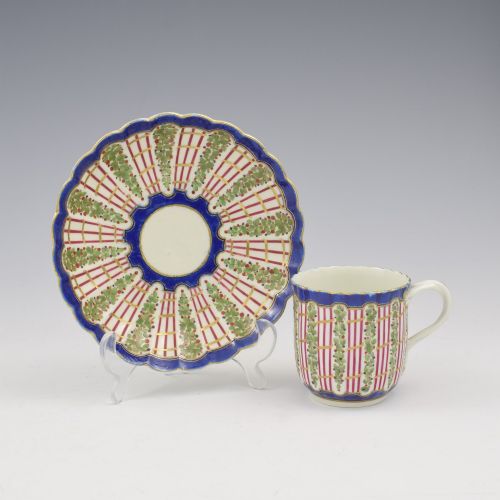
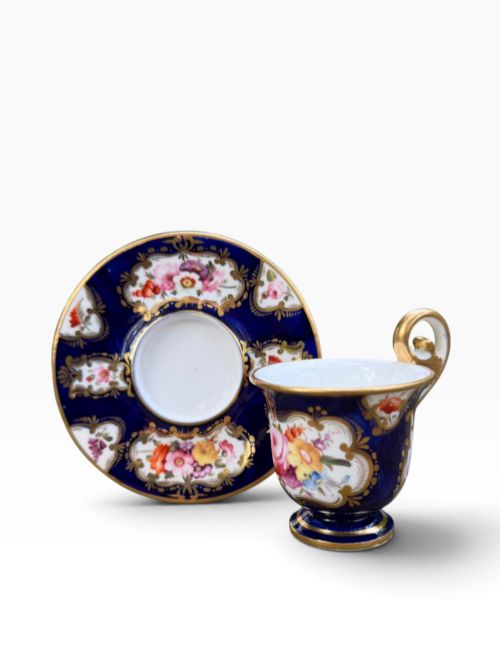
The pieces on this page span the georgian, regency, and early nineteenth-century periods, showing how saucer shapes evolved from modest tea bowls into more defined vessels intended for formal display.
Makers utilised soft-paste porcelain, bone china, and creamware to produce these items, reflecting the technical changes in British kilns during the era.
Materials and manufacturing techniques
Kilns employed soft-paste porcelain and bone china as the primary body materials for a georgian ceramic saucer, providing a fine white base for painted and printed decoration.
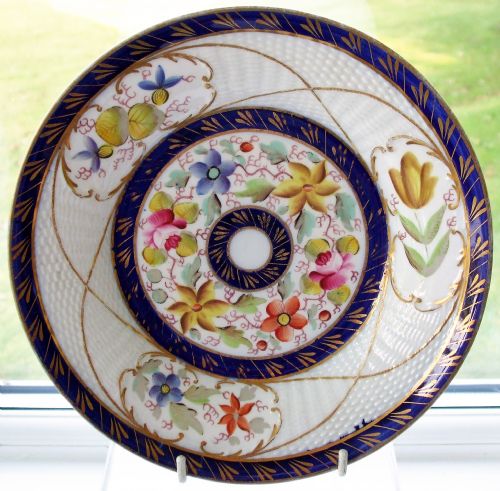
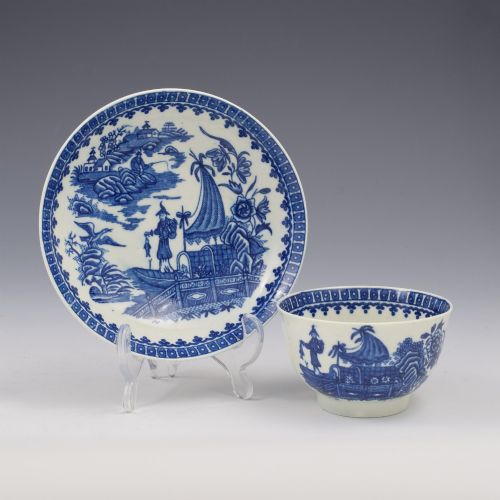
Artisans applied hand-painting, transfer printing, and gilding with gold leaf to finish the surfaces, often sealing the designs beneath a clear glaze fired at high temperatures.
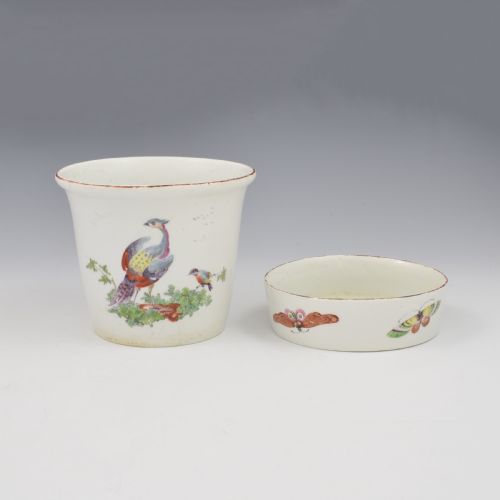
Look closely to find cows, tigers, and fancy birds painted across the ceramic surfaces.
Assessing execution and artistry
The skill of the painting sets apart the finest examples, particularly where hand-painted birds, floral motifs, or intricate chinoiserie patterns demonstrate exceptional brushwork by named decorators.
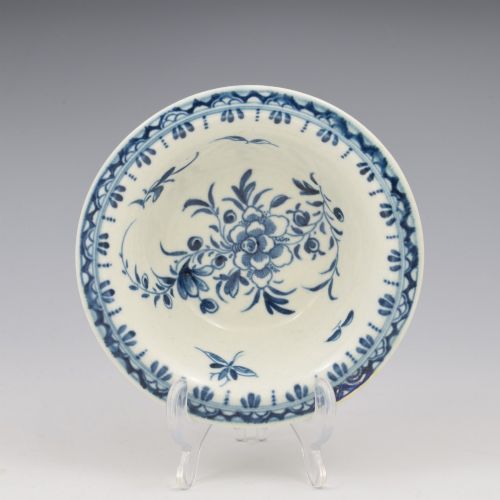
Consistency in the porcelain body and the crispness of gilded borders or blue and white transfer prints indicate the level of craftsmanship achieved within factories such as Worcester, Spode, and Derby.
A H & R Daniel·Spode·Newhall·Coalport·Worcester·Derby·Rockingham·Yates Leeds·Hicks Meigh & Johnson·Enoch Wood & Sons·Davenport·Minton
The Georgian Ceramic Saucer Glossary
- Soft-Paste Porcelain
- An artificial porcelain composition fired at lower temperatures than hard paste, popular in eighteenth-century British factories for its creamy translucence.
- Bone China
- A type of porcelain containing bone ash, developed in England to create a durable, brilliantly white body suitable for intricate tea wares.
- Cabinet Trio
- A matched set comprising a teacup, coffee cup, and saucer, created for display in a cabinet rather than daily tea service.
- Creamware
- A refined earthenware with a pale yellow or cream-coloured glaze, developed during the mid-eighteenth century as an affordable alternative to porcelain.
Georgian Ceramic Saucer: Frequently Asked Questions
How do I date a georgian ceramic saucer?
Dating relies on identifying factory marks, paste compositions, and stylistic clues such as neoclassical borders or chinoiserie motifs recorded in the evidence.
Comparing the potting style and glaze characteristics against documented factory periods helps narrow the production window.
Were these saucers used for drinking tea?
Tea drinkers in the eighteenth and early nineteenth centuries frequently poured hot tea from the cup into the saucer to cool it before drinking.
Many surviving pieces served this functional domestic role before later becoming collectible cabinet items.
What is the difference between a tea bowl and a teacup?
Tea bowls followed traditional Chinese forms without handles, requiring both hands to hold during the eighteenth century.
Teacups with handles appeared later as European tea habits shifted toward more conventional holding methods.
How should I display a cabinet saucer?
Saucers sit securely on specialised wire display stands inside enclosed cabinets to protect their delicate gilded edges and painted surfaces.
Keeping them away from direct sunlight preserves the vibrancy of the original enamel colours.