

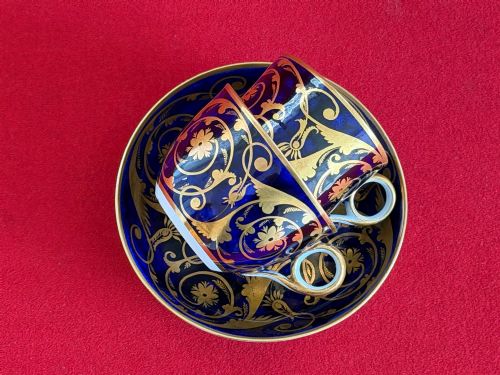
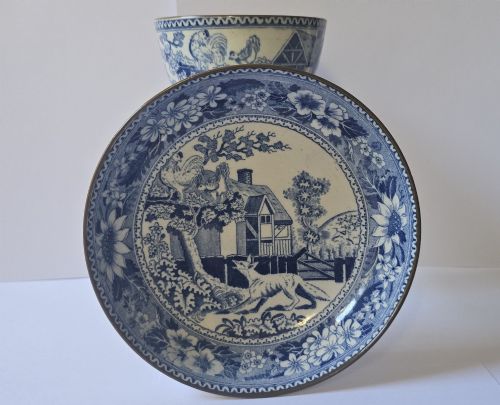
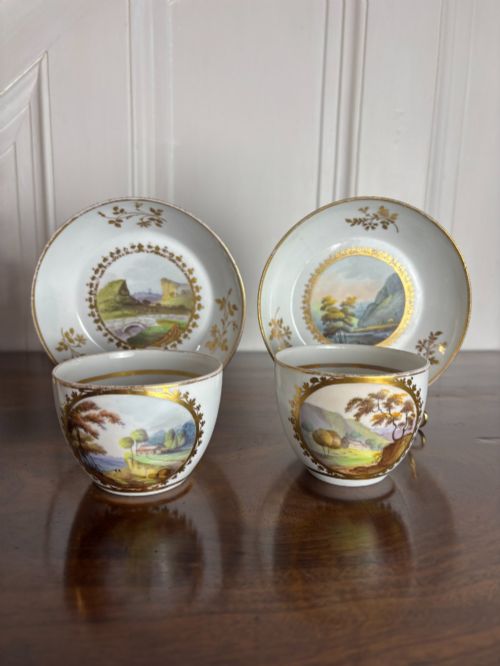
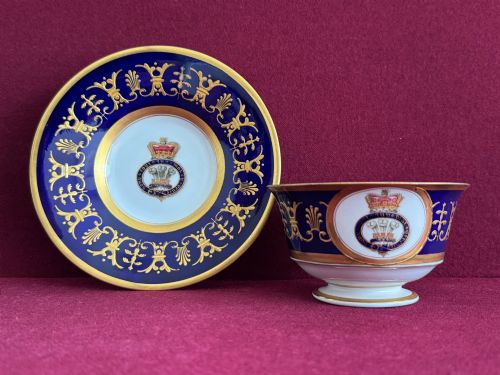
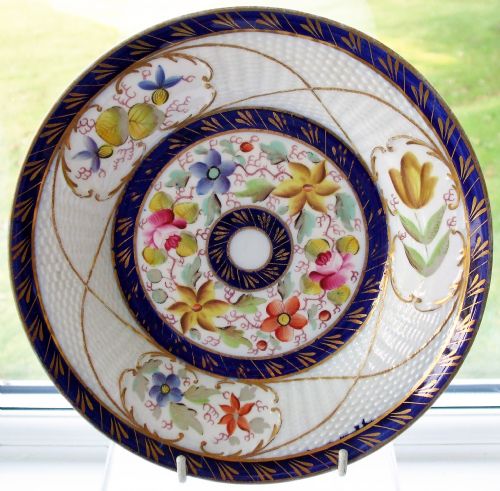


Antique English Tea Saucer
An antique english tea saucer brings tactile history to a table, offering ceramic artistry from the Georgian, Regency, and Victorian eras.
Antique English Tea Saucer
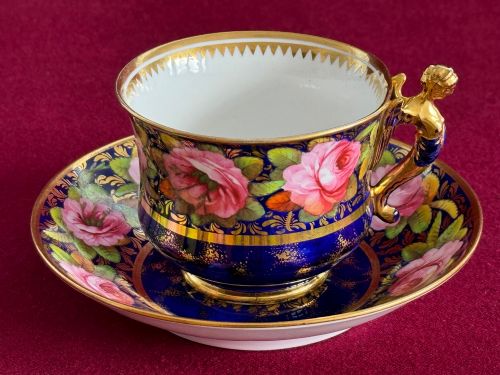
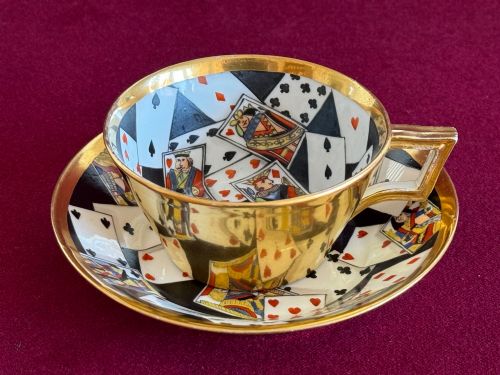
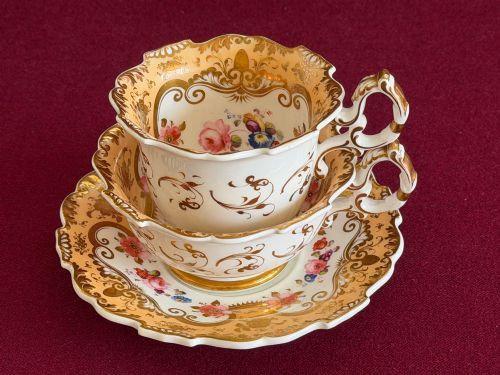
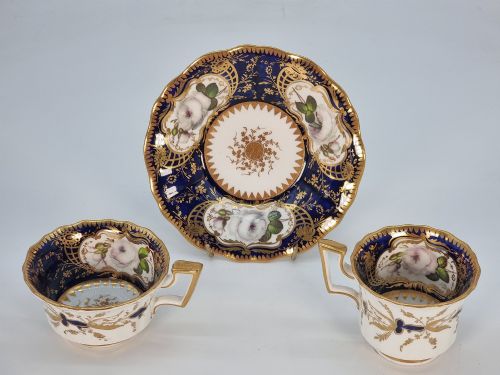
An antique english tea saucer is a small ceramic dish designed to hold a teacup, often found alongside matching bowls or as part of larger tea services and trios. The selections span periods from the eighteenth century through to the early twentieth century, encompassing Georgian, Regency, and Victorian aesthetics.
Forms range from simple fluted tea bowls and saucers to elaborate cabinet trios and complete afternoon tea sets. Makers utilised materials such as porcelain, soft-paste porcelain, and bone china to create these functional items for domestic dining.
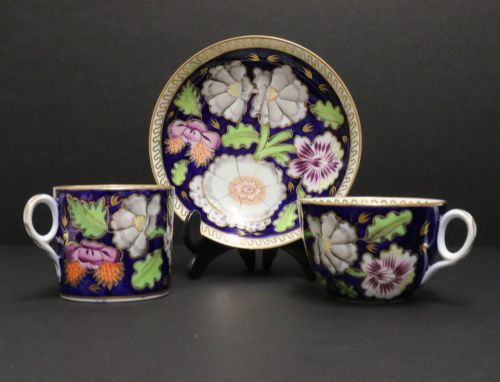
Most examples originate from renowned British factories and potteries, reflecting stylistic shifts from Chinoiserie and Georgian Neoclassical designs to Victorian Imari and Art Deco patterns. Buyers encounter everything from solitary saucers to multi-piece sets intended for display or service.
How they were made
Potters shaped these pieces using ceramic materials like soft-paste porcelain and bone china, often forming delicate tea bowls and saucers by hand or mould. Artisans then applied intricate hand-painted motifs, transfer printing, and polychrome enamels to the clay bodies.
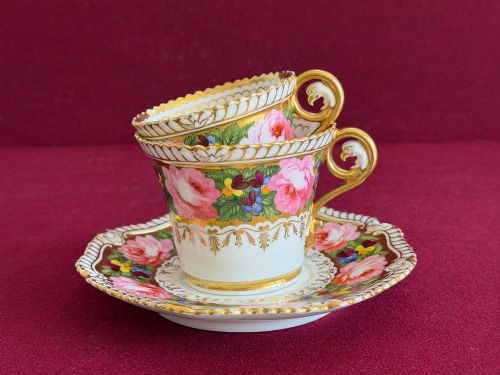
Gilding with gold leaf and burnished gilt added metallic enrichment to borders and handles, particularly during the Regency and Victorian periods. Firing in kilns set the glaze and fixed the underglaze or overglaze decorations permanently onto the ceramic surface.
Antique English Tea Saucer Retail Price Guide 2026
Typical asking prices for english tea saucer among the pieces listed under this phrase on Sellingantiques today, from the lower quarter to the upper quarter. They describe what is for sale here now, not the wider market.
Listings feature porcelain, bone china, and ceramic pieces across Georgian, Regency, and Victorian periods.
What varies in quality
The refinement of the ceramic body and the precision of the potting distinguish different tiers of manufacture, with finer porcelain offering greater translucency and thinness. Superior examples display crisp moulding and balanced proportions rather than heavy, utilitarian walls.
Hand-painted artistry elevates certain pieces above standard transfer-printed wares, showing meticulous brushwork in landscapes, birds, and floral patterns. The application of gold leaf and enamel work further separates standard production items from bespoke cabinet pieces commissioned by affluent patrons.
Spode·Royal Worcester·Barr and Barr·New Hall·Coalport·Minton·Davenport·Yates
The Antique English Tea Saucer Glossary
- Soft-Paste Porcelain
- An early form of artificial porcelain composed of clay and ground glass fired at lower temperatures. It produces a warm, creamy body common in eighteenth-century pieces.
- Bone China
- A type of porcelain incorporating bone ash for enhanced strength and whiteness. This material became standard for British tea wares from the nineteenth century onward.
- Trio
- A matching set comprising a teacup, a coffee cup, and a saucer. These combined groupings were popular for comprehensive afternoon tea service.
- Tea Bowl
- A small, handleless cup used for drinking tea before standard handled teacups became widespread. They typically sit directly inside a matching saucer.
- Gilding
- The application of gold leaf or powdered gold to ceramic surfaces for decoration. It is frequently found highlighting rims, handles, and borders.
Antique English Tea Saucer: Frequently Asked Questions
How were antique saucers used?
These saucers served a practical role in eighteenth and nineteenth-century dining, catching drips from tea bowls and cups. In many polite settings during the Georgian era, tea was poured from the cup into the saucer to cool before drinking.
They also functioned as part of matched trios and full tea services used for hosting guests. Today, collectors utilise them both as standalone decorative cabinet pieces and for serving afternoon tea.
How do I identify eighteenth-century pieces?
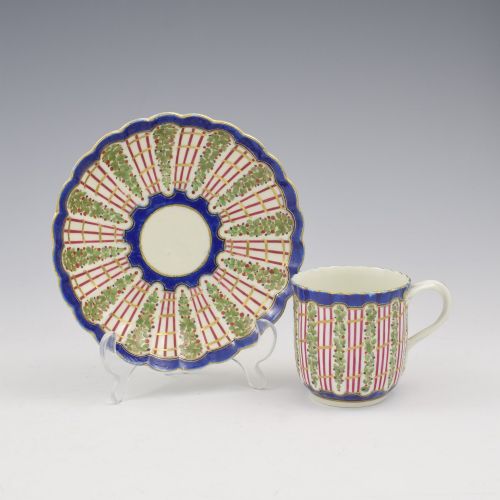
Eighteenth-century examples often feature soft-paste porcelain bodies that show translucency when held to the light. Look for characteristic forms such as handleless tea bowls and blue scale grounds associated with early Worcester production.
Factory marks, where present, provide direct evidence of origin, though many early pieces rely on stylistic indicators like Hop Trellis or Chinoiserie motifs for dating.
Can I use these for daily tea?
While these ceramics were built for functional dining, their age and delicate nature require careful handling. Many buyers prefer to display them in cabinets or reserve them for occasional use rather than daily service.
Hand washing in warm water without harsh detergents preserves the fragile enamels and gold leaf gilding found on nineteenth-century surfaces.
What is a cabinet trio?
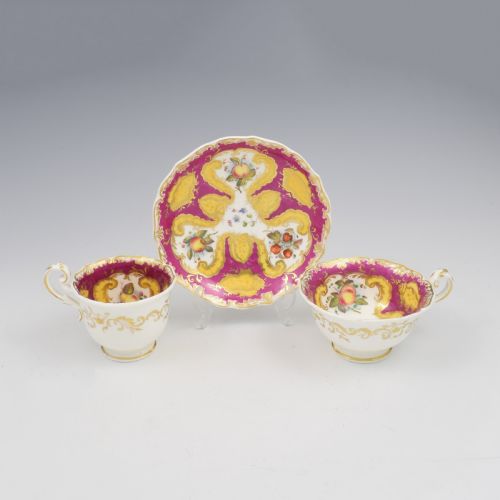
A cabinet trio typically consists of a matching teacup, coffee cup, and saucer produced purely for display rather than active service. These sets highlight the finest decorative skills of factories such as Coalport and New Hall.
They often incorporate elaborate hand-painted landscapes, fruit patterns, and extensive gilding designed to impress visitors in a drawing room.