





Georgian Carved Wood Box
A georgian carved wood box holds small treasures, from personal snuff to tea and documents, shaped by centuries of handling.
Georgian Carved Wood Box
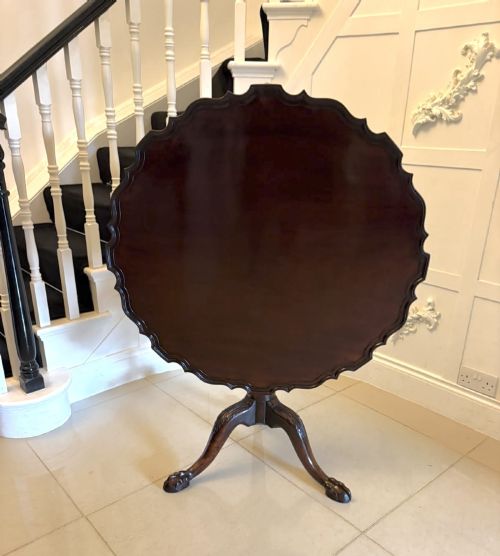
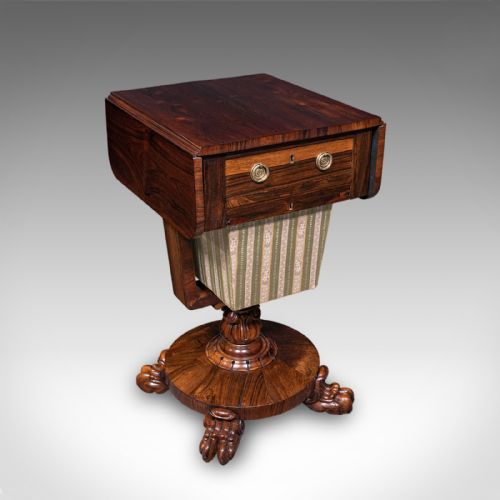
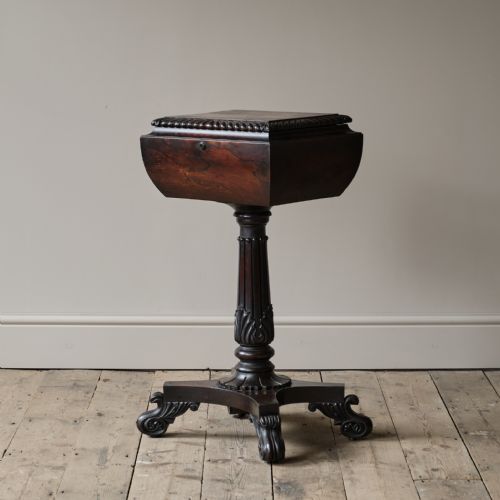
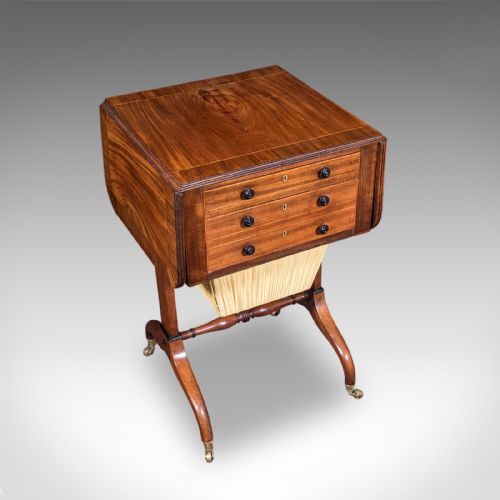
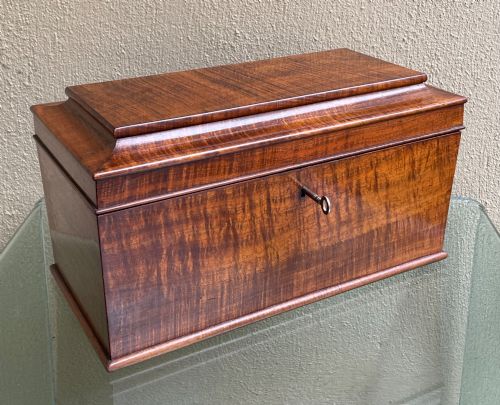
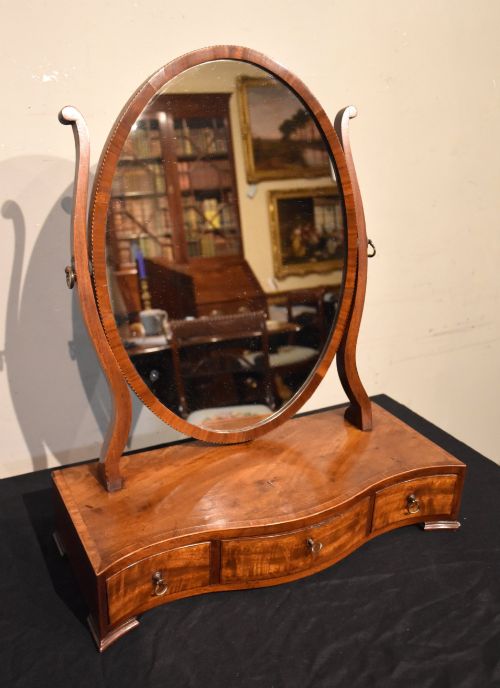
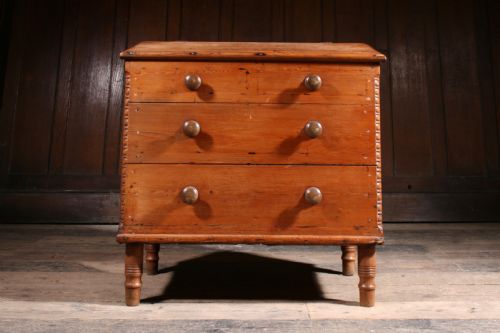
A georgian carved wood box appears in several distinct forms across this selection, ranging from small personal containers to larger storage trunks. Tea caddies, snuff boxes, and substantial oak coffers predominate, reflecting the domestic storage needs of past centuries.
Makers constructed these vessels from periods spanning the seventeenth through the nineteenth centuries, with strong representation from the Georgian and Regency eras. Oak, mahogany, and fruitwood provide the structural foundation for the majority of these pieces.
Materials and Techniques
Craftsmen shaped these items using dense native and exotic timbers such as oak, mahogany, walnut, and fruitwood. Carpenters employed mortise and tenon joinery for larger coffers and chests, while cabinetmakers utilised fine veneers and inlay for smaller tea caddies.
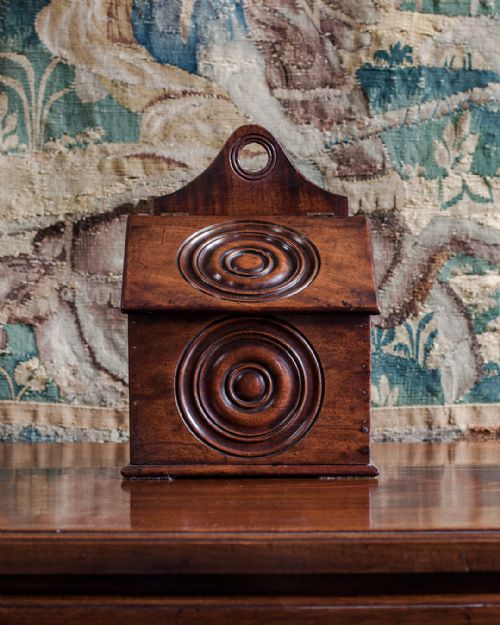
Carving and turning define the ornamentation, utilising gouges and chisels to create relief patterns, moulded edges, and sculptural forms. Brass fittings, including hinges, escutcheons, and occasional wire inlay, frequently accent the timber construction.
The listings show items spanning the 17th, 18th, and 19th centuries, utilising woods like oak, mahogany, rosewood, and fruitwood.
Judging Quality
Quality rests upon the crispness of the carving and the selection of figured timber grains. Superior examples exhibit harmonious proportions, tight joinery, and well-preserved surface patination developed through age.
Interior fittings and original hardware separate standard containers from finer productions. Complete internal compartments, such as tea canisters or candle boxes, elevate the integrity of the piece.
The Georgian Carved Wood Box Glossary
- Coffer
- A large wooden chest used historically for storage of valuables and textiles. These often feature panelled construction and sturdy oak timbers.
- Teapoy
- A small stand or box designed specifically to hold tea caddies and loose tea leaves. They frequently stand upon a single pillar or dedicated legs.
- Treen
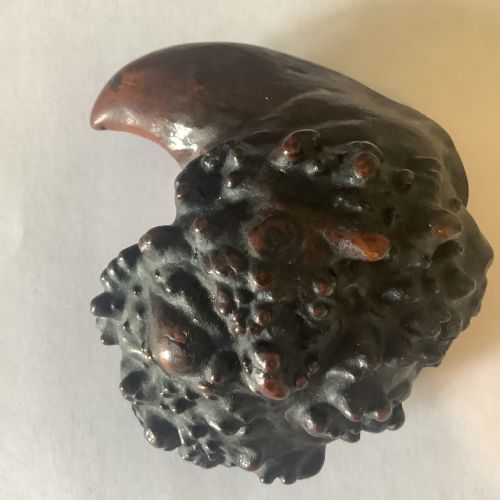
- Small handmade wooden domestic objects fashioned by turning or carving. This category includes items such as snuff boxes, nutmeg graters, and small containers.
- Snuff Box
- A small pocket-sized container designed to hold powdered tobacco. Examples in this category often display intricate carving, brass pique work, or figural shaping.
Georgian Carved Wood Box: Frequently Asked Questions
What were tea caddies used for?
Tea caddies served to store expensive tea leaves securely under lock and key during eras when tea was a costly luxury commodity.
Inside, compartments separated different varieties of tea, often featuring lead linings or glass bowls for mixing.
How do I care for antique wood boxes?
Keep these wooden boxes away from direct sunlight and rapid temperature fluctuations to prevent the timber from warping or splitting.
Apply occasional applications of traditional beeswax to nourish the grain and maintain the protective surface sheen.
What is a mule chest?
A mule chest combines the deep storage capacity of a traditional coffer with one or more lower drawers built into the base.
This hybrid form emerged as makers sought easier access to stored linens without needing to remove items piled on top.
How can I tell the period of a box?
Examine the construction methods, tool marks, and wood species, as 18th-century pieces frequently utilise solid oak or walnut with hand-cut joinery.
Later Regency and 19th-century examples often introduce mahogany veneers, brass inlay, and machine-sawn components.