
Georgian Carved Server
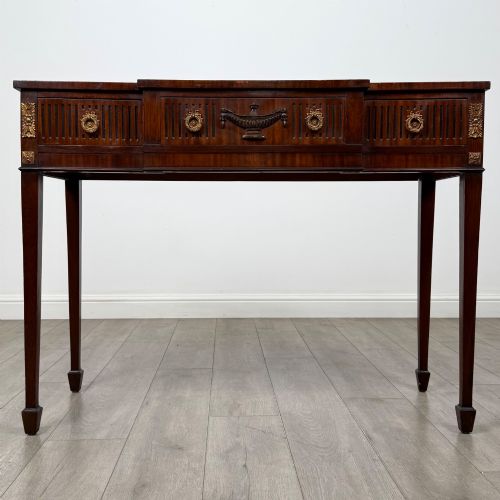
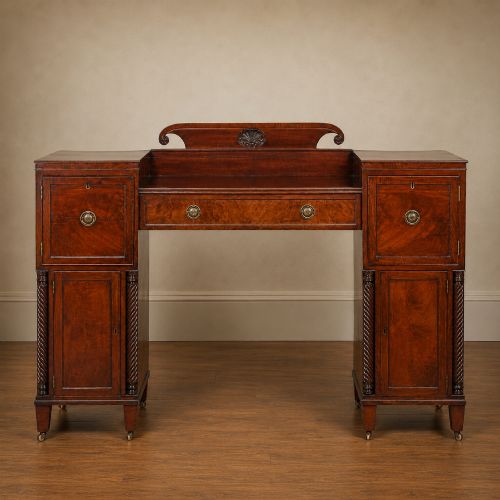
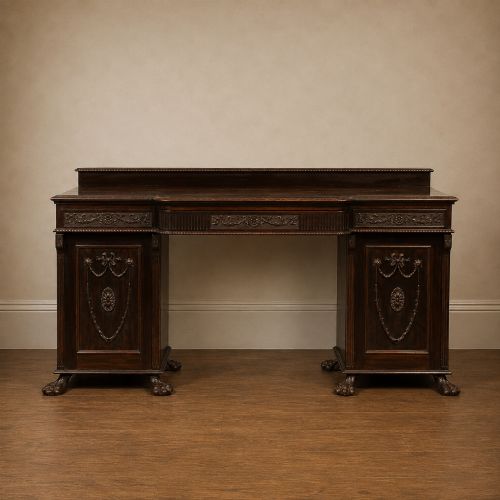
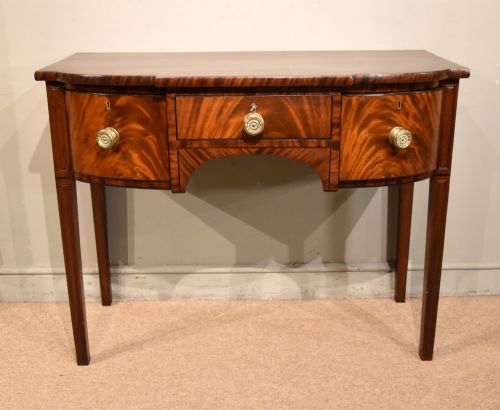
A georgian carved server is a sturdy timber piece designed for dining rooms, bringing historic presence and practical surface space to any interior.
Georgian Carved Server
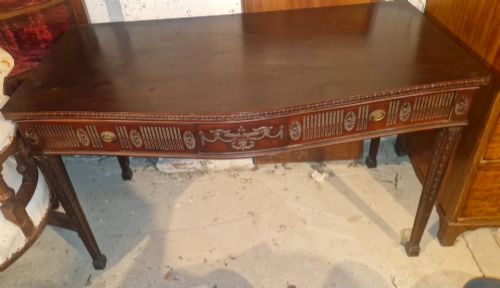
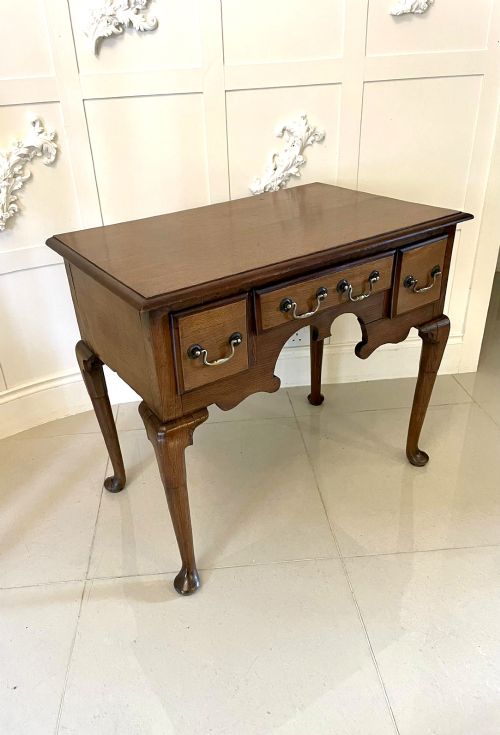
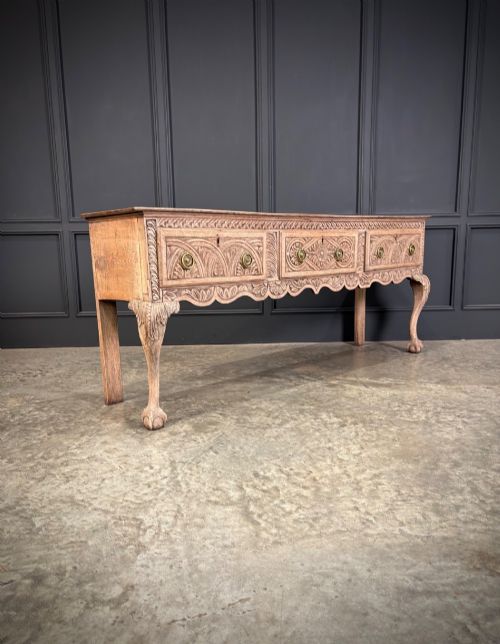
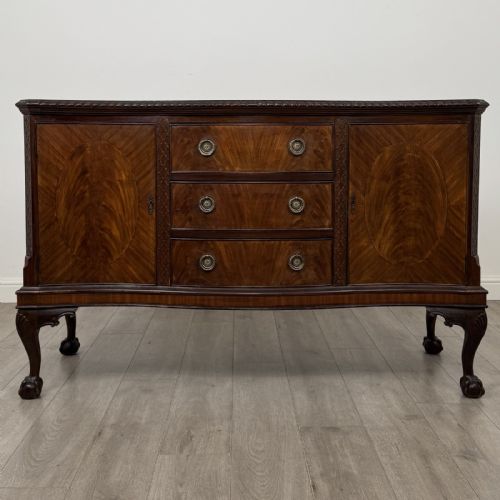
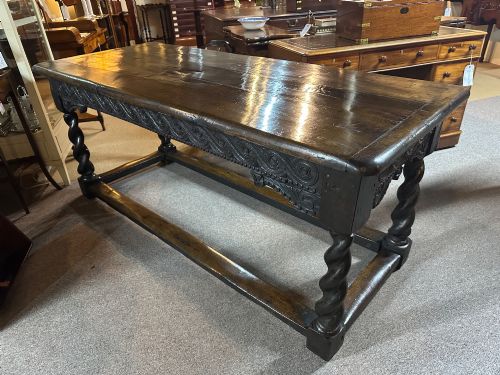
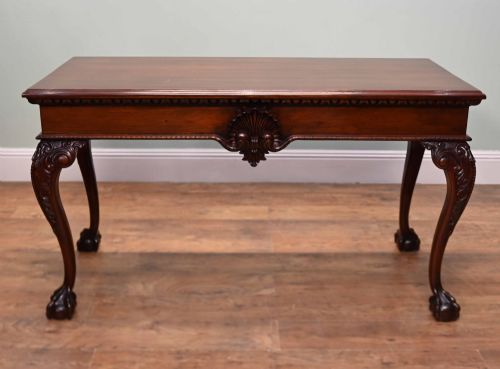
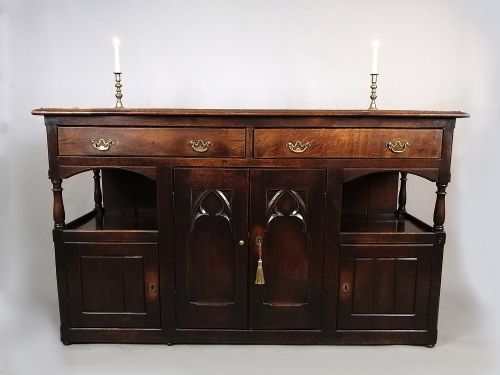
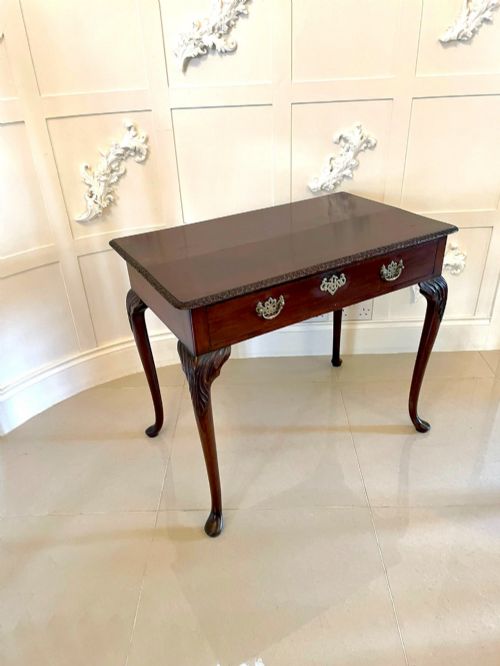
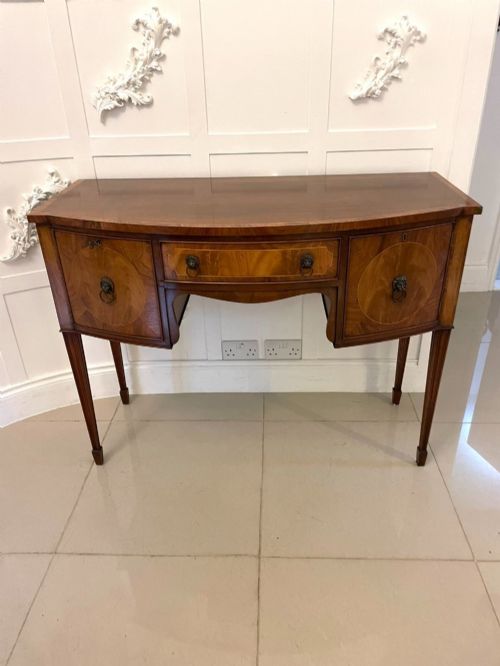
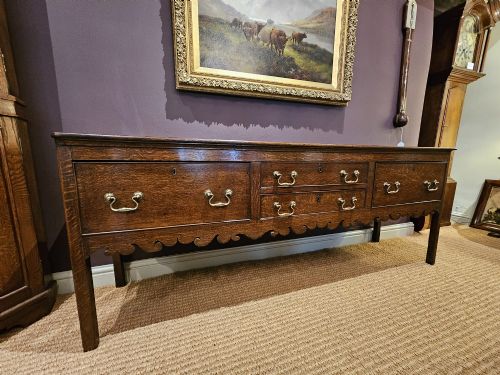
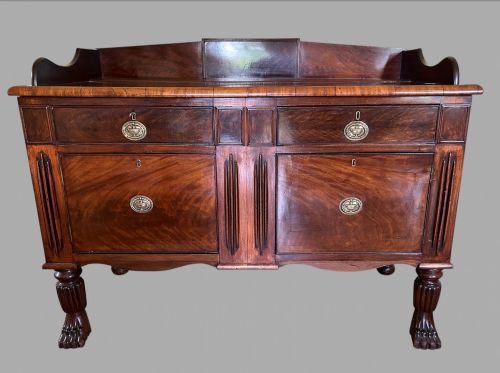
A georgian carved server appears across multiple forms in the current selection, primarily manifesting as sideboards, console tables, serving tables, and dresser bases. These items span periods from the eighteenth century through the nineteenth and twentieth centuries, encompassing Georgian, Regency, and Edwardian eras.
The most frequently encountered examples in this category are constructed from oak or mahogany, often reflecting distinct stylistic influences such as George II, George III, and Chippendale. Buyers looking for a georgian carved server will find both formal dining room sideboards and simpler country house serving tables.
Origins vary between formal urban workshops and regional cabinet makers, resulting in diverse decorative schemes from plain geometric moulding to detailed carving. Each piece retains the primary function of surface display and storage associated with period dining spaces.
Materials and Construction
Makers constructed a georgian carved server predominantly using solid timbers such as mahogany, oak, and walnut, frequently selecting figured veneers like flame mahogany and burr walnut for primary surfaces. These woods were chosen for their durability and grain pattern, providing a stable carcass for daily use.
Secondary materials include brass for handles and hardware, alongside marble inserts on specific console and serving tables. Cabinet makers employed traditional joinery methods, incorporating dovetailed drawers and panelled construction to ensure the structural integrity of each dresser base and sideboard.
Listings feature oak, mahogany, walnut, burr walnut, and flame mahogany alongside brass and marble elements.
Distinctions in Execution
The degree of refinement in the timber selection and the crispness of the carved ornamentation separate standard examples from finer works. Superior pieces exhibit carefully matched grain patterns on flame mahogany or burr walnut surfaces, alongside deeply undercut carving that retains sharp contours.
Construction details also dictate the standing of a piece, with well-executed drawer linings, solid backboards, and original brass hardware indicating superior workshop origin. Proportion and balance in the legs, whether cabriole, tapering, or pedestal, further define the visual success of the server.
The Georgian Carved Server Glossary
- Dresser base
- A lower storage unit featuring drawers and sometimes cupboards beneath a flat top, historically used in kitchens and dining rooms. These pieces lack the upper plate rack.
- Flame mahogany
- A veneer cut from timber where the grain creates a flickering, flame-like pattern across the surface. Cabinet makers utilised this figure on prominent drawer fronts and doors.
- Console table
- A table designed to stand against a wall, frequently supported by brackets or legs at the front. They often feature marble tops or carved aprons.
- Pedestal sideboard
- A dining room storage form featuring central cupboard space flanked by distinct pedestal columns or cupboards. This layout became prominent during the Regency period.
Georgian Carved Server: Frequently Asked Questions
What is a georgian carved server used for?
A georgian carved server provides a stable surface for holding dishes and serving food during meals. In modern interiors, they function effectively as sideboards or hall tables for display.
Their substantial timber construction and drawer space also offer practical storage for household items and dining accessories.
How do I identify a Georgian piece?
Authentic Georgian items display timber species typical of the eighteenth century, primarily oak and mahogany, worked with traditional hand tools. Look for pegged joints, hand-cut dovetails, and period-appropriate decorative motifs like Chippendale carving or geometric moulding.
Construction methods and timber shrinkage over centuries provide reliable indicators of age.
Where should I place a server?
These pieces suit dining rooms, living spaces, and wide hallways where their depth can be accommodated against a flat wall. Placing them away from direct heat sources protects the timber and veneer from cracking.
Pairing a server with a mirror or lighting creates a focal point in a room.
What distinguishes oak from mahogany?
Oak offers a visible open grain and a heavy, durable structure associated with earlier country house furniture. Mahogany provides a smoother, reddish-brown surface that takes a fine polish and suits more formal urban designs.
Both woods were utilised extensively across different stylistic periods.