
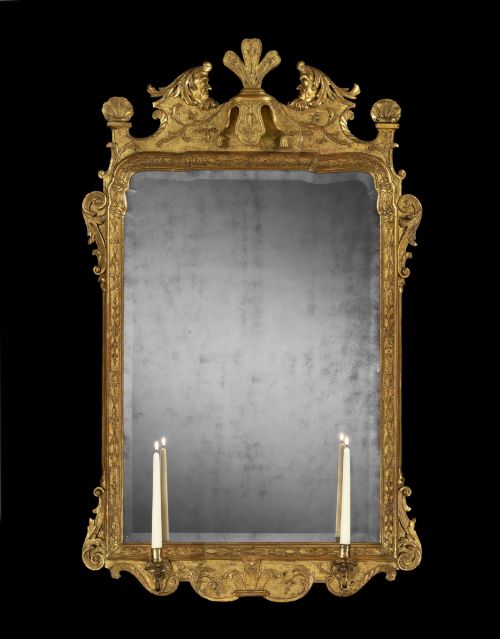

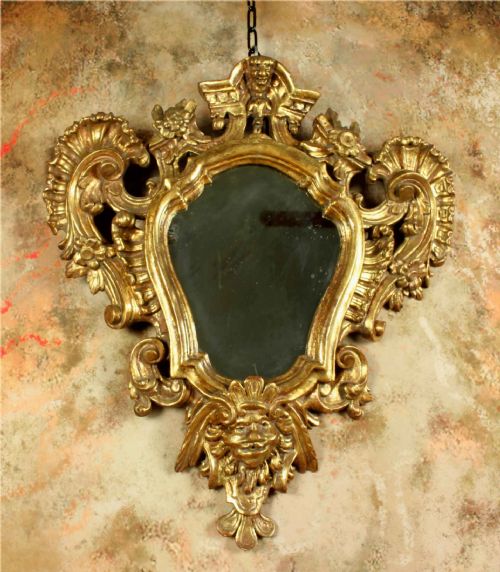
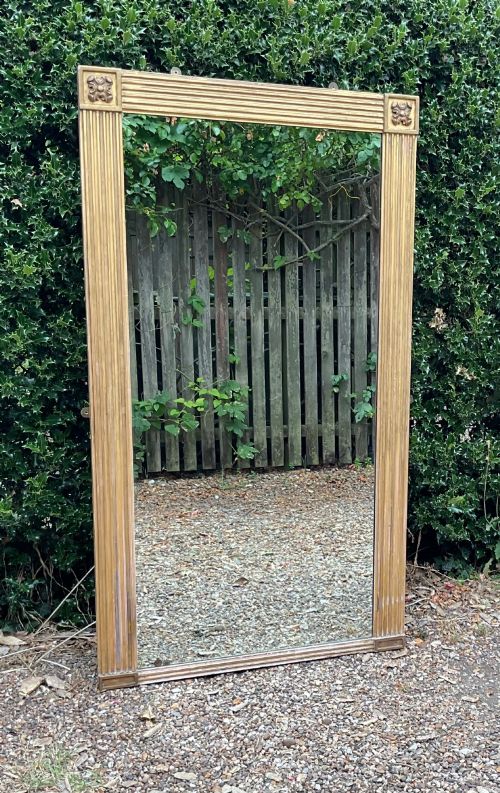
Georgian Carved Mirror Frame
A georgian carved mirror frame brings warmth and depth to a room, catching the light across centuries of craftsmanship.
Georgian Carved Mirror Frame
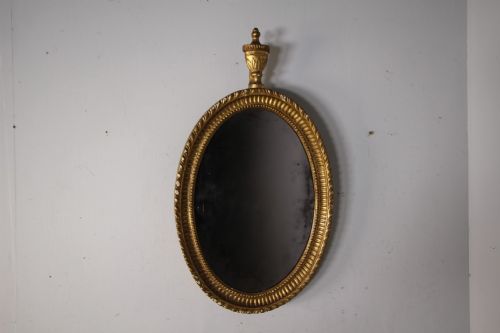
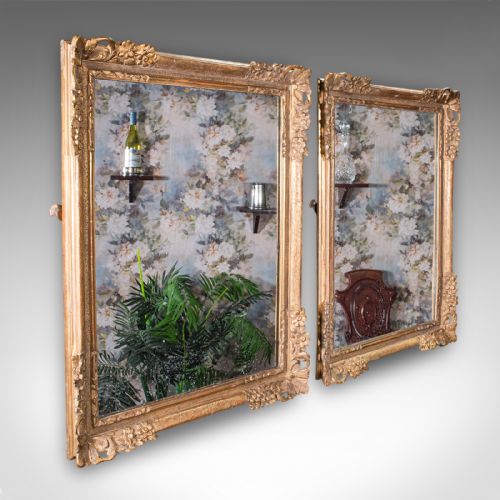
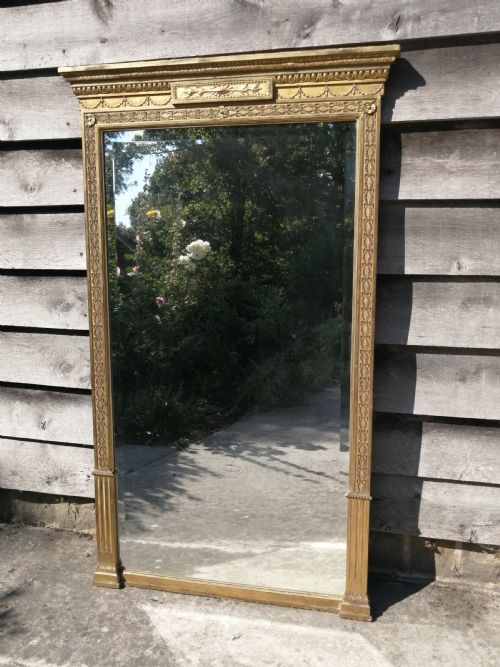
When you search for a georgian carved mirror frame, you encounter wall mirrors, overmantels, pier mirrors and convex glasses designed to hang in principal rooms. These pieces originate across the eighteenth century, the Regency period, and later revival eras.
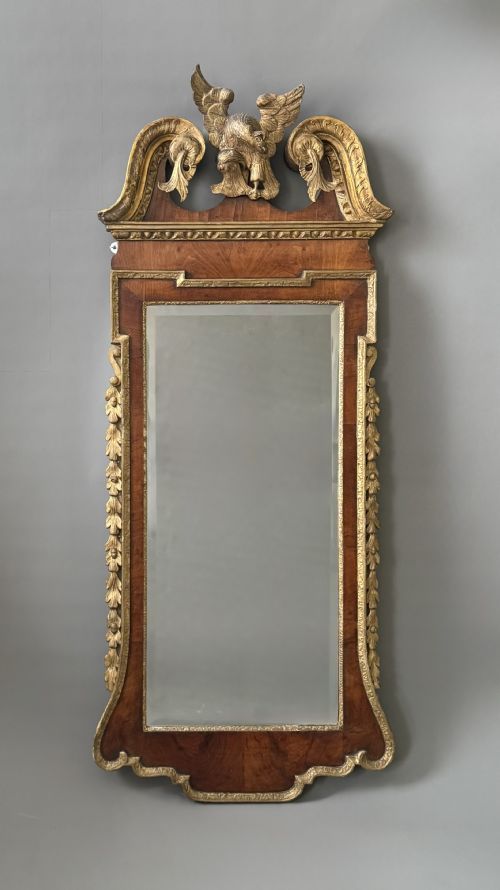
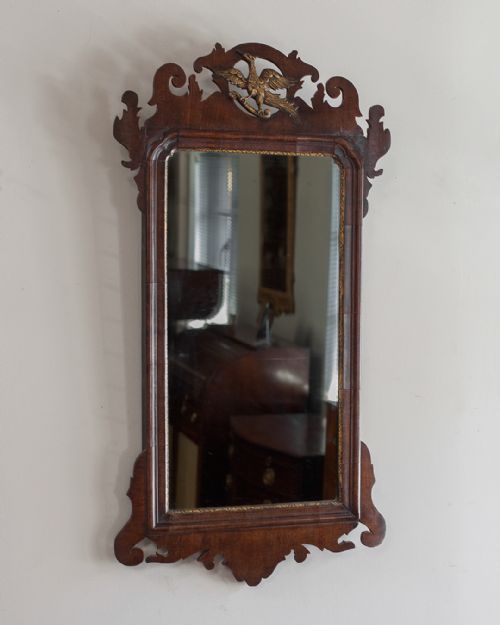
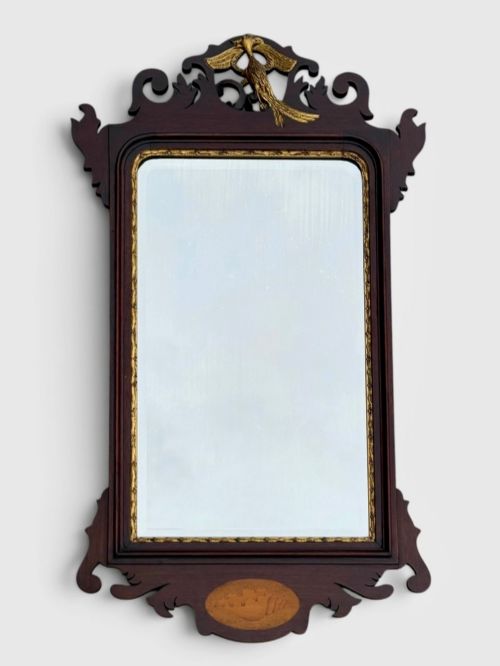
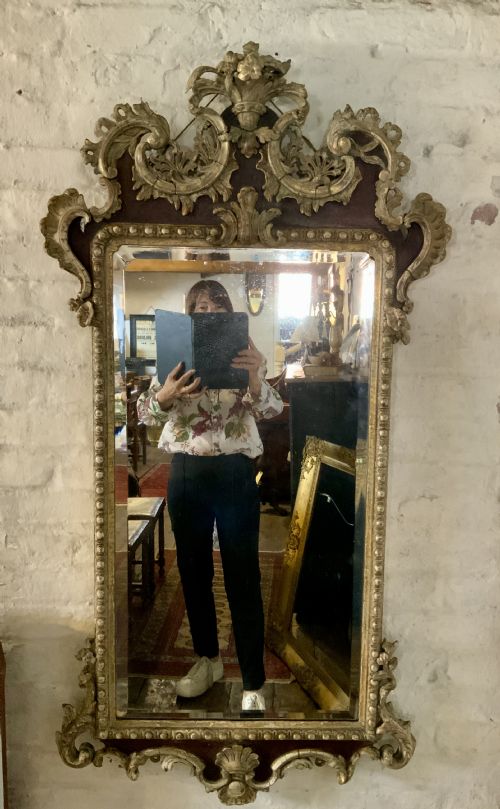
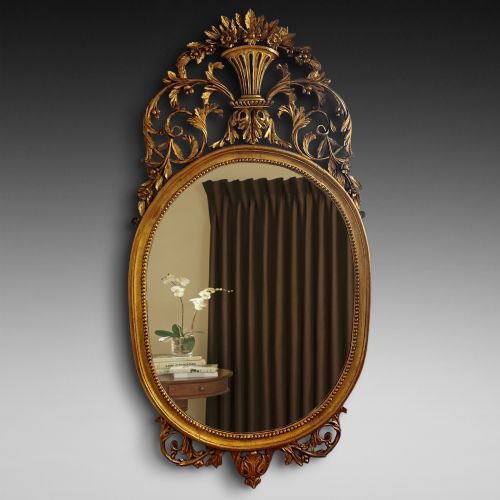
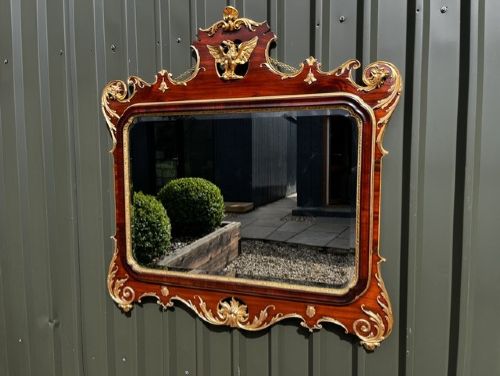
The most frequent examples are walnut and mahogany fret-cut wall mirrors alongside heavily gilded gesso and giltwood pier mirrors. They range from small, intimate dressing mirrors to large overmantels intended for the chimney breast.
Makers of the eighteenth and nineteenth centuries drew on Rococo, Neoclassical and George III design idioms. Many surviving pieces reflect later revivals from the nineteenth and early twentieth centuries.
Materials and Construction
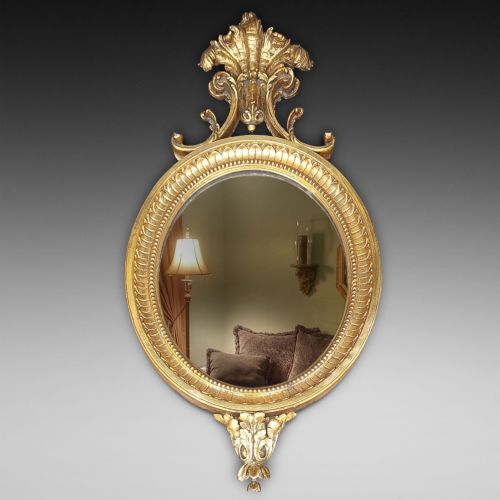
Carvers shaped frames from timbers such as mahogany and walnut, often applying parcel gilding to highlight specific carved details. Giltwood and gesso frames required layers of chalk preparation on wood before receiving gold leaf.
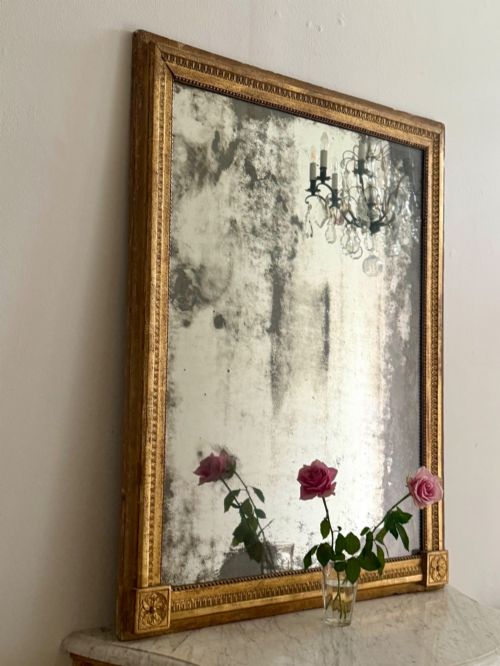
Glass plates were silvered using mercury techniques in earlier periods, producing characteristic foxing and deep reflection over time. Joinery on wooden frames relied on traditional pegged mortise and tenon joints, whilst fretwork panels were sawn from single boards.
Some convex mirrors feature watchful dragons guarding the glass from domestic spirits.
Assessing Quality and Hand
The crispness of the hand-carved detail distinguishes superior work from later mechanical output, particularly in intricate motifs like ho-ho birds, foliage and scrolls. The depth of the gesso relief and the preservation of original gilding reveal the original status of the object.
Original mirror plates with foxed mercury glass impart a softer reflection compared to modern replacement glass. The choice of finely figured timbers, such as burr walnut or rich mahogany, underpins the architectural presence of the frame.
William Kent·John Belchier
The Georgian Carved Mirror Frame Glossary
- Giltwood
- Wood carved and coated with gold leaf over a prepared surface. This finish defined formal reception rooms.
- Gesso
- A plaster mixture applied to wood frames to build up surfaces for carving and gilding. It allowed crisp ornamentation before the application of gold leaf.
- Fret mirror
- A wall mirror with a shaped, pierced wooden outline, often associated with mahogany frames of the eighteenth century. The fretwork was cut using a scroll saw.
- Convex mirror
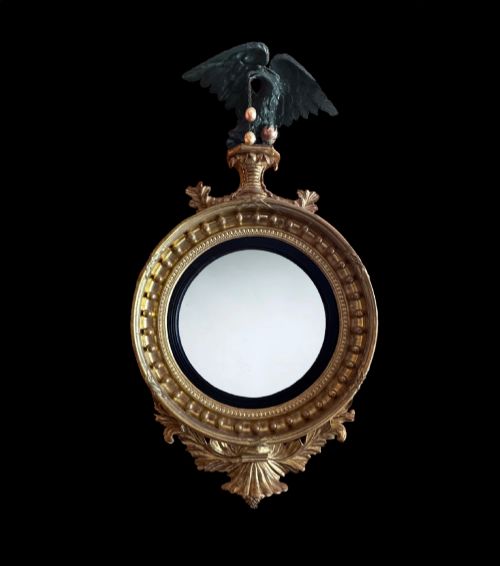
- A round mirror with a curved glass plate that reflects a wide-angle view of the interior. These pieces frequently incorporate ball-stud frames and eagle crests.
- Parcel gilt
- Partially gilded woodwork where gold leaf accents specific carved details against a contrasting wood or painted background.
Georgian Carved Mirror Frame: Frequently Asked Questions
How do I hang a heavy antique mirror safely?
Heavy frames require secure wall fixings distributed across the weight-bearing points of the timber backboards. Professional mirror hangers utilise suitable wall anchors matched to brick or lath-and-plaster construction.
Check that the original hanging loops or chains remain structurally sound before mounting the frame. Many period pieces benefit from additional lower support brackets to take the downward load.
Are original mirror plates common?
Original mercury glass plates survive in numerous eighteenth-century examples, identifiable by their mottled foxing and greyish reflection. These plates show age-related oxidation rather than uniform modern clarity.
Many mirrors received replacement glass during their working life when earlier plates degraded. Original plates enhance the historical integrity of the piece.
How do I clean a gilded frame?
Giltwood and gesso surfaces require gentle dusting with a soft, dry brush to remove accumulated particles. Moisture damages fragile gold leaf and historical gesso layers.
Avoid chemical cleaning products and modern polish entirely. Professional conservators should handle any structural repairs or flaking surface areas.
What is a pier mirror?
Pier mirrors were designed specifically to hang on the wall space between two windows, known as the pier. They frequently paired with pier tables placed below them.
These vertical mirrors reflected additional light back into darkly panelled rooms. Their proportions tend to be tall and narrow to fit the architectural gap.