
Georgian Carved Leg Table
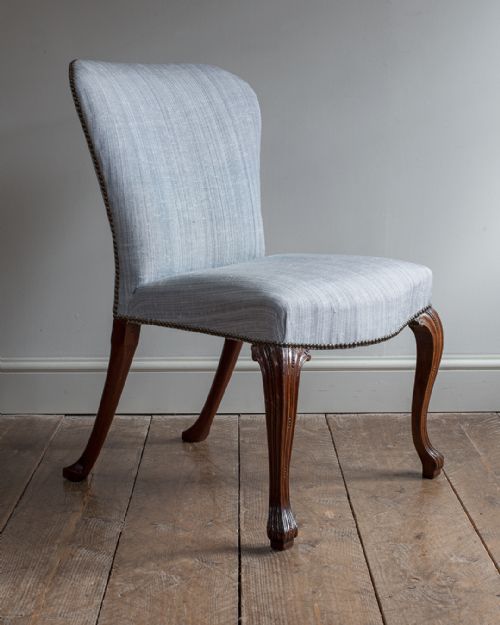
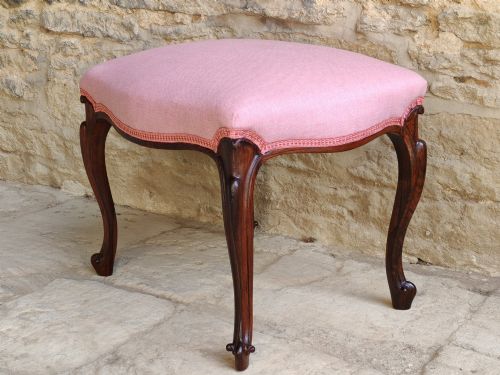
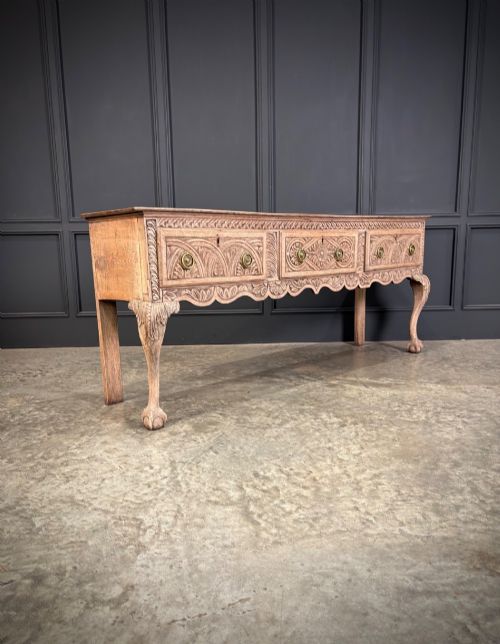
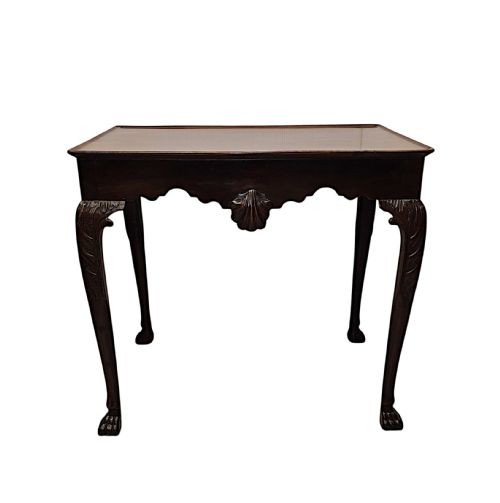
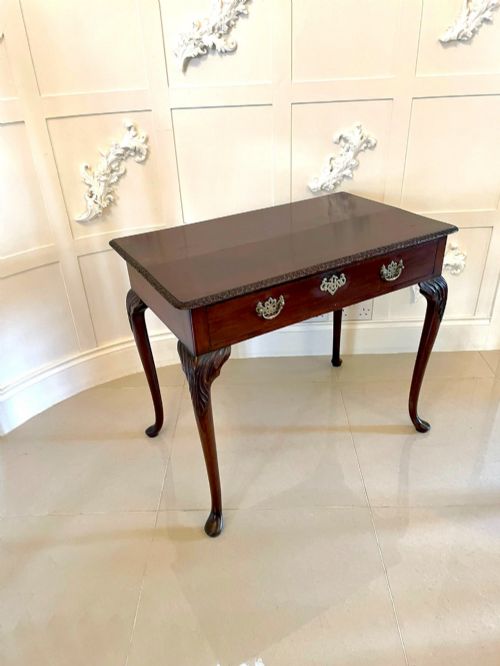
A georgian carved leg table brings robust eighteenth-century craftsmanship and warm timber tones straight into a modern interior.
Georgian Carved Leg Table
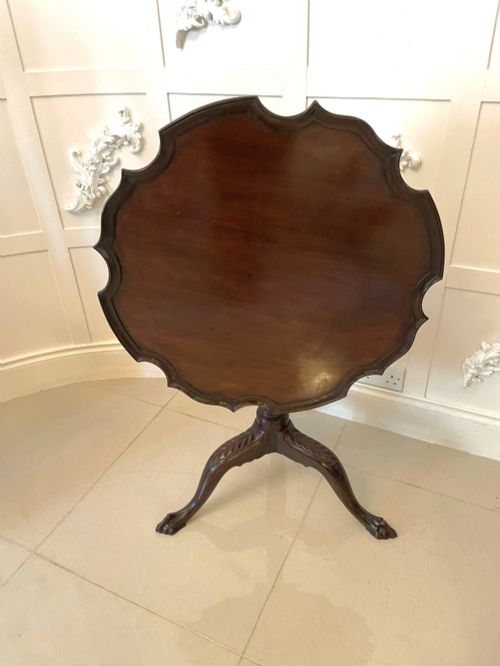
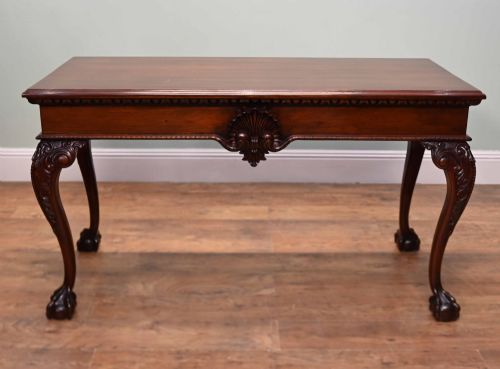
A georgian carved leg table encompasses diverse practical forms including side tables, lowboys, card tables, and occasional tripod pieces designed for everyday domestic utility. Buyers encounter authentic eighteenth-century examples alongside later revival pieces produced through the Edwardian era and into the 1930s.
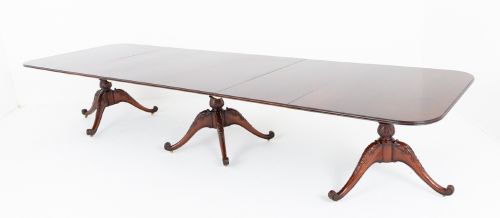
The selections span distinct regional outputs and formal dining or serving formats, anchored by sturdy oak, rich mahogany, and figured walnut timbers. These versatile furnishings served for writing, card playing, and display, fulfilling the same functional roles today.
Materials and Construction
Cabinet makers utilised dense hardwoods such as oak, mahogany, and burr walnut, often pairing primary timber frames with secondary woods for internal drawer linings. Surfaces frequently incorporate applied brass hardware, tooled leather writing inserts, or textile baize for gaming surfaces.
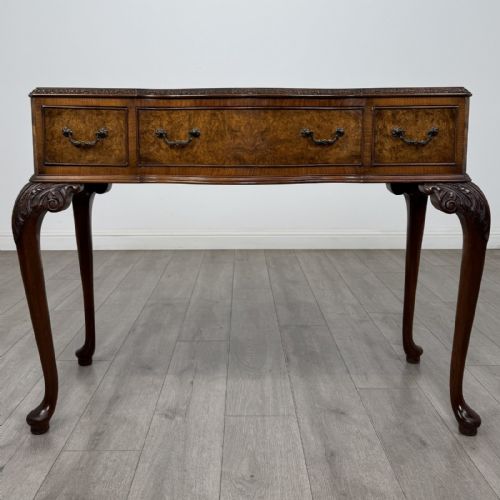
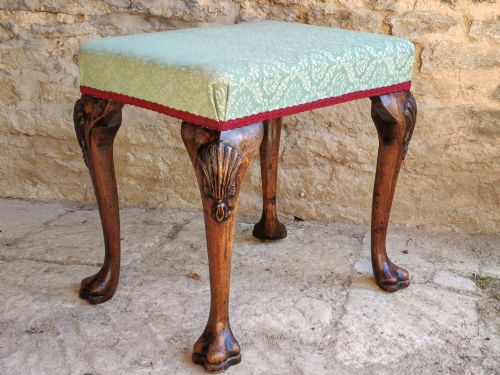
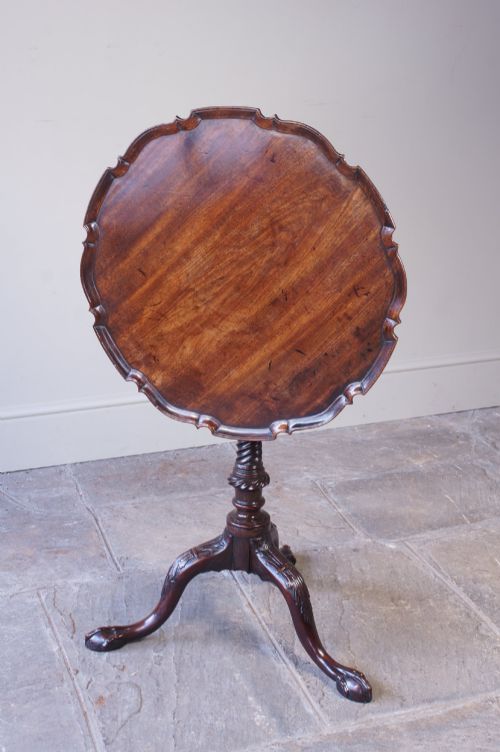
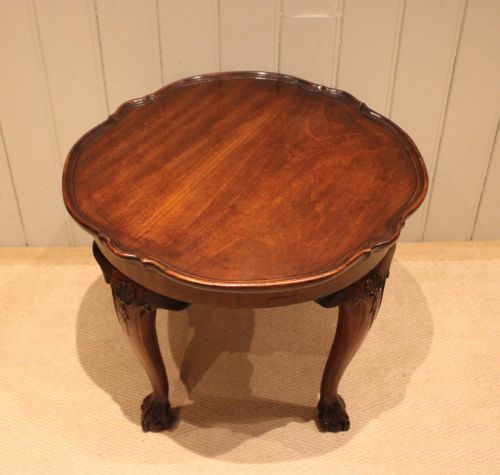
Joinery relied on traditional mortise and tenon frames alongside dovetail drawer construction, supporting heavy carved cabriole legs and tripod bases. Hand carving adorned knees, borders, and rims with motifs like pie crust edging and intricate shaping.
Listings feature solid oak, mahogany, and burr walnut constructions spanning the eighteenth century through to 1930.
Assessing Excellence
Distinctions in quality rest on the crispness of the hand carving, the depth and figuring of the timber grain, and the integrity of the underlying frame construction. Pieces displaying harmonious proportions and original surface patination command greater appreciation among collectors.
The refinement of leg profiles, from slender cabriole shapes to tripod urn supports, separates standard utility pieces from those fashioned for formal reception rooms. Subtle details like concertina actions on card tables reveal superior mechanical execution.
Giles Grendey
The Georgian Carved Leg Table Glossary
- Lowboy
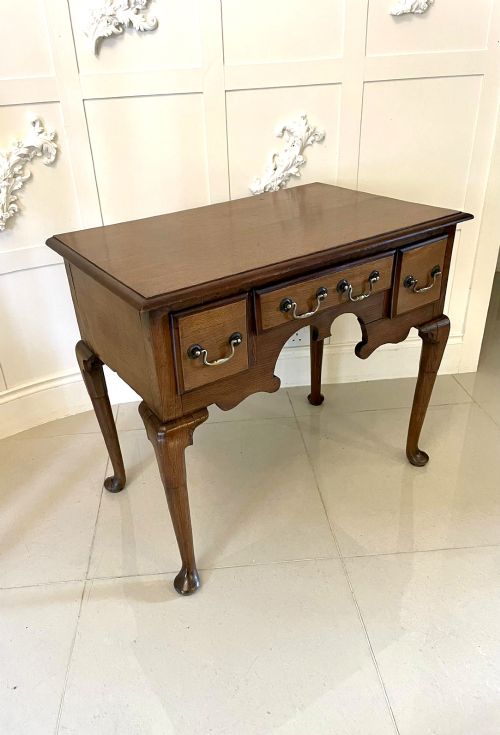
- A small table with drawers, raised on four tall legs and resembling the lower section of a highboy. These pieces served variously as dressing tables or sideboards in period homes.
- Pie crust
- A raised, carved decorative border around the circular top of a small table, resembling the fluted edge of a pastry crust. It appears frequently on eighteenth-century tripod tea and supper tables.
- Tripod table
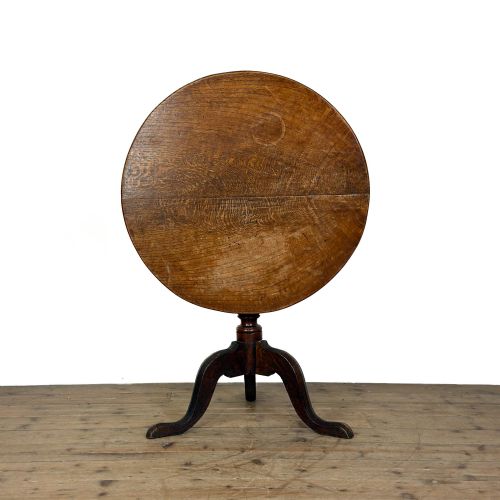
- A small freestanding table supported by a central pillar resting on three spreading legs. Many examples feature a tilt-top mechanism for convenient wall storage.
- Concertina action
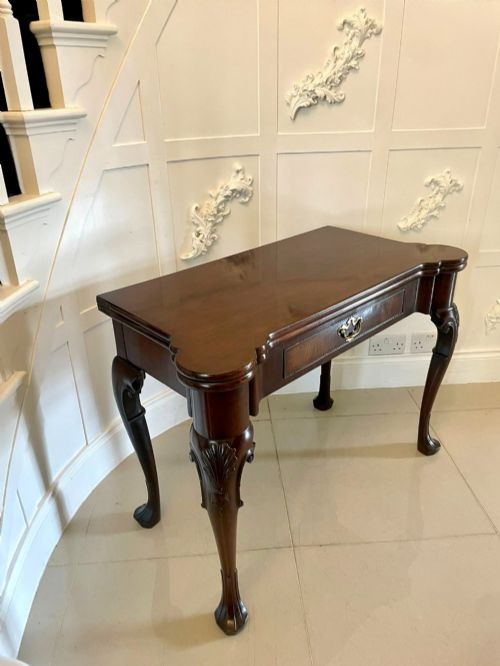
- An expanding frame mechanism utilised on folding card tables to support the open top evenly. This complex engineering allows the rear legs to move outward symmetrically when opened.
Georgian Carved Leg Table: Frequently Asked Questions
How do I date a georgian carved leg table?
Examination of timber species, construction methods, and tool marks provides the primary evidence for dating. Eighteenth-century examples display hand-cut joinery and period-specific secondary woods.
Revival pieces from the Edwardian period or the 1930s often incorporate machine-cut elements or softer secondary timbers while closely imitating earlier styles.
What were lowboys used for originally?
A lowboy served multiple domestic functions in the eighteenth-century home, acting as a dressing table in a bedroom or a serving table in a parlour. The integrated drawers kept small personal items or linens close to hand.
Today, these compact tables function effectively as writing desks or hallway accent pieces.
Are tripod tables stable enough for daily use?
The three-legged design offers natural stability on uneven historical floors because all three contact points remain firm. The central pillar distributes weight evenly across the spreading feet.
Care should be taken when placing heavy objects near the extreme edges of tilt-top variations.
How should I care for mahogany and walnut surfaces?
Regular dusting with a dry, soft cloth prevents particulate accumulation on polished timber surfaces. Application of traditional beeswax helps nourish the wood and maintain its natural lustre.
Direct sunlight and extreme humidity fluctuations should be avoided to prevent timber movement or fading.