




Georgian Cake Stand
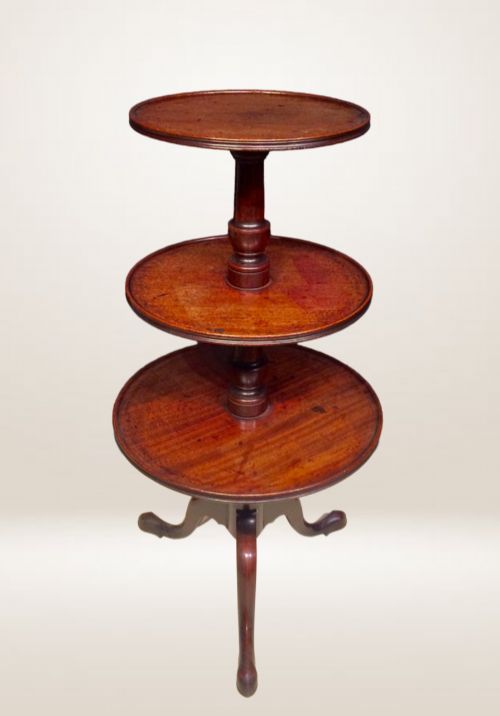
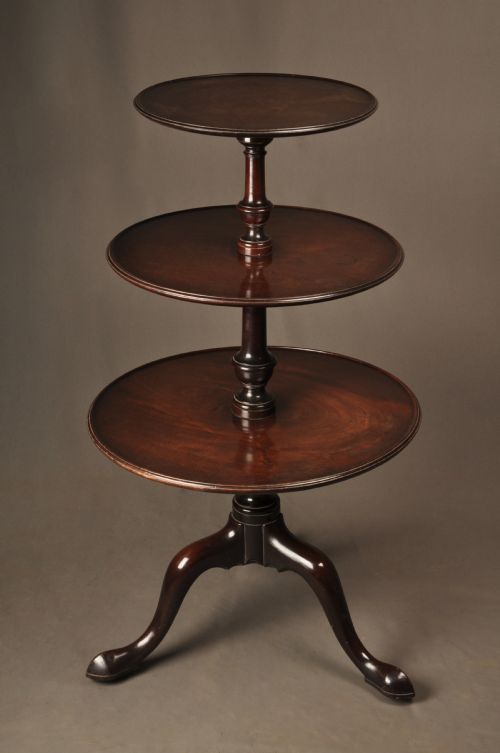
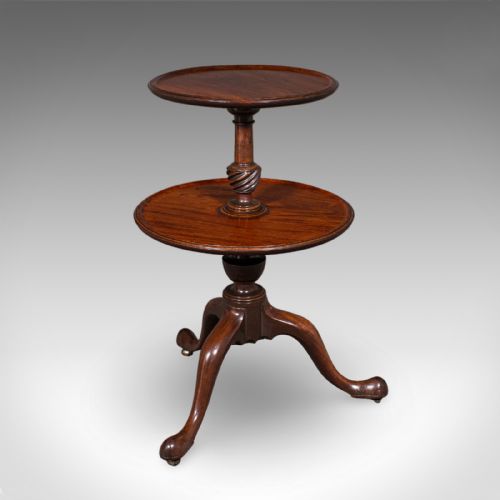
These georgian cake stand pieces combine multi-tiered mahogany serving tables and glass tazzas designed to present food with elegance.
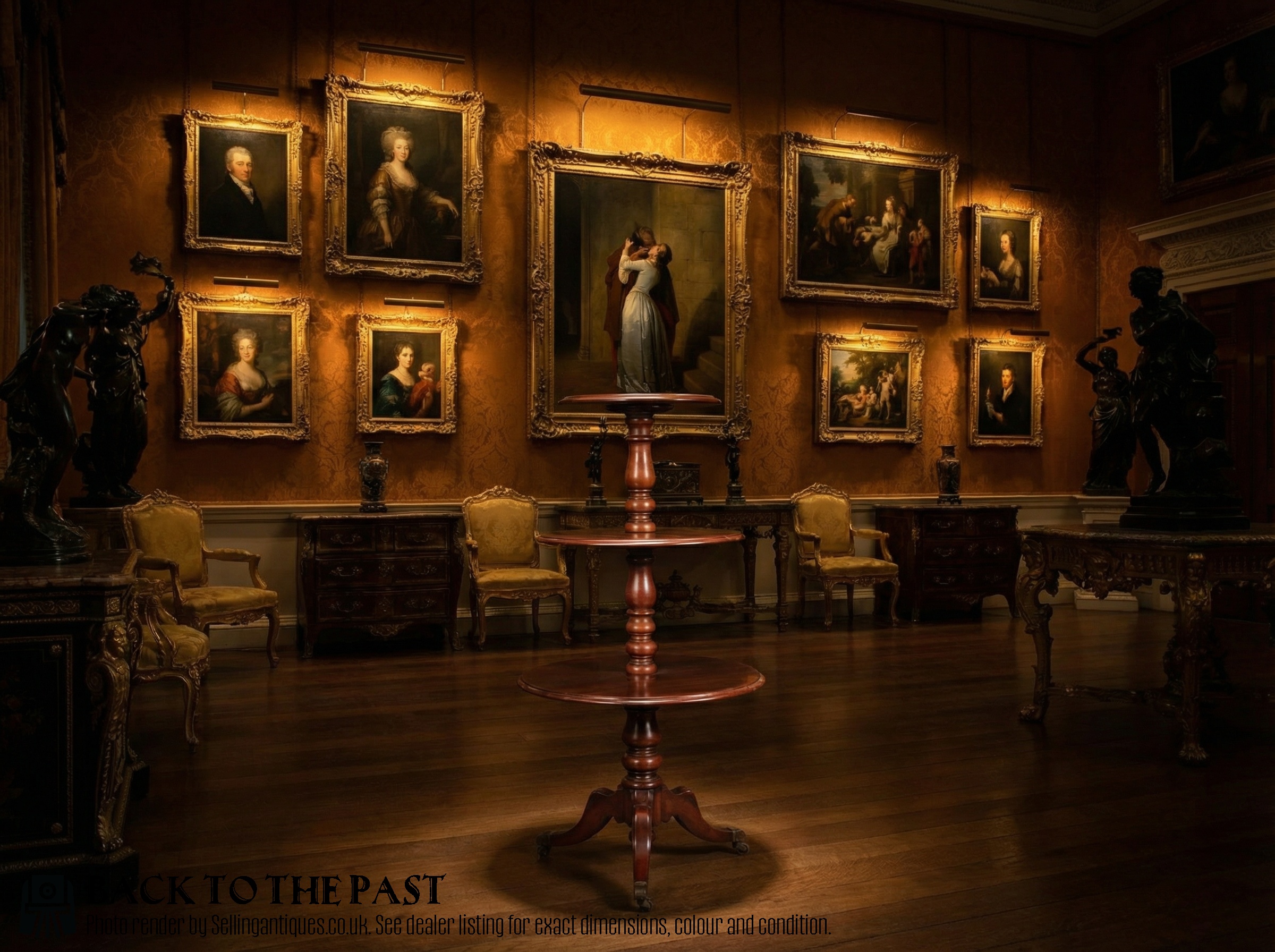
Georgian Cake Stand
When you search for a georgian cake stand, you encounter a distinct group of serving pieces primarily spanning the eighteenth century and the Regency period, encompassing multi-tiered dumb waiters and elevated glass tazzas. These objects served dining and drawing rooms as practical servers for food and afternoon tea before evolving into decorative accent tables.
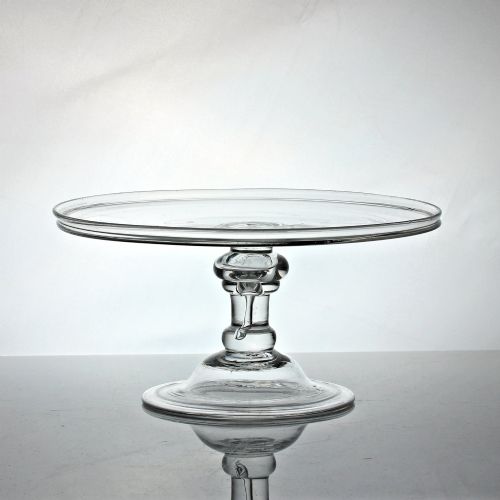
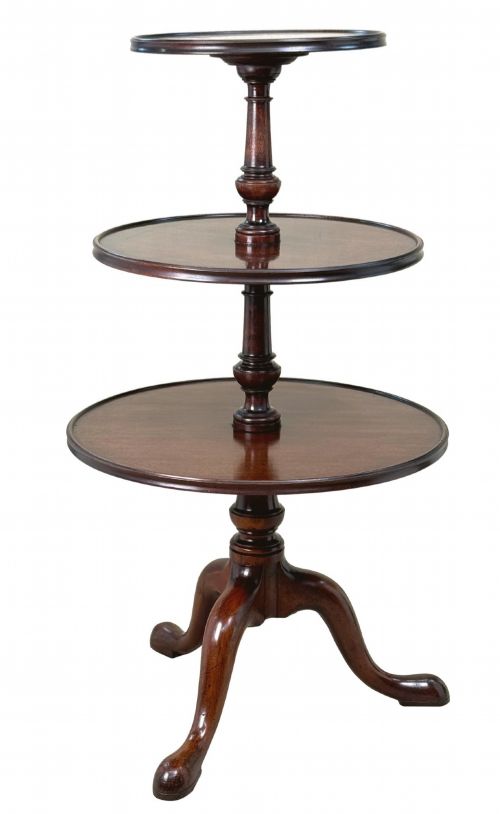
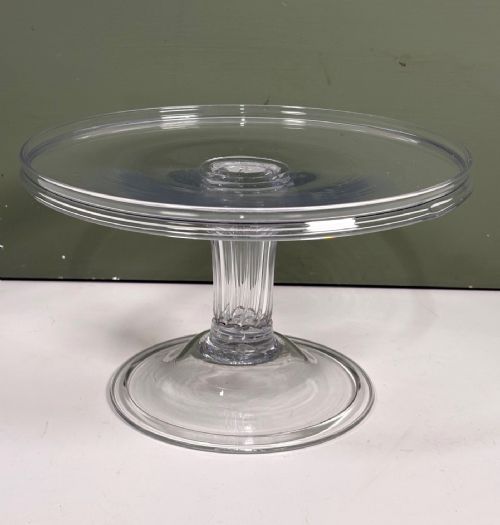
The most common forms on this page include circular mahogany dumb waiters featuring two or three revolving tiers supported on tripod pedestals, alongside clear glass and lead crystal tazzas with spreading folded feet. Occasional variants include brass pedestal table platters, folding tiers, and transfer pottery pieces.
What varies in quality
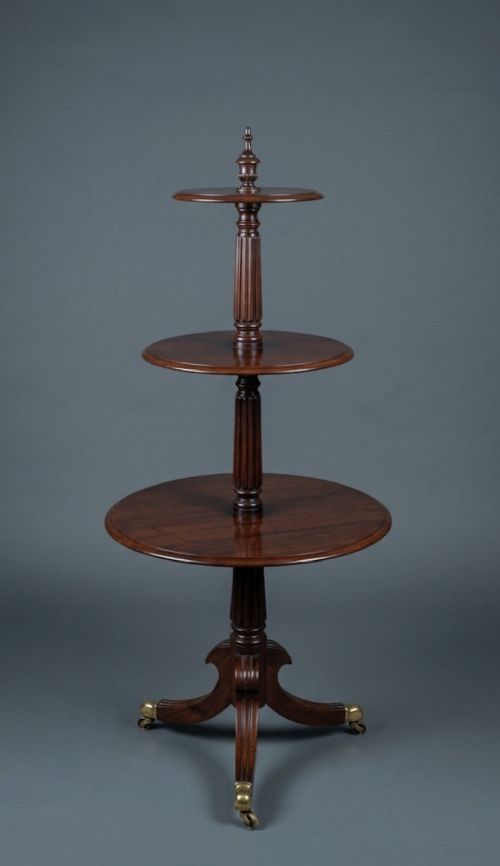
Proportions and timber choice separate standard examples from finer pieces, particularly in the graduation of tiered mahogany discs and the crispness of turned baluster stems. Superior dumb waiters display balanced revolving mechanisms and substantial brass castors beneath original tripod bases.
Glass examples depend on clarity, weight, and the presence of hand-blown traits such as folded feet and baluster knops. The integration of decorative elements, including later surface decoration or transfer printing on pottery tazzas, influences the character of each piece.
Object forms range from revolving three-tier dumb waiters to blue and white transfer pottery tazzas.
Spode·Gillows
The Georgian Cake Stand Glossary
- Tazza
- A low-footed pedestal plate or dish used for serving food or displaying items. Glass and pottery versions appear frequently.
- Dumb waiter
- A freestanding piece of furniture with multiple revolving circular tiers on a central column. It allowed diners to serve themselves without servants present.
- Baluster
- A moulded column or stem with a swelling contour, commonly found supporting glass tazzas and wooden pedestals. It provides both structural support and visual weight.
- Tripod pedestal
- A central pillar supported by three spreading feet or legs. This design ensures stability for multi-tiered serving furniture.
- Lead crystal
- A high-clarity glass containing lead oxide, used for heavy decorative tazzas and salvers. It offers greater weight and refractive brilliance than standard glass.
Georgian Cake Stand: Frequently Asked Questions
What is a dumb waiter used for?
These multi-tiered wooden stands held dishes, wine bottles, and afternoon tea items during formal meals. Guests or hosts rotated the circular shelves to reach food without needing household staff in the room.
Over time, these pieces transitioned into side tables, buffet servers, and display stands in drawing rooms and hallways.
How do I identify glass tazzas?
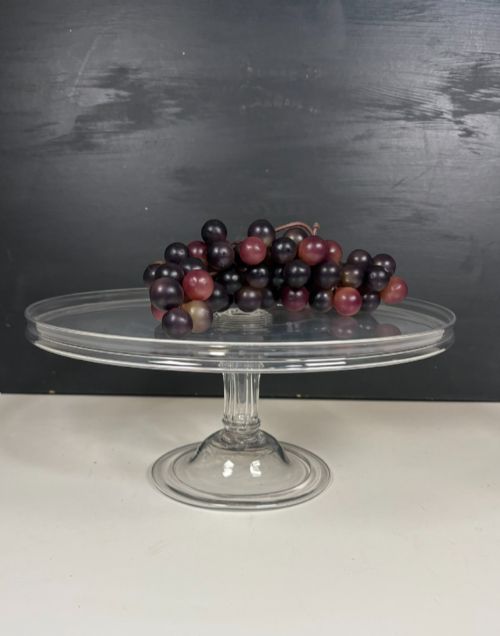
Glass tazzas feature a shallow bowl or flat top raised on a central stem and a spreading foot, often with a folded rim. They were designed to present cakes, fruit, and sweetmeats.
Look for lead crystal weight, baluster stems, and characteristic pontil marks underneath from hand-blown production.
What is the difference between tiers?
Dumb waiters commonly feature two or three graduating circular trays mounted on a single central pillar. The lower tiers are generally wider than the upper ones to maintain structural balance.
Some variants include folding mechanisms or revolving trays, allowing users to adjust the configuration for serving.
Where do I place these stands?
These pieces function well as accent tables, side tables, or display surfaces in living spaces and dining rooms. Their compact tripod bases allow them to fit into corners or beside seating.
Glass tazzas suit placement on sideboards or mantelpieces to display smaller decorative objects or serve as centrepieces.