


Georgian Caddy
A georgian caddy is a small, secure box designed for storing precious tea leaves, offering a tangible link to the domestic rituals of the eighteenth and nineteenth centuries.
Georgian Caddy
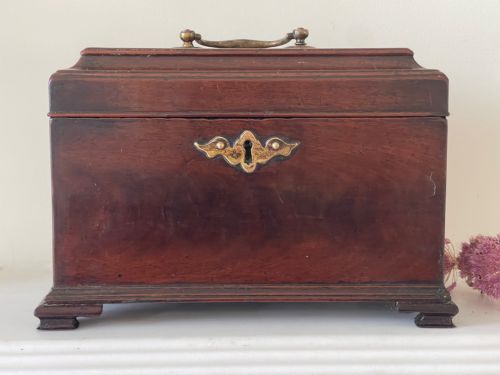
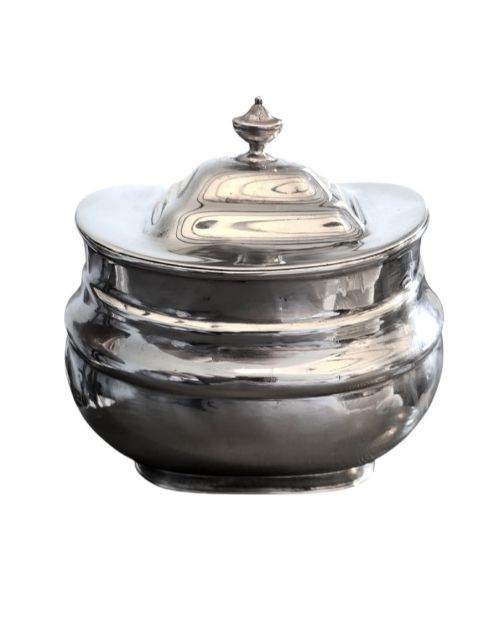
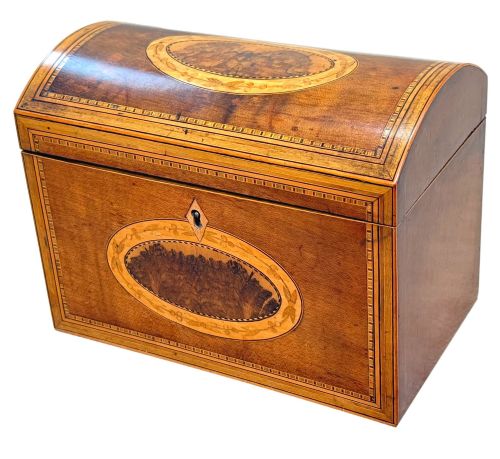
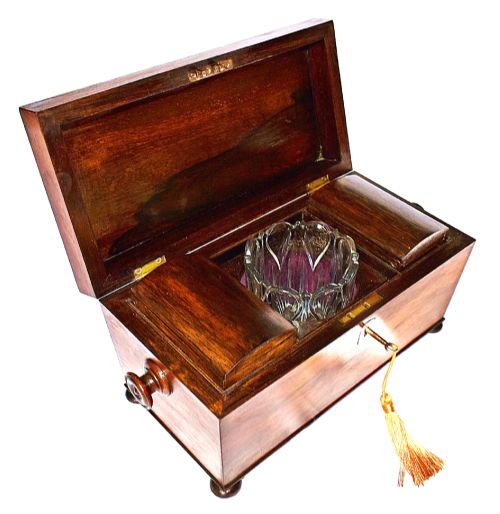
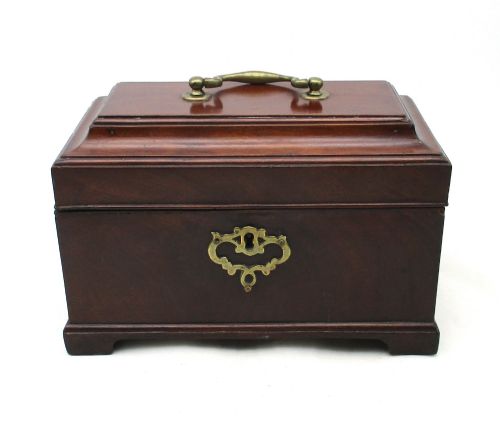
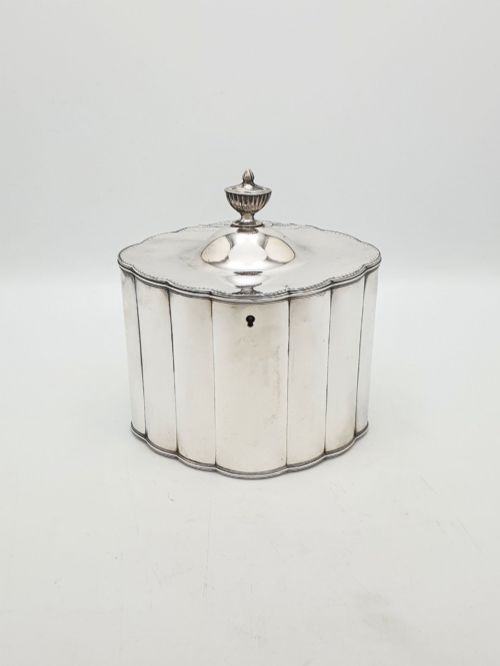
A georgian caddy encompasses wooden tea chests, ceramic tea canisters and silver boxes produced across the eighteenth and early nineteenth centuries. The pieces on this page span the Georgian, Regency and William IV periods, alongside later echoes in the styles of George II and George V.
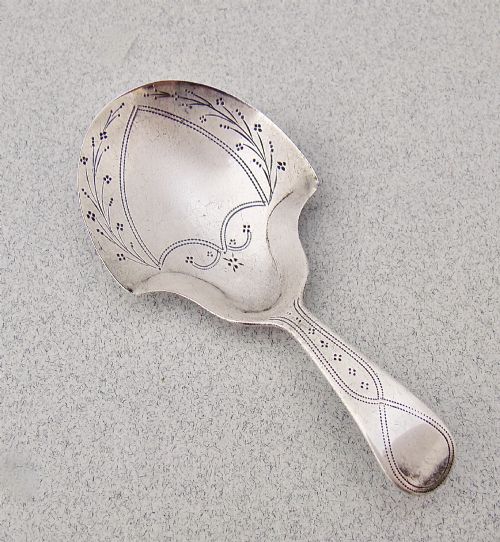
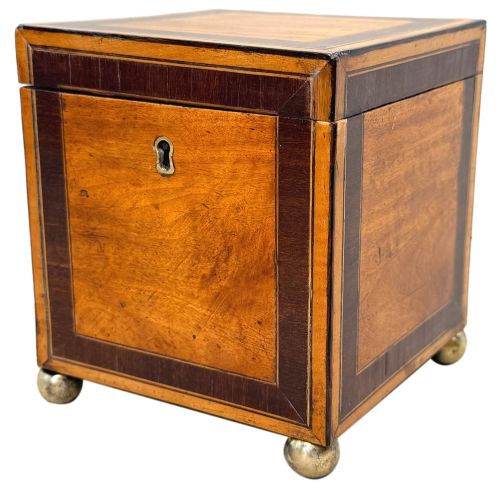
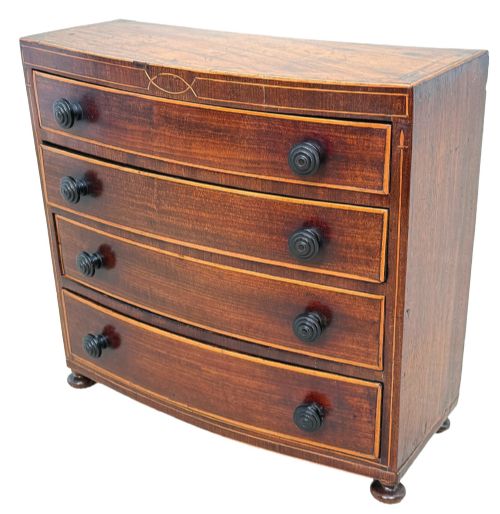
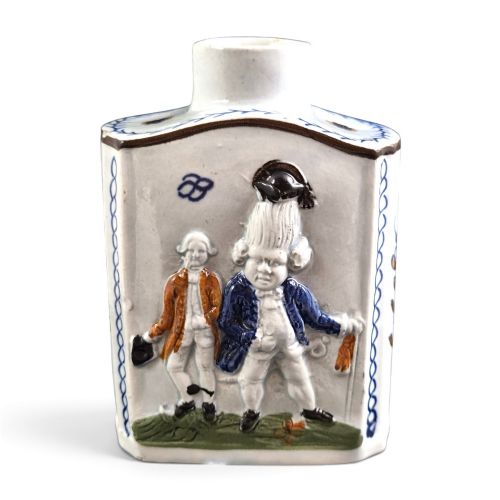
Wooden examples frequently present in mahogany, satinwood or rosewood, taking shapes from simple rectangular boxes to sarcophagus forms and bow-fronted designs. Ceramic tea canisters and silver boxes appear alongside these timber containers, sometimes accompanied by associated spoons.
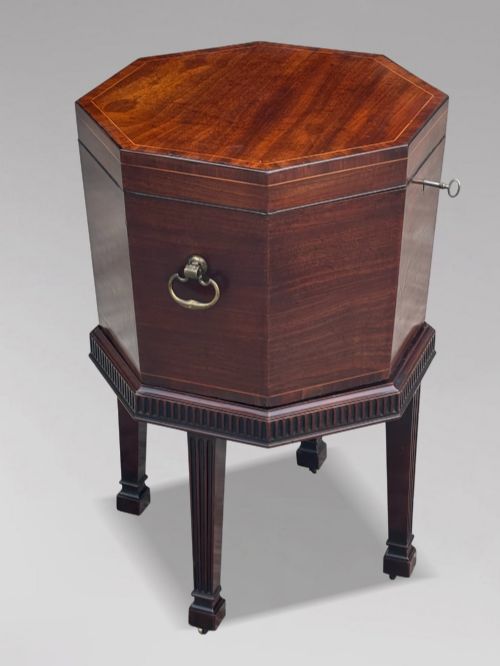
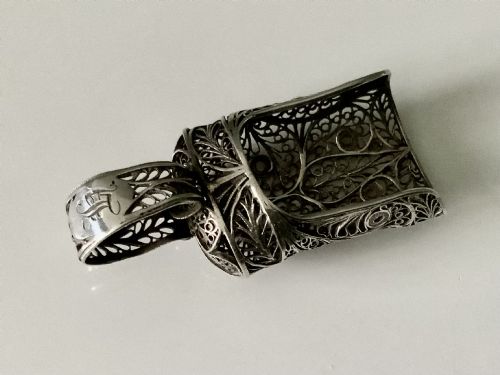
Buyers also encounter related domestic objects grouped under this heading, including tea caddy spoons, teapoys, cellarettes and small decorative boxes featuring bone or mother of pearl details.
Distinctions in Quality
The standard of a georgian caddy rests upon the selection of timber and the precision of the cabinetmaker's joinery. Finely figured mahogany or matched satinwood veneers demonstrate superior workshop practice compared to plain or heavily restored timber surfaces.
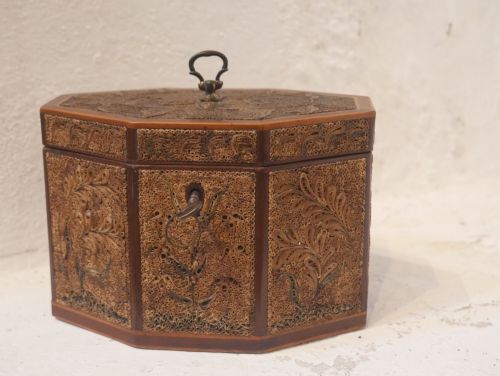
Material thickness and weight differentiate metal examples, where substantial sterling silver construction or intricate filigree work indicates higher manufacturing ambition. In ceramics, the crispness of the porcelain moulding and the hand-painted execution of enamel decoration divide standard production from finer factory output.
Georgian Caddy Retail Price Guide 2026
Typical asking prices for georgian caddy among the pieces listed under this phrase on Sellingantiques today, from the lower quarter to the upper quarter. They describe what is for sale here now, not the wider market.
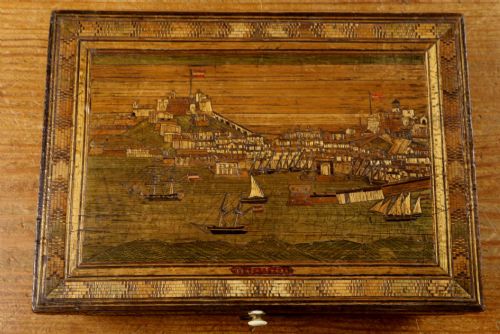
Napoleonic prisoners of war passed the time on Elba crafting intricate straw work boxes.
Robert Hennell·John Walton·Mappin & Webb·Zimmermann
The Georgian Caddy Glossary
- Caddy
- A small container originally used for storing tea leaves when tea was an expensive commodity. The word derives from the Malay word for a pound weight, kati.
- Teapoy
- A pedestal table fitted with a box top for holding tea, frequently taking a sarcophagus or rectangular form during the Regency period.
- Sarcophagus
- A monumental architectural shape with a sloping lid, adopted by cabinetmakers for tea caddies and teapoys in the Regency and William IV eras.
- Treen
- Small handmade wooden domestic objects produced by turning or carving. These items display the natural grain of woods such as walnut.
- Navette
- A boat-shaped decorative motif with pointed ends, seen on brass boxes and silver items from the Georgian period.
Georgian Caddy: Frequently Asked Questions
What was a georgian caddy used for?
These boxes held dried tea leaves under lock and key when tea carried high status and monetary value in the household. The mistress of the house kept the key to control access to the precious contents.
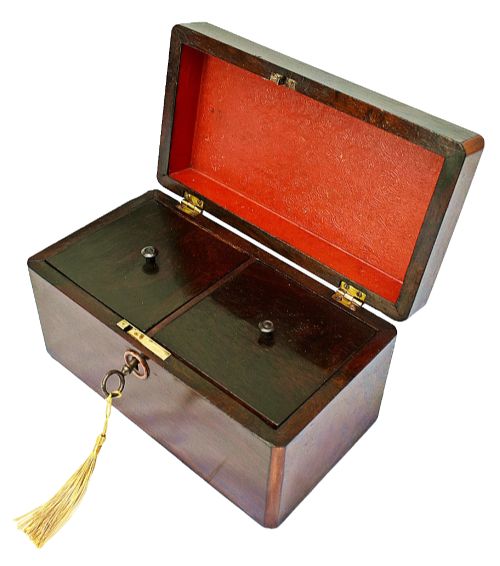
Inside, many caddies featured divided compartments to separate different varieties of black and green tea, occasionally incorporating a glass mixing bowl for blending.
How do I date a wooden caddy?
Dating relies on timber choices, construction methods and prevailing furniture styles such as Regency curves or George III proportions. Secondary woods inside the box and the style of the interior compartments offer further chronological clues.
Original hardware like escutcheons, hinges and working locks also help confirm the period of manufacture.
Did all caddies come with keys?
Many boxes were manufactured with working locks and matching keys to secure the contents from household staff. Finding a piece retaining its original key is a notable bonus for collectors.
Replacements are common, so the presence of an authentic period key adds interest to the piece.
How do I care for a wood caddy?
Keep wooden boxes away from direct sunlight and sudden changes in humidity to protect the delicate veneers and natural timber. Gentle dusting with a dry cloth maintains the surface without stripping the polish.
Avoid applying modern furniture sprays or excessive moisture to antique wood surfaces.