
Georgian Cabriole Leg Lowboy
A georgian cabriole leg lowboy is a low side table with graceful curved supports, prized for its compact storage and elegant domestic utility.

Georgian Cabriole Leg Lowboy
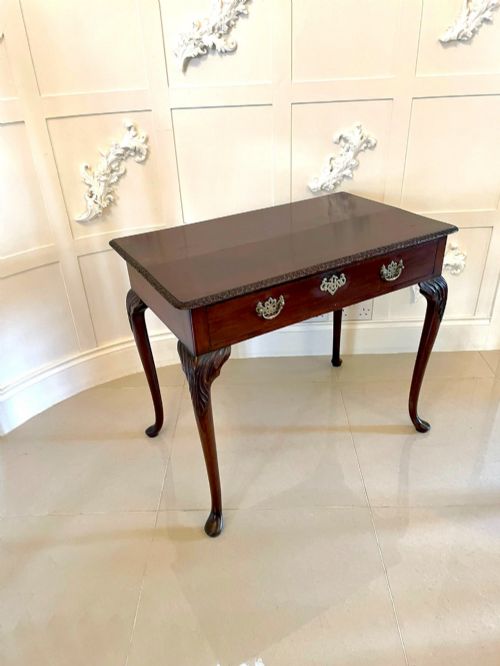
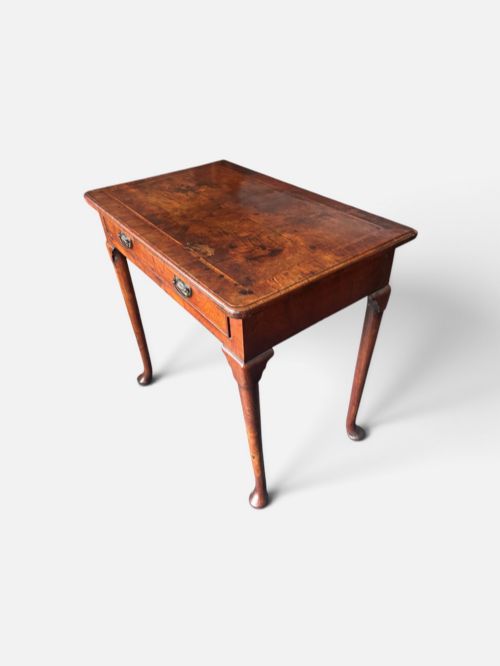
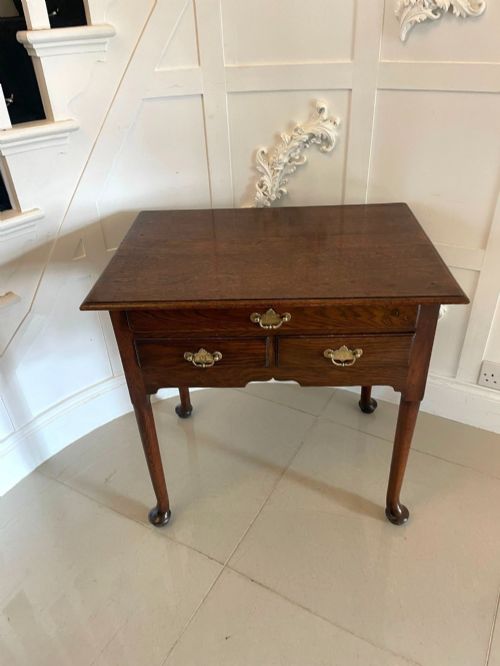
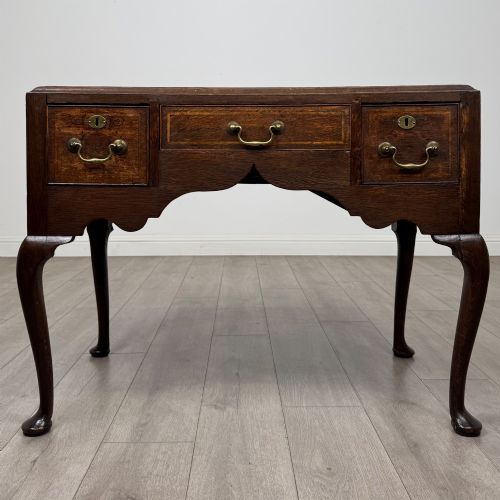
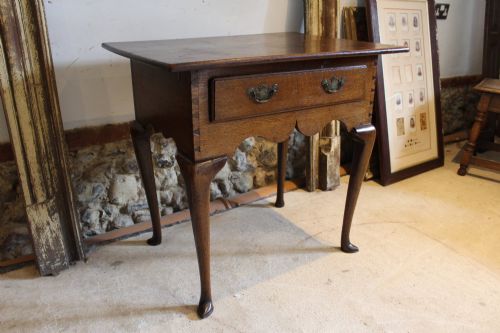
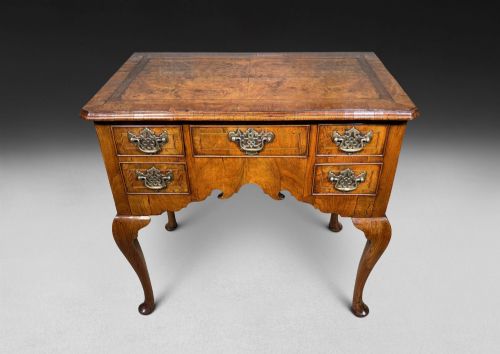
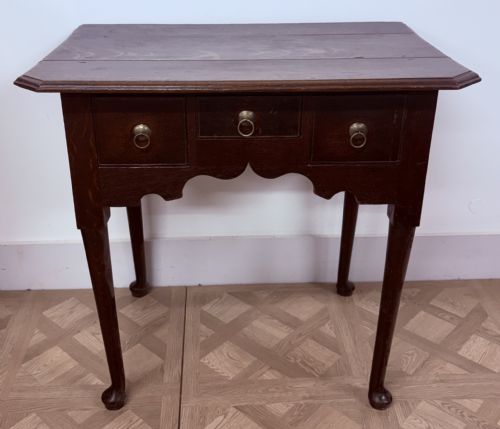
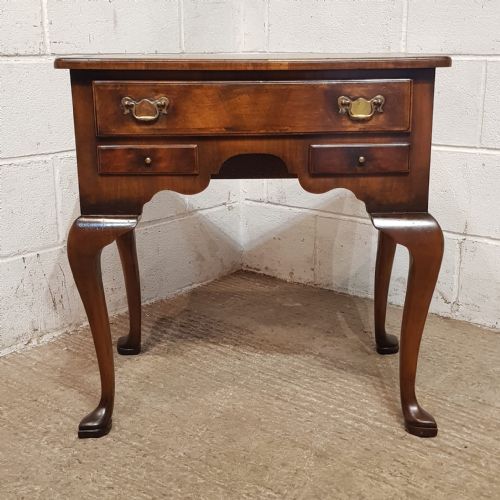
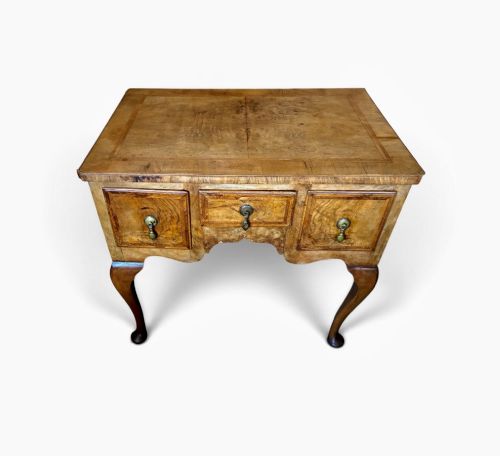
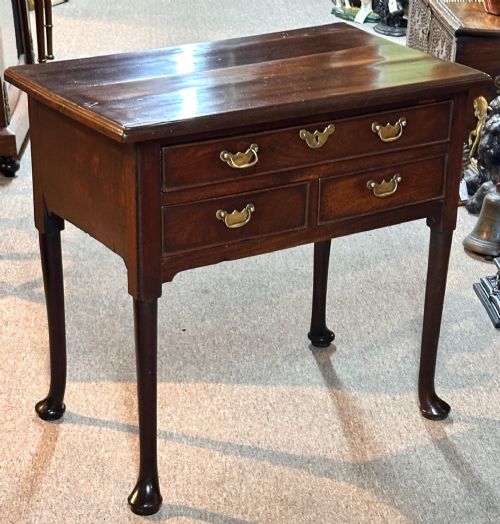
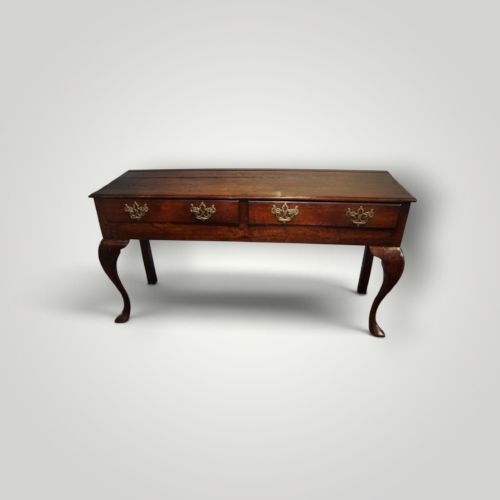
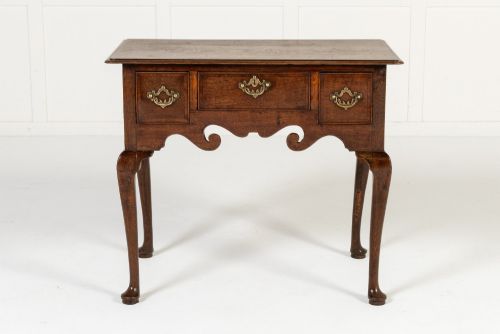
When you examine a georgian cabriole leg lowboy, you see a low table fitted with drawers beneath the top surface, designed for domestic use in eighteenth-century rooms. The examples appearing on this page span the Georgian, George I, George II, and George III periods, alongside later revival pieces.
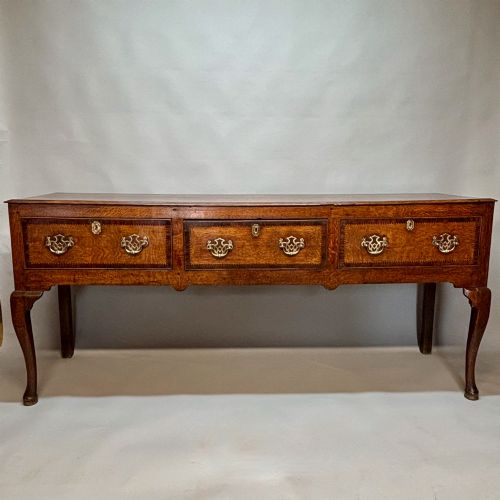
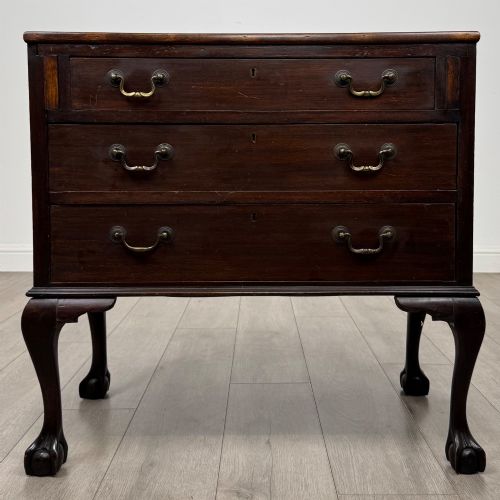
Most entries follow the classic side table or lowboy form, though you also encounter related dresser bases and chests of drawers sharing similar stylistic roots. Oak and walnut dominate the offerings, complemented by mahogany, yew, and burr elm.
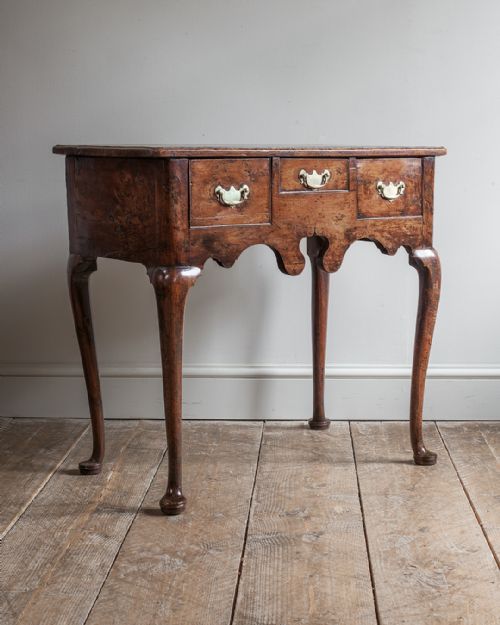
The profile typically rests upon four curved legs, terminating in pad or related foot forms typical of the Queen Anne and early Georgian eras. The surface serves well as a dressing table or side serving piece.
How they were made
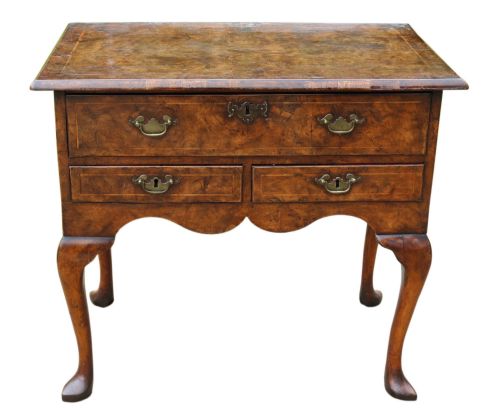
Cabinet makers built these pieces using solid timbers such as oak, mahogany, and walnut, often applying decorative burr veneers to the main surfaces to catch the light. Grain selection dictated the visual weight of the top and drawer fronts.
The distinctive curved legs required careful shaping from thick stock to maintain structural strength without losing the slender line. Drawer construction relied on hand-cut dovetails and running mechanisms fitted directly to the internal frame.
Listings span the Georgian, Edwardian, and twentieth-century periods, utilising oak, walnut, mahogany, yew, and elm.
What varies in quality
The distinction between ordinary and superior pieces rests on the choice of timber and the crispness of the shaping along the legs and apron. Figured burr veneers and richly patinated timbers elevate the visual presence significantly.
Proportion and restraint in any carved detail define the better examples from the period. The harmony between the top, the drawer configuration, and the sweep of the supports determines the overall balance.
The Georgian Cabriole Leg Lowboy Glossary
- Cabriole leg
- A furniture support that curves out at the knee and tapers in at the ankle, mimicking an animal limb. This form defines the silhouette of the pieces gathered here.
- Lowboy
- A small table with drawers, standing on four legs, used in the eighteenth century as a dressing table or side table. It sits lower than a standard writing desk.
- Burr walnut
- A specialised timber cut from the abnormal growths on walnut trees, yielding intricate swirling grain patterns. Cabinet makers prized this material for drawer fronts and top panels.
- Dresser base
- A low cabinet form with drawers and sometimes cupboards, sharing construction methods and periods with the lowboy. These pieces provide additional storage capacity in dining spaces.
Georgian Cabriole Leg Lowboy: Frequently Asked Questions
What is a lowboy used for?
A lowboy functioned historically as a small dressing table or a serving side table in bedchambers and parlours. The drawers held personal items, linens, or small valuables.
Today, these tables serve easily as lamp tables in a hallway or as compact writing desks in smaller spaces.
How do I date a lowboy?
Dating relies on timber choice, construction methods, and stylistic markers such as leg shape and drawer dovetailing. Earlier pieces from the George I and George II eras often employ walnut or oak with distinct pad feet.
Later George III examples frequently utilise mahogany and exhibit sharper geometric lines. Revival pieces from the twentieth century show modern secondary timbers upon close inspection.
Are all lowboys made of oak?
Oak is common among the surviving pieces, particularly in regional English furniture, but walnut and mahogany appear frequently. Burr elm and yew wood also feature in select examples.
Cabinet makers chose their materials based on regional availability and the desired formality of the finished table.
Where should I place a lowboy?
The compact footprint allows these tables to fit neatly into narrow hallways, entryways, or behind sofas. Their finished backs and sides also permit placement where the piece remains visible from multiple angles.
Avoid positioning antique wood furniture in direct sunlight or beside active heat sources to protect the polished surfaces.