
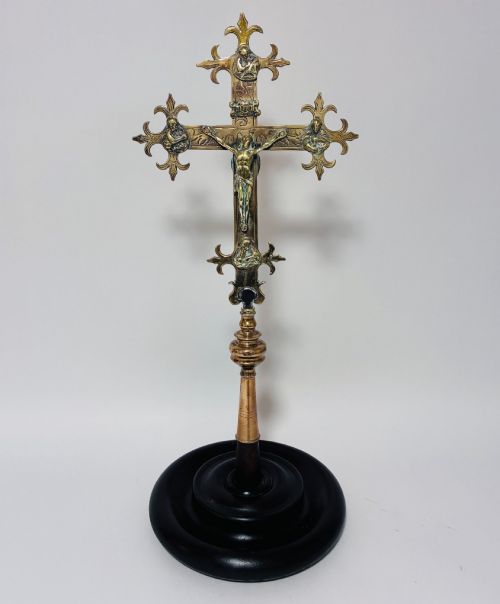
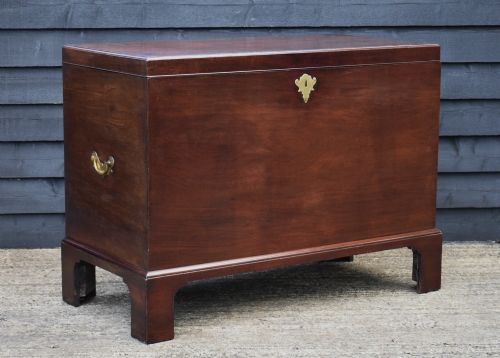
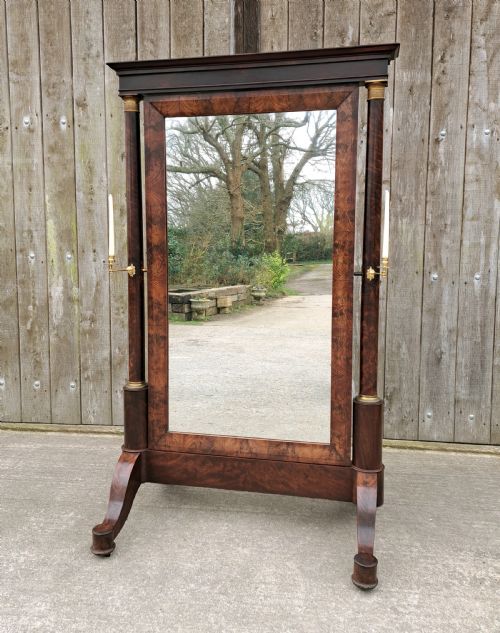
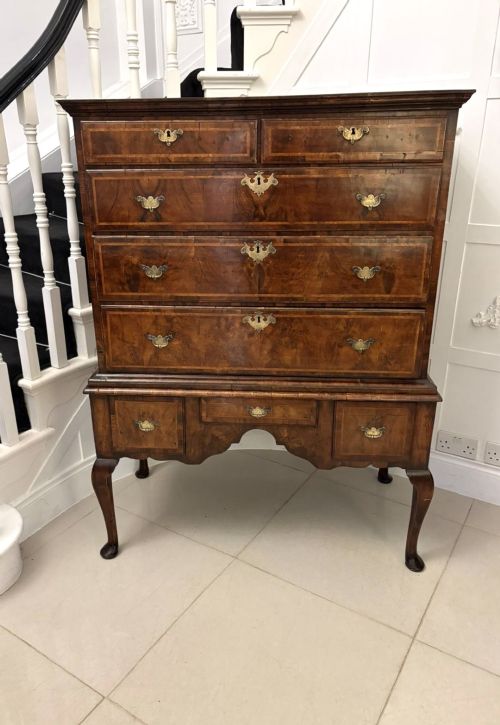
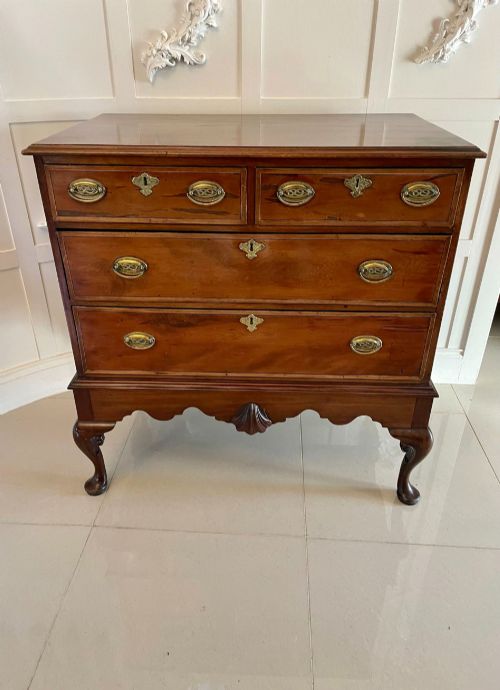
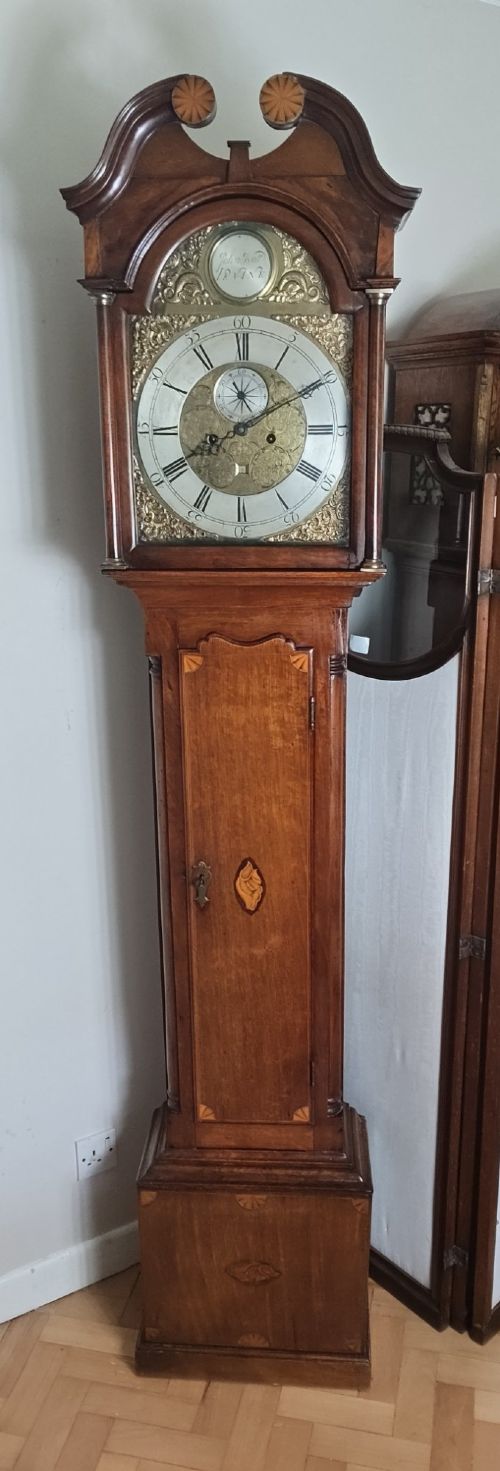
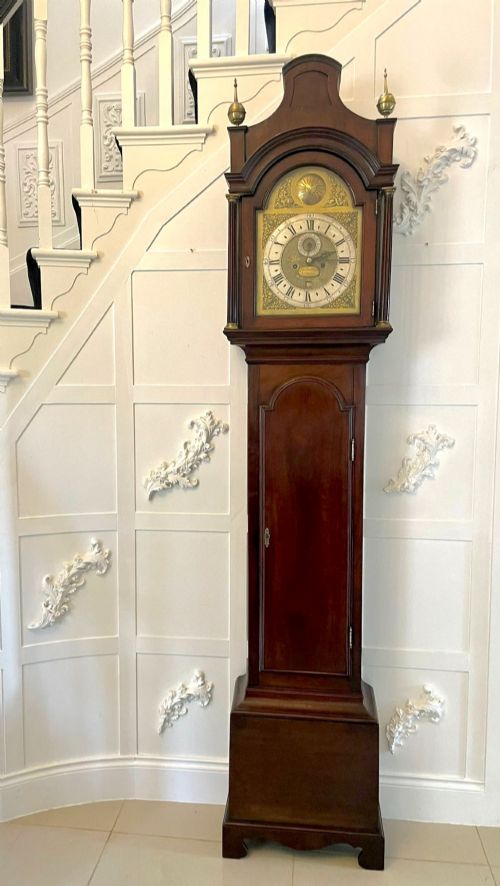
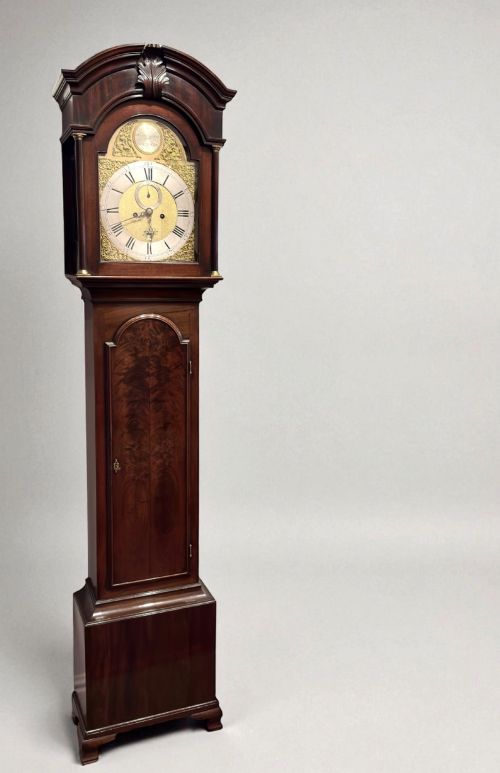
Georgian Brass Stand
These georgian brass stand examples unite the warm utility of polished metal with period timber frames, offering a disciplined focal point for a traditional room.
Georgian Brass Stand
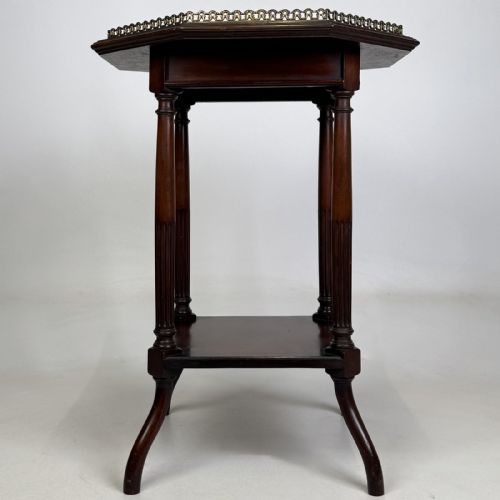
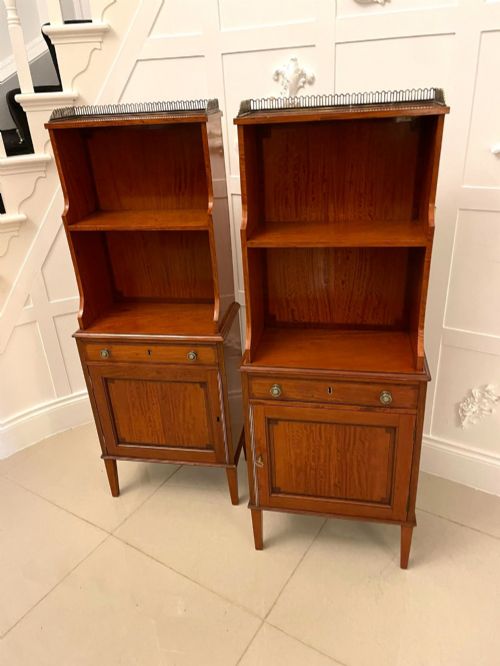
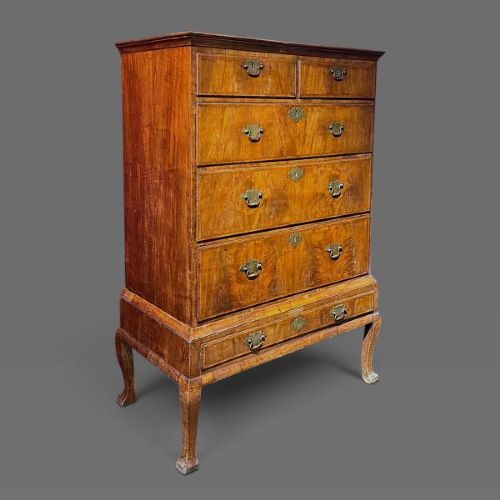
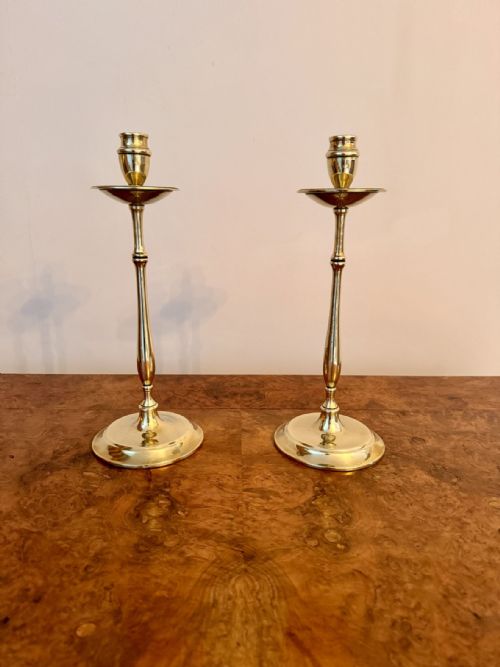
When searching for a georgian brass stand, a buyer encounters a diverse group of objects spanning domestic lighting supports, fireside trivets, and timber furniture raised on elevated bases. The evidence shows these functional items frequently combine brass components with cabinet woods such as mahogany, oak, and walnut. Candlesticks, standard lamps, and trays on stands dominate the forms that appear across the periods.
The material combination reflects a period preference for contrasting warm metals against rich, dark timbers. Surviving examples range from heavy cast brass hearth accessories to elaborate mahogany wine coolers and wash stands fitted with brass mounts and galleries. Each piece serves a specific domestic role, from illuminating dark corners to holding fuel or beverages near the hearth.
Most items date from the eighteenth and nineteenth centuries, encompassing the Georgian, Regency, and early Victorian eras. Makers from these periods utilised sturdy construction methods to ensure utility and longevity. A buyer will find both utilitarian hearth equipment and refined drawing-room pieces sharing space in this category.
How they were made
Makers fashioned the metallic portions of these stands through casting, turning, and hammering. Brass components often display crisp casting details or finely turned profiles that provide weight and stability to the objects. Timber frames utilise traditional joinery, incorporating brass bands, feet, and galleries to reinforce the structure.
Cabinetmakers selected dense hardwoods such as mahogany and oak for the supporting stands and trays, applying hand-rubbed finishes to bring out the grain. Metal elements were frequently polished to a bright finish or left with the softer patina of age. The interaction between the yellow alloy and the dark wood defines the visual character of the group.
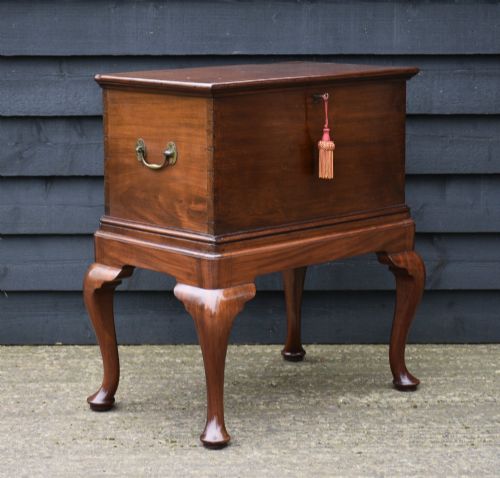
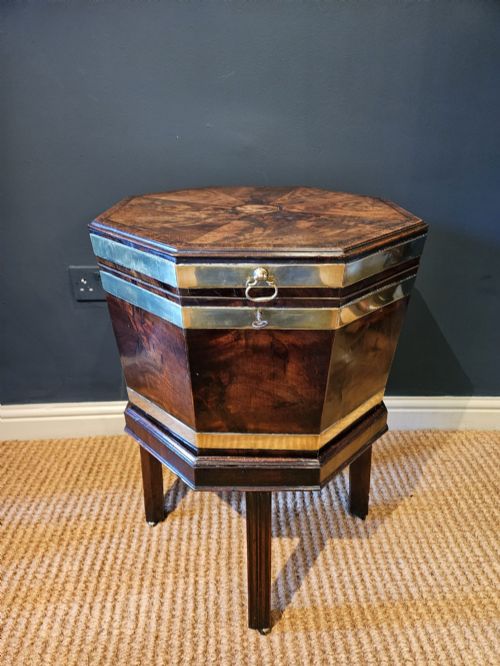
The archive records several examples of brass-bound oak and mahogany wine coolers and wash stands resting on dedicated timber supports.
What varies in quality
The distinction between standard domestic items and superior examples lies in the crispness of the brass casting and the selection of timber figures. Better pieces exhibit substantial weight, clean casting lines, and careful hand-finishing rather than mass-produced uniformity. The integration of brass mounts into the timber framework shows a high degree of joinery skill.
Proportion and decorative restraint also separate the finer workshops from ordinary production. Pieces that maintain balanced lines without excessive ornamentation demonstrate a superior understanding of period design principles. The preservation of original surface patinas on both the brass and the wood elevates the standing of an individual piece.
Charles Shuckburgh·Gordon of Aberdeen·Lee of Great Marlow·Richard Corless·James Hendrie·James McCabe·Fisher Of Preston
The Georgian Brass Stand Glossary
- Trivet
- A small metal stand raised on feet, designed to hold a kettle or pan near a fireplace. These portable hearth pieces frequently feature openwork brass tops.
- Gallery
- A low decorative railing surrounding the edge of a tray, table, or stand. In this category, brass galleries often secure glassware or bottles.
- Standard lamp
- A tall floor-standing lighting fixture designed to hold candles or lamps. Surviving examples often incorporate telescopic brass shafts.
- Wine cooler
- A vessel lined for ice and bottles, frequently constructed of mahogany with structural brass banding. These objects often rest upon dedicated wooden stands.
- Patina
- The surface sheen and colour developed by wood and metal over decades of handling and polishing. Collectors value undisturbed patinas for their depth.
Georgian Brass Stand: Frequently Asked Questions
What is a brass bound stand?
A brass bound stand is a piece of furniture reinforced or decorated with applied brass bands, commonly seen on wine coolers and buckets. These metal hoops provided structural strength while adding a contrasting metallic border to the timber.
Such treatment protected vulnerable edges from moisture and hard daily use in dining rooms and drawing rooms.
How were these stands used?
These pieces served practical domestic functions ranging from lighting rooms to heating water by the hearth. Many held specific household items such as beverages, candles, or washing basins within easy reach.
Their portable nature allowed servants to move them about the country house as daily activities shifted from room to room.
How do I identify a Georgian stand?
Identification relies on examining the timber species, joinery techniques, and the weight of the brass components. Eighteenth-century pieces typically feature heavy brass castings and dense native or imported hardwoods like oak and mahogany.
Proportions tend to follow classical design rules, prioritising functional elegance over excessive surface ornamentation.
Are these stands heavy?
The weight varies considerably depending on whether the object is primarily cast brass or timber. Hearth equipment and standard lamps tend to be heavy to prevent tipping, while smaller trays and tables are lighter.
Solid brass elements add substantial heft to candlesticks and trivets, ensuring stability during use.
Where should I place a stand?
These pieces fit naturally into traditional living spaces, hallways, or dining rooms where their period materials complement existing furniture. Freestanding lighting and small tables work well beside seating areas or in empty corners.
Their functional origins mean they remain useful surfaces for holding everyday items while adding historical character to a room.