

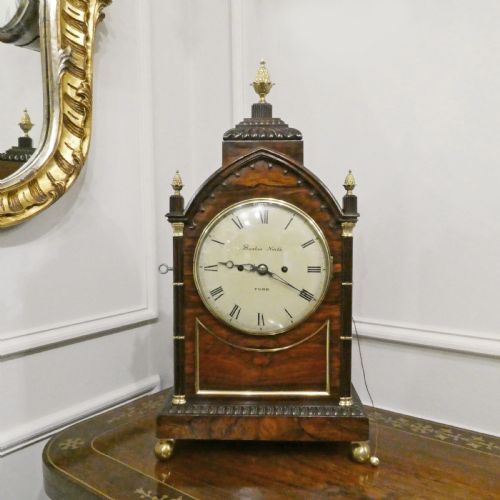
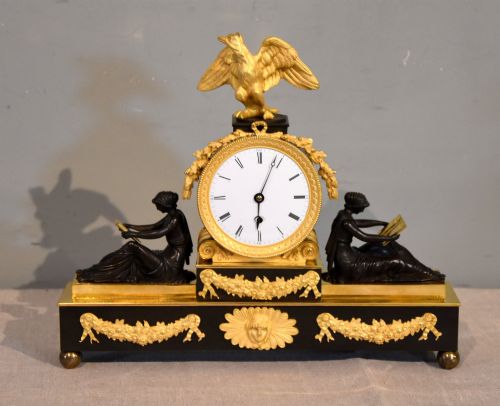
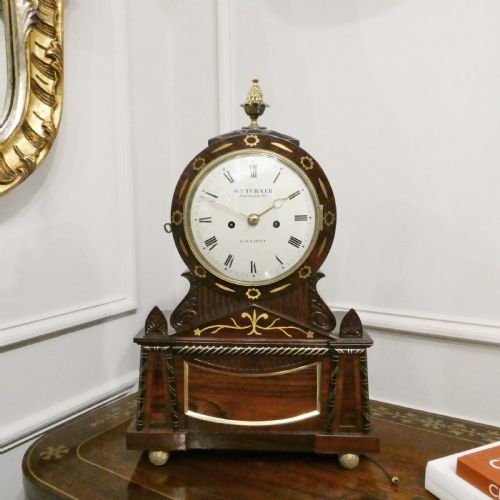
Georgian Brass Mantel Clock
A georgian brass mantel clock brings mechanical precision and rich timber cases into the room, marking time through centuries of horological craft.
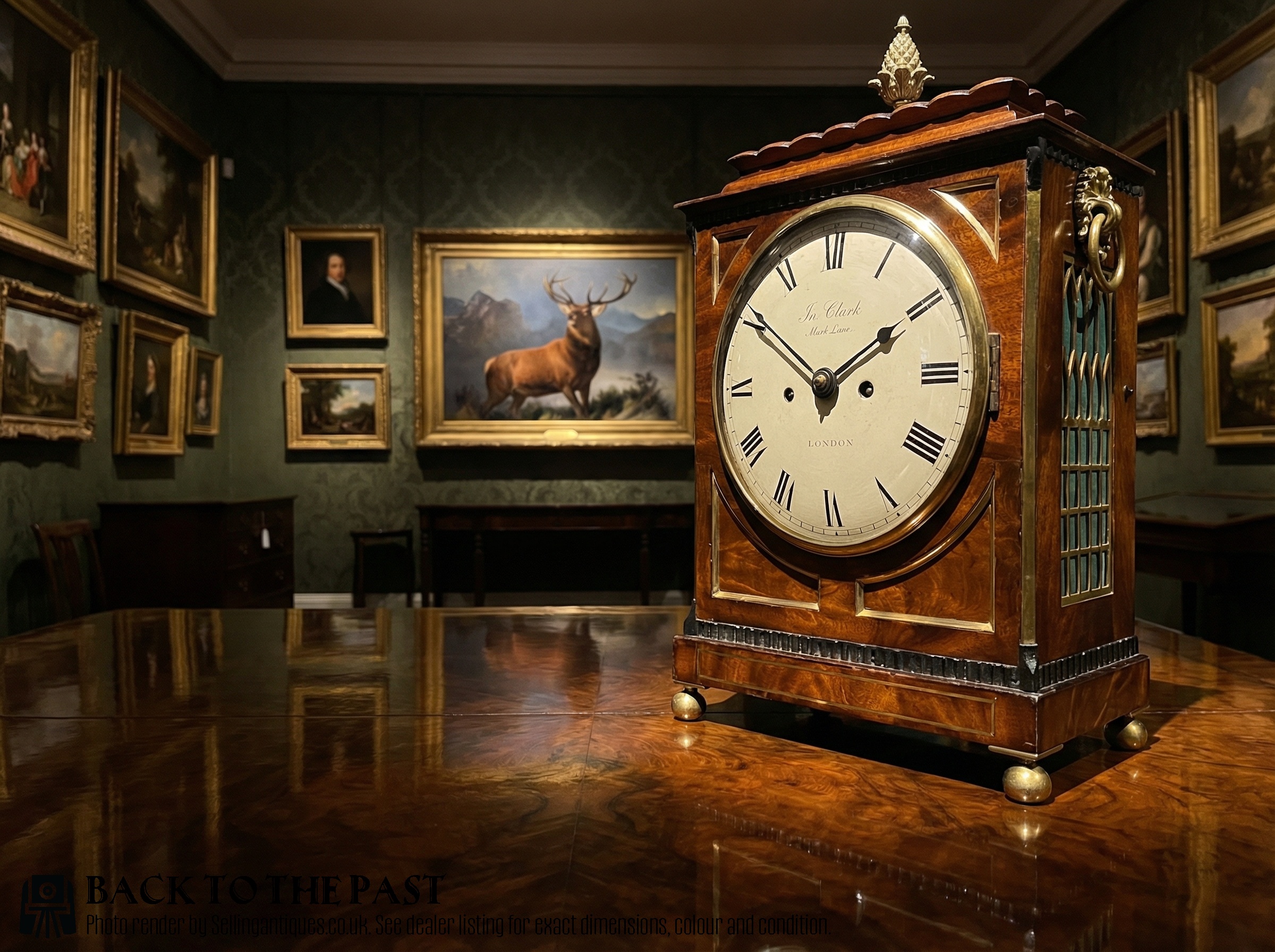
Georgian Brass Mantel Clock
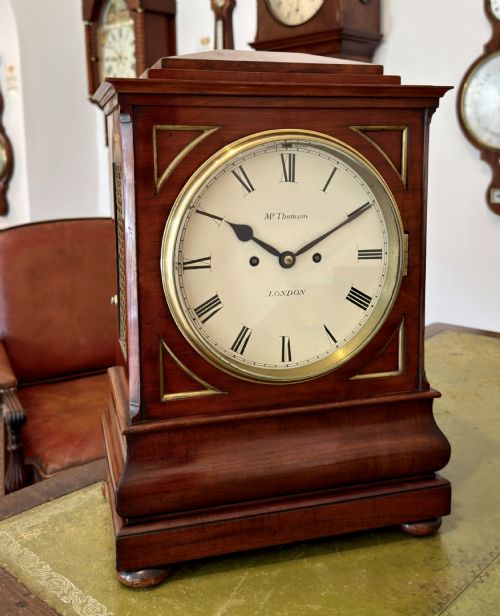
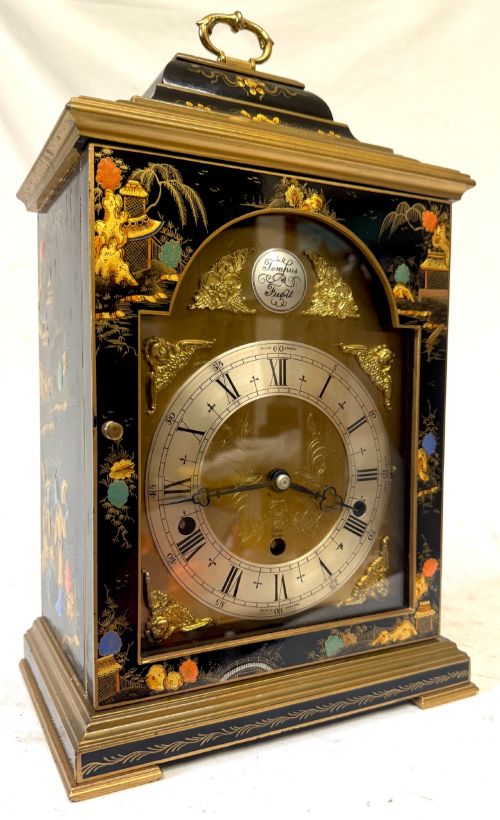
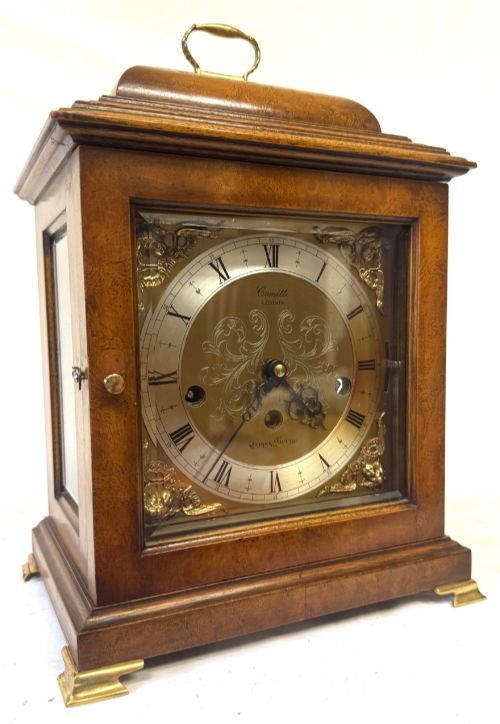
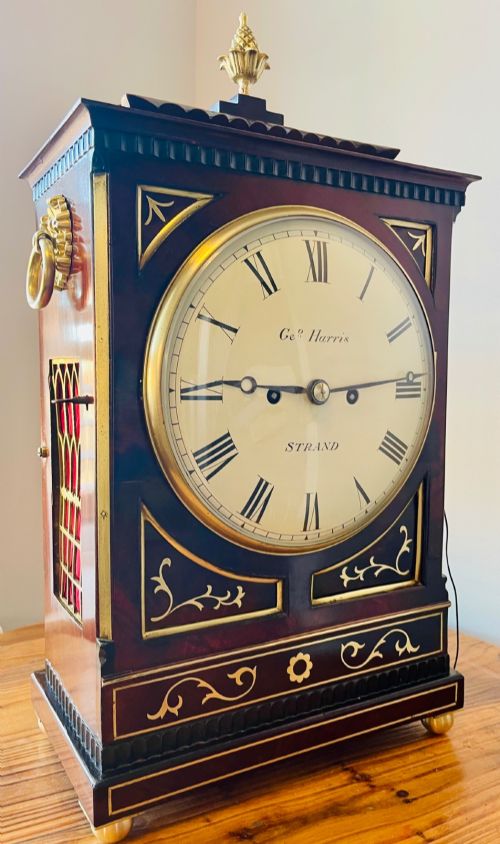
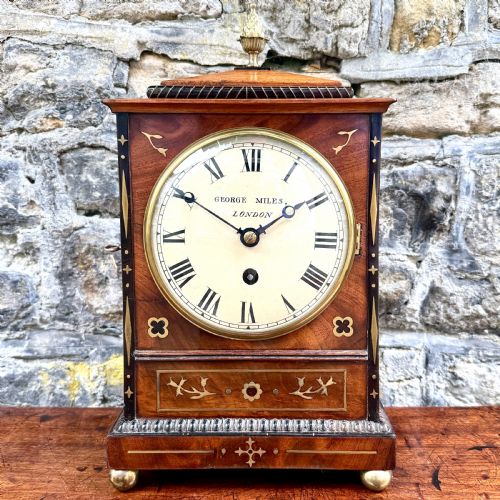
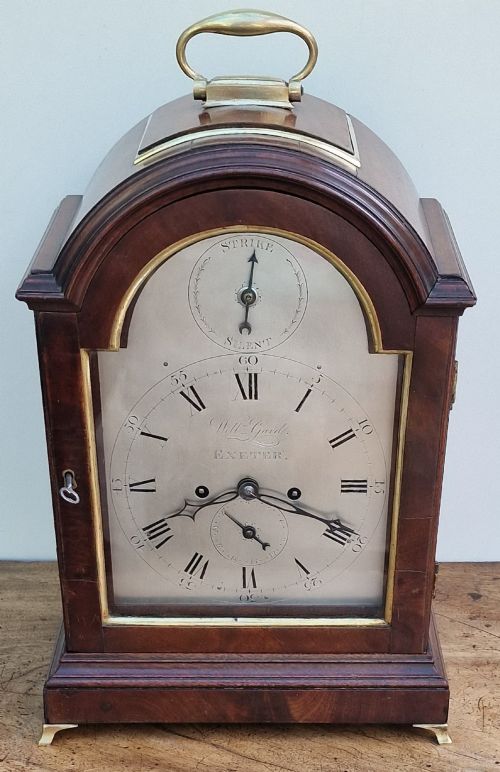
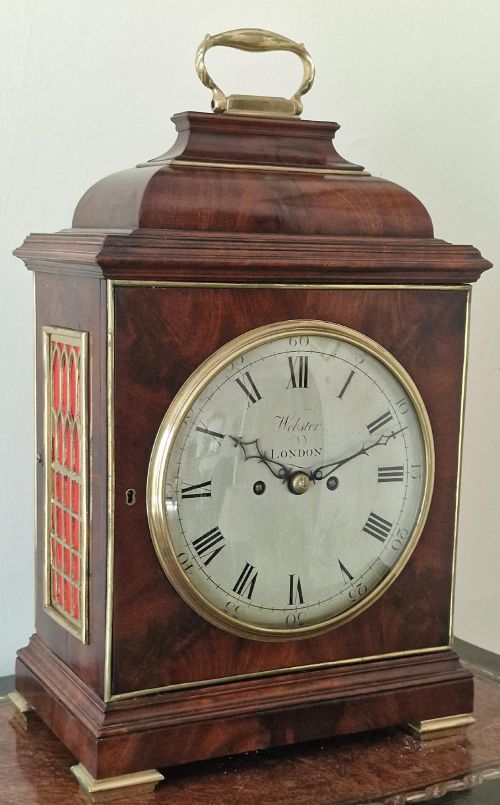
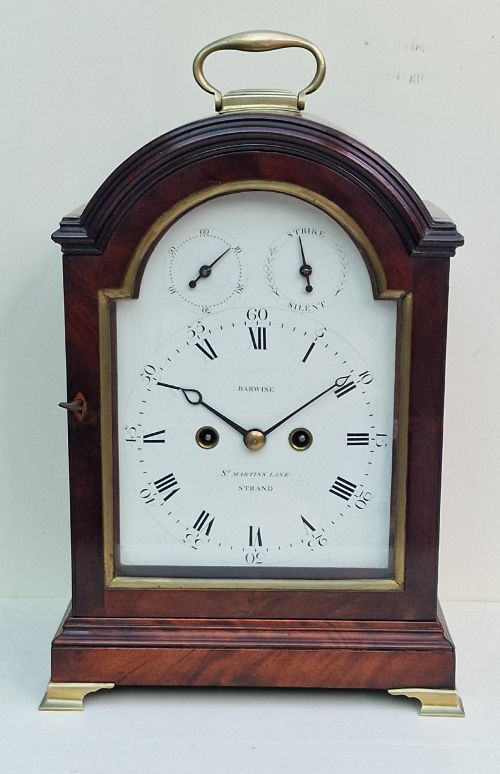
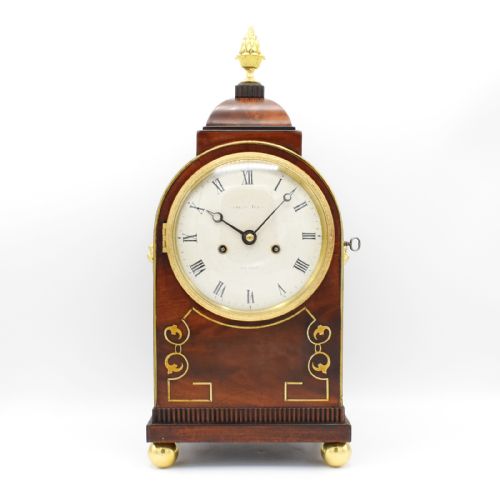
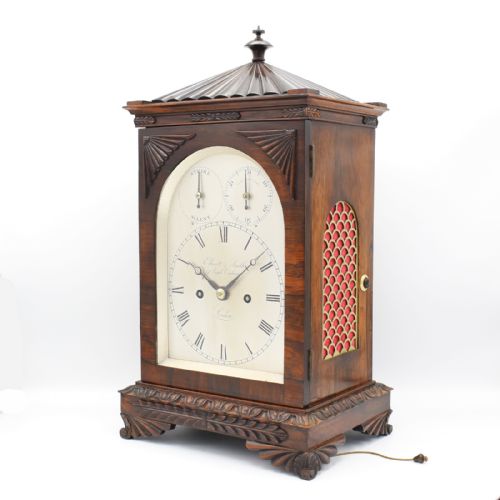
A georgian brass mantel clock sits upon a desk, shelf or bracket, combining heavy brass movements with architectural timber cases. These pieces include bracket clocks, table clocks and library clocks originating primarily from the Georgian, Regency and eighteenth-century periods.
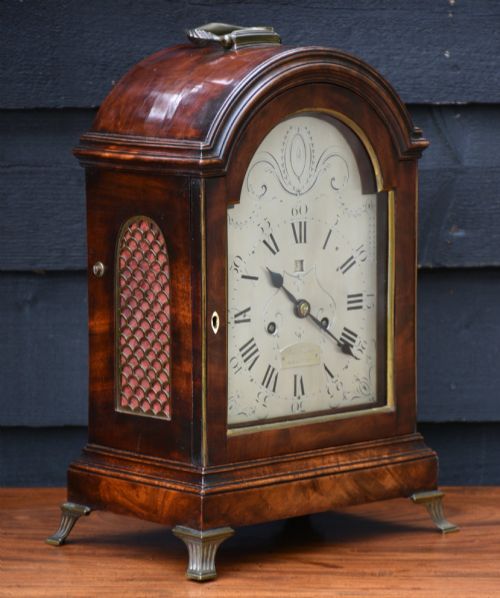
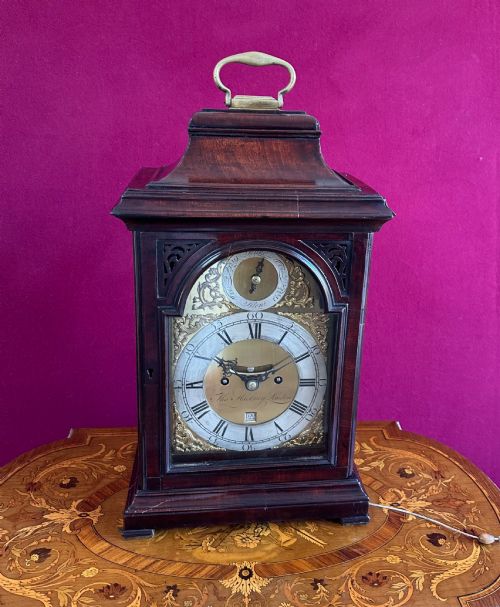
The version most commonly met on this page is the mahogany bracket clock featuring a brass dial, often displaying the signature of a London or regional maker. Alongside mahogany, variations appear in rosewood, ebonised wood and walnut, spanning the shift from verge escapements to fusee movements.
Makers ranged from provincial clockmakers to prominent London names who supplied houses with reliable timekeepers. Collectors encounter both strict period originals and later revivals sharing the same traditional forms.
Materials and construction
Cases combine structural timbers such as mahogany, rosewood and ebony, frequently polished or inlaid to highlight the grain. Brass forms the dials, bezel surrounds, handle mounts and internal plates that hold the gear train together.
Movements rely on steel pinions and brass wheels, driven by weight or spring power through fusee or verge escapements. Dials integrate engraved brass chapter rings, sometimes backed by enamel or gilt ormolu mounts.
Listings span mahogany, rosewood, ebonised wood, glass and iron, reflecting centuries of cabinetmaking traditions.
Markers of distinction
The refinement of the movement engraving and the precision of the wheel-cutting separate standard workshop output from exceptional horology. Finer pieces retain original verge or fusee escapements largely unaltered by later hands.
Cabinetwork quality shows in the selection of figured timbers, the crispness of brass fretwork, and the harmonious proportions of the arch-top or lancet case. Signed dials from recorded makers carry distinct weight over anonymous provincial work.
Thomson of London·Mappin & Webb·Desbois & Wheeler·Francis Perigal·John Witherston
The Georgian Brass Mantel Clock Glossary
- Fusee
- A conical pulley designed to equalise the declining power of the mainspring as it unwinds. This mechanism helps maintain a constant force on the gear train for accurate timekeeping.
- Verge escapement
- An early type of escapement mechanism controlling the release of power in the gear train. It produces a distinctive ticking beat and requires precise balance to maintain regularity.
- Bracket clock
- A portable timekeeper originally designed to sit on a matching wall bracket or table. These pieces usually feature a carrying handle on top and enclosed glazed doors.
- Lancet-top
- A case design featuring a pointed, gothic-style arch reminiscent of a lancet window. This silhouette appears frequently on bracket clocks from the Regency and Georgian periods.
- Three train clock
- A movement incorporating three separate gear trains to drive the timekeeping, the hour strike and the chiming melodies. Such mechanisms allow the clock to play tunes on bells or gongs.
Georgian Brass Mantel Clock: Frequently Asked Questions
How do I wind a fusee clock?
Use the appropriate key on the winding square located on the dial face, turning gently until resistance indicates full tension. Avoid over-winding to protect the historical mainspring and fusee chain.
Ensure the key matches the square precisely to prevent slipping and scoring the surrounding brass plate or dial enamel.
Where should I place a bracket clock?
Position the piece on a stable, level surface away from direct sunlight, central heating vents and damp walls. A sturdy mantelpiece or dedicated wall bracket provides the ideal environment for steady operation.
Level the case carefully so the pendulum or balance wheel maintains an even beat and the movement runs without stopping.
How can I tell a Georgian clock from a later revival?
Examine the construction methods inside the case, looking at the timber shrinkage, hand-cut screws and the patination of the brass movement plates. Period pieces show signs of authentic age and wear consistent with daily use over centuries.
Revival pieces often display machine-made components and standardised fixings that differ from eighteenth-century workshop practices.
Why does my clock need professional servicing?
Old lubricants thicken and gather dust over decades, causing friction that wears down delicate brass teeth and steel pivots. Regular cleaning by a specialist horologist preserves the original components.
Intervening before metal grinds against metal prevents permanent damage to irreplaceable signed movements.