



Georgian Brass Bound Planter
A georgian brass bound planter brings structural warmth to a room, functioning as a sturdy vessel for plants or domestic storage.
Georgian Brass Bound Planter
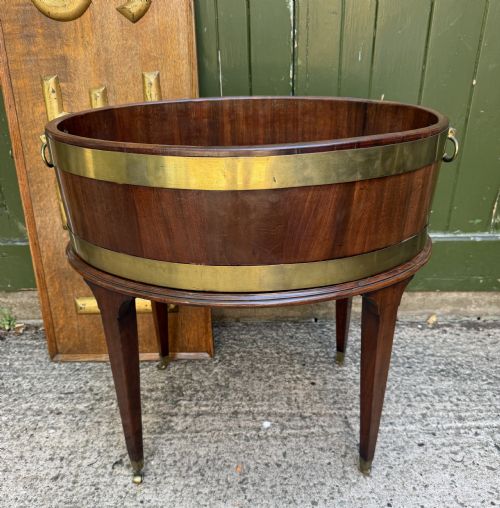
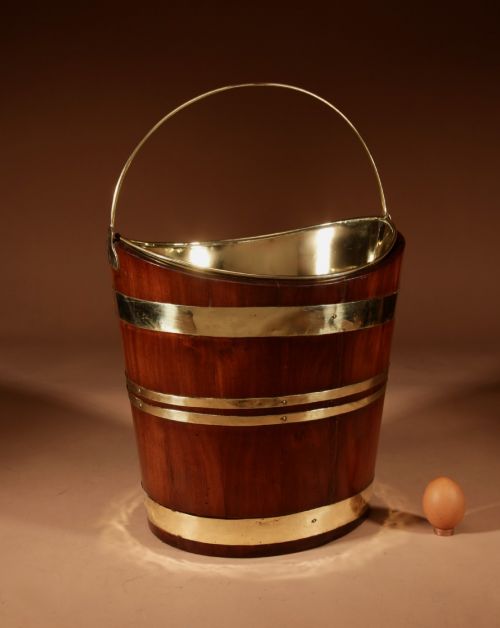
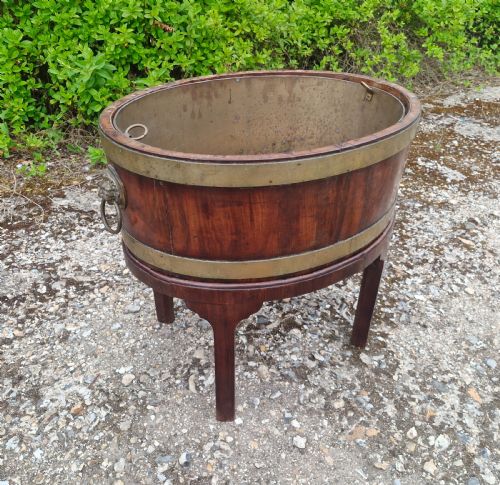
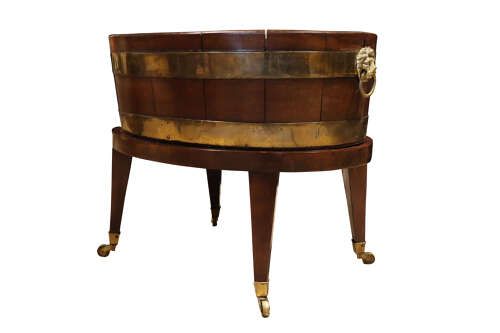
When searching for a georgian brass bound planter, collectors encounter coopered wooden vessels originally designed to cool wine, hold peat, or serve as cellarettes, which now frequently find new life as plant jardinières. The examples met most often on this page take oval or boat-shaped forms, combining timber bodies with metal bands.
Originating largely from the eighteenth and nineteenth centuries, these pieces include genuine period specimens alongside later revivals from the early twentieth century. Makers of the time constructed them with the same joinery techniques used for barrels, resulting in robust forms suited to holding heavy earth and flora.
What varies in quality
The sophistication of the timber grain and the crispness of the brass fittings set superior examples apart from standard workshop output. Finely shaped stands, dovetailed bases, and well-preserved internal liners elevate the status of a piece within the range.
The integrity of the coopered staves and the weight of the metal bands dictate the overall durability and historical fidelity of the vessel. Pieces retaining their original stands or authentic period mounts command greater interest than later adaptations.
Listings feature mahogany, walnut, brass, zinc, and iron across items spanning the eighteenth century through the early twentieth century.
The Georgian Brass Bound Planter Glossary
- Coopered
- Built from vertical wooden staves fitted together with tight joints and secured by encircling bands, much like a barrel. This technique allows the timber to expand and contract naturally with humidity changes.
- Cellarette
- A lockable container used originally in the dining room to store bottles of wine before serving. Many of these deep wooden vessels now serve alternate domestic purposes.
- Jardiniere
- An ornamental pot or stand designed to hold growing plants or flowers indoors. They appear in various forms across different decorative periods.
- Schuitje
- A boat-shaped vessel style, often applied to peat buckets and specific types of plant holders. The curved profile resembles a small watercraft.
- Stave
- One of the narrow vertical blocks of wood that form the curved sides of a coopered bucket or cooler. These pieces are shaped precisely to ensure a watertight or tight-fitting cylinder.
Georgian Brass Bound Planter: Frequently Asked Questions
What is a georgian brass bound planter?
A georgian brass bound planter is typically a coopered wooden vessel originally built for holding wine bottles, peat, or ice during the eighteenth and nineteenth centuries. Over time, many of these deep containers have transitioned into decorative holders for indoor plants and foliage.
These objects combine functional carpentry with decorative metalwork, utilising brass bands to secure vertical wooden staves. Their sturdy construction makes them adaptable for various interior uses beyond their original dining room functions.
How do I care for the wood?
Maintaining the timber requires keeping the vessel away from direct heat sources and sudden humidity shifts that can cause the staves to split or warp. Regular dusting and occasional application of appropriate wood wax help preserve the finish.
When using the vessel for live plants, ensure an internal liner is in place to protect the antique wood and metal from direct contact with damp soil and water.
Are these planters waterproof?
Many period pieces feature original metal or zinc liners intended to hold melting ice or wet contents, though historical liners may develop leaks over time. It is wise to inspect the interior lining condition before introducing water or wet earth.
Using a modern sauced pot inside the container prevents moisture from reaching the historic wooden staves and protects the structural integrity of the piece.
How do I date a piece?
Dating relies on examining the timber species, the fastening methods of the brass bands, and the overall construction style of the staves and any accompanying stand. Eighteenth-century examples often display specific cabinet-making traits distinct from later twentieth-century revivals.
Comparing the patination of the brass and the wear patterns on the wood helps establish whether an item originates from the Georgian period or a later stylistic revival.