
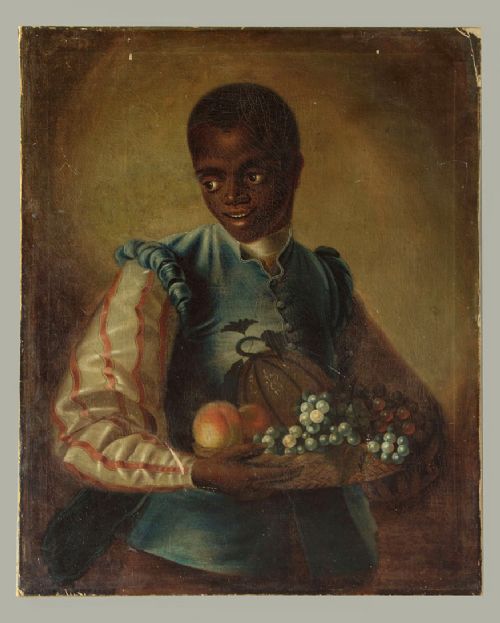


Georgian Boy Portrait
A georgian boy portrait captures youthful character with direct sincerity, offering collectors a striking window into past childhood through canvas, paper, and watercolour.
Georgian Boy Portrait
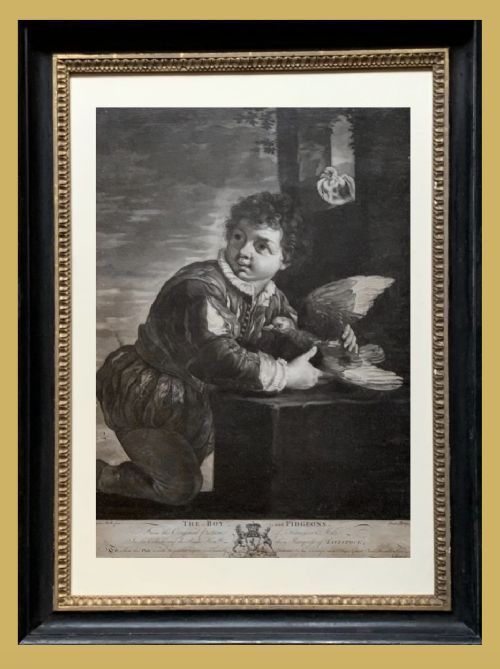
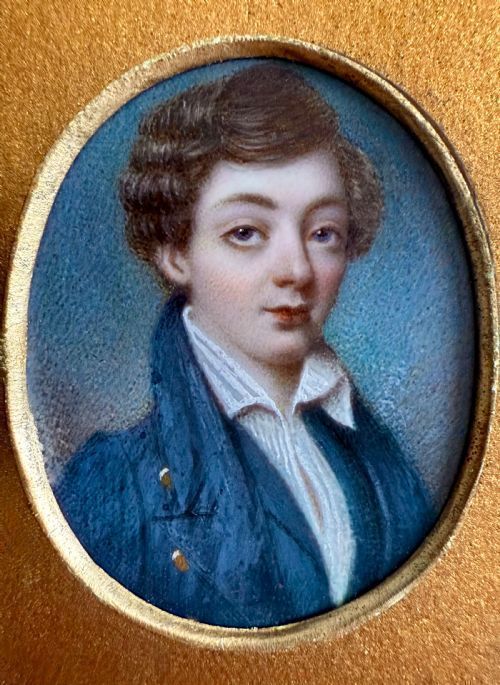
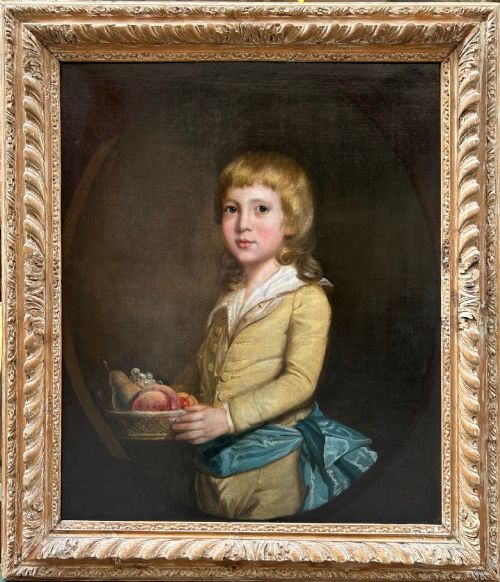
A georgian boy portrait typically depicts young subjects in formal attire, military dress, or informal settings often accompanied by pets, toys, or fruit baskets. These works span the eighteenth and nineteenth centuries, encompassing the Georgian and Regency periods alongside French Neoclassical, Baroque, and Folk Art styles.
Buyers will encounter diverse formats ranging from substantial oil paintings on canvas housed in original giltwood frames to intimate miniature watercolours and pastels on paper. Many pieces reflect formal studio commissions by established artists, while others capture charmingly naive renderings by regional English schools.
Subjects frequently engage the viewer directly, appearing alongside symbolic elements like birds, dogs, spinning tops, or maps that hint at their upbringing and future stations in life.
Materials and Technique
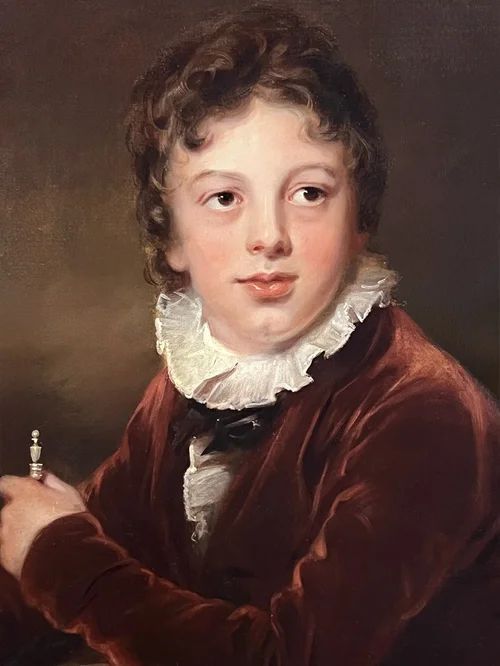
Oil on canvas forms the backbone of these works, utilising layered pigments built upon stretched fabric to achieve depth in clothing and flesh tones. Painters employed fine brushes to render delicate lace collars, braided military uniforms, and the natural sheen of youthful hair.
Works on paper rely on watercolour and pastel media, capturing translucent skin tones and immediate expressions through swift, assured strokes. Finished pieces frequently found protection beneath glass and within timber or carved giltwood frames designed to complement the interior aesthetics of the era.
Georgian Boy Portrait Retail Price Guide 2026
Typical asking prices for georgian boy portrait among the pieces listed under this phrase on Sellingantiques today, from the lower quarter to the upper quarter. They describe what is for sale here now, not the wider market.
Young subjects in these portraits frequently pose alongside unexpected companions, including peregrine falcons, map jigsaw puzzles, and spinning tops.
Assessing Quality
Quality rests heavily upon the anatomical confidence of the drawing and the psychological depth captured in the sitter's expression. Master works display subtle command of light and shadow across the face, whereas simpler folk art examples prioritize bold outlines and charming directness over strict proportion.
The survival of original supporting elements, such as period giltwood frames and contemporary stretchers, significantly elevates the integrity of a painting. Finer pieces demonstrate superior pigment preservation and skilled handling of complex textures like velvet coats, fur trims, and animal hair.
John Boydell·Richard Cosway·Margaret Sarah Carpenter·Thomas Beach·William Jones of Bath·William Tate·Joseph Wright of Derby·Louis Léopold Boilly·Enoch Seeman·Philip Mercier·Arthur Pond·George Romney·Thomas Lawrence·Charles William Lambton·Robert Byng·Edward Bird·Henry Ricketts·John Russell·John Verelst·H Harding
The Georgian Boy Portrait Glossary
- Mezzotint
- A printmaking process of the scraped tonal order that allows rich darks and subtle gradations of grey to replicate painted portraits. This technique gained immense popularity for reproducing famous canvases.
- Giltwood
- Timber carved and surfaced with thin leaf gold to create ornate decorative framing. These frames provide period-appropriate grandeur to oil paintings.
- Pastel
- A medium consisting of powdered pigment bound into sticks, applied dry to paper to create velvety textures and luminous skin tones. Pastels require glass protection to prevent the pigment from disturbing.
- Naive
- An artistic style characterised by a rejection of formal perspective and academic proportion, favouring flat planes and honest charm. These works often originate from regional hands or amateur artists.
Georgian Boy Portrait: Frequently Asked Questions
How do I display an antique portrait?
Hang paintings away from direct sunlight and fluctuating heat sources to protect the canvas and underlying pigments. Pair oil works with traditional wall colours that complement the dark tones common in eighteenth-century portraiture.
Ensure heavy framed pieces are secured using appropriate wall anchors matched to the weight of the timber and glass.
What clothing styles appear most often?
Sitters frequently wear formal coats, red or blue jackets, and military dress reflecting contemporary upper-class fashion. Younger children often appear in dresses or loose tunics common to the period regardless of gender.
Collars and cuffs display contemporary lace or linen details that help date the painting accurately.
Why are animals included in these paintings?
Pets like dogs and birds symbolised loyalty, companionship, or gentle domestic wealth within the family unit. Spaniels and hunting dogs frequently appear resting beside young boys to denote sporting heritage.
Props such as fruit baskets, maps, or toys similarly represent education, leisure, and future aspirations.
How can I tell oils from watercolours?
Oils present a textured surface built from thick paint layers, usually stretched across a wooden frame and housed without glass. Watercolours use translucent washes on paper and require protective glass and card mounts.
Examining the surface under magnification reveals the weave of the canvas versus the absorbent texture of antique paper.