




Georgian Blue White Jug
A georgian blue white jug brings domestic utility and vibrant cobalt colour together, making a handsome addition to any dresser or table.
Georgian Blue White Jug
A georgian blue white jug encompasses a range of domestic tableware from the eighteenth and nineteenth centuries, including milk jugs, creamers, water ewers, and large pottery vessels. These items span periods from the eighteenth century through to eighteen hundred and the wider Georgian era.
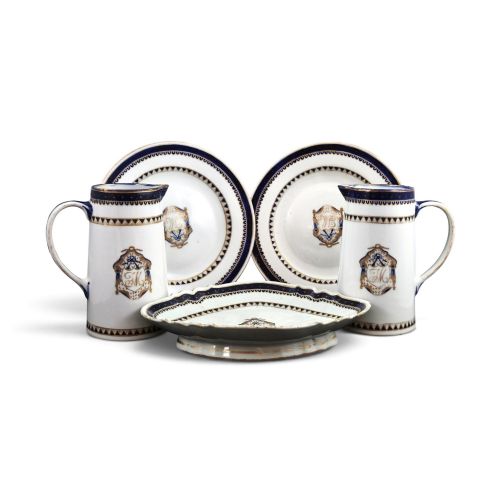
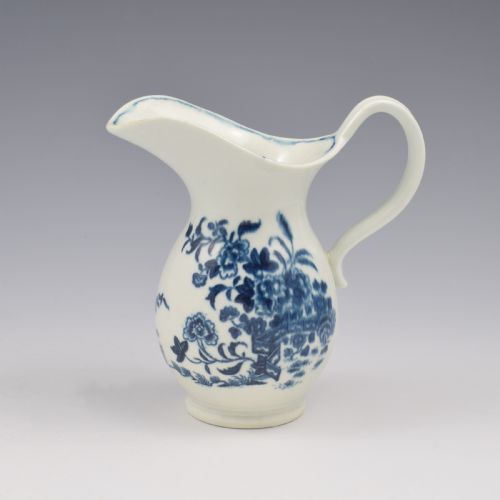
The versions most commonly met on this page include First Period Worcester porcelain milk jugs featuring sparrow beak forms or mask heads, alongside earthenware transfer-printed pitchers depicting topographical scenes like the Boston State House and City Hall New York.
Makers and regional potteries represented range from Worcester and Caughley Coalport to Welsh folk art pieces and English Delftware, offering variety in both refined porcelain and robust pottery.
Materials and methods
Potters shaped these pieces from soft-paste porcelain, earthenware, ceramic, and English Delftware, applying cobalt glaze to achieve the characteristic blue decoration under the heat of the kiln.
Decoration techniques combined hand-painted blue and white motifs - such as the Fisherman pattern, pine cone design, or birds pecking fruit - with transfer printing for detailed architectural views.
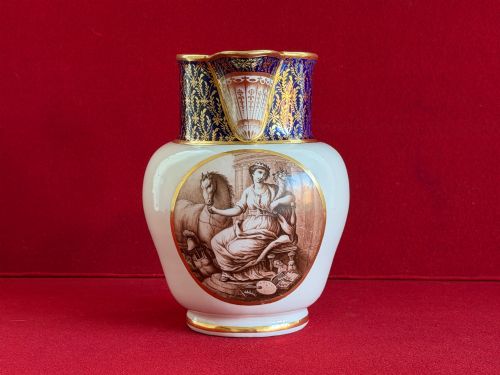
Select porcelain items received additional embellishment through enamel colours and gold leaf accents applied over the glaze.
Georgian Blue White Jug Retail Price Guide 2026
Typical asking prices for georgian blue white jug among the pieces listed under this phrase on Sellingantiques today, from the lower quarter to the upper quarter. They describe what is for sale here now, not the wider market.
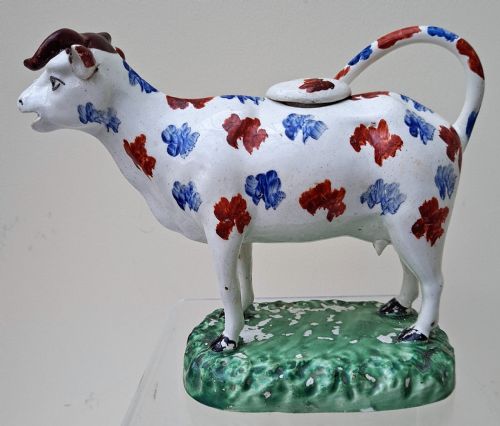
A Welsh cow creamer turns pouring milk into a charming, eccentric dairy performance.
The spectrum of quality
Quality rests upon the crispness of the cobalt glaze application and the definition within painted or transfer-printed scenes, where finer porcelain bodies allow for sharper detail in patterns like the pine cone decoration or bird motifs.
The sophistication of the form dictates value, distinguishing delicate sparrow beak milk jugs and mask head ewers from utilitarian one-gallon pottery jugs.
The integrity of the ceramic body and the precision of early factory moulding separate standard utilitarian wares from the finer productions of Worcester and Caughley.
Dr Wall·John Rogers and Son·Caughley Coalport
The Georgian Blue White Jug Glossary
- Soft-paste porcelain
- A glassy ceramic material fired at lower temperatures than hard-paste porcelain, common in eighteenth-century English factories like Worcester. It produces a slightly warm body beneath the glaze.
- Cobalt glaze
- A metallic oxide pigment applied under the glaze that turns a rich blue during high-temperature firing. It forms the primary decorative element on these jugs.
- Sparrow beak
- A small eighteenth-century milk or cream jug shape characterised by a pinched, protruding spout resembling a bird's bill. These usually feature delicate painted blue and white motifs.
- Mask head
- A sculptural spout moulded in the likeness of a human or grotesque face, integrated into the top of the jug. This feature appears on transitional pieces from factories such as Caughley and Worcester.
- Transfer printing
- A mechanical method of applying detailed designs to pottery from a copperplate onto paper and then onto the ceramic surface. This technique enabled the production of complex topographical scenes like the Boston State House.
Georgian Blue White Jug: Frequently Asked Questions
What were georgian blue white jugs used for?
These vessels served practical domestic purposes in the eighteenth and nineteenth centuries, ranging from pouring milk and cream at the tea table to holding water or serving liquids from large one-gallon pottery pieces.
Smaller sparrow beak and creamer forms were designed for individual table service, while larger pitchers accommodated communal dining and household tasks.
How do I identify a First Period Worcester jug?
First Period Worcester pieces typically utilise soft-paste porcelain and feature hand-painted cobalt blue designs, such as the Fisherman pattern, pine cone decoration, or bird and mask head motifs.
They often present characteristic eighteenth-century potting shapes like the sparrow beak milk jug or water ewer.
What is transfer-printed pottery?
Transfer printing is a technique where an engraved copperplate transfers a detailed design onto ceramic surfaces using cobalt glaze, allowing for intricate pictorial scenes.
This method produced the topographical views, such as the Boston State House and City Hall New York, seen on nineteenth-century earthenware jugs.
How should I display these jugs at home?
Displaying these pieces benefits from grouping similar forms, such as placing small porcelain creamers alongside larger earthenware pitchers to highlight the contrast in materials and periods.
Keeping them on open dressers or shelves allows the cobalt blue patterns and varied nineteenth-century shapes to remain visible.