

Georgian Blue Ceramic Plate
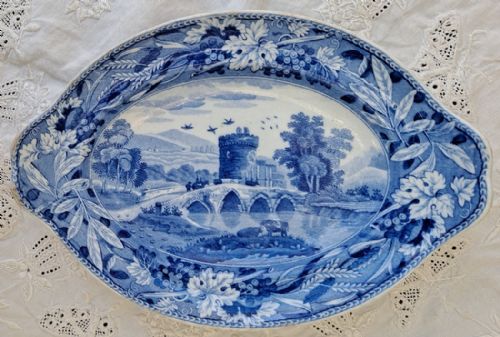
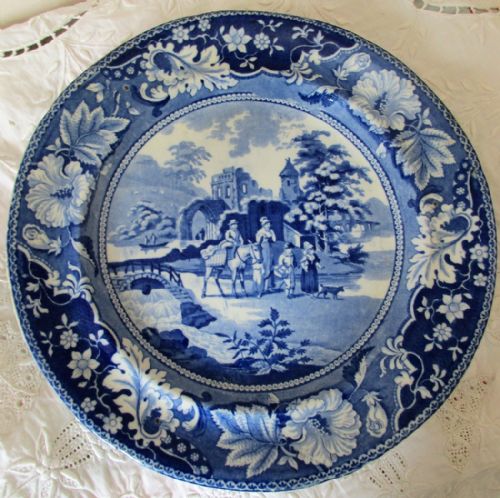
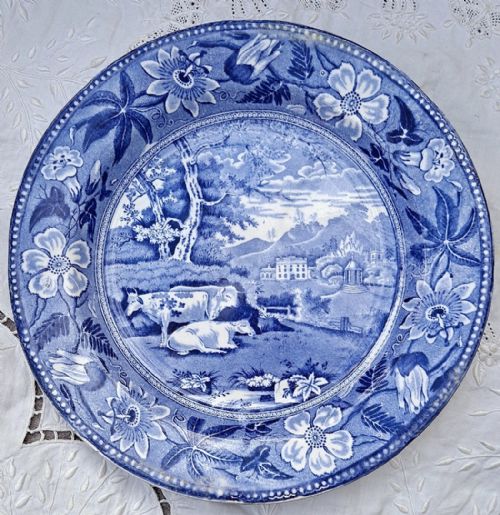
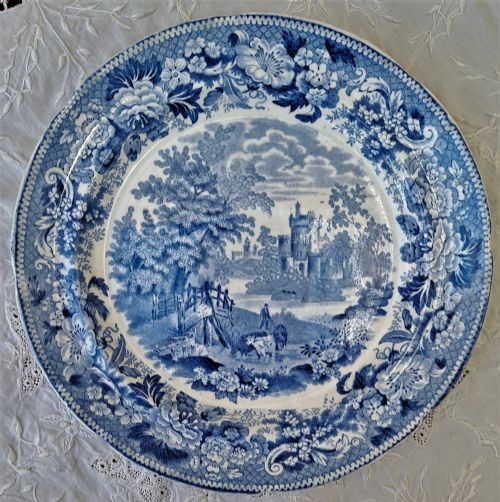
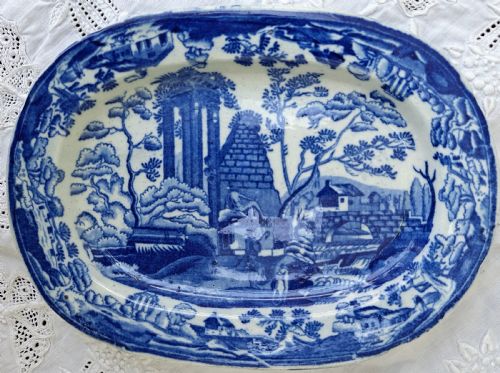
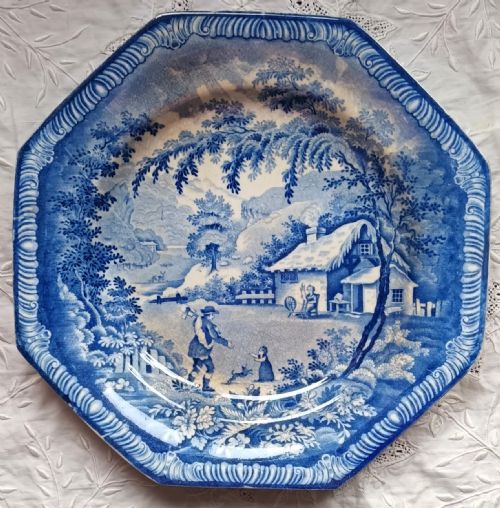
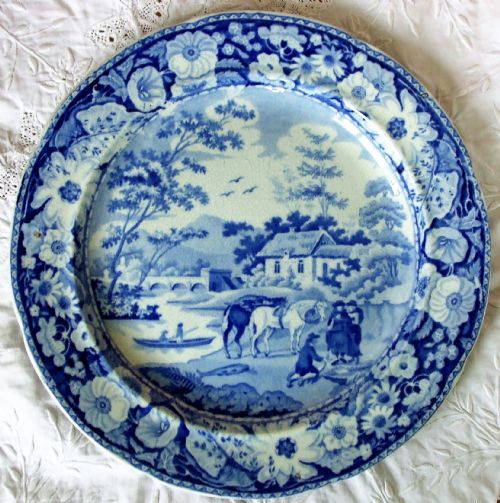
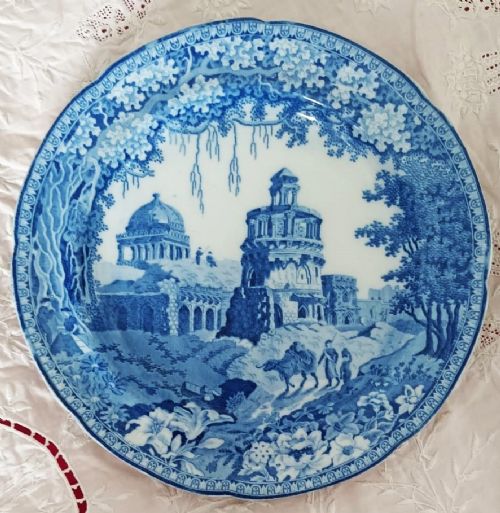
These pieces of a georgian blue ceramic plate bridge domestic utility and cabinet display through cobalt pigment and tin glaze.
Georgian Blue Ceramic Plate
A georgian blue ceramic plate encompasses a diverse range of domestic vessels, from standard dining plates to substantial chargers, dessert dishes, and cake stands. The selection spans the eighteenth and nineteenth centuries, taking in the Regency and early Victorian periods.
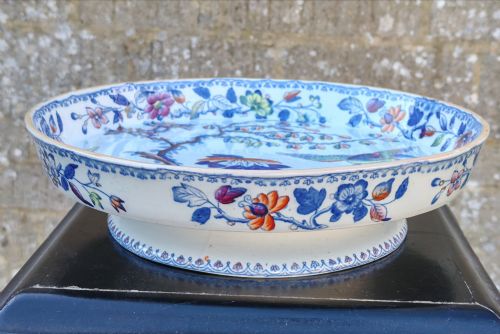
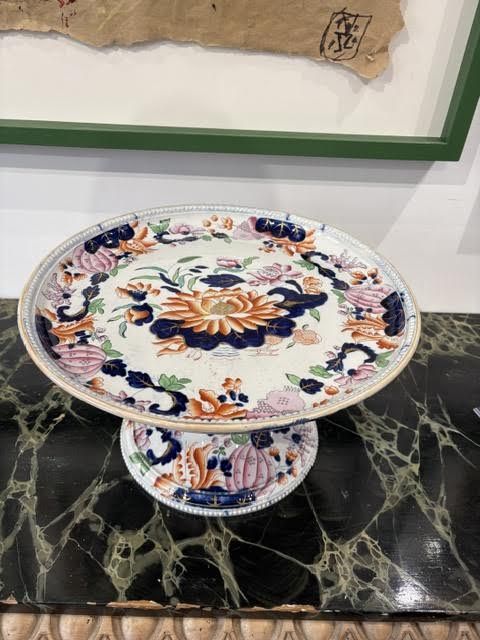
Buyers will encounter earthenware, pearlware, ironstone, and soft-paste porcelain carrying blue and white transfer prints, hand-painted polychrome designs, and delftware traditions. Forms range from simple circular plates to octagonal plates, square dessert dishes, and footed tureen stands.
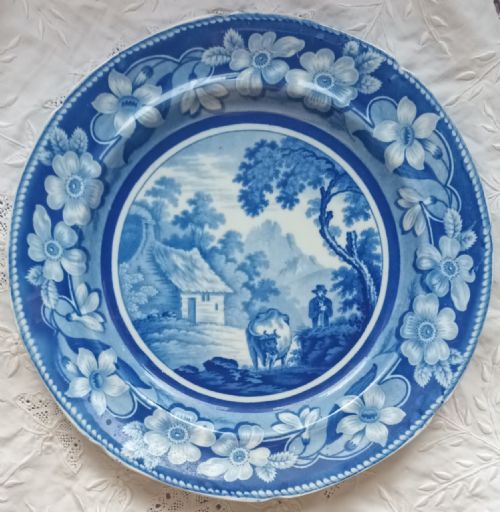
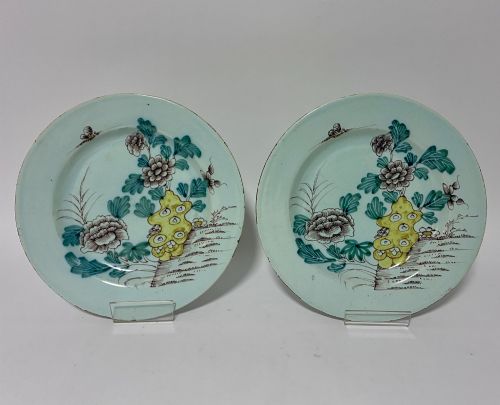
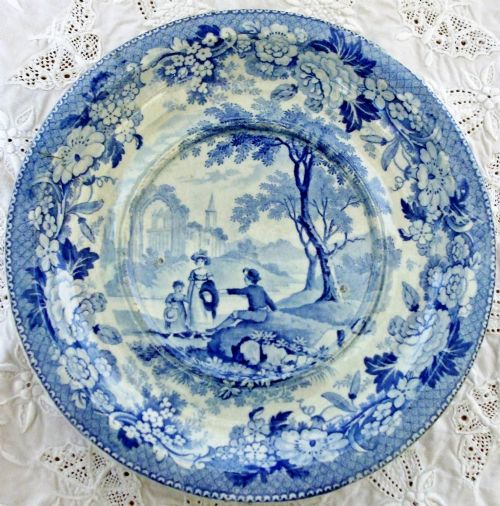
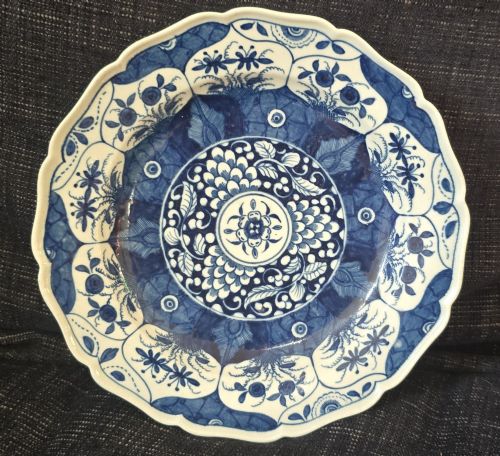
Transfer-printed transfer ware with romantic or topographical titles dominates the selection alongside hand-painted botanical and oriental-inspired patterns. These items served functional roles in period dining rooms before transitioning into decorative display objects.
How they were made
Potters utilised earthenware, stoneware, and soft-paste porcelain bodies, coating them with tin glaze or transparent lead glazes. Cobalt pigment provided the deep blue coloration, applied either by hand painting or via copper-plate transfer printing.
Transfer printing involved engraving a copper plate, pulling an impression on tissue paper, and transferring the ink onto the fired ceramic biscuit before glazing and kiln firing. Hand-painted examples relied on direct brushwork using enamel colours and cobalt underglaze.
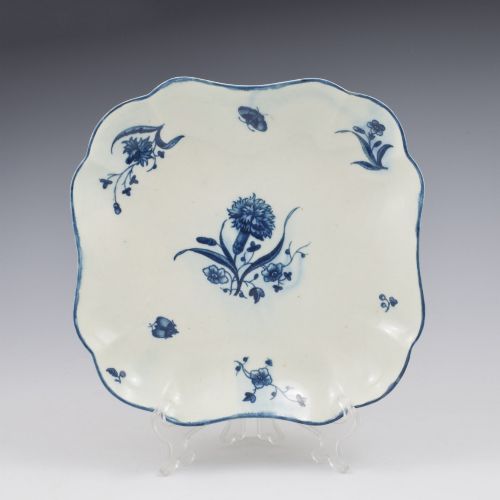
Ironstone and stone china bodies offered increased durability for heavy serving vessels and large meat platters, while porcelain bodies allowed for delicate, translucent forms such as shell-shaped dessert dishes.
Georgian Blue Ceramic Plate Retail Price Guide 2026
Typical asking prices for georgian blue ceramic plate among the pieces listed under this phrase on Sellingantiques today, from the lower quarter to the upper quarter. They describe what is for sale here now, not the wider market.
Listings feature earthenware, pearlware, ironstone, and soft-paste porcelain across the eighteenth and nineteenth centuries, utilising cobalt pigment and tin glaze.
What varies in quality
Quality rests upon the crispness of the transfer print and the stability of the glaze during firing, where running cobalt or kiln distortion lower the aesthetic value. Hand-painted pieces depend on the confidence and precision of the brushwork.
The sophistication of the ceramic body itself defines the tier of the piece, moving from standard creamware and earthenware to refined stone china and translucent porcelain. Potteries achieved different levels of refinement in the smoothness of the paste and the evenness of the glaze application.
Zacharia Boyle·Thomas Lakin·Brameld and Co·William Adams·John Rogers and Son·Davenport·Bow Porcelain·Spode·Minton·Hicks and Meigh·Stubbs·New Hall·John Davenport of Longport
The Georgian Blue Ceramic Plate Glossary
- Transfer ware
- Pottery decorated by printing a design from an engraved copper plate onto paper and then transferring it to the ceramic surface. This technique allowed complex pictorial scenes to be produced in quantity.
- Delftware
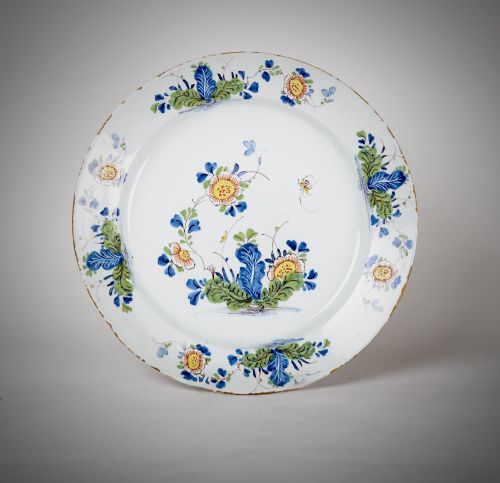
- Tin-glazed earthenware produced in England from the seventeenth century onwards, typically featuring an opaque white glaze painted with blue or polychrome motifs. It often shows chipping along the raw edges.
- Pearlware
- A refined earthenware developed by Josiah Wedgwood in the late eighteenth century, featuring a thin glaze with a slight bluish tinge that pooled in crevices. It bridged the gap between creamware and later white earthenware.
- Ironstone
- A heavy, durable ceramic patented in the early nineteenth century by Miles Mason, combining feldspar and china stone to create a dense body resembling stoneware. It resisted chipping during daily service.
- Soft-paste porcelain
- An artificial porcelain composition made from white clay and glass frit, fired at lower temperatures than true hard-paste porcelain. It yields a warm, creamy body with a soft glaze.
Georgian Blue Ceramic Plate: Frequently Asked Questions
What is a georgian blue ceramic plate?
A georgian blue ceramic plate is a tableware item produced during the eighteenth or early nineteenth century, decorated primarily in blue using transfer printing, tin glaze, or hand painting. These pieces range from simple domestic dishes to elaborate printed plates depicting landscapes, ruins, and historical scenes.
Such objects served daily dining and formal dessert courses in period households. Today, collectors value them for their historical imagery, technical variety, and decorative presence.
How were blue and white transfer plates made?
Makers engraved a copper plate with a detailed pictorial design, inked it with cobalt pigment, and pulled an impression onto tissue paper. This paper was pressed onto the bisqued ceramic body to transfer the ink before a transparent glaze was applied and the piece was fired.
This method enabled potteries to produce consistent, intricate patterns across large services. The resulting plates combined utilitarian strength with detailed topographical or narrative artwork.
How do I care for antique ceramic plates?
Antique ceramic plates require gentle hand washing in warm water using mild soap, avoiding dishwashers and harsh abrasive sponges. Sudden temperature changes should be avoided to protect the historic glaze from thermal shock and crazing.
Displaying them safely on padded plate hangers or stable stands prevents accidental chipping of the edges. Regular handling should support the full base rather than relying solely on the rim.