


Georgian Blown Glass Cup
These georgian blown glass cup examples bring eighteenth-century table culture into focus, offering tangible weight and rich colour for daily use.
Georgian Blown Glass Cup
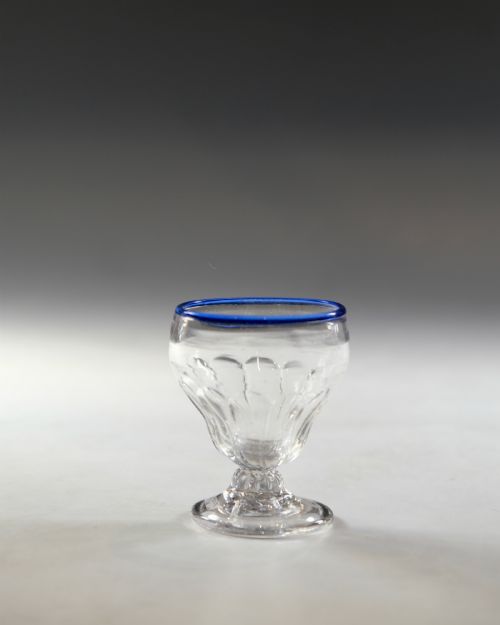
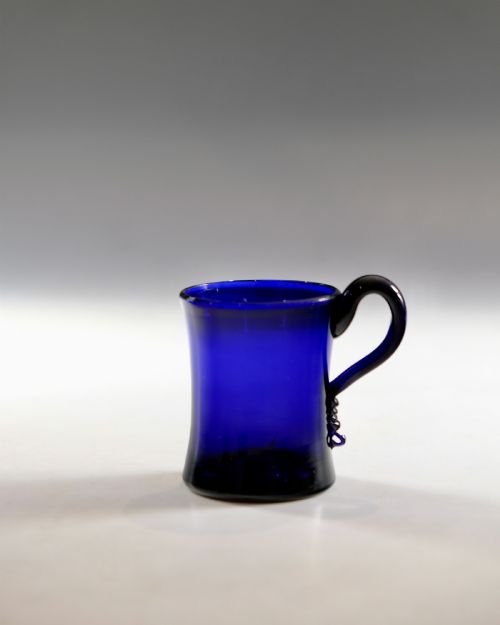
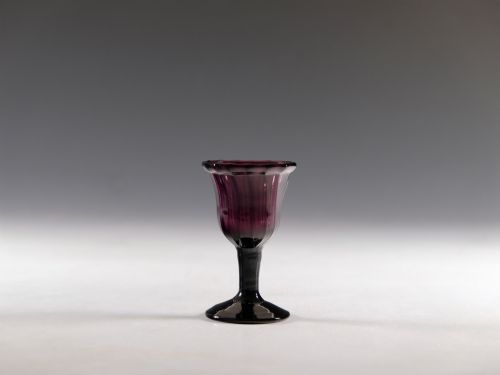
A georgian blown glass cup encompasses drinking vessels and tableware spanning the eighteenth and early nineteenth centuries. These pieces appear as egg cups, dram glasses, cordials, tankards, and wine glasses across this selection.
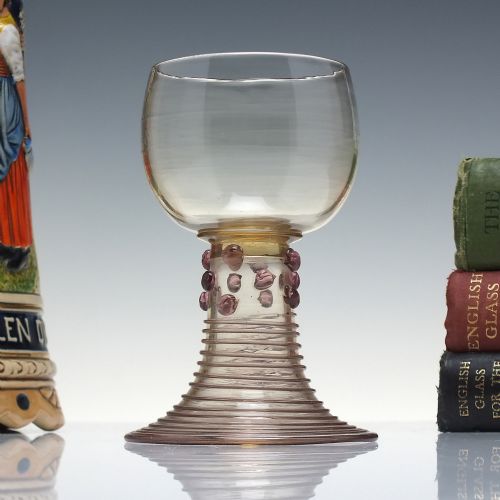
Most items on this page date from the eighteenth century through to around eighteen-thirty, representing Georgian and nineteenth-century European production. Forms range from handled jelly glasses and bonnet glasses to wrythened egg cups and roemer glasses.
How they were made
Vessels are shaped by hand-blowing lead glass, flint glass, and coloured glass. Makers utilise techniques such as air-tearing stems and creating wrythen optical patterns in the molten metal.
Colours are introduced into the material itself, producing deep hues of cobalt, amethyst, turquoise, green, and amber. Bases frequently feature folded feet for added stability and rim strength.
Listings span the eighteenth century and nineteenth century, featuring lead glass, cobalt glass, and amethyst glass across forms like egg cups and roemers.
What varies in quality
Quality rests upon the skill of the blower in achieving balance, wall thickness, and proportion within the form. Refinement in stem manipulation, such as complex air-tears, distinguishes superior examples from simpler production.
The depth and consistency of coloured glass, alongside crisp optical moulding like wrythen ribbing, set individual pieces apart. Purity of the metal and the neatness of the folded foot indicate finer workshop standards.
The Georgian Blown Glass Cup Glossary
- Lead glass
- Heavy, brilliant glass containing lead oxide that increased clarity and made vessels easier to cut and form. This composition defines much of the drinking ware from the period.
- Wrythen
- A decorative optical twist moulded into the body of a glass vessel. It produces spiral ribs that catch the light as the piece turns.
- Air tear
- An elongated bubble intentionally trapped inside the stem of a drinking glass during formation. Makers used this technique to create intricate internal patterns.
- Roemer
- A large, bulbous drinking vessel originating in Europe, typically featuring a ribbed bowl and a conical foot built from wound glass trails.
- Folded foot
- A base edge turned under and pressed flat while hot to create a thickened, rounded rim. This method adds structural strength to delicate vessels.
Georgian Blown Glass Cup: Frequently Asked Questions
Can I use these cups daily?
Many buyers enjoy incorporating these robust vessels into everyday dining and entertaining. Their solid lead glass construction handles careful handling well.
Keep in mind that fragile stems or delicate rims require mindfulness during use and storage to prevent accidental chips.
What does wrythen mean?
Wrythen describes a twisted, spiral pattern moulded directly into the body of blown glass. It creates a dynamic optical effect across the surface of the vessel.
This technique adds texture and visual depth, particularly noticeable in coloured table items from the period.
How do I date a glass?
Dating relies on observing manufacturing characteristics, such as pontil marks on the base, stem construction methods, and overall vessel proportions. Comparing specific forms like folded feet and bowl shapes helps narrow the era.
Period styles shifted from air-twist stems in the mid-eighteenth century to heavier coloured glass bodies by the early nineteenth century.