









Georgian Balustroid Glass
Georgian balustroid glass brings substantial weight and sturdy proportions to the eighteenth-century drinking table.
Georgian Balustroid Glass
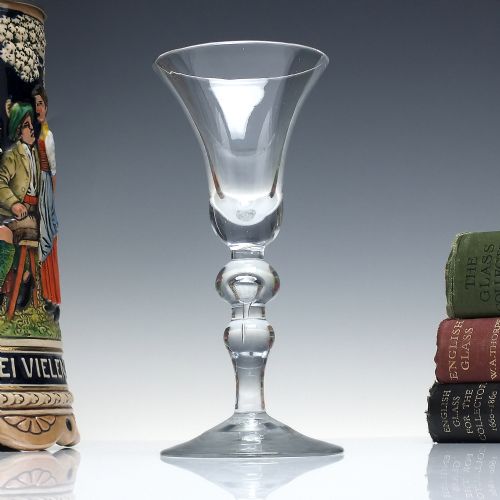
When you search for georgian balustroid glass, you encounter drinking vessels produced during the eighteenth century featuring heavy, distinctive stems. These pieces encompass wine glasses, ale glasses, gin glasses, and ratafia glasses.
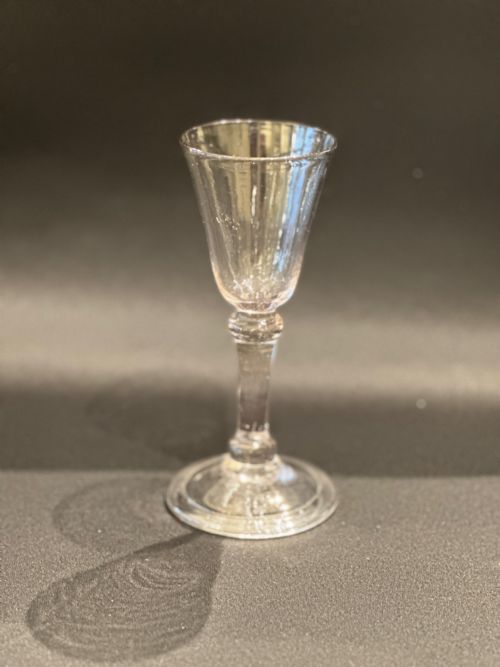
The version you are most likely to meet on this page is the wine glass dated around 1740. These items display sturdy bowls atop stems shaped with knops and baluster elements.
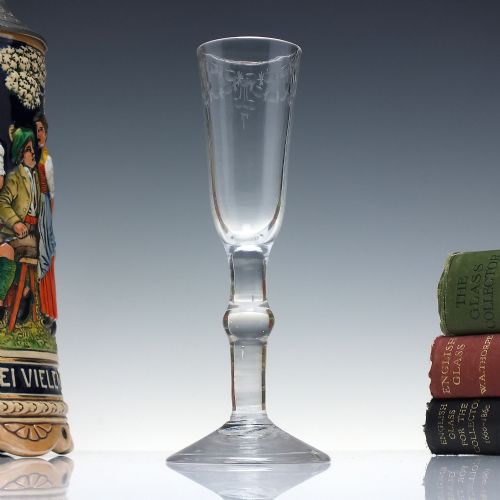
Makers produced these objects in clear glass, lead crystal, and flint glass during the Georgian and George II periods. Forms range from simple trumpet bowls to examples with engraved decoration and domed feet.
How they were made
Glassmakers utilised lead glass and flint glass to achieve the considerable weight and clarity characteristic of these vessels. The addition of lead oxide produced a durable material that tolerated deep engraving and complex manipulation.
Craftsmen formed the stems by joining distinct sections or drawing the molten metal downwards from the bowl. Knops, collars, and balustroid profiles were shaped by hand while hot on the pontil.
Georgian Balustroid Glass Retail Price Guide 2026
Typical asking prices for georgian balustroid glass among the pieces listed under this phrase on Sellingantiques today, from the lower quarter to the upper quarter. They describe what is for sale here now, not the wider market.
Some seventeenth-century drinkers apparently enjoyed a glass of gin so much they needed a dedicated narrow vessel just to manage the nip.
What varies in quality
The definition and crispness of the stem knops separate robust examples from plain ones. Well-formed balustroid profiles demonstrate deliberate proportion between the bowl, stem, and foot.
The quality of the metal itself changes the tactile experience of the piece. Clear glass containing high lead content displays superior light refraction and heft compared to simpler utilitarian metal.
The Georgian Balustroid Glass Glossary
- Knop
- A knob or protuberance on the stem of a glass. Makers formed single, double, or multiple knops to alter the visual balance.
- Ratafia glass
- A tall, narrow drinking vessel designed for sweet fruit liqueurs. The slender bowl distinguishes it from standard wine glasses.
- Kit Kat
- A specific proportion of wine glass associated with the eighteenth century. These pieces combine robust balustroid stems with particular bowl forms.
- Folded foot
- A base edge turned under during manufacture to provide extra strength. This technique adds stability to heavier drinking vessels.
Georgian Balustroid Glass: Frequently Asked Questions
What is a balustroid glass?
A balustroid glass is an eighteenth-century drinking vessel featuring a stem derived from heavy baluster forms. These pieces typically display knops and swelling profiles below the bowl.
The style emerged during the Georgian period as glassmakers moved away from tall, slender stems toward sturdier proportions. They served primarily for wine, ale, and spirits.
How do I date an 18th century glass?
Dating relies upon the combination of bowl shape, stem construction, and foot formation. Manufacturing techniques changed noticeably across the decades between 1720 and 1800.
Examining the pontil mark on the base and the composition of the lead glass also provides clues. Subtle shifts in fashion help narrow the production window.
Were these glasses used daily?
These vessels were utilised for dining and entertaining in eighteenth-century households. Their heavy construction suited active use at the table.
Over time, many surviving examples shifted from daily service to display collections. Their robust metal helped them endure centuries of handling.
What is lead crystal in antique glass?
Lead crystal refers to glass containing a significant proportion of lead oxide. This formulation increased the density and refractive index of the material.
Craftsmen favoured this composition for its brilliance and weight. It allowed for sharp cutting and engraving without fracturing easily.