
Georgian Armoire
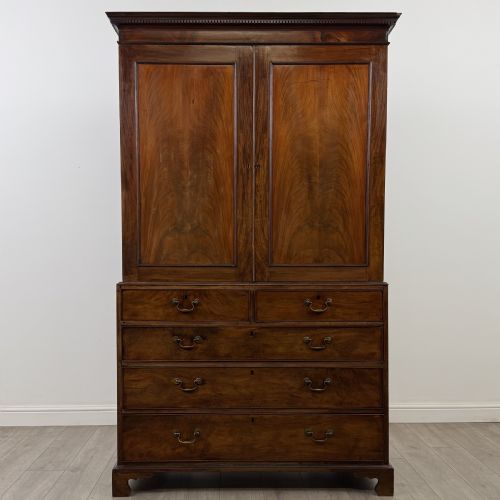
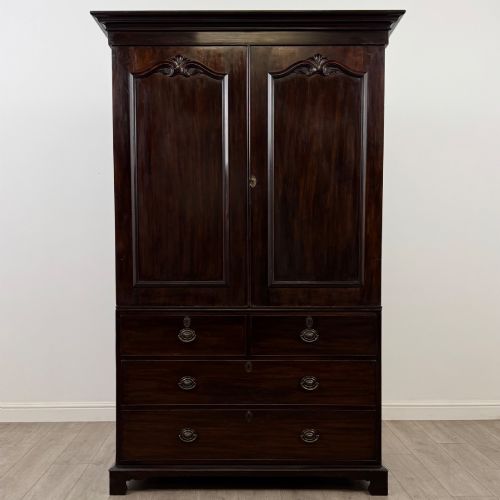
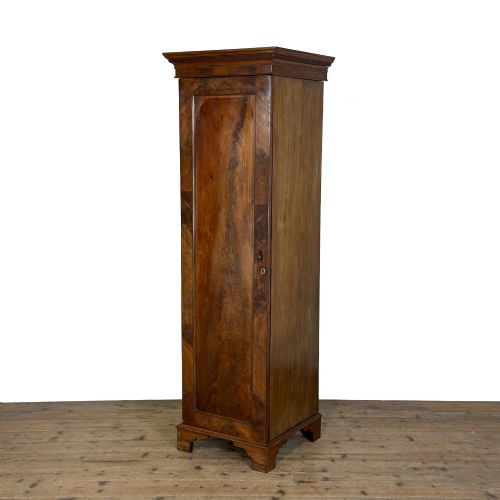
A georgian armoire brings substantial timber and practical storage into a room, taking the form of linen presses, wardrobes and large cupboards.
Georgian Armoire
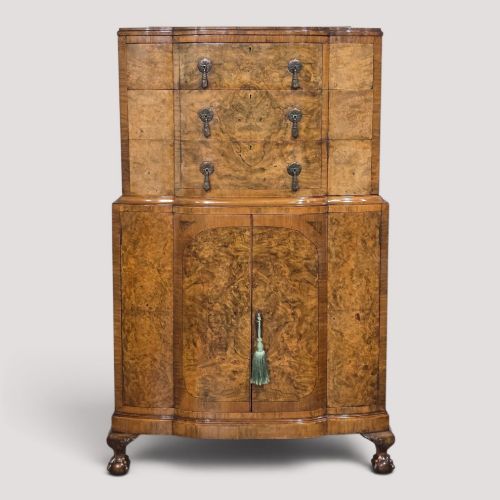
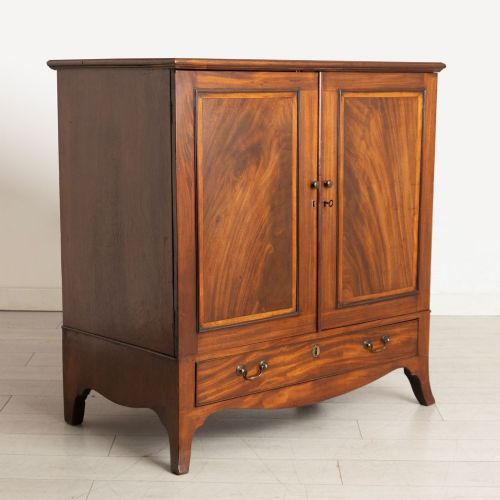
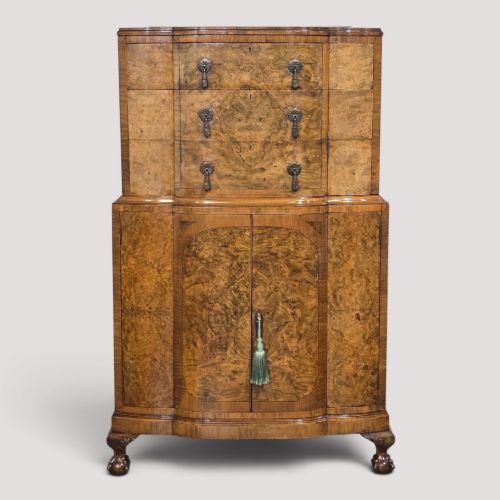
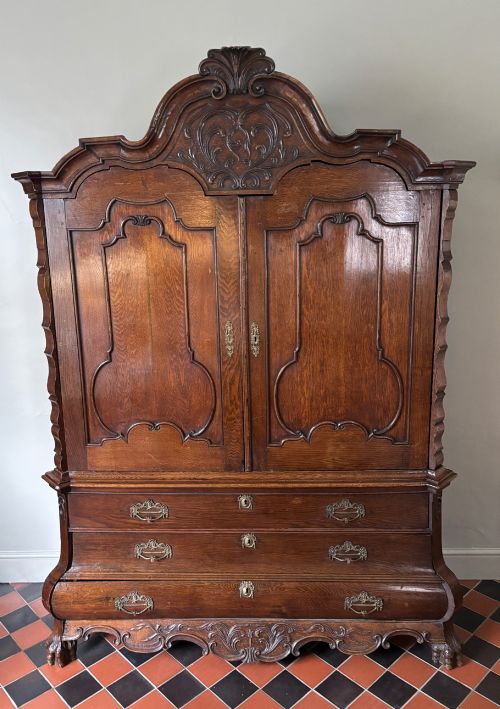
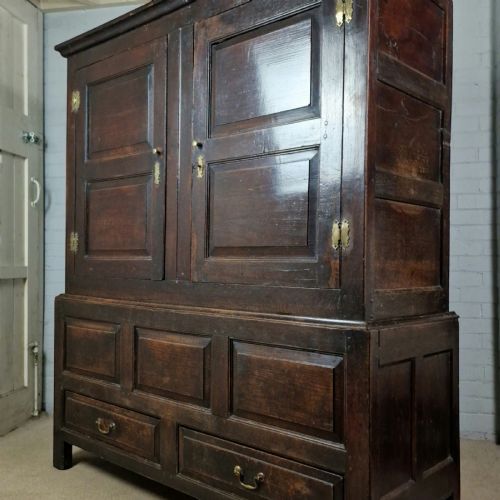
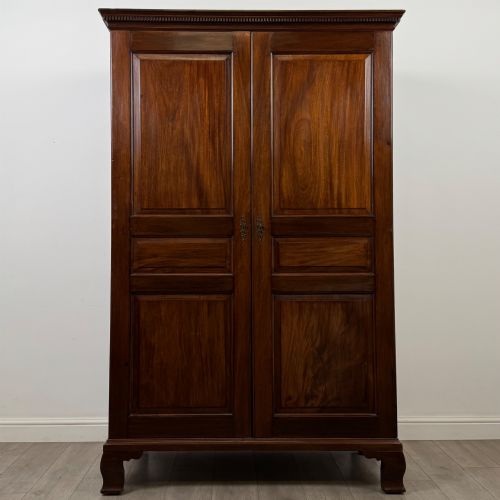
When you search for a georgian armoire, you encounter a variety of large storage furniture including linen presses, wardrobes, compactums and housekeepers cupboards. These pieces originate primarily from the Georgian period, the eighteenth century and the nineteenth century, reflecting domestic storage needs of past eras.
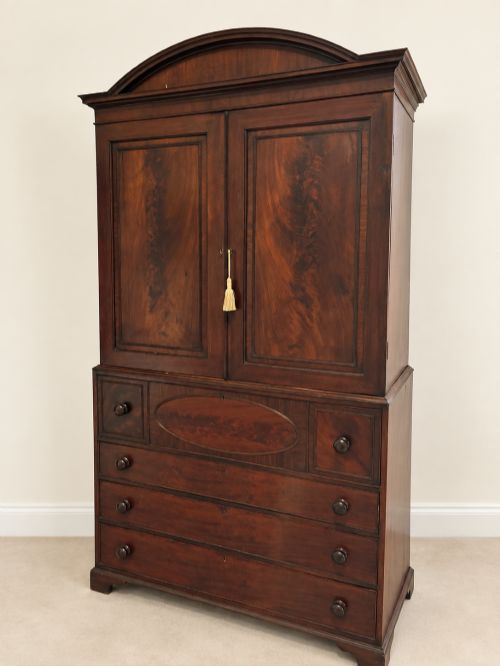
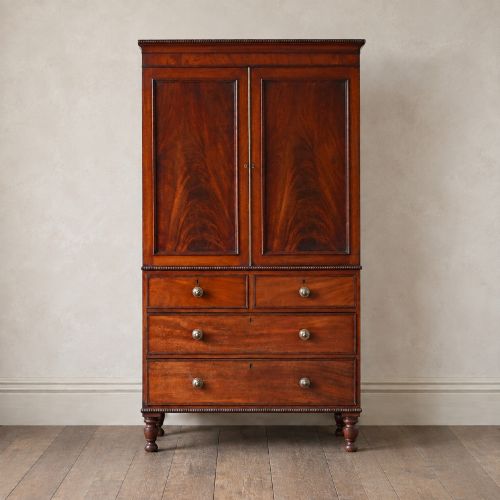
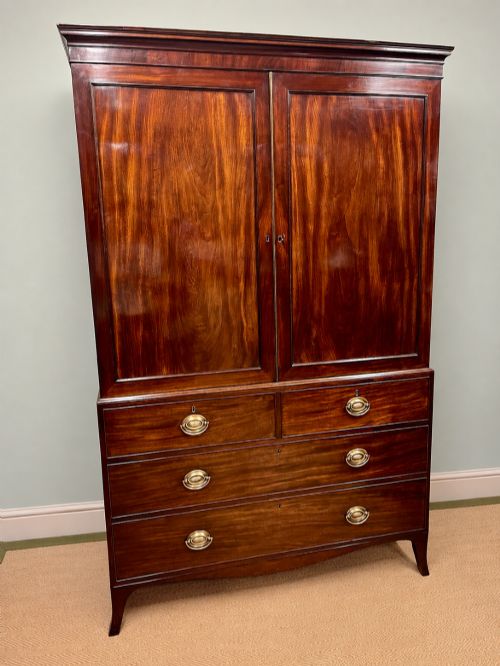
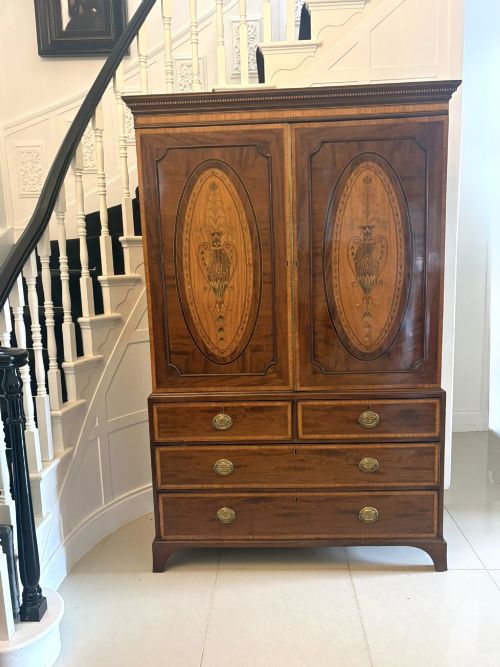
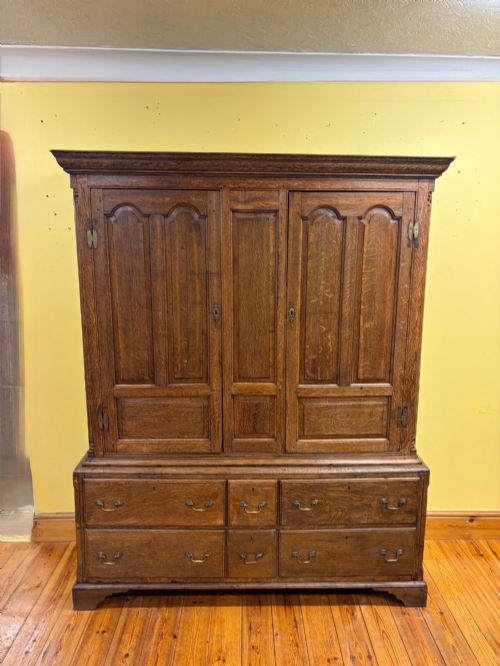
The version you are most likely to meet on this page is a mahogany or oak linen press combining upper doors with lower drawer sections. Oak examples often date to the mid eighteenth century, while mahogany variants frequently display George III styling or satinwood inlay.
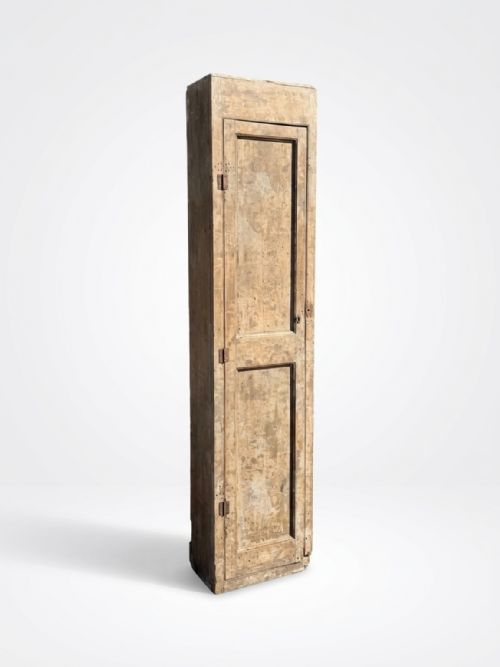
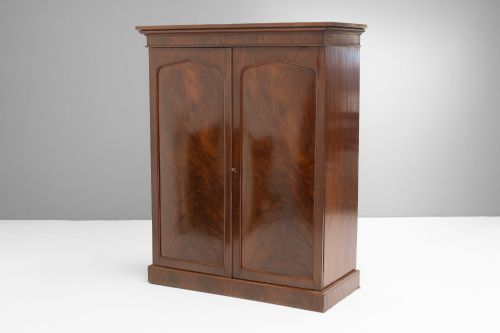
Alternative forms include painted pine country cupboards, walnut presses, and occasional Regency period wardrobes or Dutch baroque designs. Each object serves to store garments and household textiles behind substantial timber doors.
What varies in quality
Quality separates pieces through the selection of timber figures, such as burr walnut or flame mahogany veneer, and the precision of inlaid details like satinwood stringing. Superior examples display refined proportions and expert joinery in cornices and drawer linings.
The handling of decorative carvings, blind fretwork, and painted finishes distinguishes standard utilitarian cupboards from high status furniture attributed to skilled makers or specific regional workshops.
Some oak cupboards bear the scars of centuries of household linens rubbing against their timbers.
William Trotter
The Georgian Armoire Glossary
- Linen press
- A large cupboard featuring upper doors that enclose sliding trays for folded textiles, placed above a base fitted with drawers. This form dominated domestic storage before full length hanging wardrobes became common.
- Compactum
- A multi compartment wardrobe designed to organise various types of clothing within a single footprint. It combines hanging space, drawers, and shelving.
- Blind fretwork
- Carved ornamental patterning applied to a solid surface without piercing right through the timber. This decorative technique appears on cornices of mid to late eighteenth century case furniture.
- Satinwood inlay
- Contrasting blonde timber inserted into darker primary woods like mahogany to create geometric or floral patterns. This decorative method highlights the refined edges and panels of finer period pieces.
Georgian Armoire: Frequently Asked Questions
What is a georgian armoire?
A georgian armoire typically refers to large storage furniture from the eighteenth and early nineteenth centuries, encompassing linen presses, wardrobes, and panelled cupboards.
These pieces were built to store household linen and garments before modern fitted closets existed, using timbers like mahogany, oak, and walnut.
How do I use a linen press today?
A linen press functions well in a bedroom or hallway for storing folded clothes, bed linen, or towels behind its upper doors.
The lower drawers offer additional enclosed space for smaller items, while some variations permit the removal of interior trays to create standard hanging wardrobes.
How do I tell an oak piece from mahogany?
Oak pieces generally exhibit visible grain patterns with medullary rays, often appearing in eighteenth century country pieces and earlier Dutch designs.
Mahogany presents a smoother, reddish brown surface that accepts fine veneers and satinwood inlay popular during the George III and Regency eras.
What is the difference between a press and a wardrobe?
A traditional press contains shallow sliding shelves or trays behind the main upper doors, designed specifically for folded linen and textiles.
A wardrobe provides vertical hanging space for garments on coat hangers, though many period pieces combine both arrangements.